
01 Food tours
Original food tours, curated with our local tastemakers to showcase the neighbourhood kitchens, markets and family-run eateries that define Tokyo.
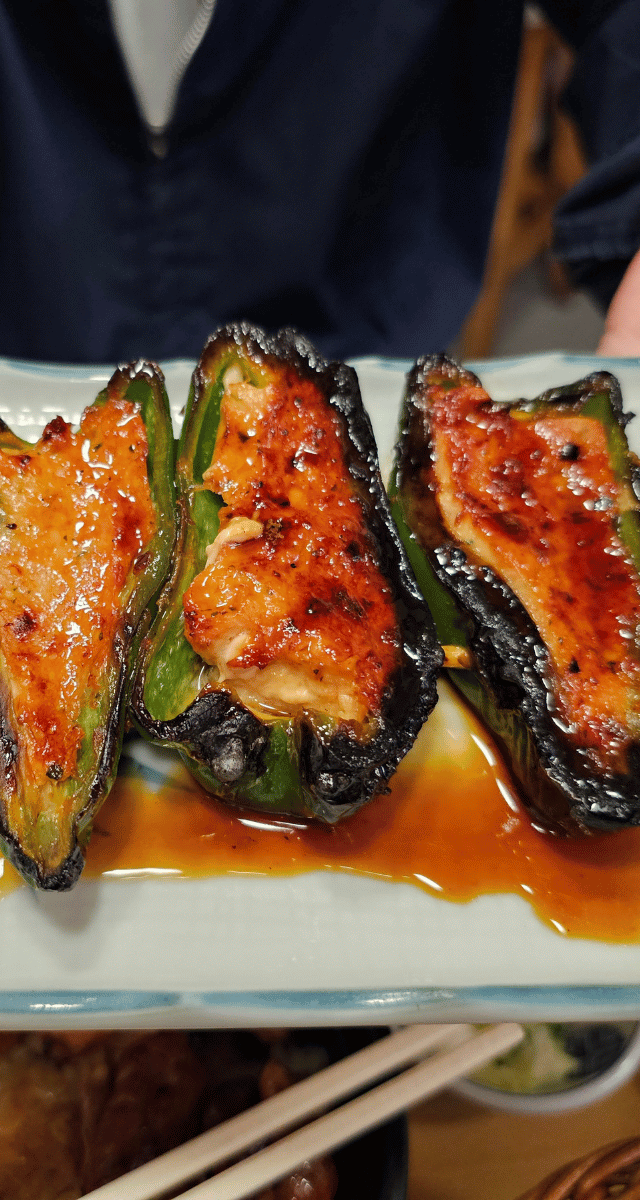
Shibuya Stories
Tokyo
A curated food tour through the streets, markets and family kitchens of the destination — flavour by flavour.
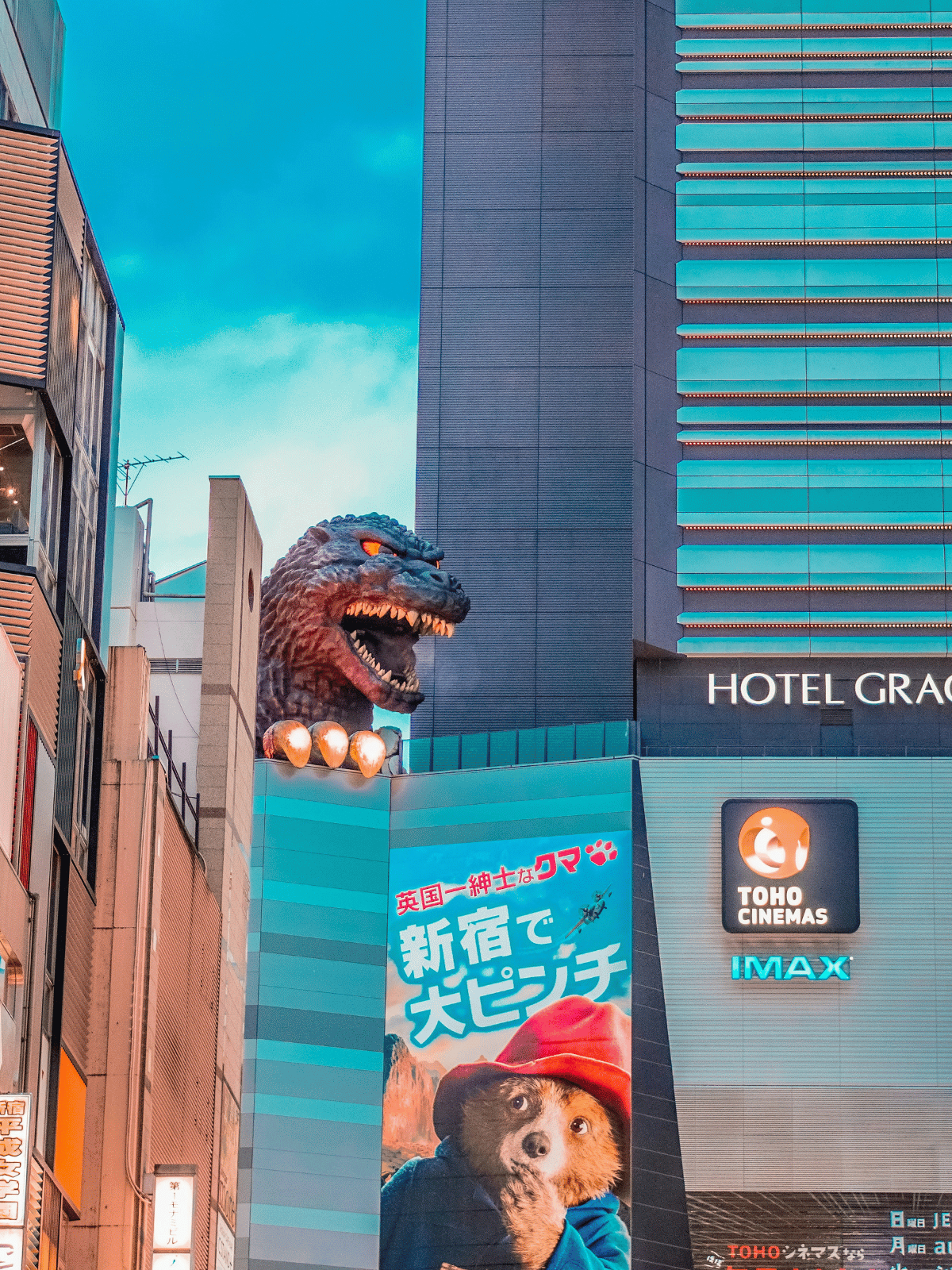
Shinjuku Stories
Tokyo
Test Full Description section says maximum 15 words no matter how long the words are.
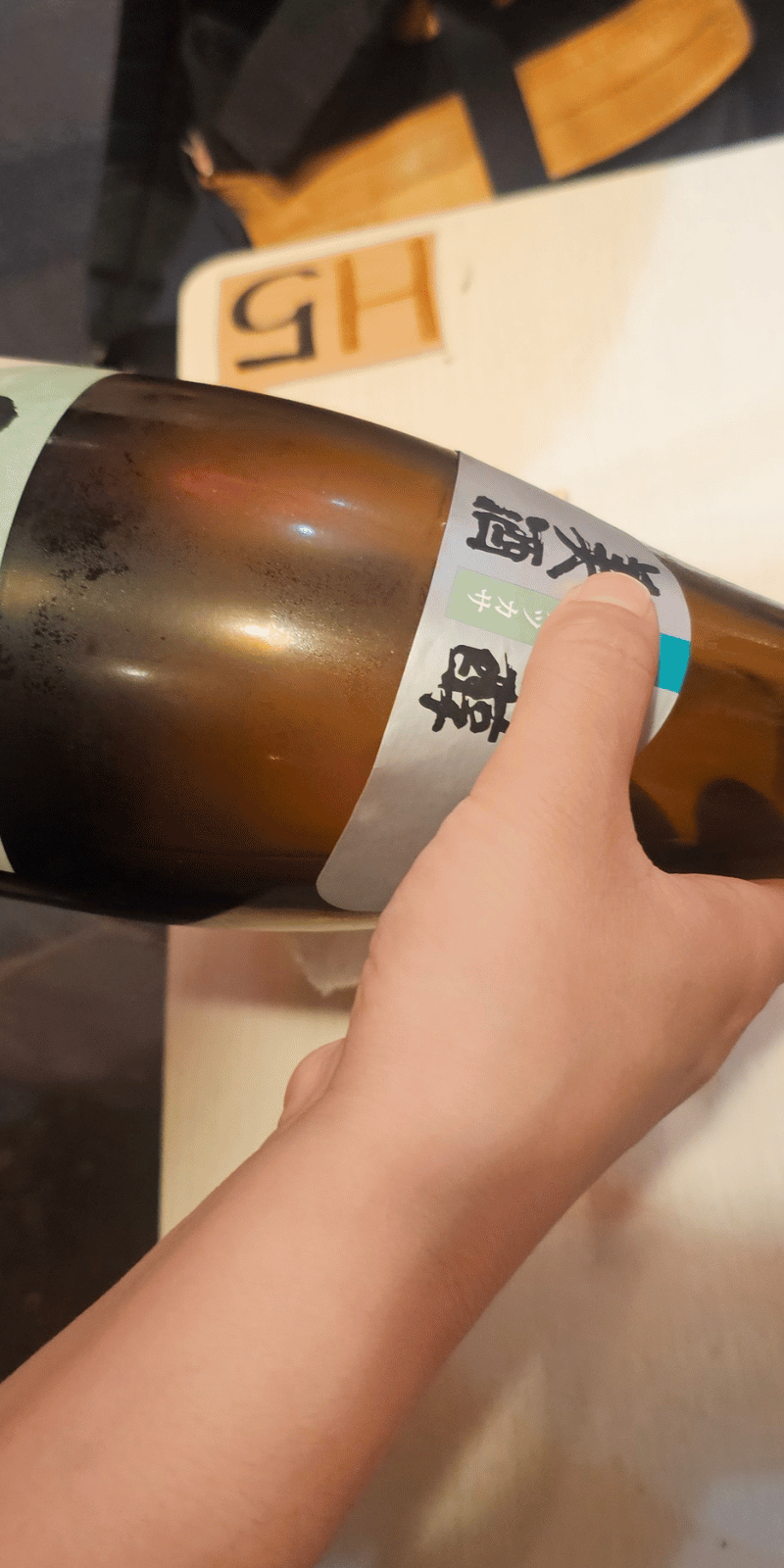
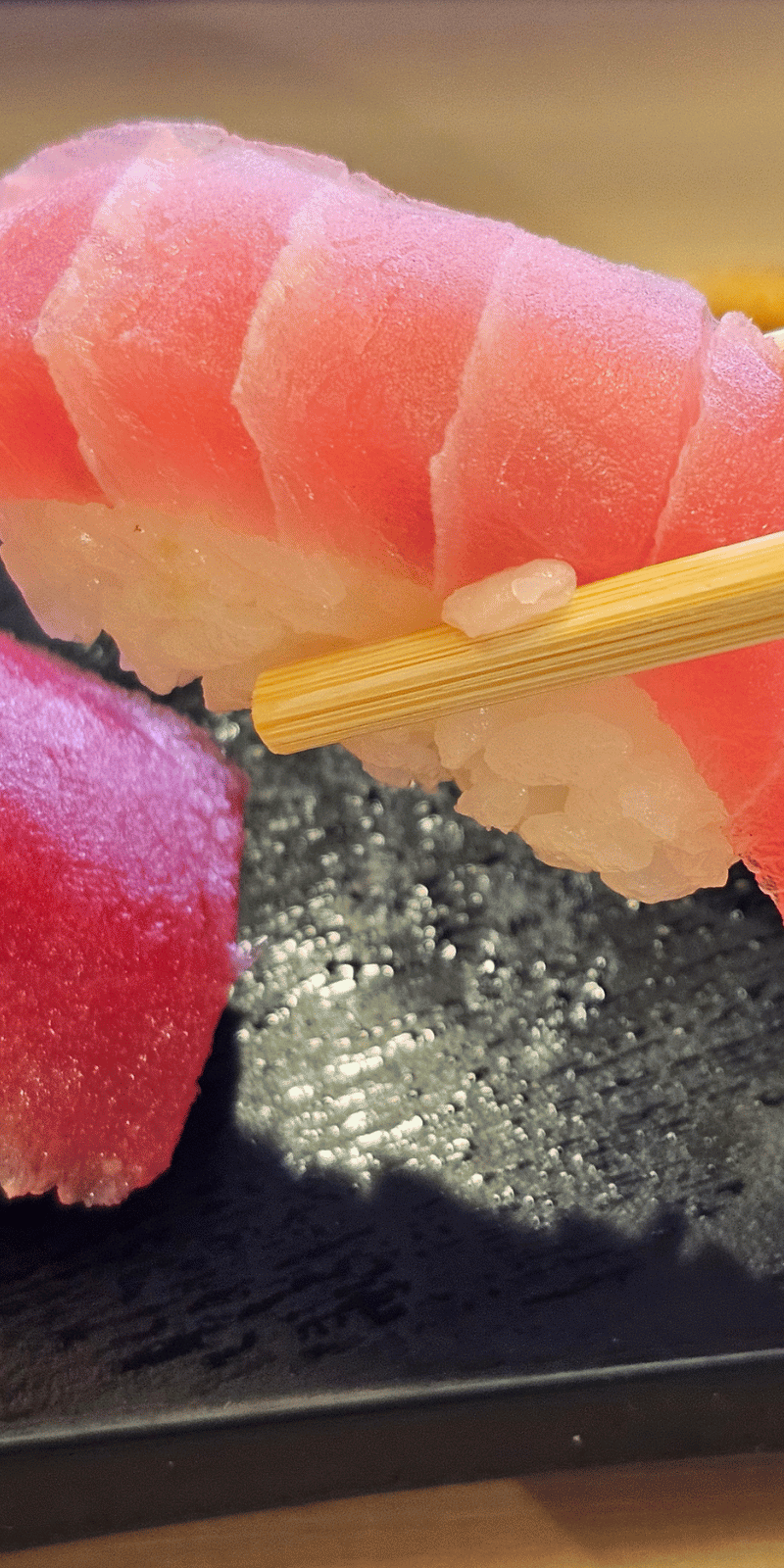
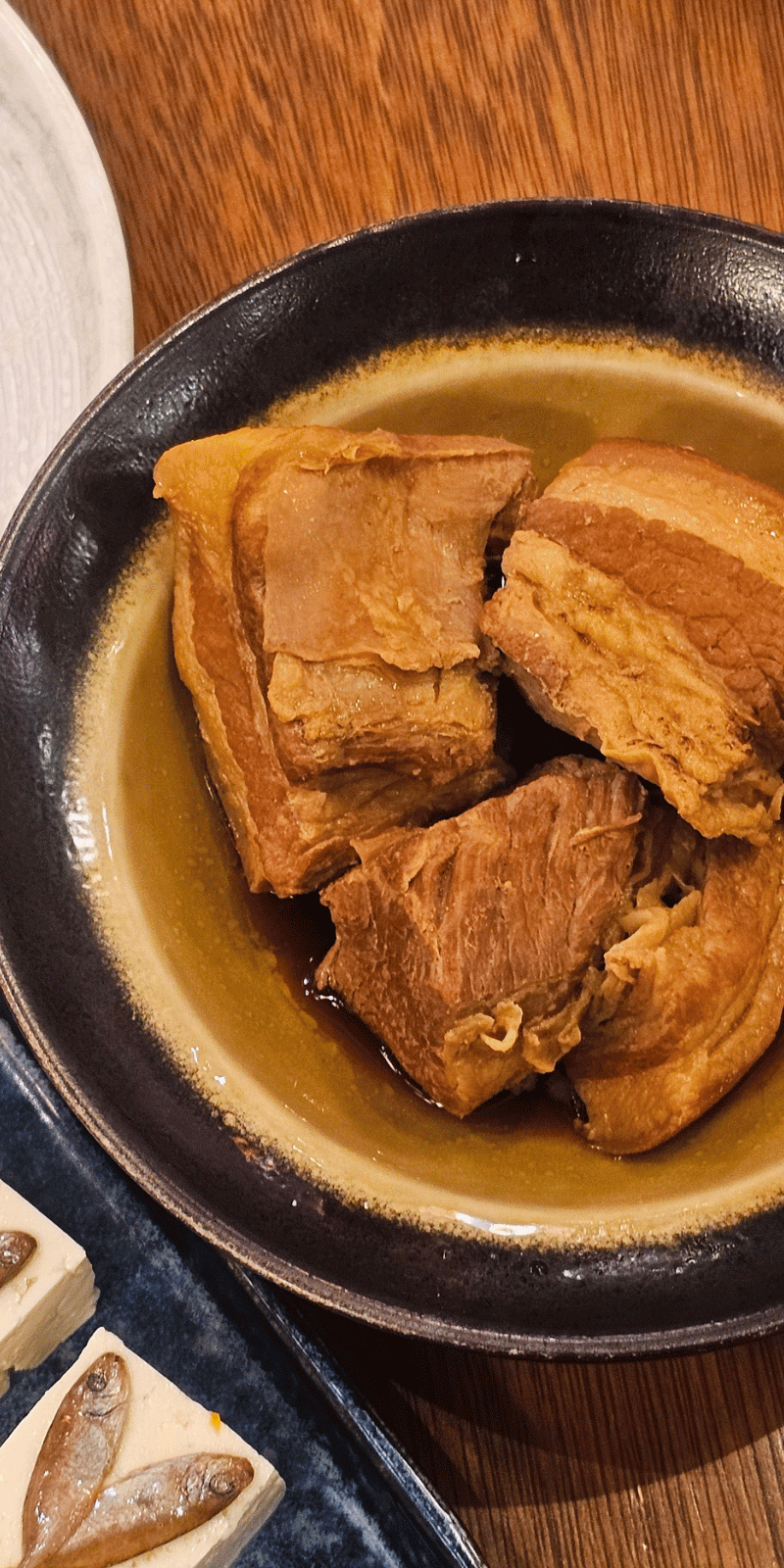
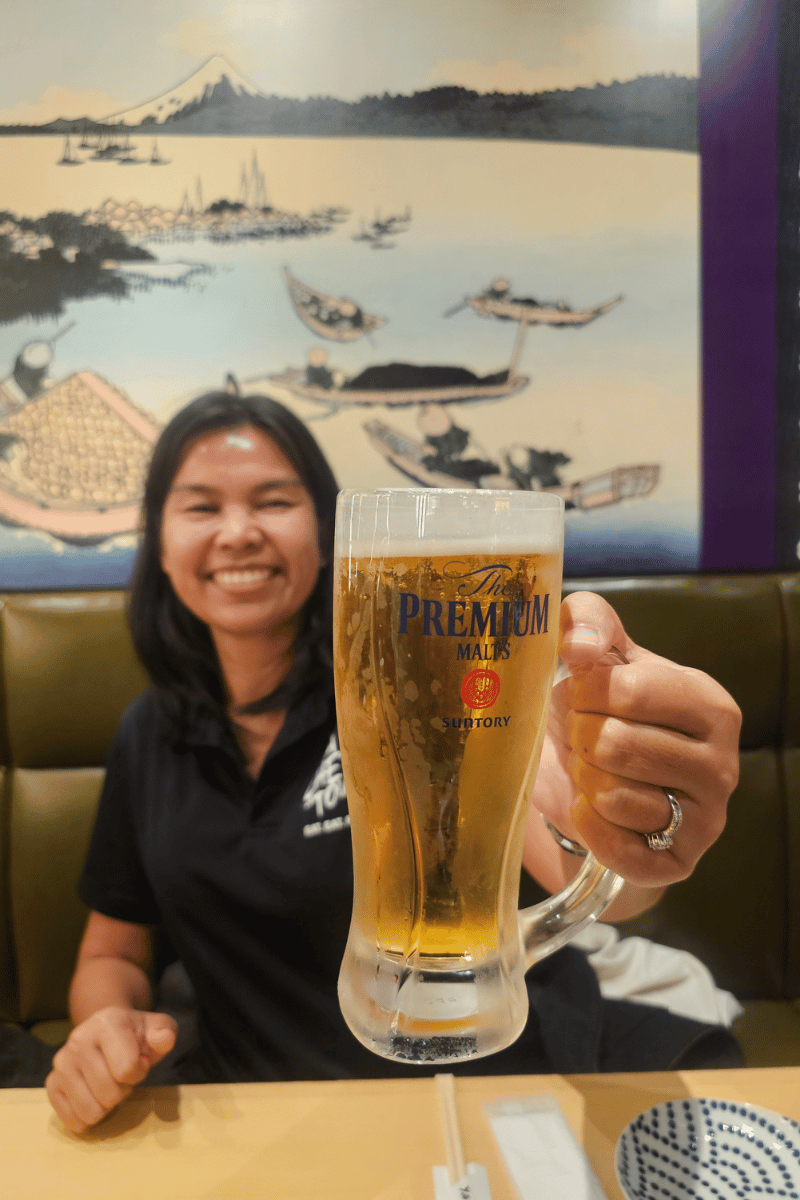
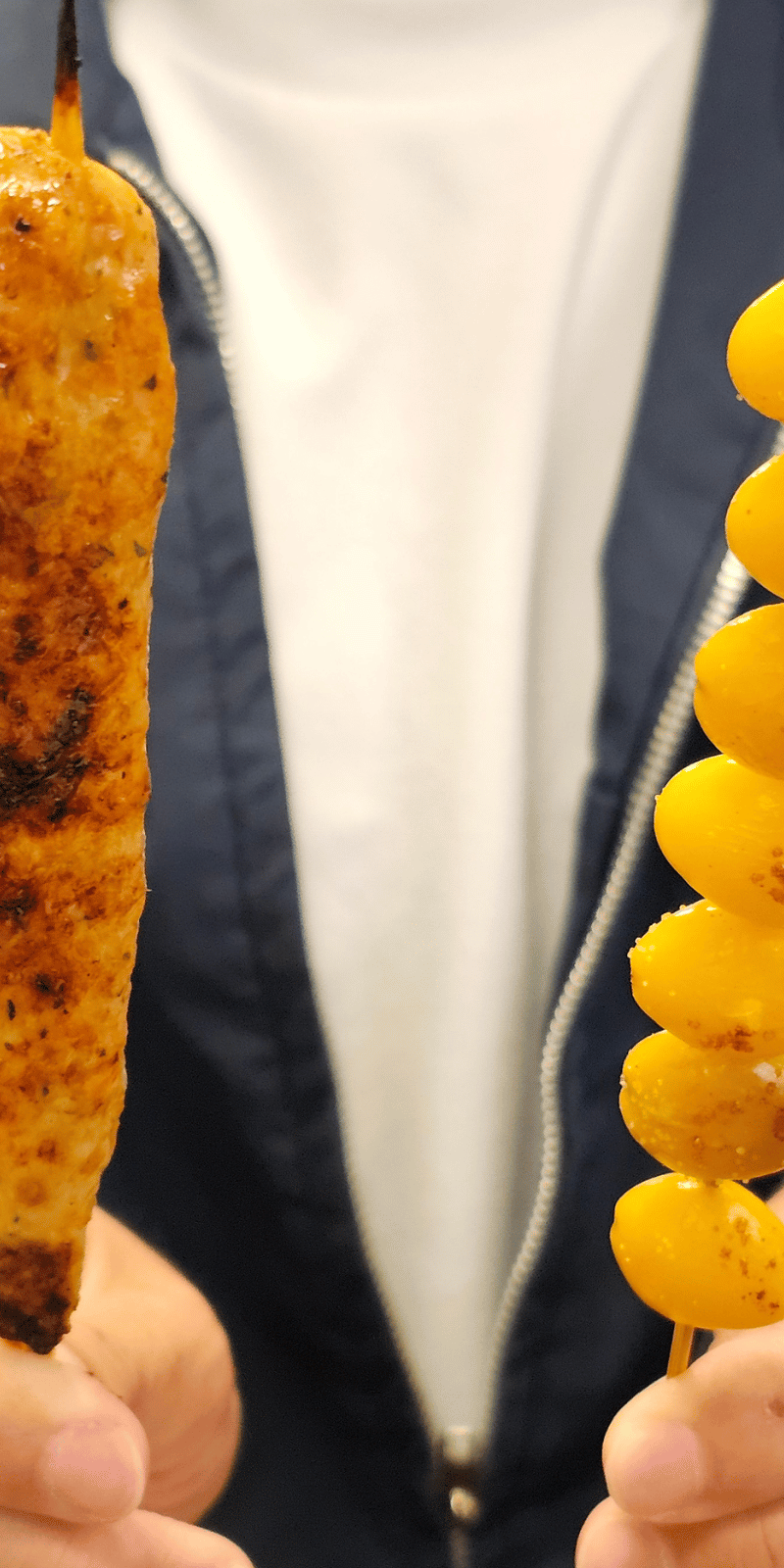
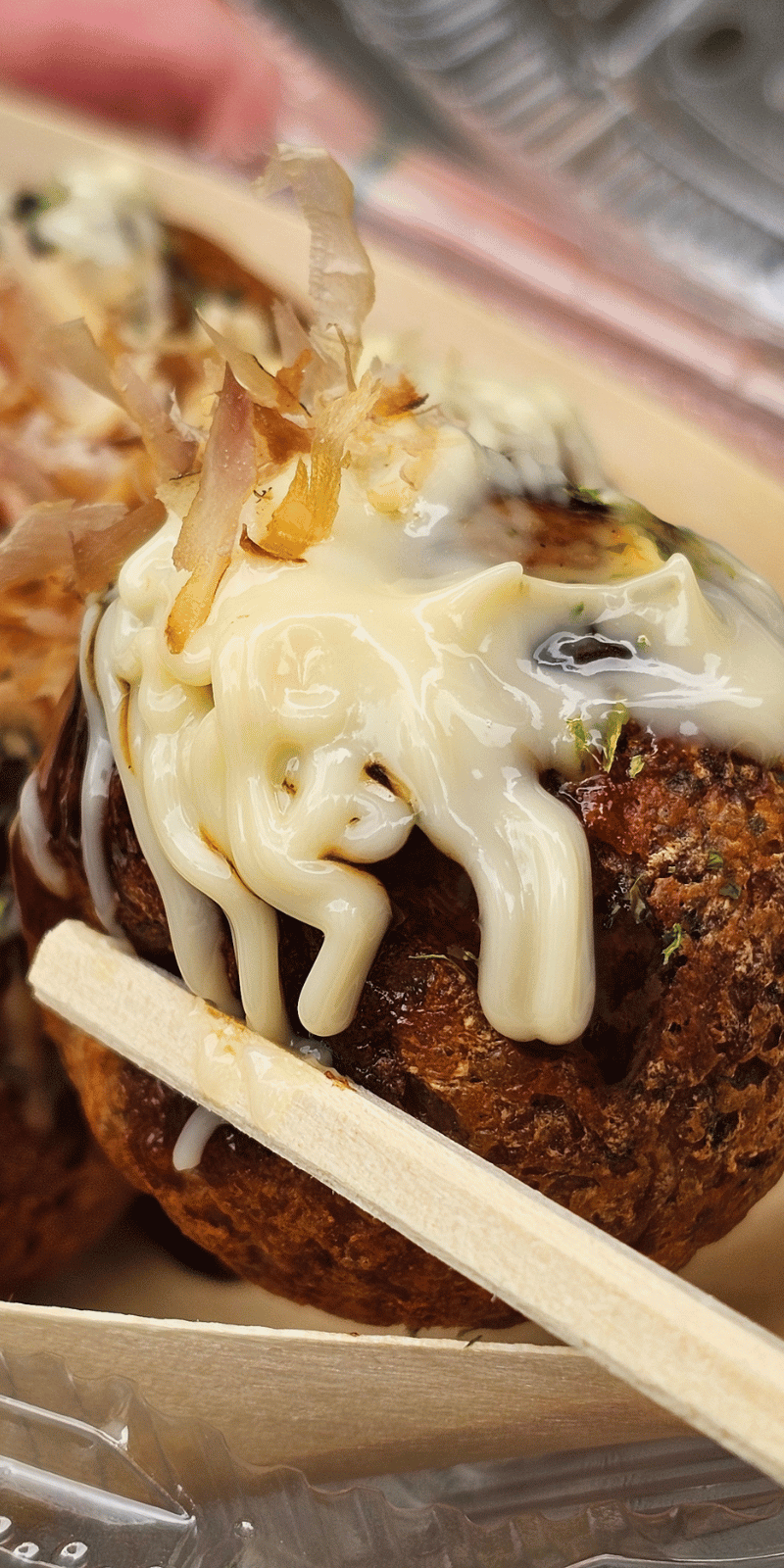
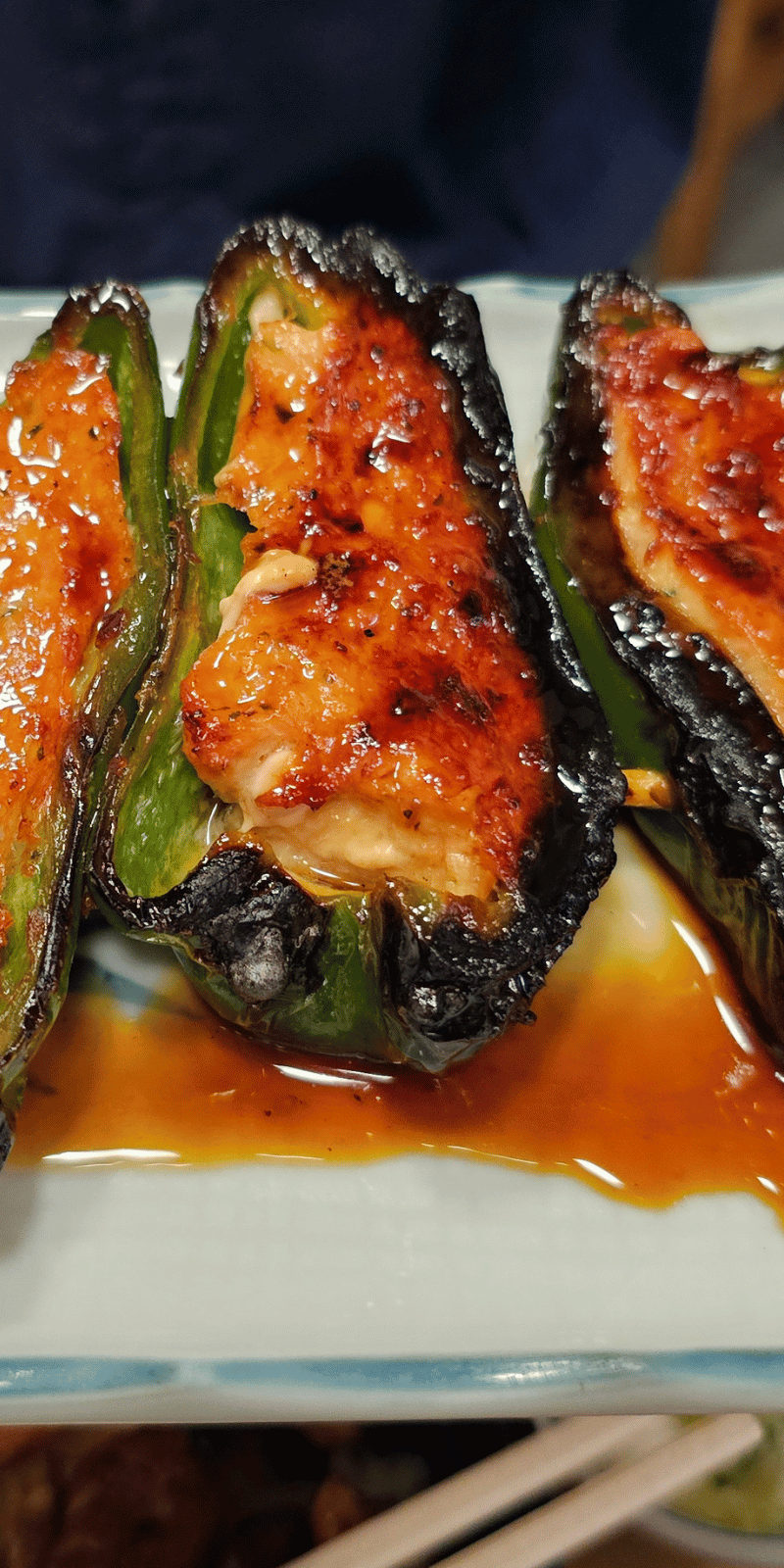
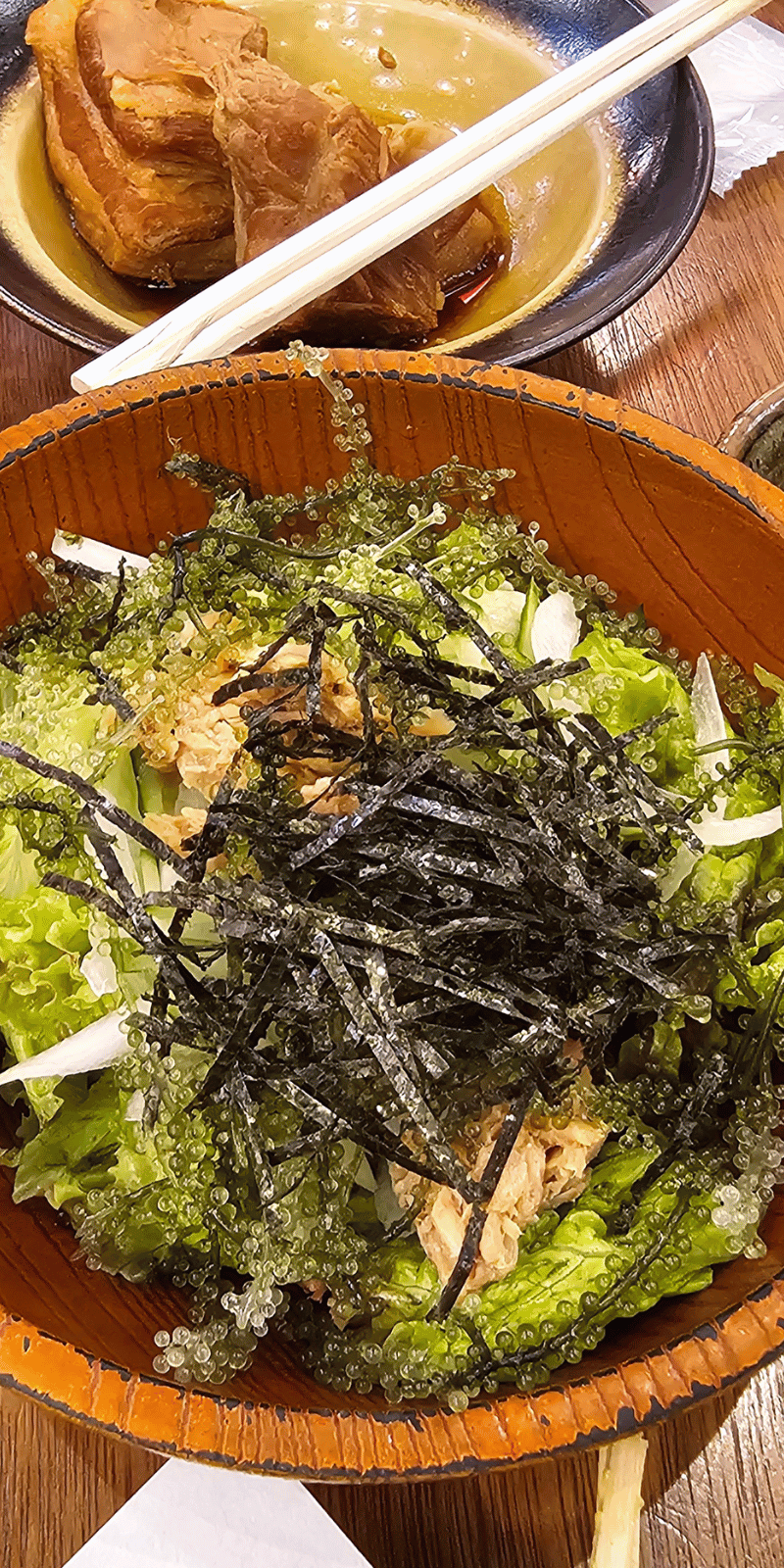
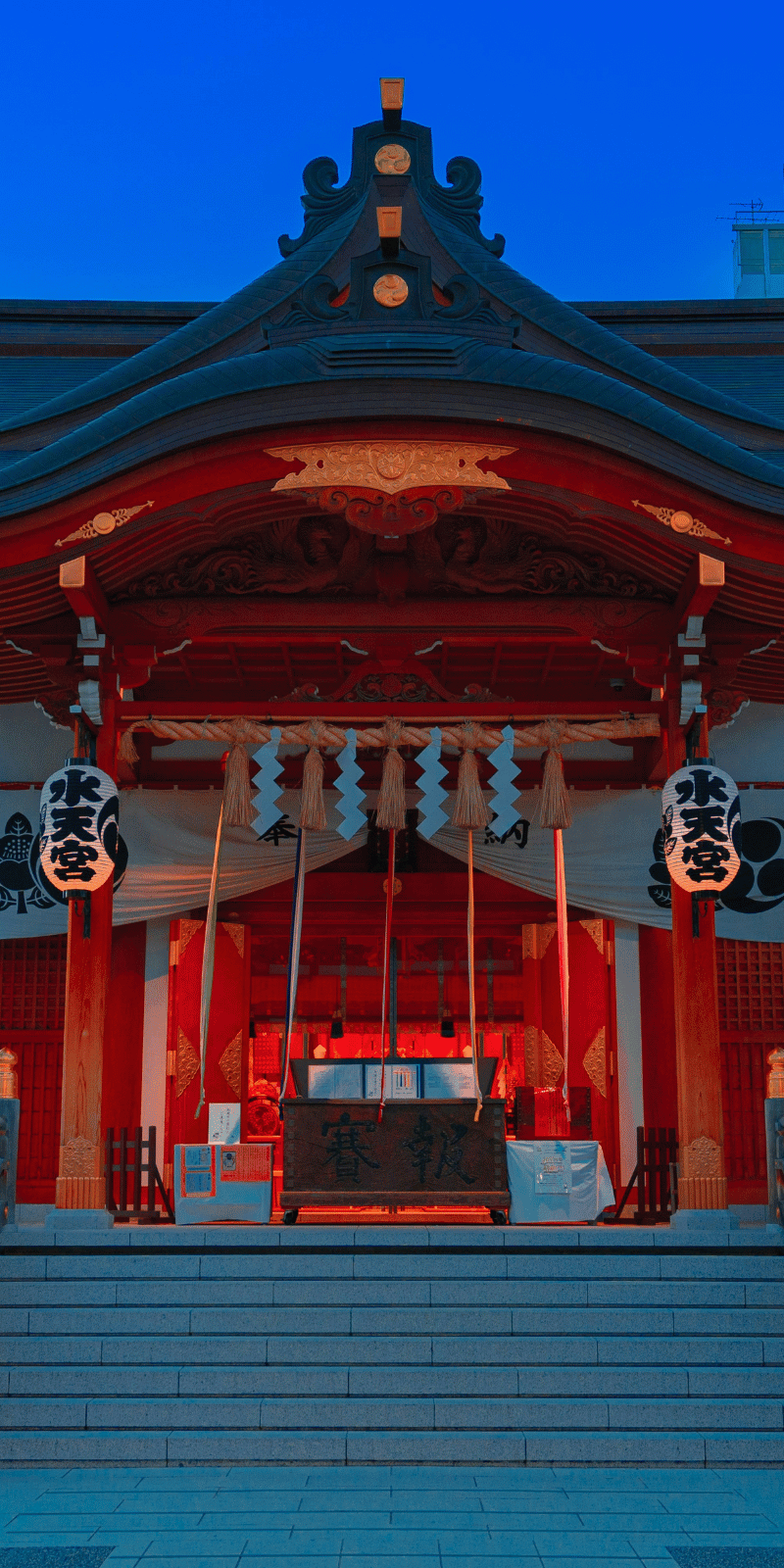
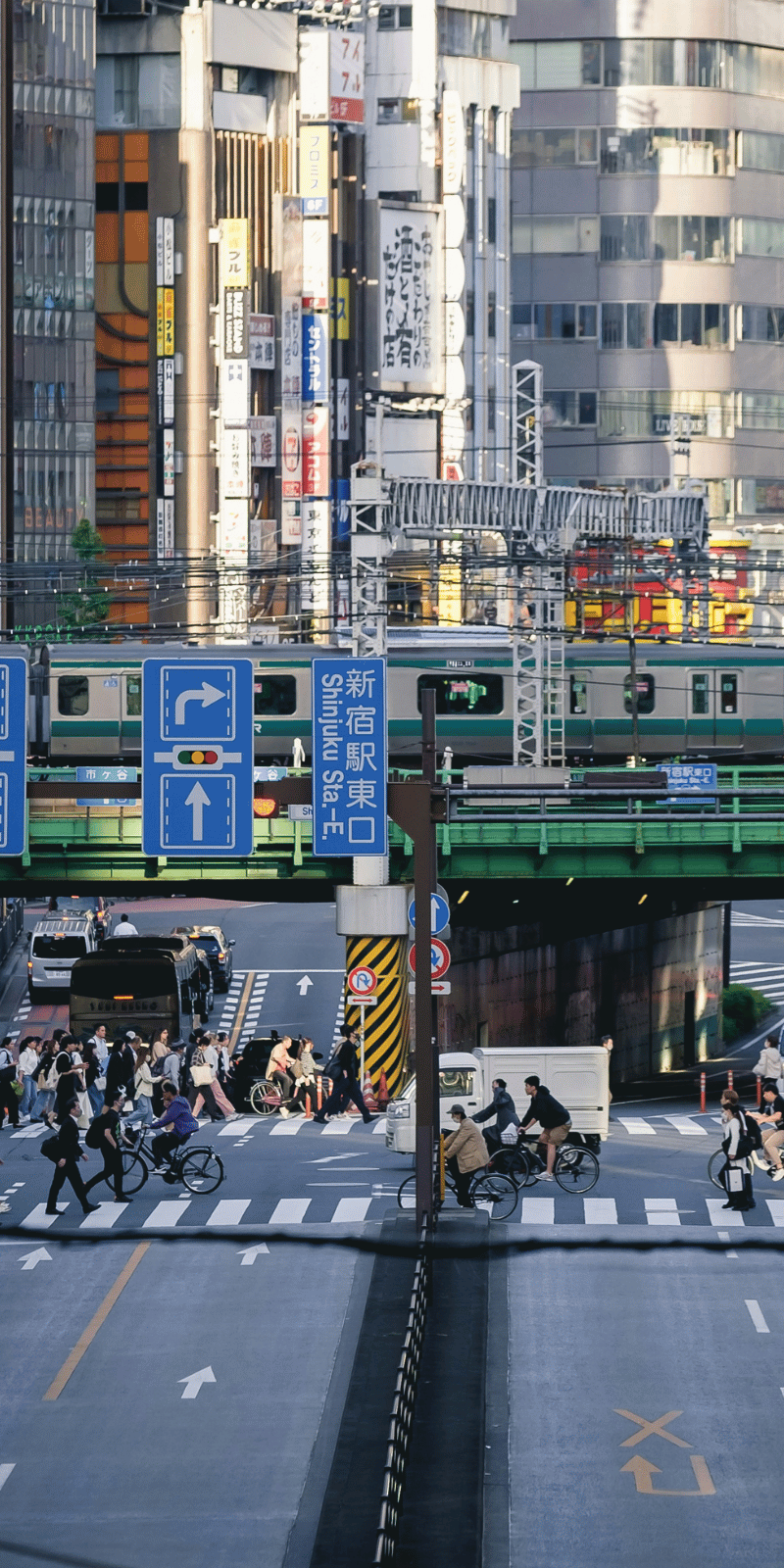
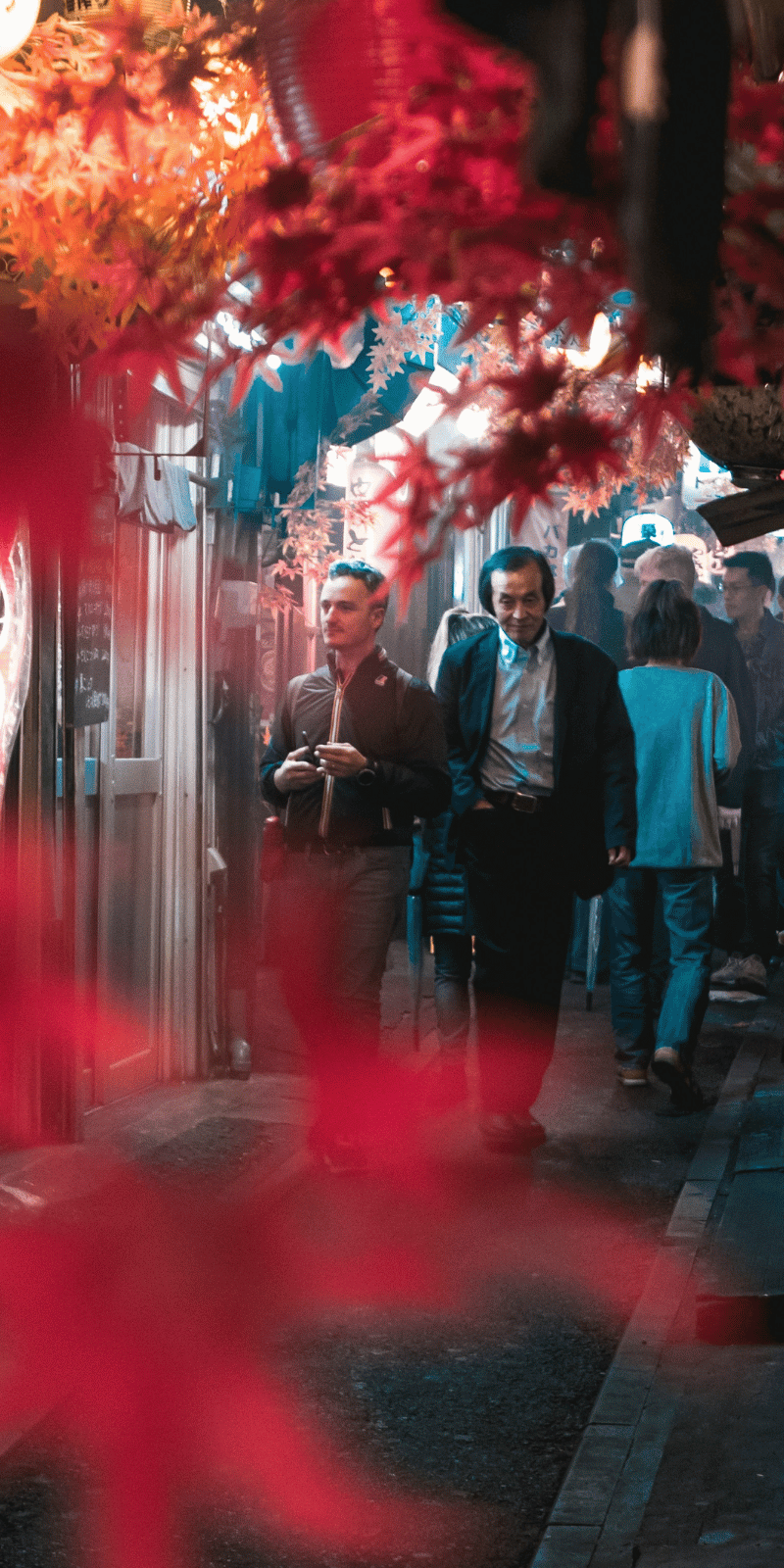
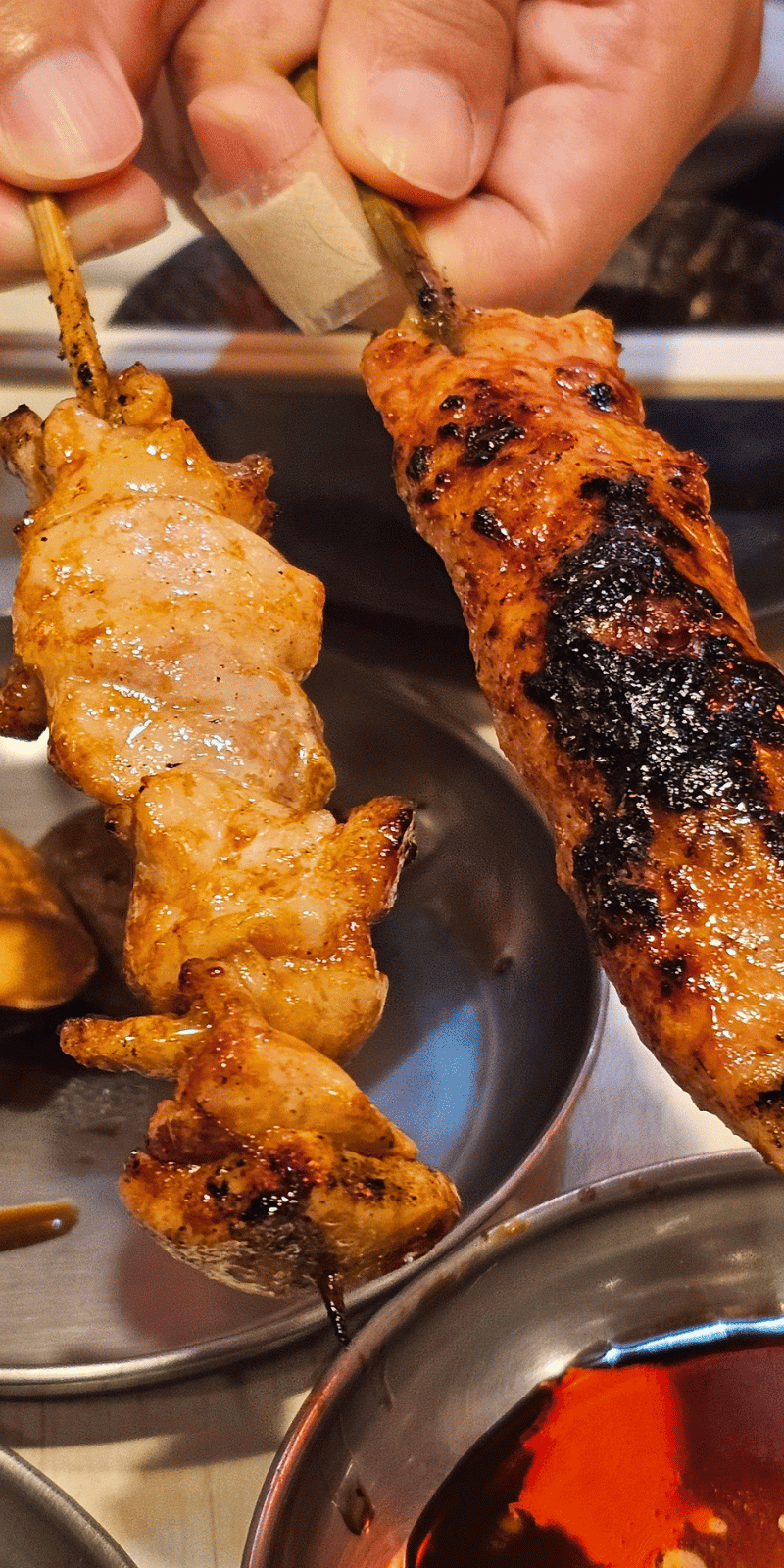
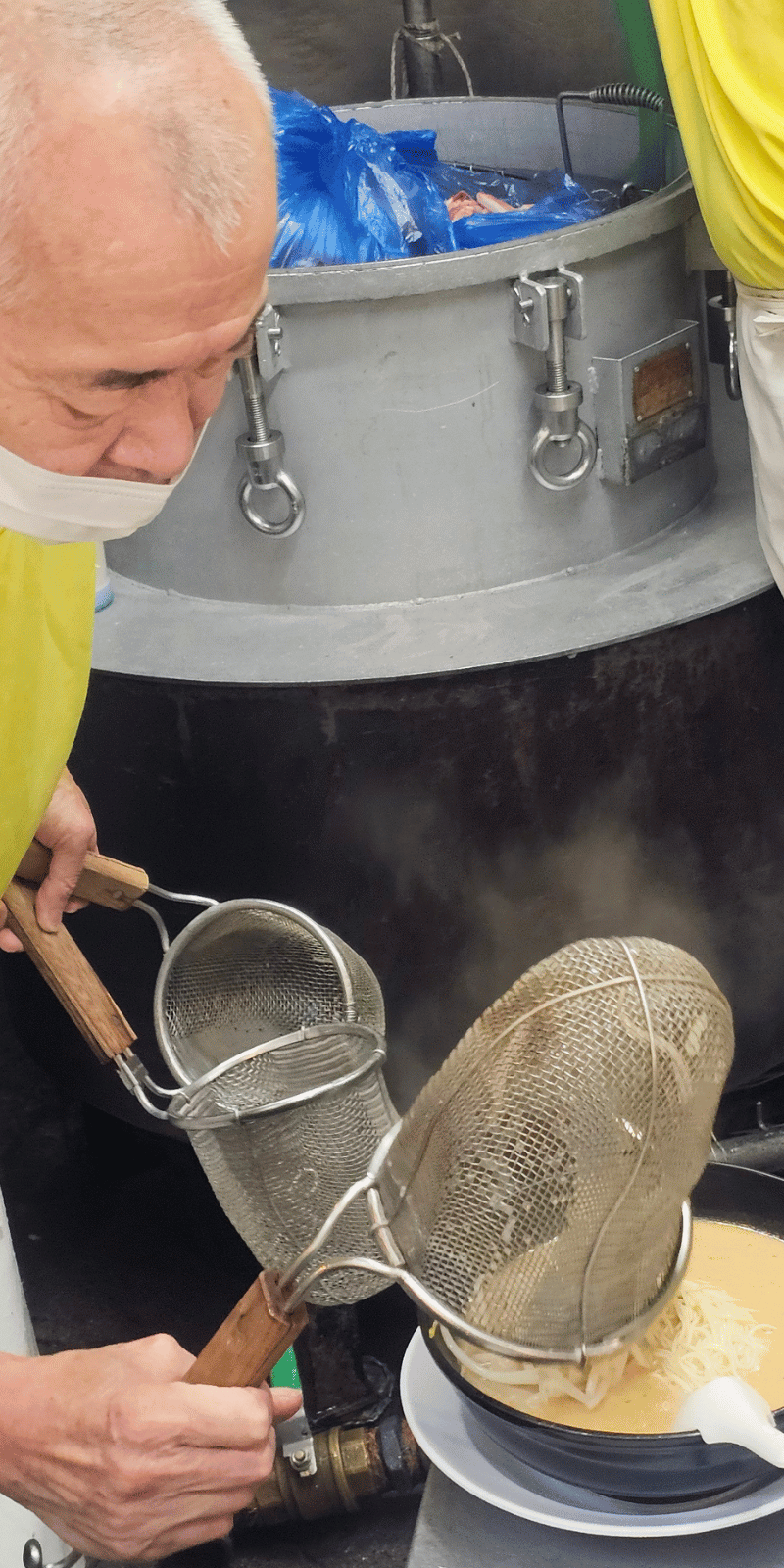
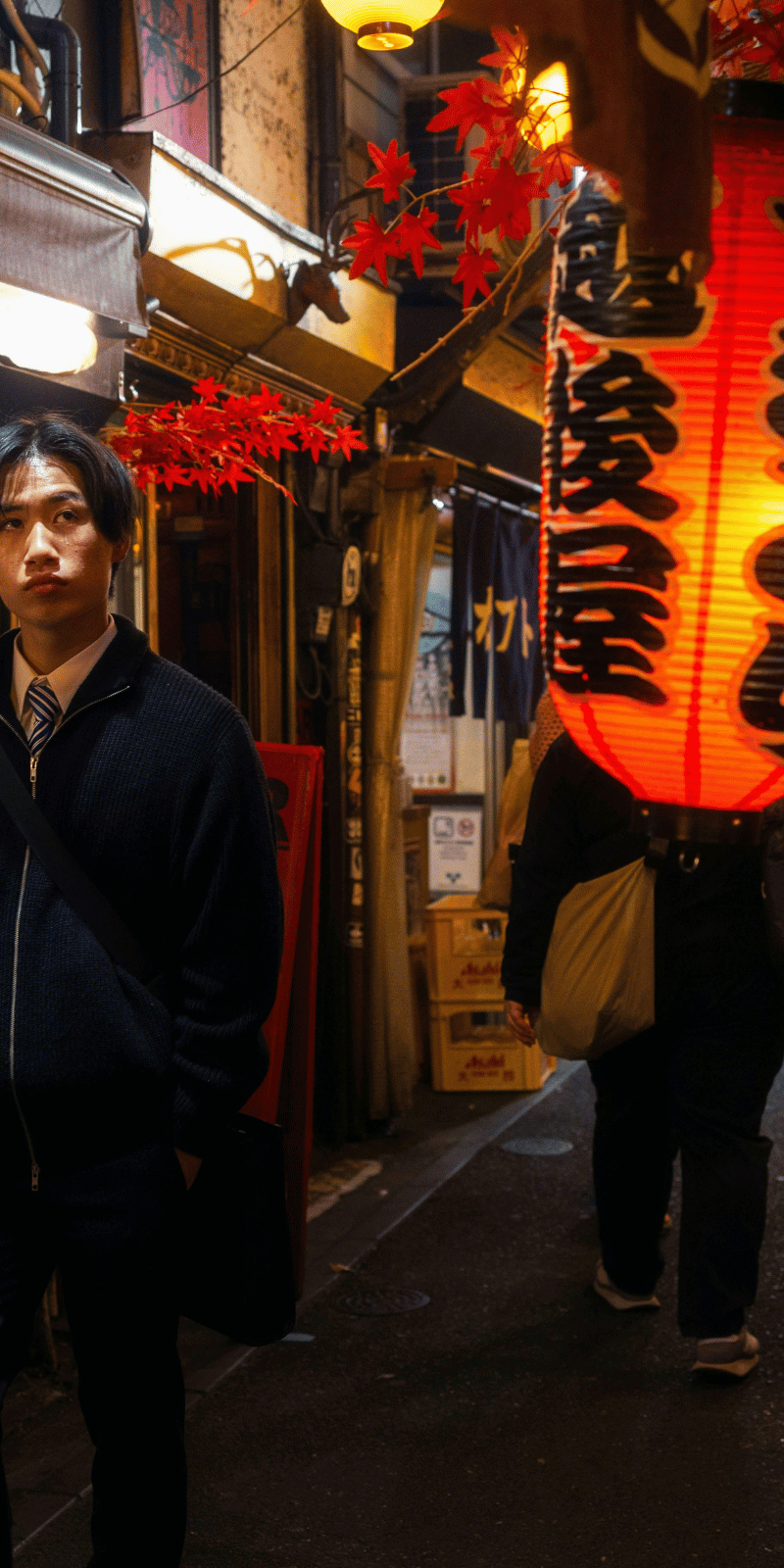
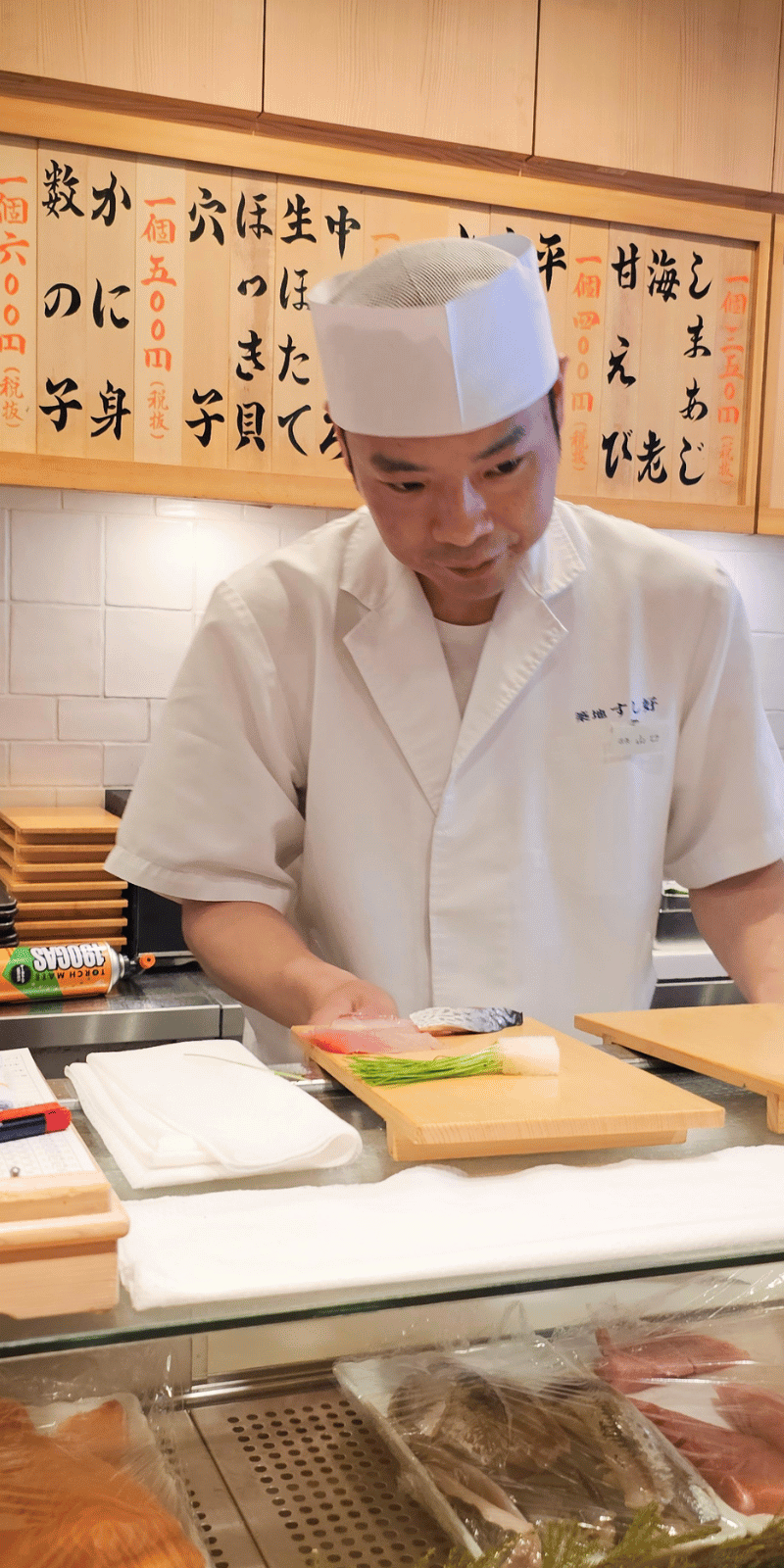
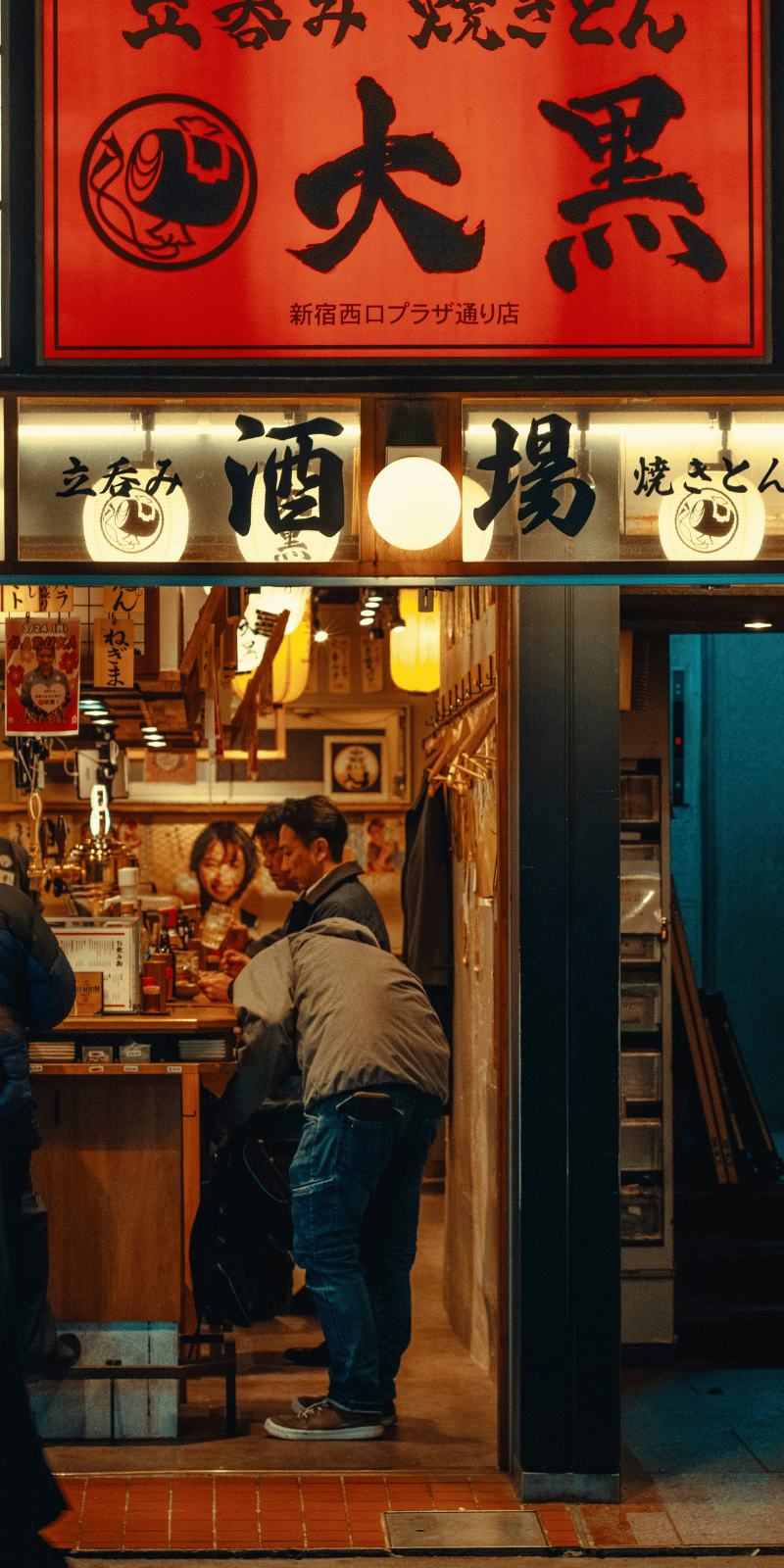
Dashi, miso, katsuobushi, soy. The world capital of umami, where centuries of ferment culture built depth without any need for heat.
04 The pantry
- Katsuobushi, shaved dried bonito that gives dashi its smoky depth
- Kombu, sun-dried kelp that carries the umami of the sea
- Shoyu, brewed soy sauce aged for years in cedar barrels
- Miso, fermented soybean paste in red, white and country styles
- Wasabi, freshly grated horseradish from mountain streams
05 In the kitchen
- Steeping dashi from kombu and katsuobushi in careful stages
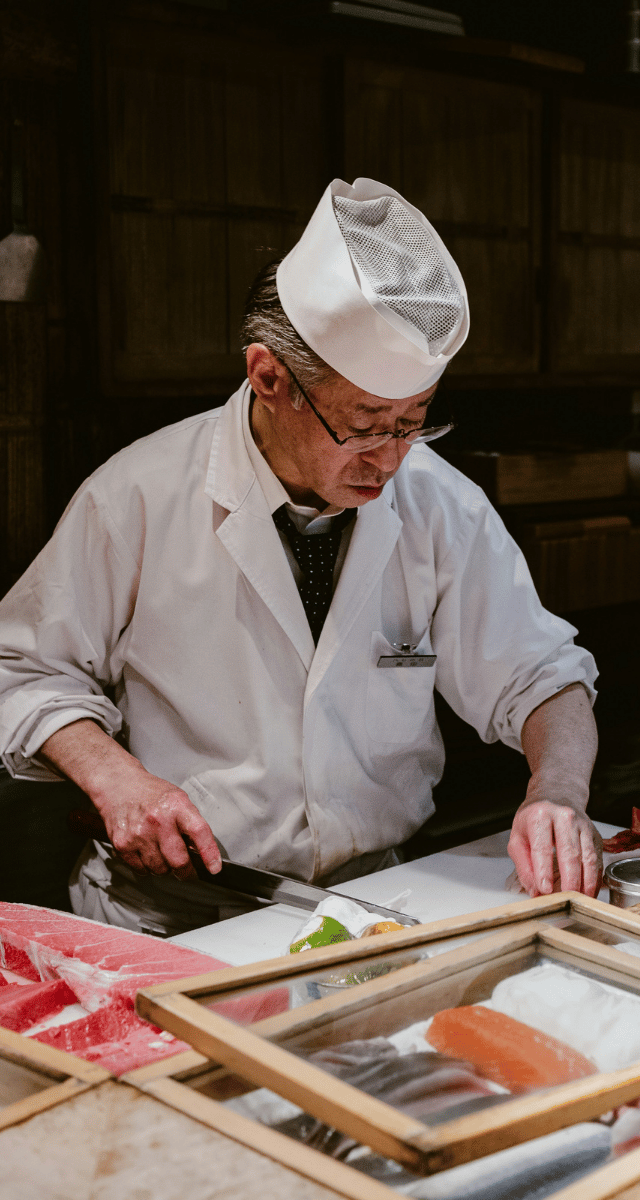
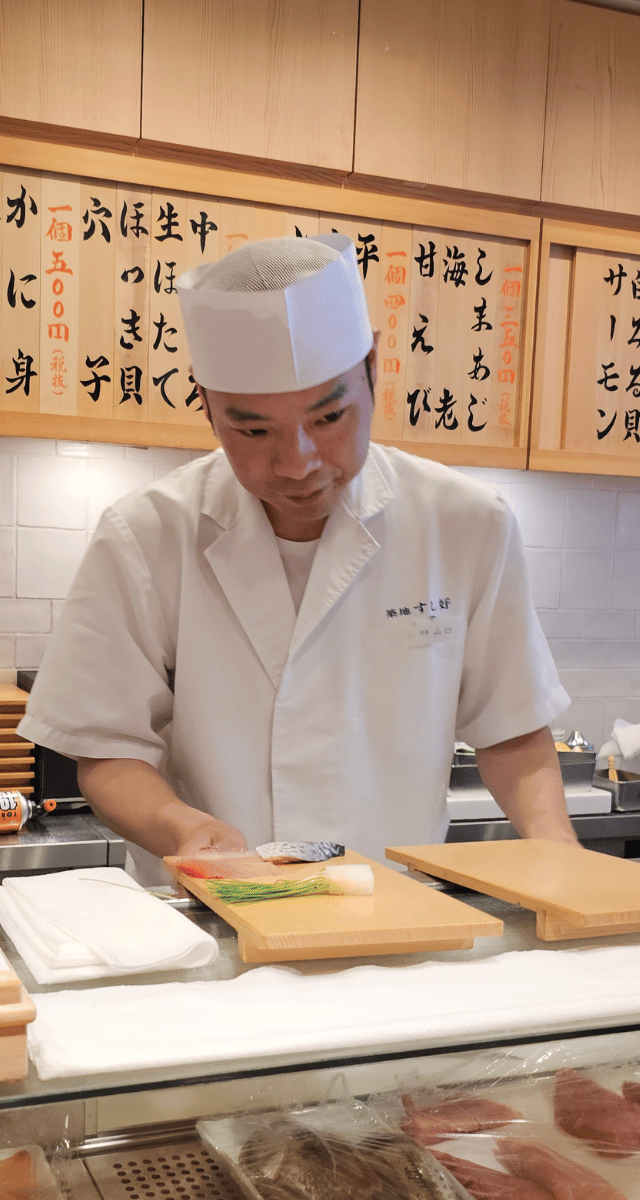
- Slicing sashimi with a single-bevel yanagiba knife
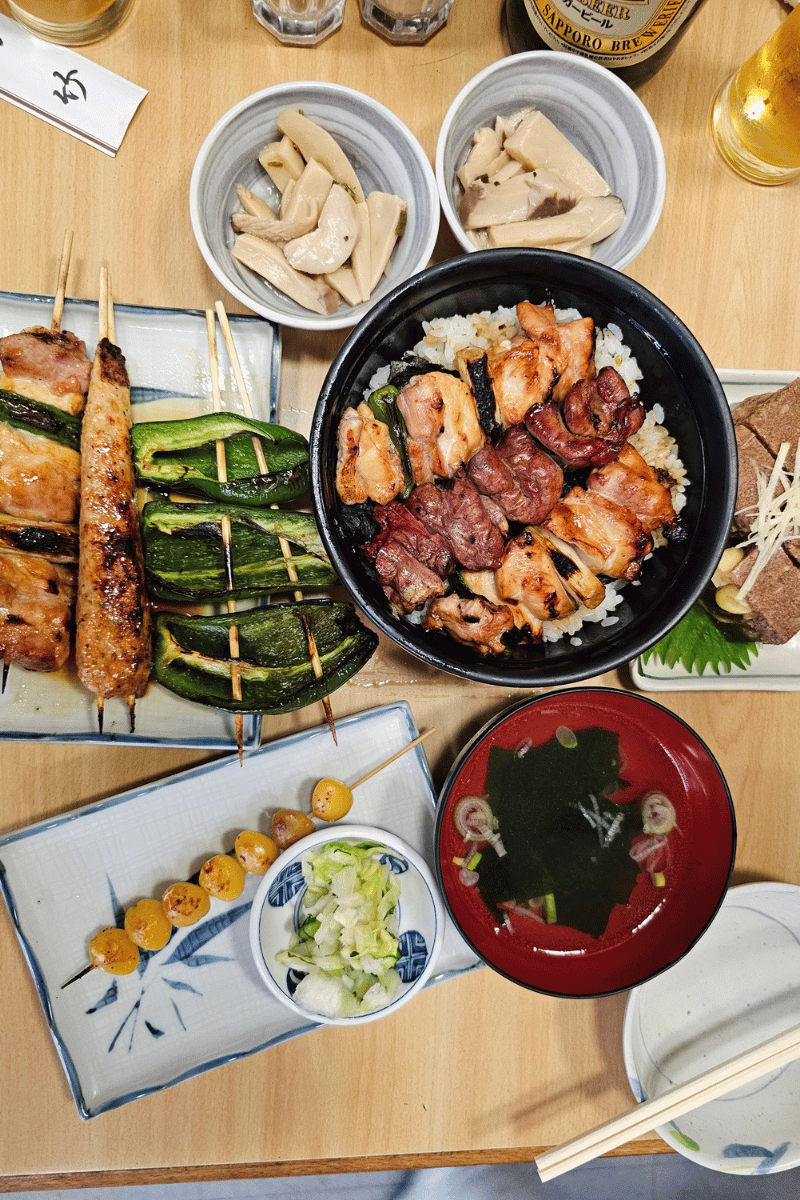
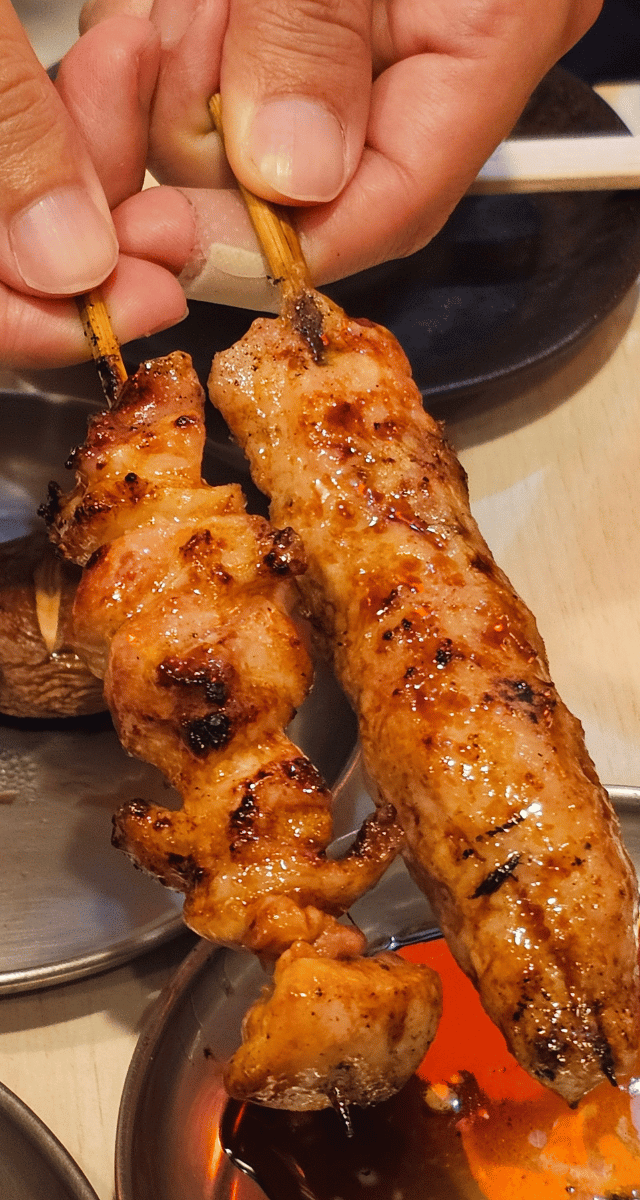
- Grilling yakitori skewers over binchotan charcoal at low heat
- Fermenting rice and koji into miso and shoyu over years
- Frying tempura in ice-cold batter for a lace-thin crust
06 Eat this first
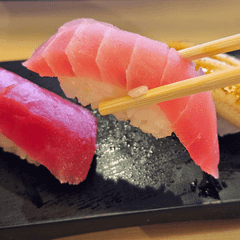
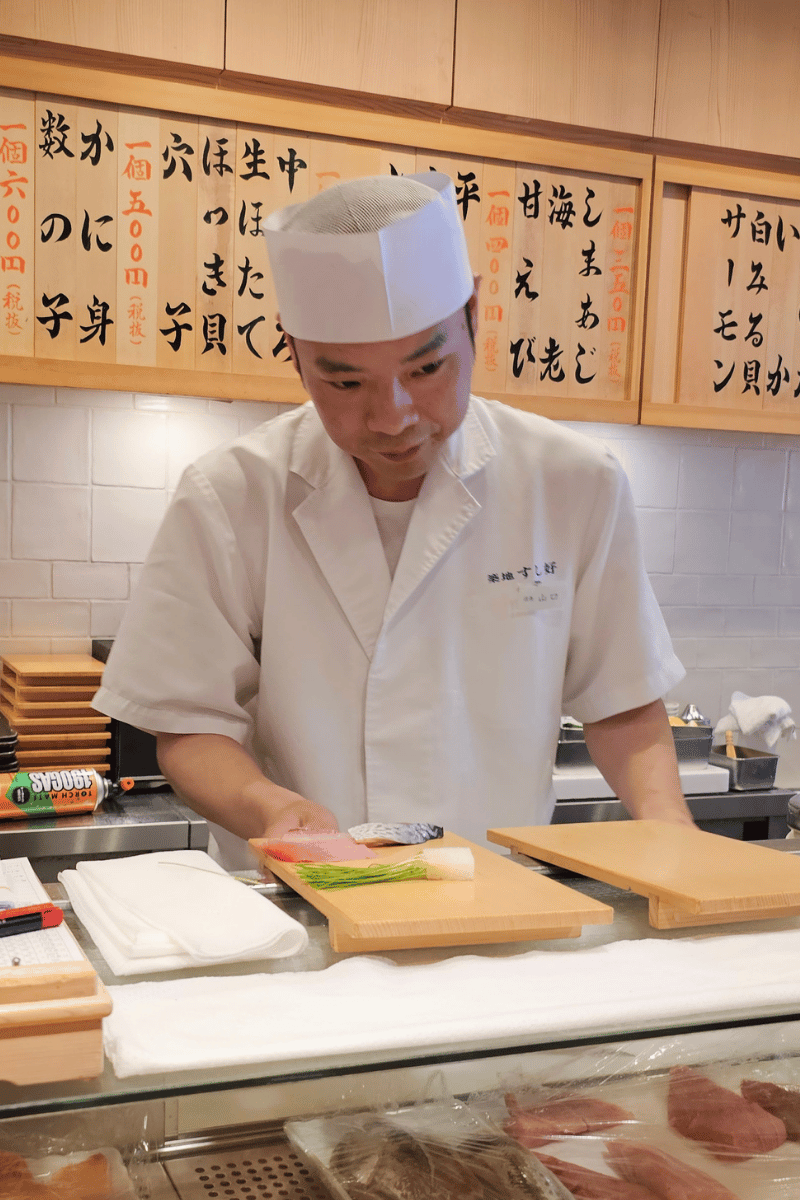
- Sushi, hand-pressed at a Tsukiji counter with fish from that morning
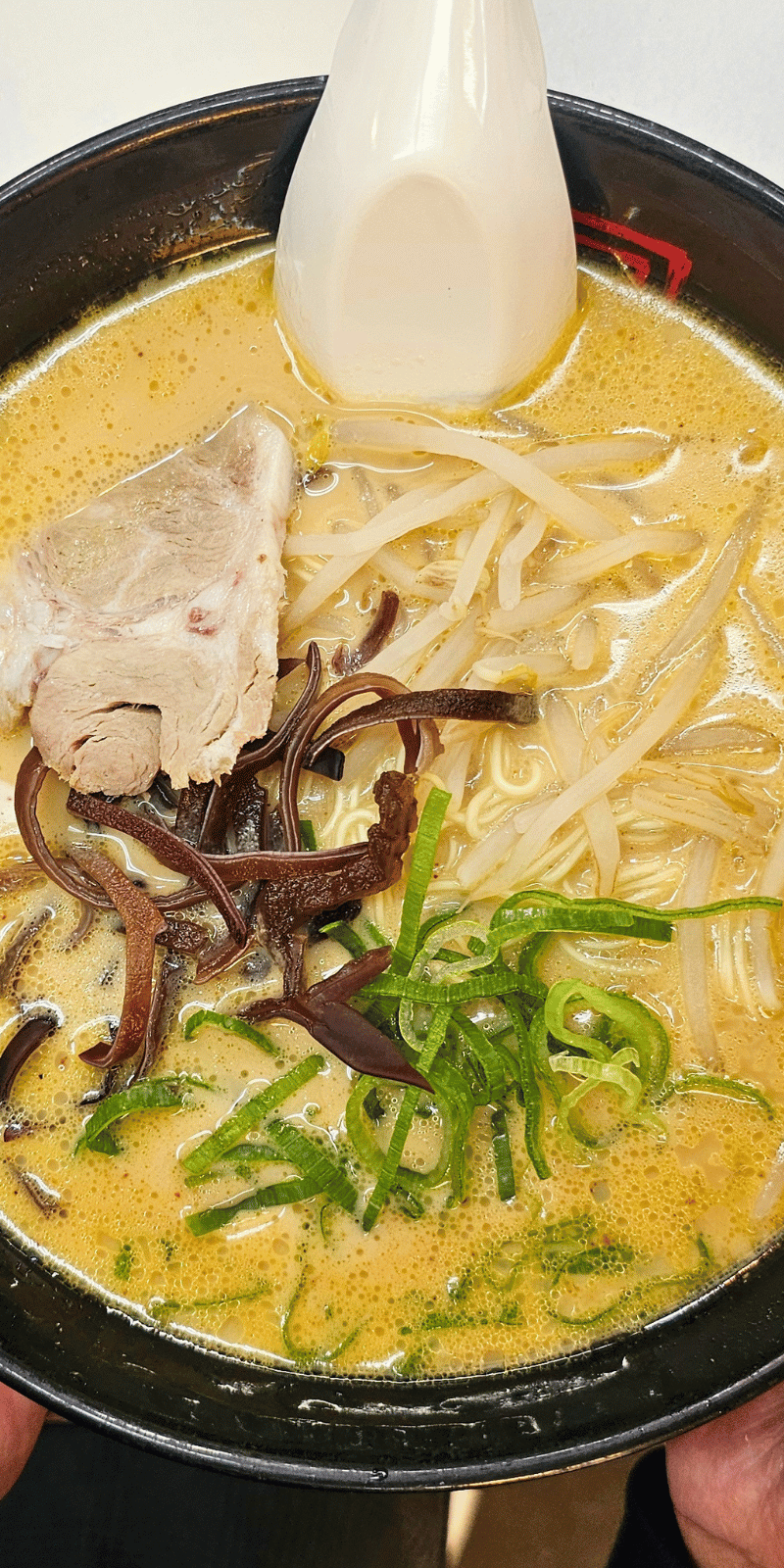
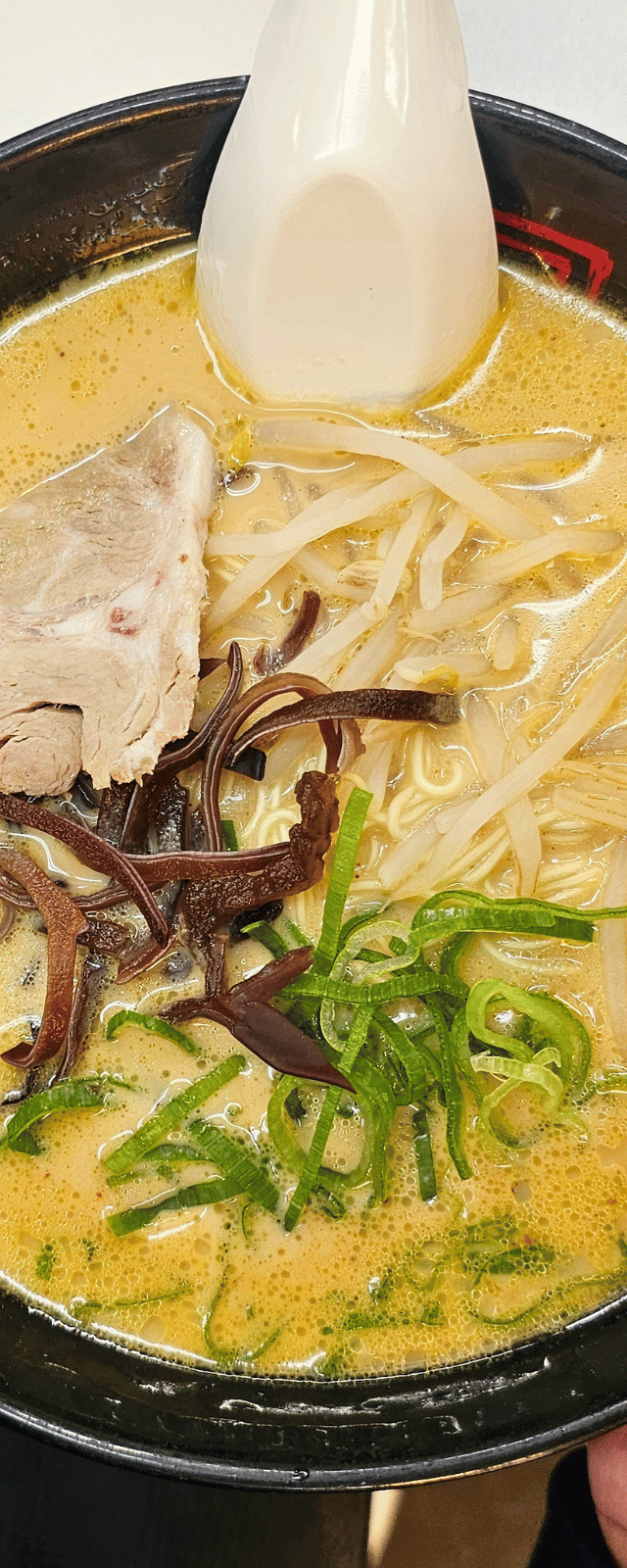
- Ramen, whatever regional style is on the day's rotation
- Tempura, prawns and seasonal vegetables in an air-light batter
- Unagi don, grilled freshwater eel over rice with sweet tare glaze
- Monjayaki, downtown Tokyo's runny street-style okonomiyaki

What happens inside a hammam kitchen
A morning with the cooks who feed the neighbourhood before dawn. Charcoal, dough, the smell of a bakery working its second oven.
10 Field Notes
Quick field notes to help you get accustomed to Tokyo.
Weather
Four seasons. Hot, humid summers (32°C-plus) with typhoon risk in September, cold, dry winters (5–10°C), spectacular cherry blossoms in late March, and crisp autumns in November.
Currency
The Japanese yen (JPY). Cards more accepted than in the rest of Japan but cash is still needed in smaller shops. IC cards (Suica, Pasmo) cover trains, buses, taxis, and convenience stores.
Language
Japanese. English is more common than elsewhere in Japan but staff often prefer to use apps or gestures. Signage on trains and at major sights is bilingual.
Etiquette
Quiet on trains (no calls, no music leaking from earbuds); remove shoes when entering homes and some restaurants. Tipping is not done. Queue for everything.
Getting around
The trains and subway are dense, punctual, and easy. Download the IC card to your phone before you land. Taxis are expensive but immaculate, walking is a joy in most neighbourhoods.
Prayer
Buddhist and Shinto rhythms mark the calendar with festivals throughout the year. Sensoji, Meiji Jingu, and hundreds of smaller shrines are all open to respectful visitors.