
01 Food tours
Original food tours, curated with our local tastemakers to showcase the neighbourhood kitchens, markets and family-run eateries that define Osaka.
Kuromon Kitchens
Osaka
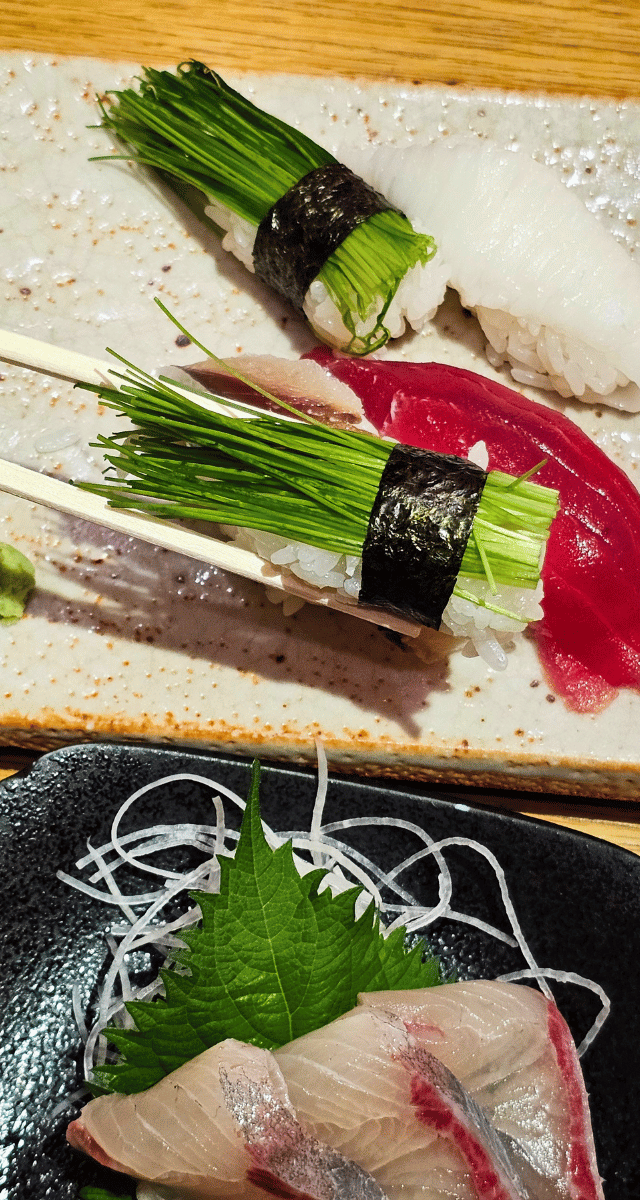
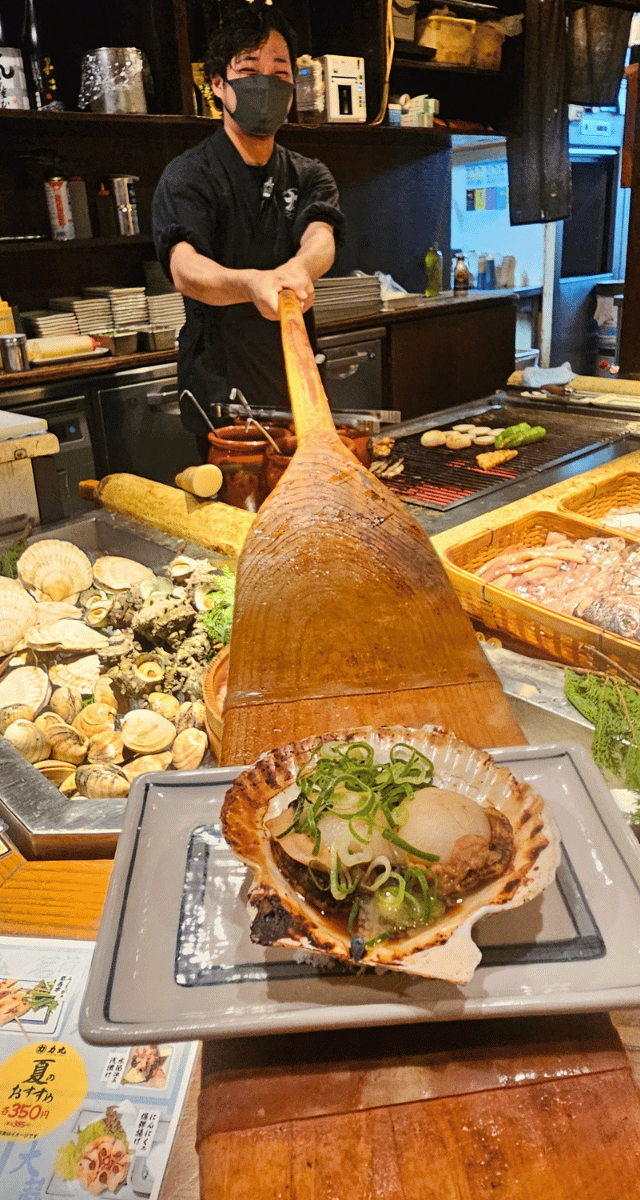
A curated food tour through the streets, markets and family kitchens of the destination — flavour by flavour.
Osaka Eats
Osaka
A curated food tour through the streets, markets and family kitchens of the destination — flavour by flavour.
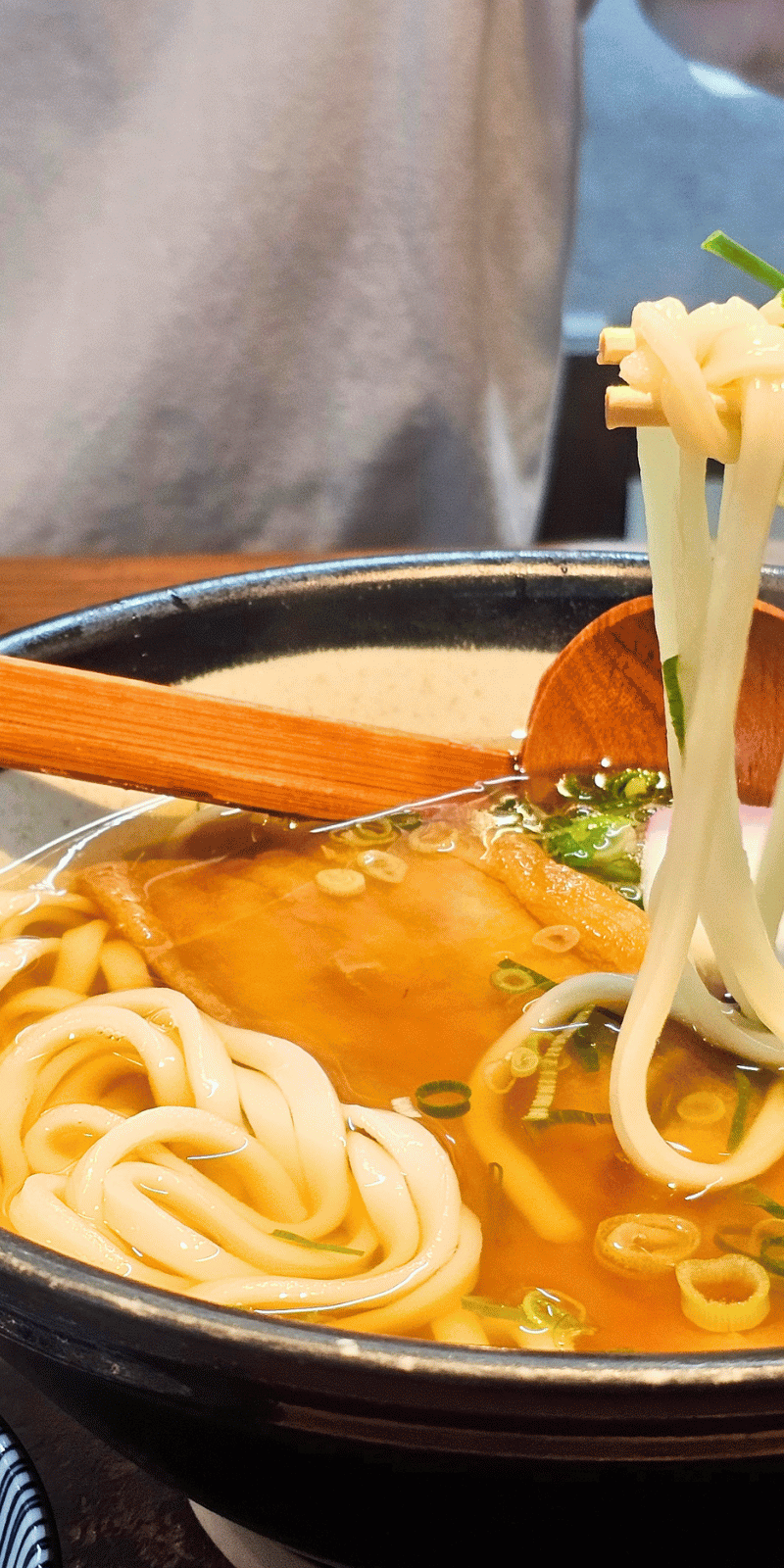
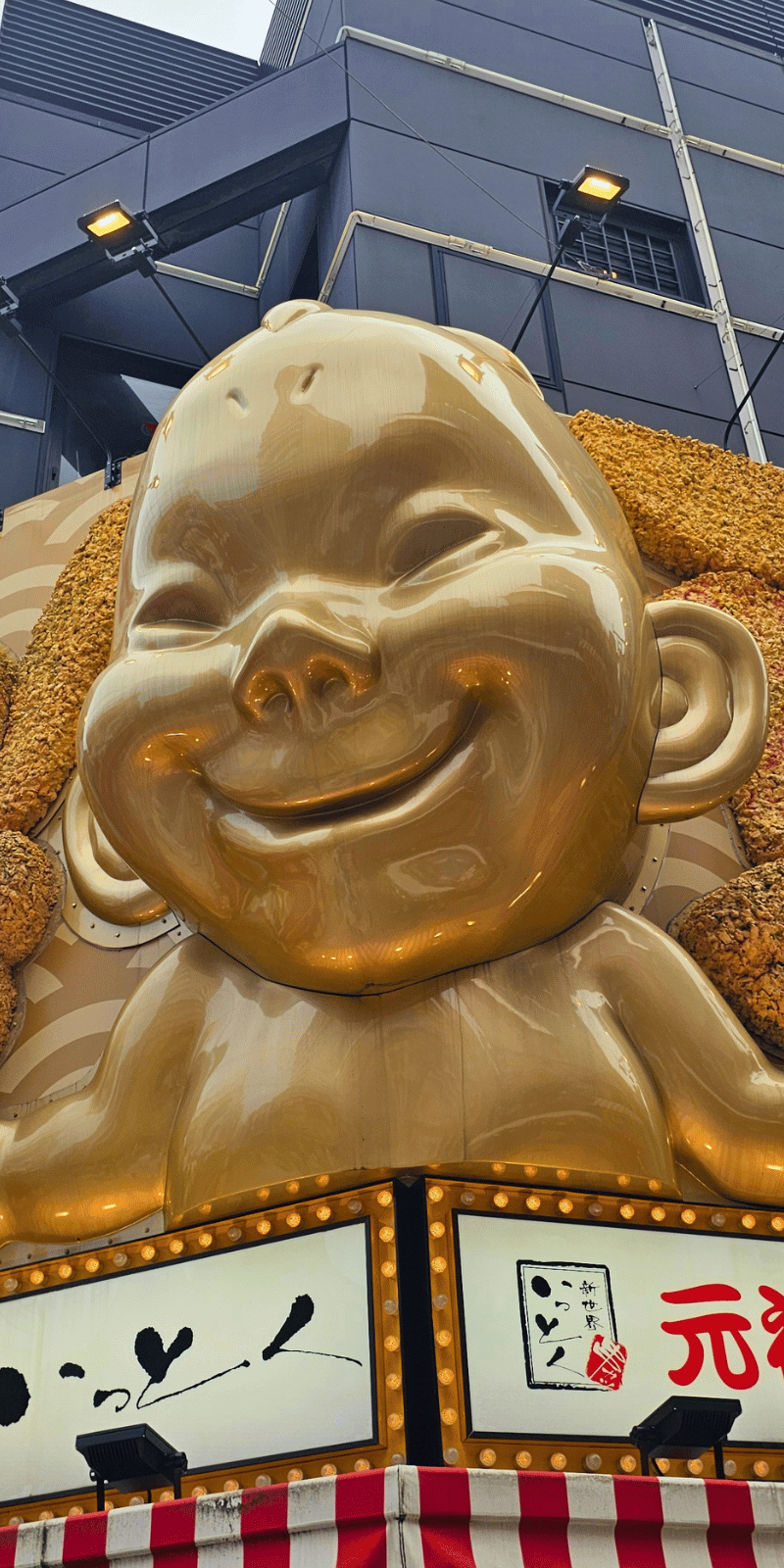
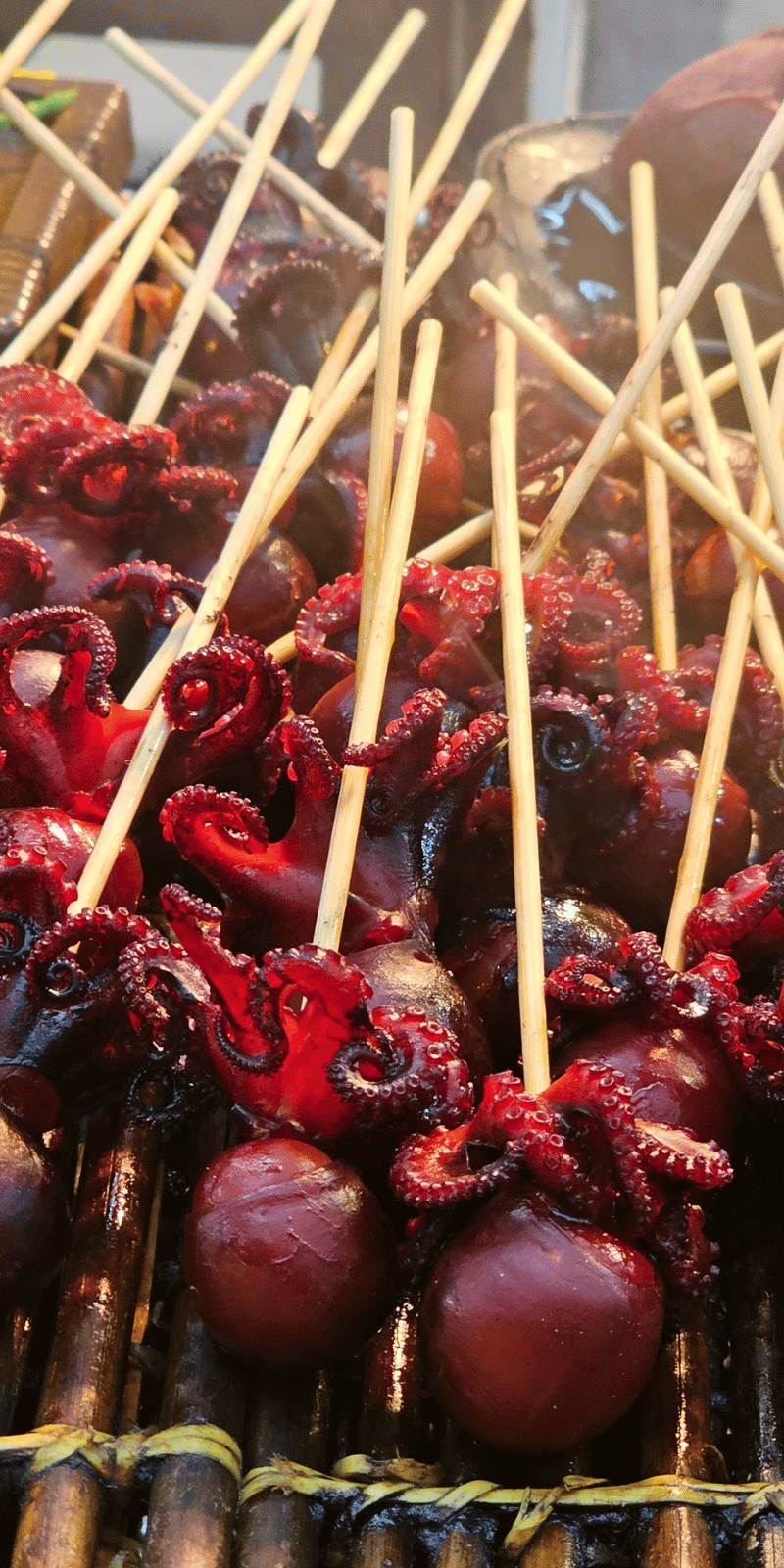
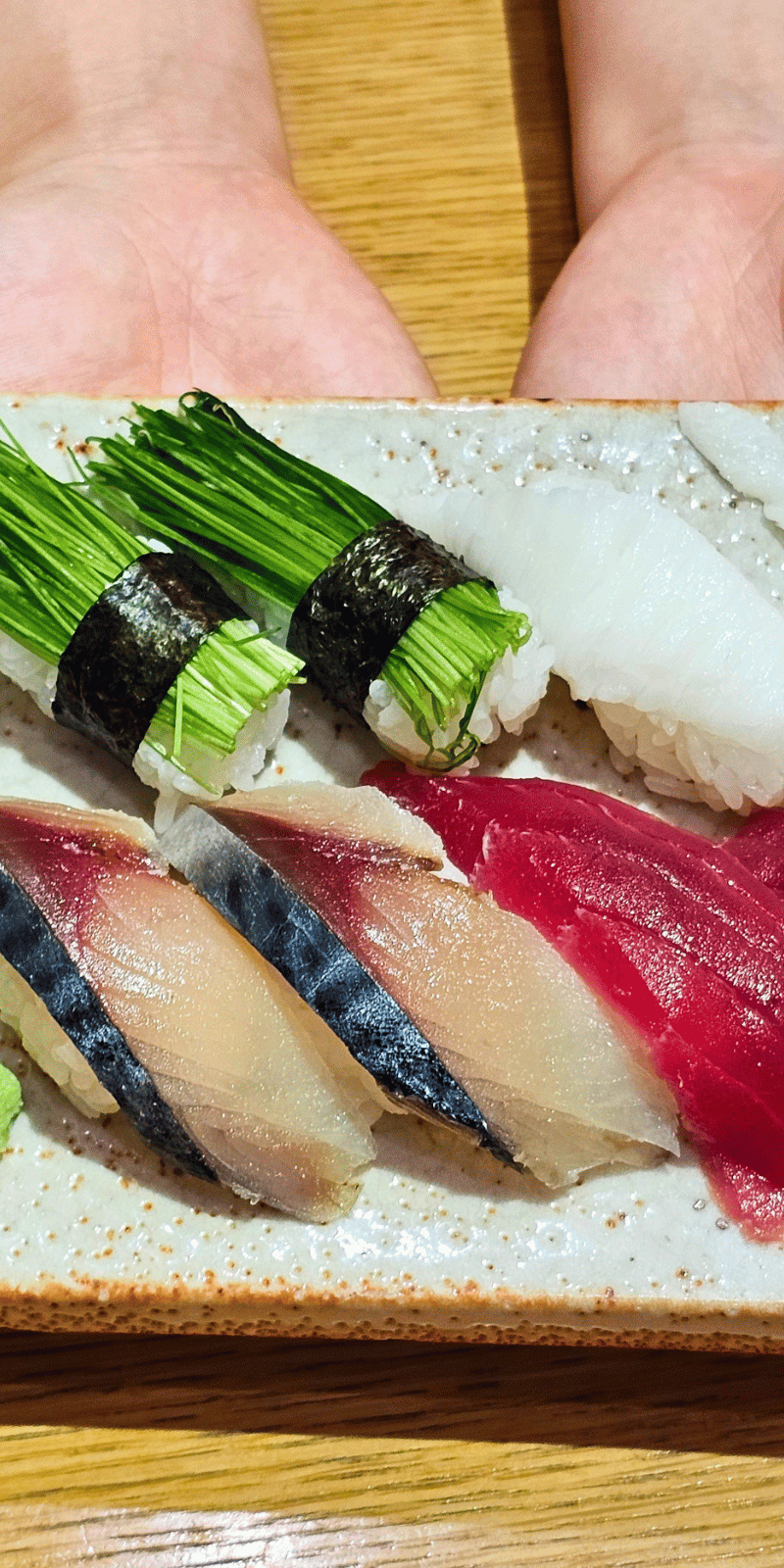
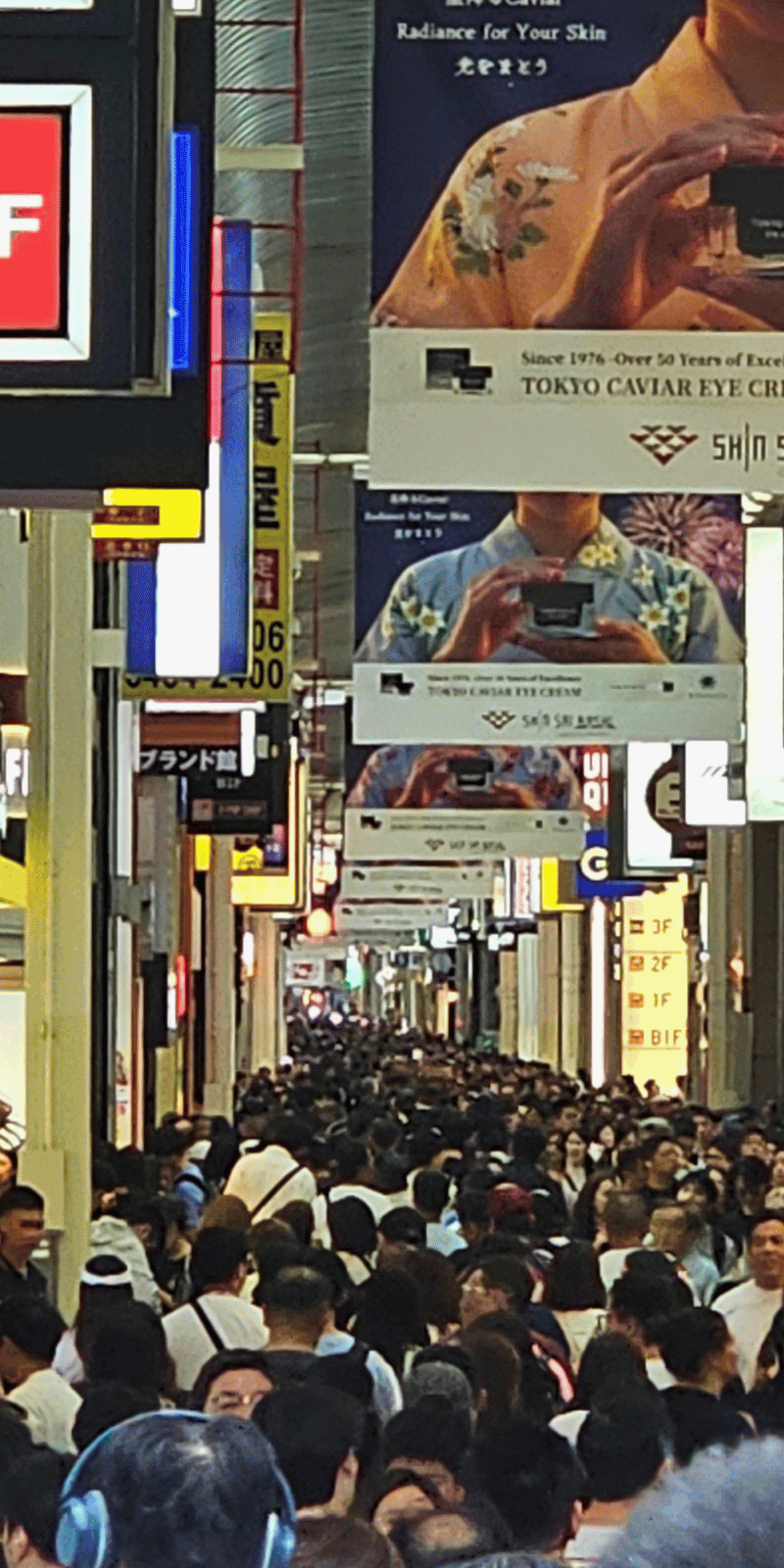
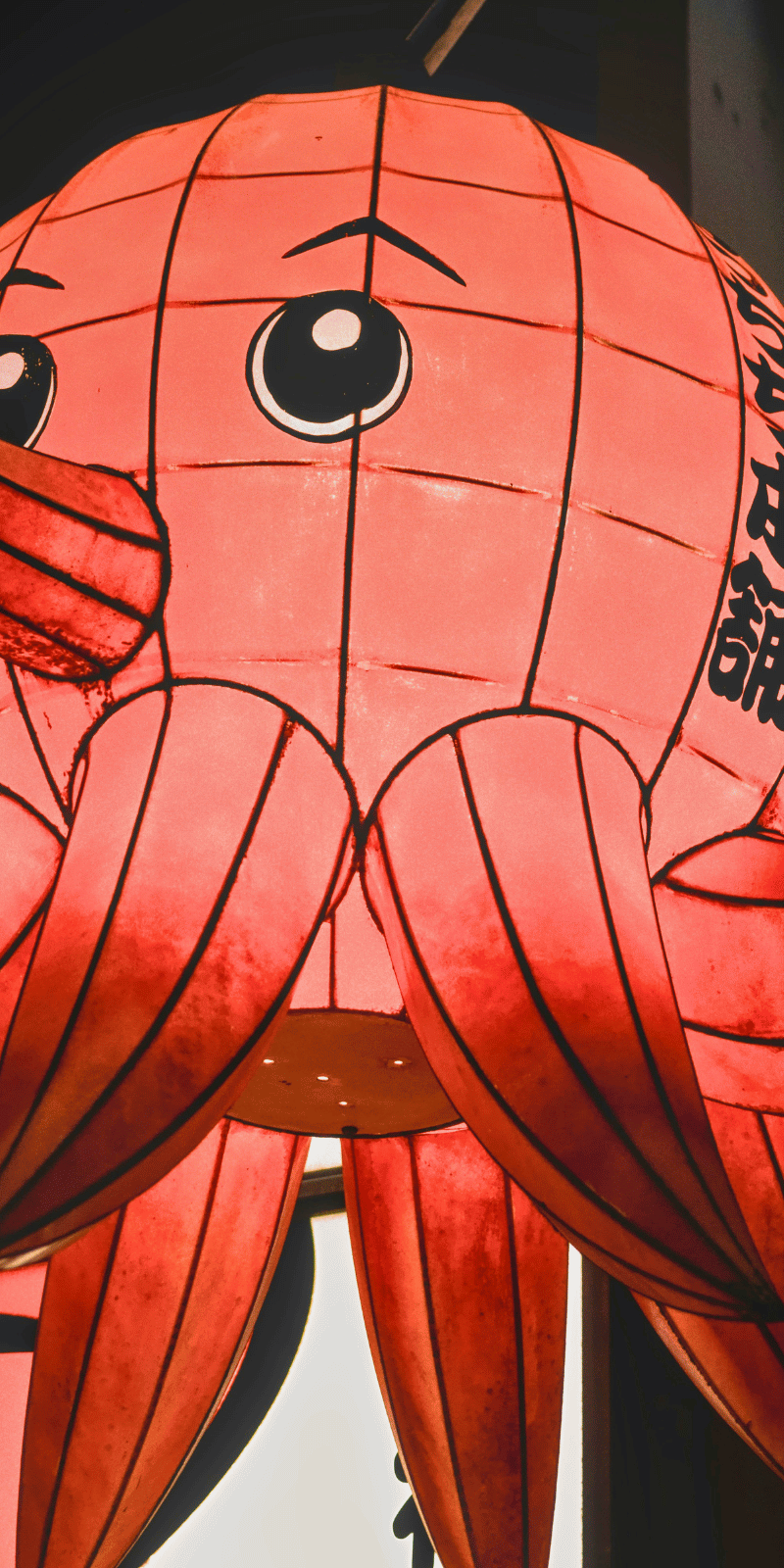
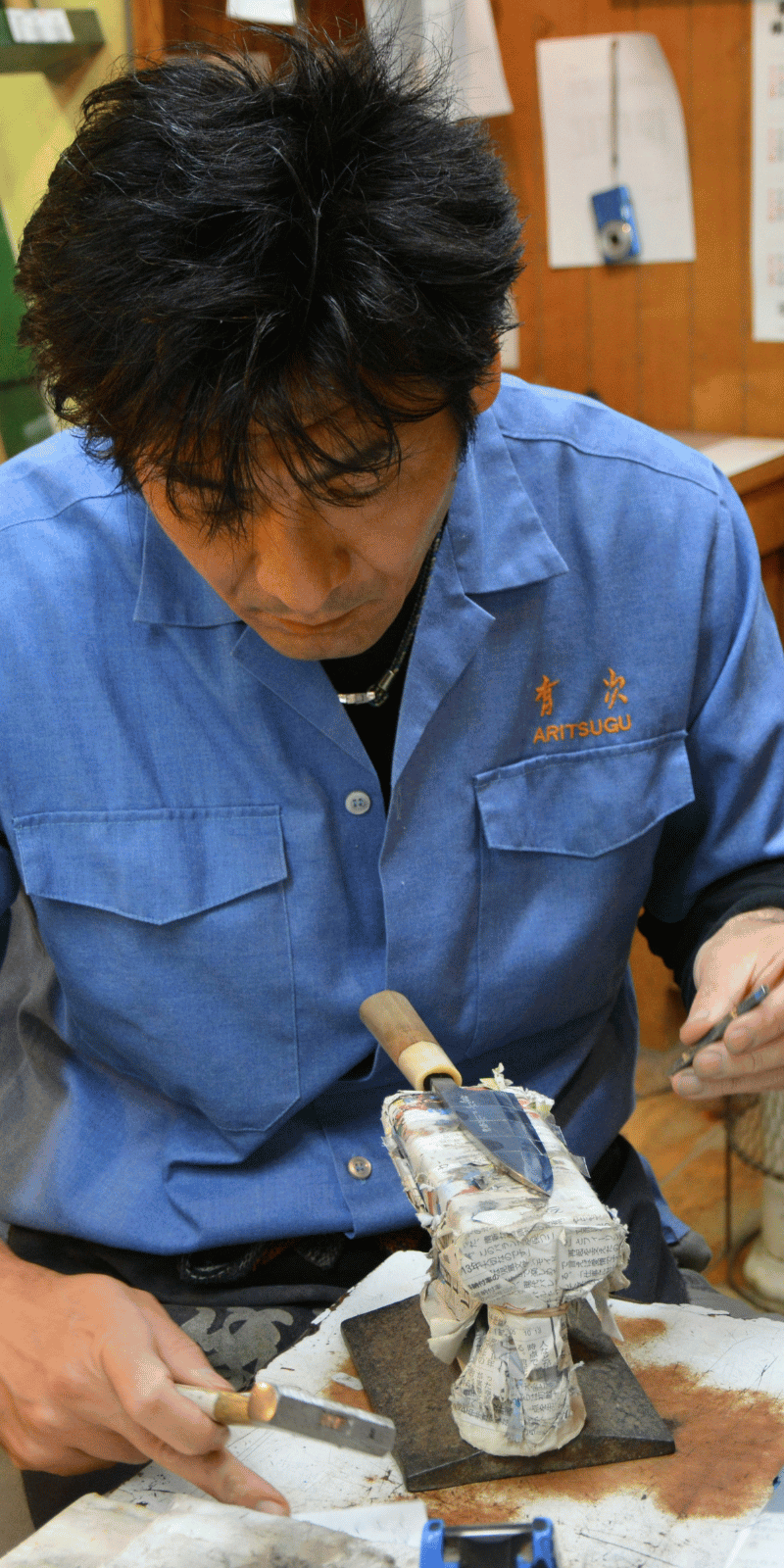
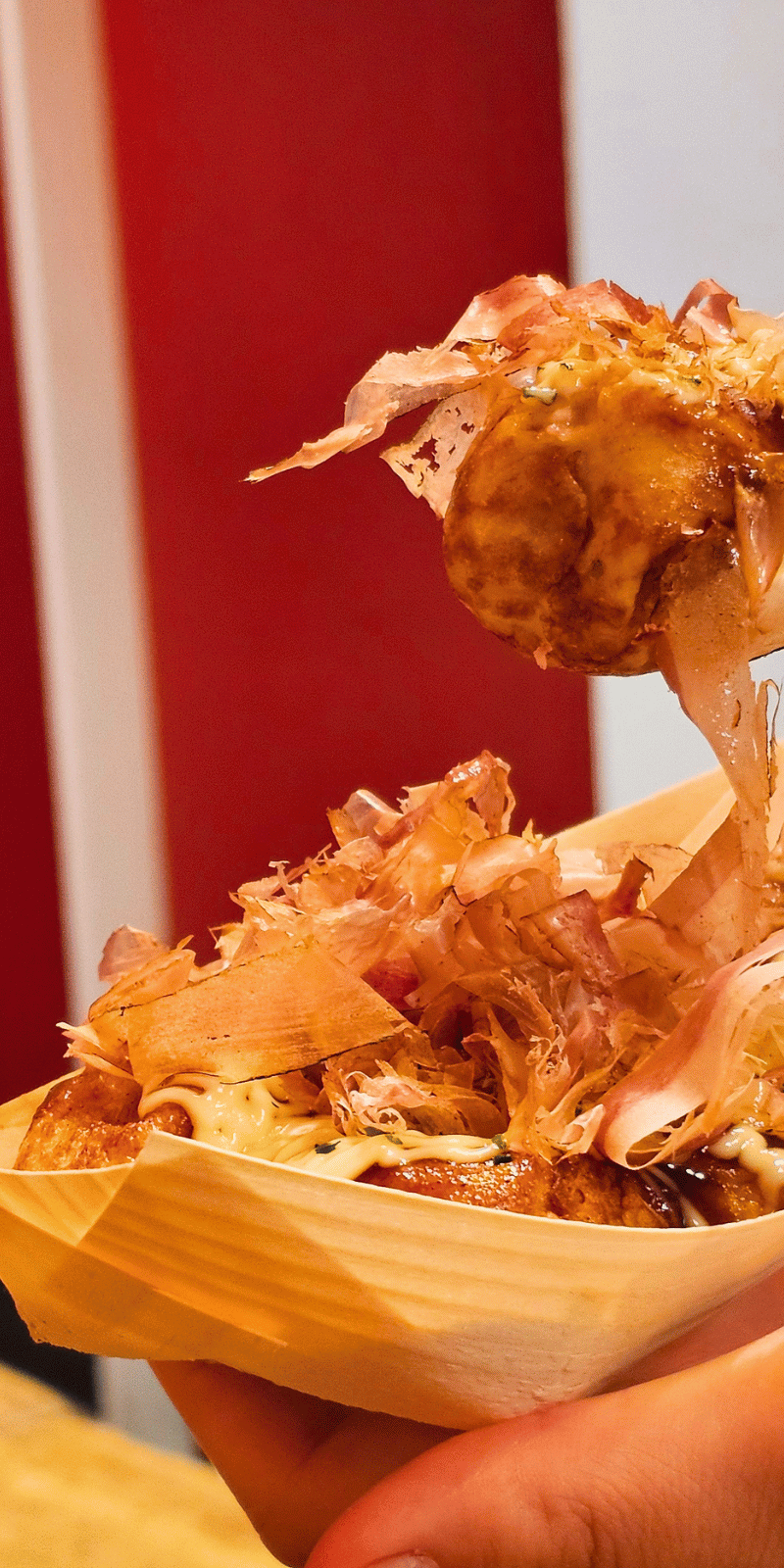
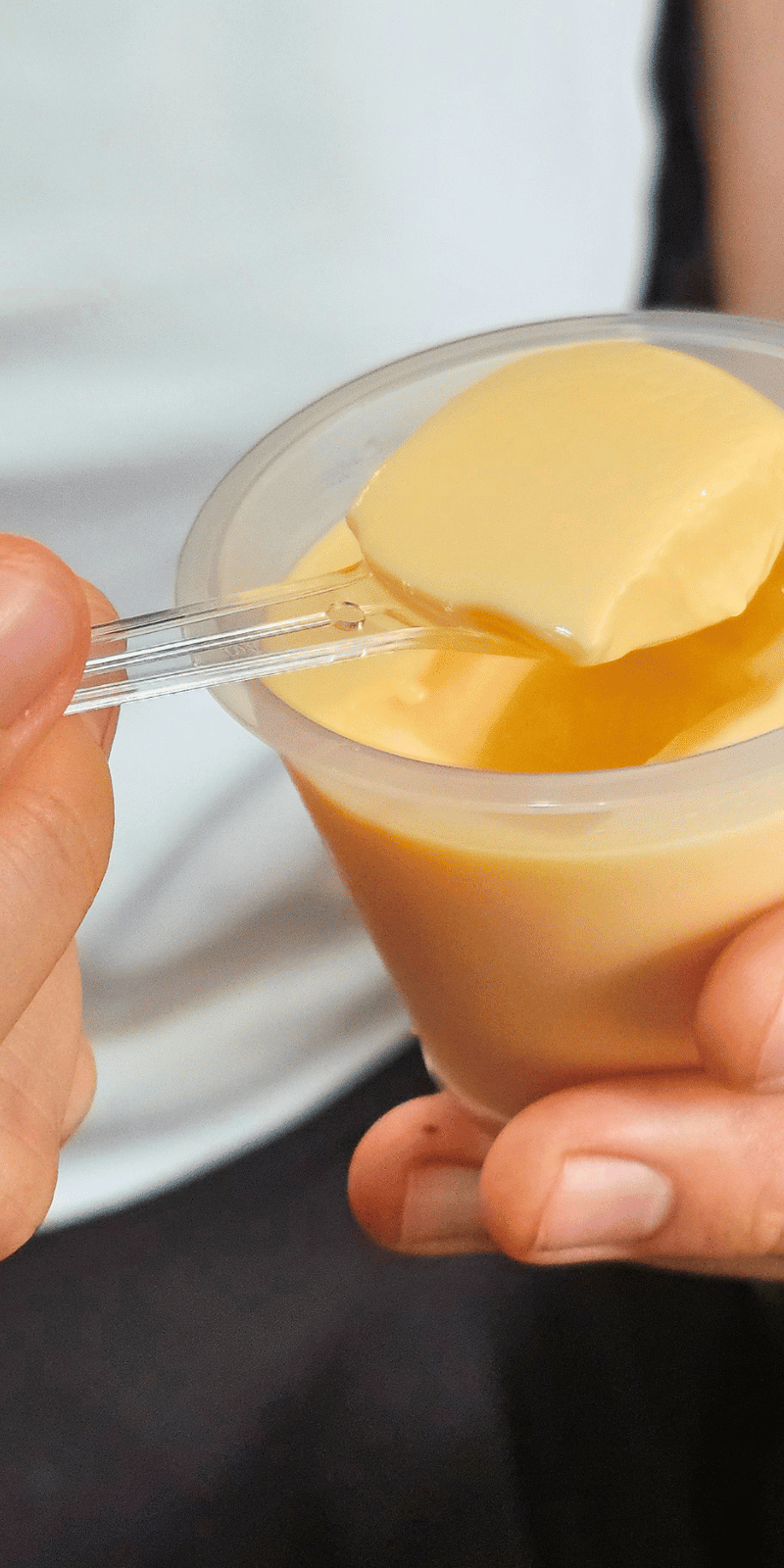
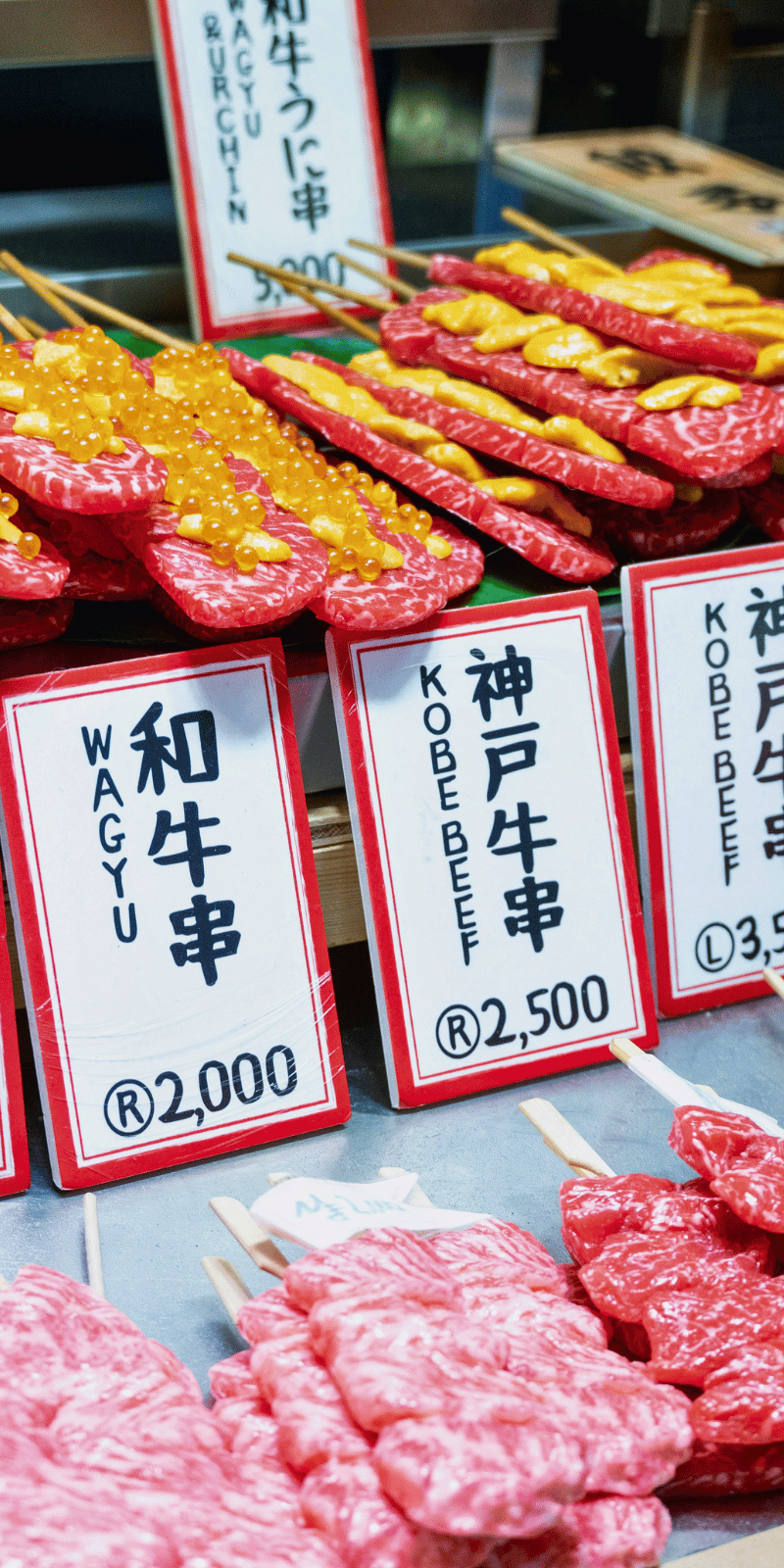
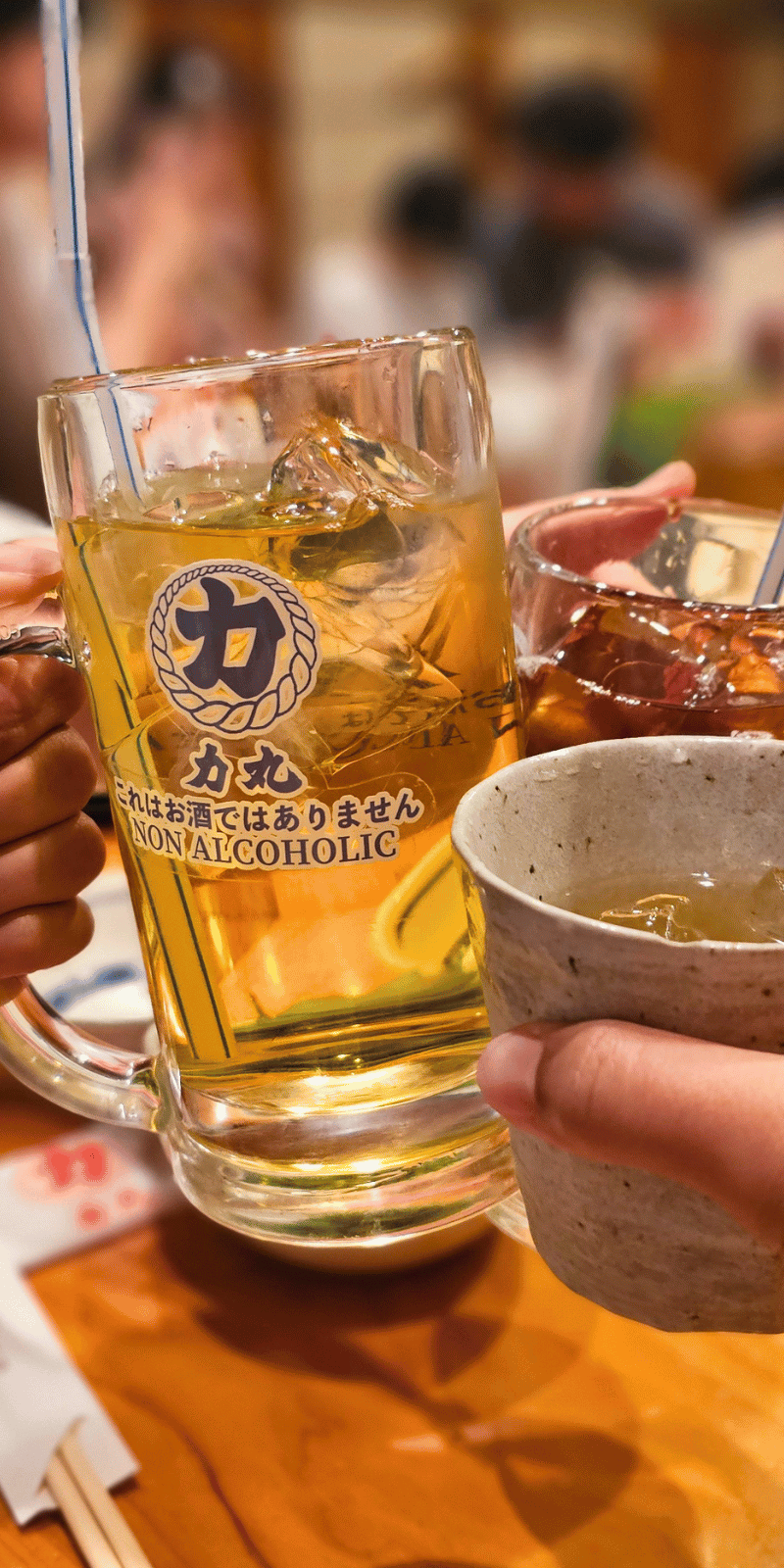
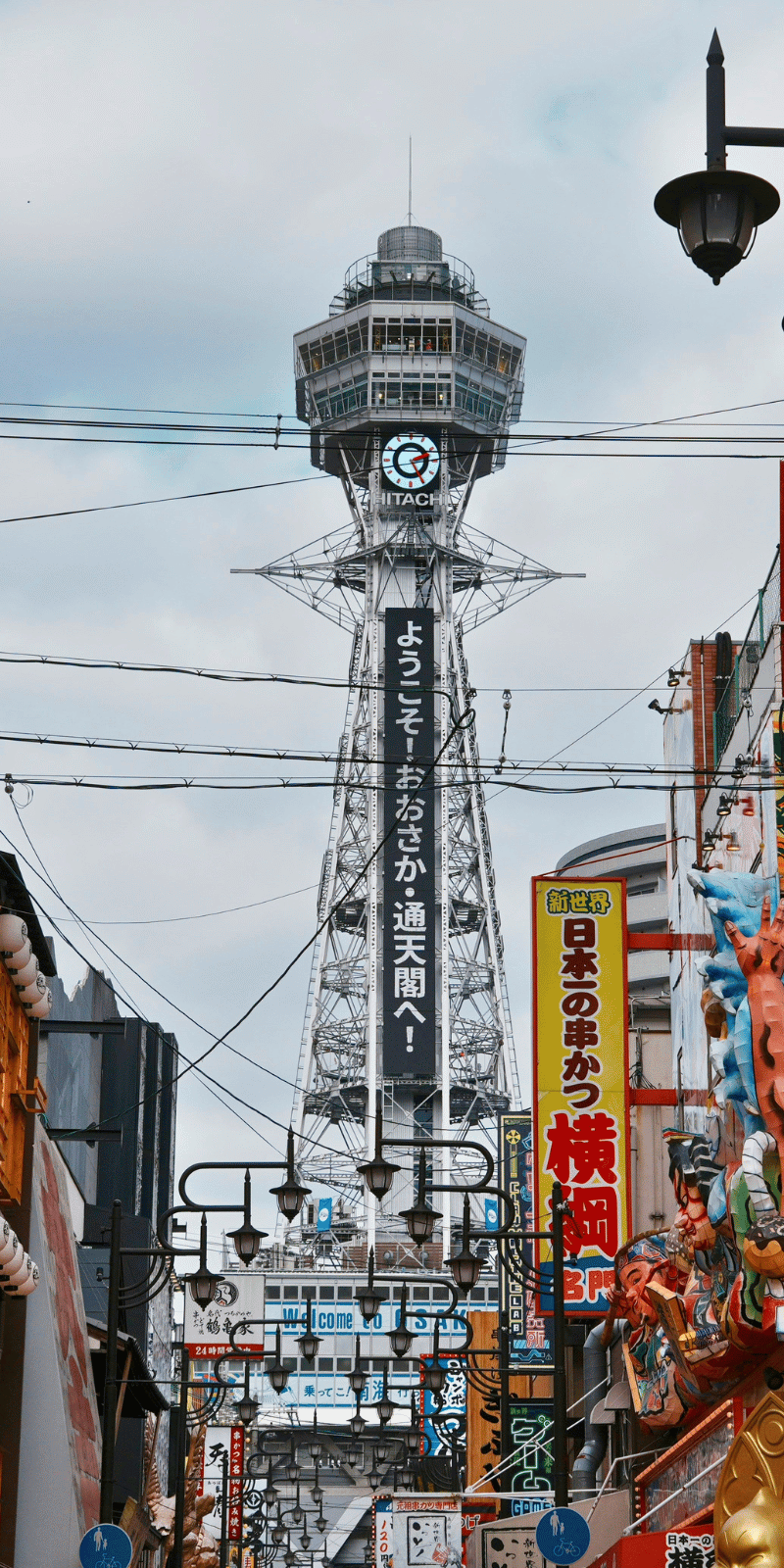
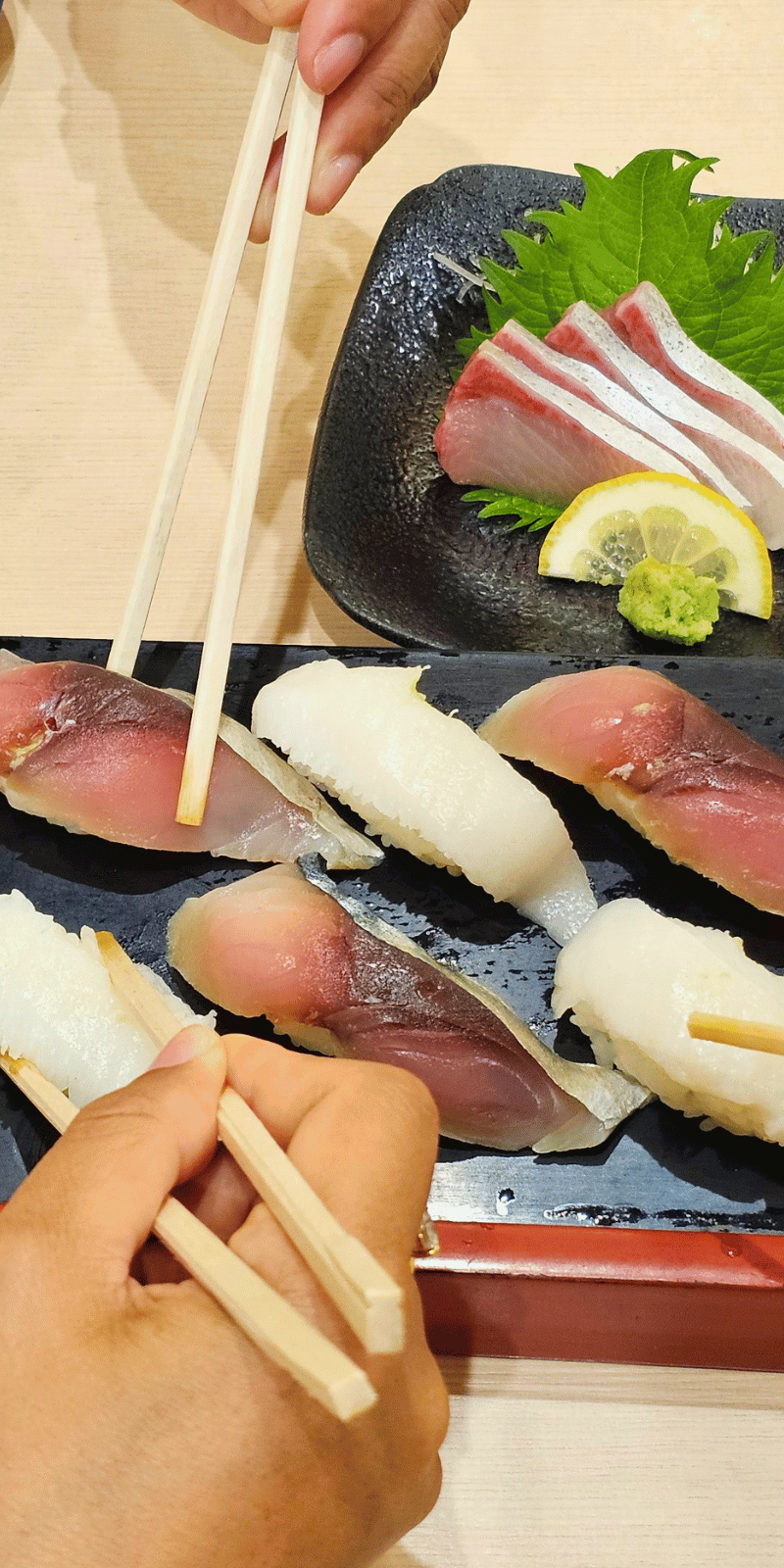
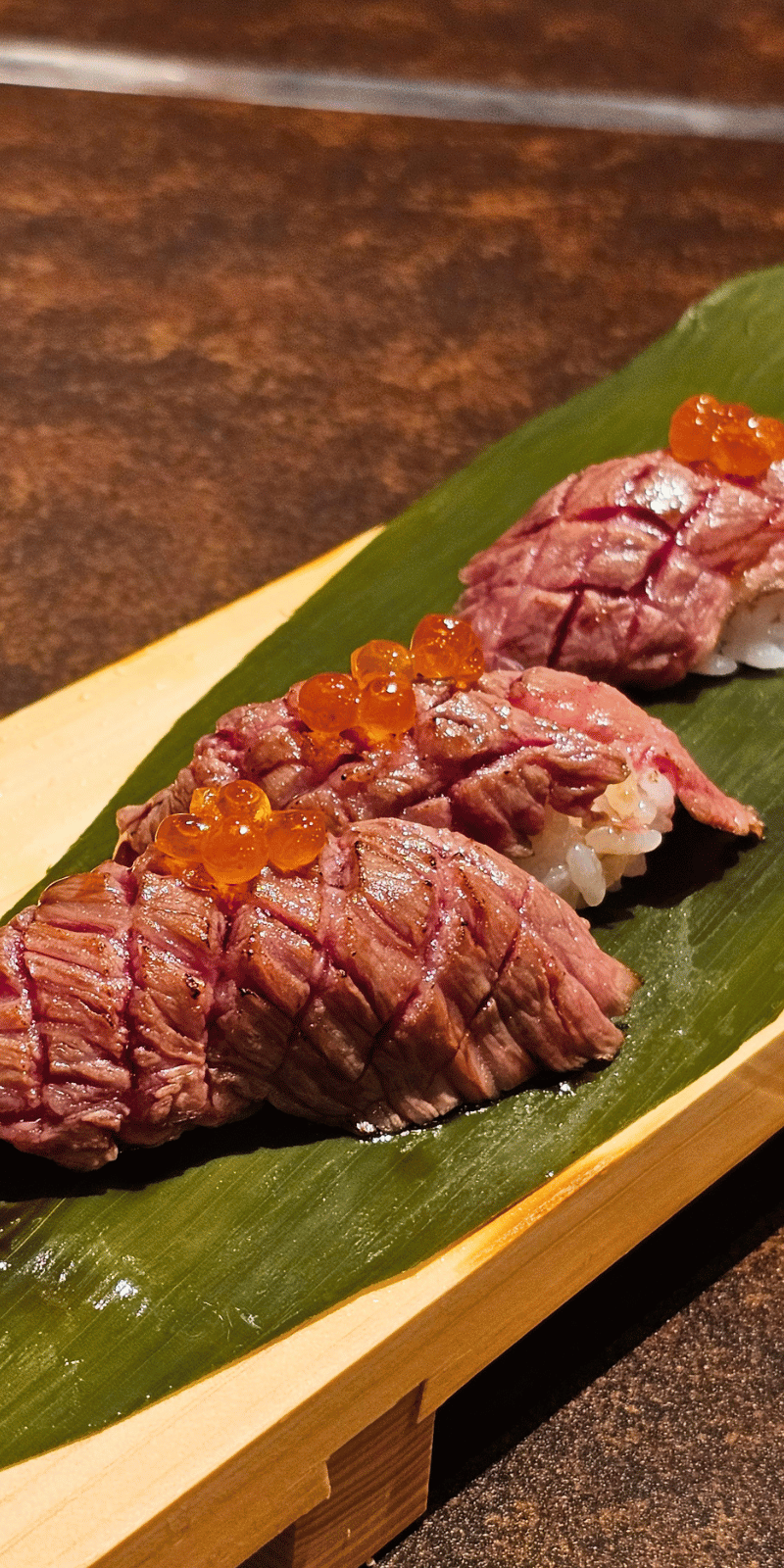
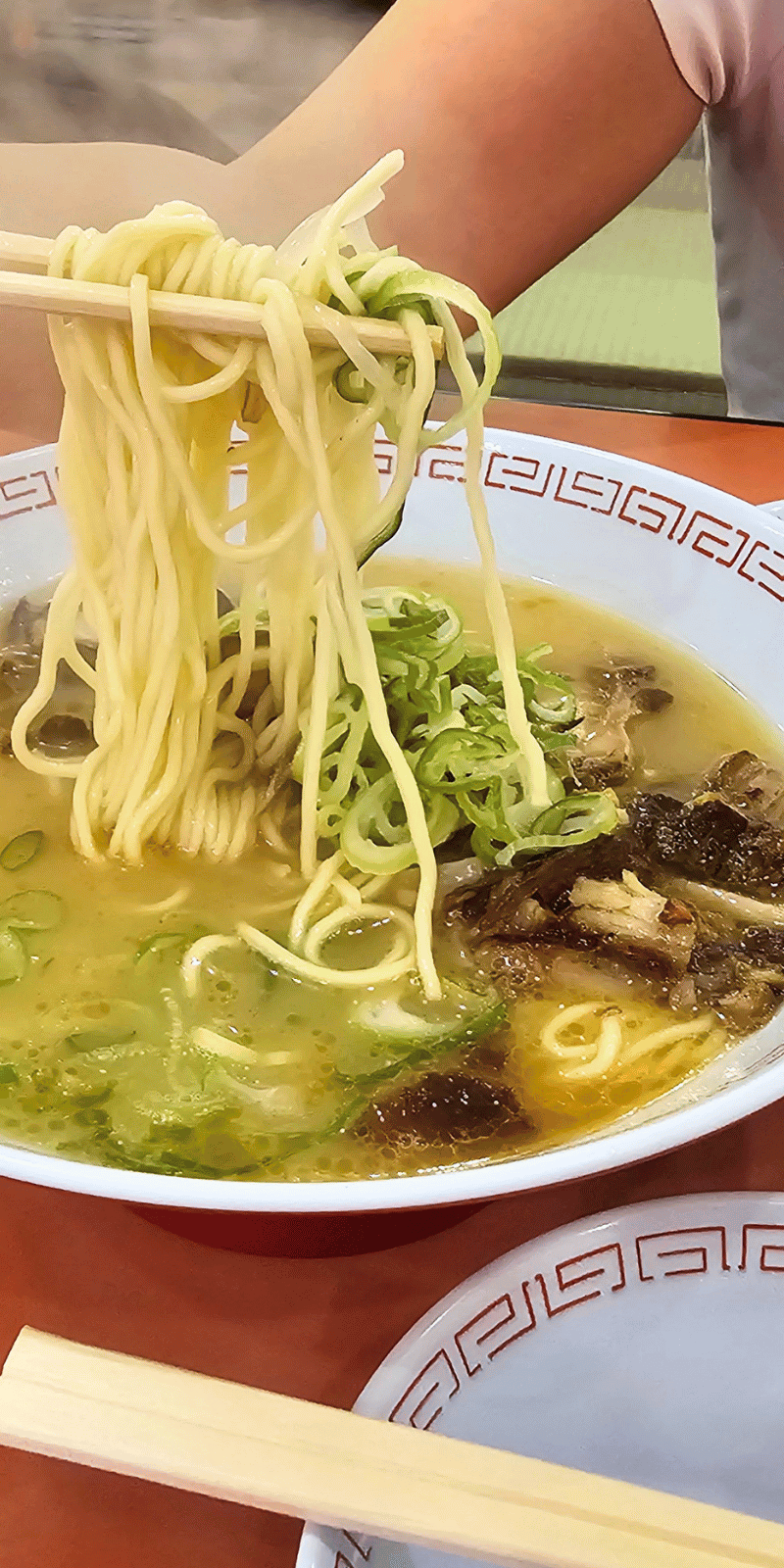
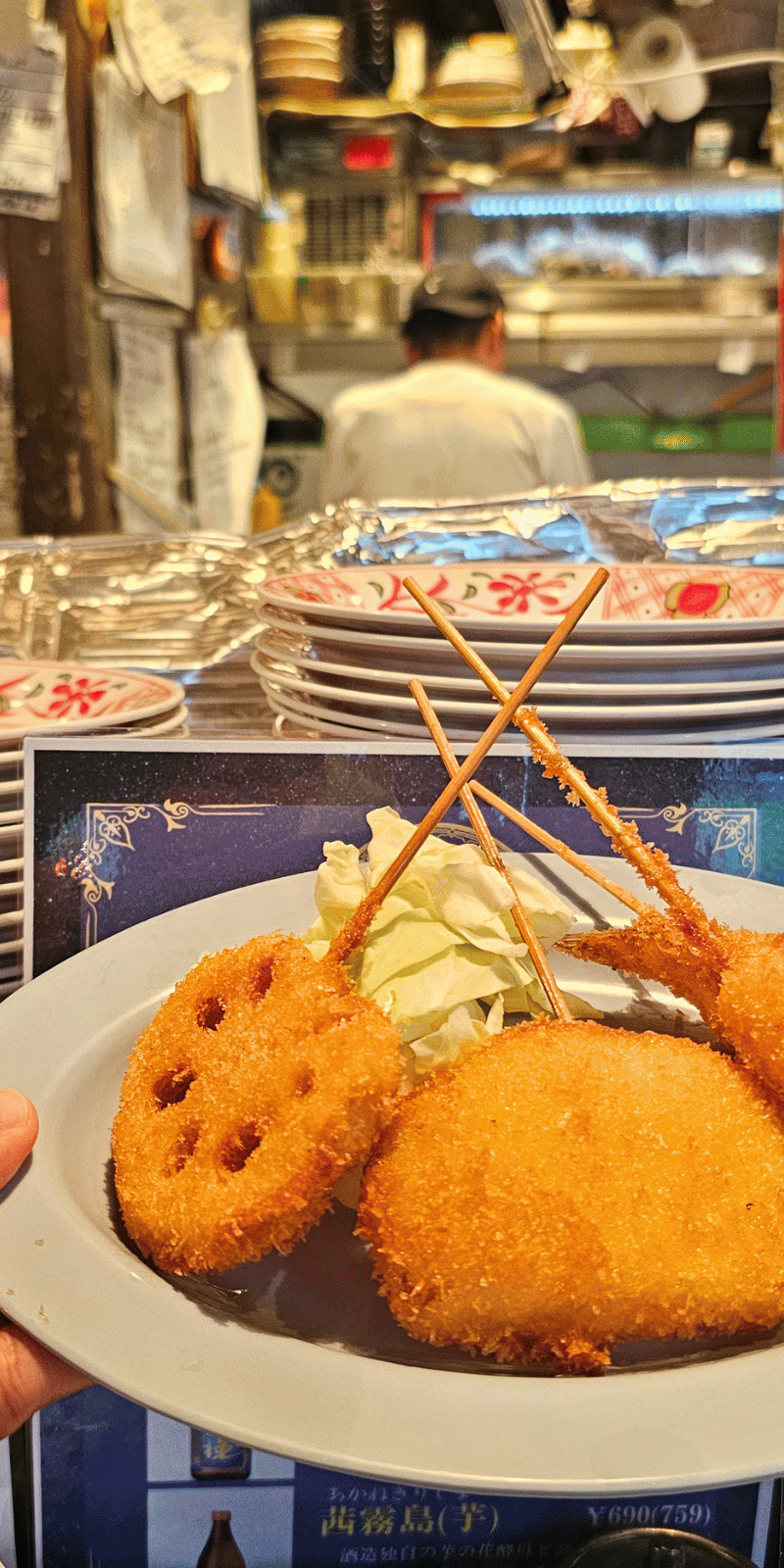
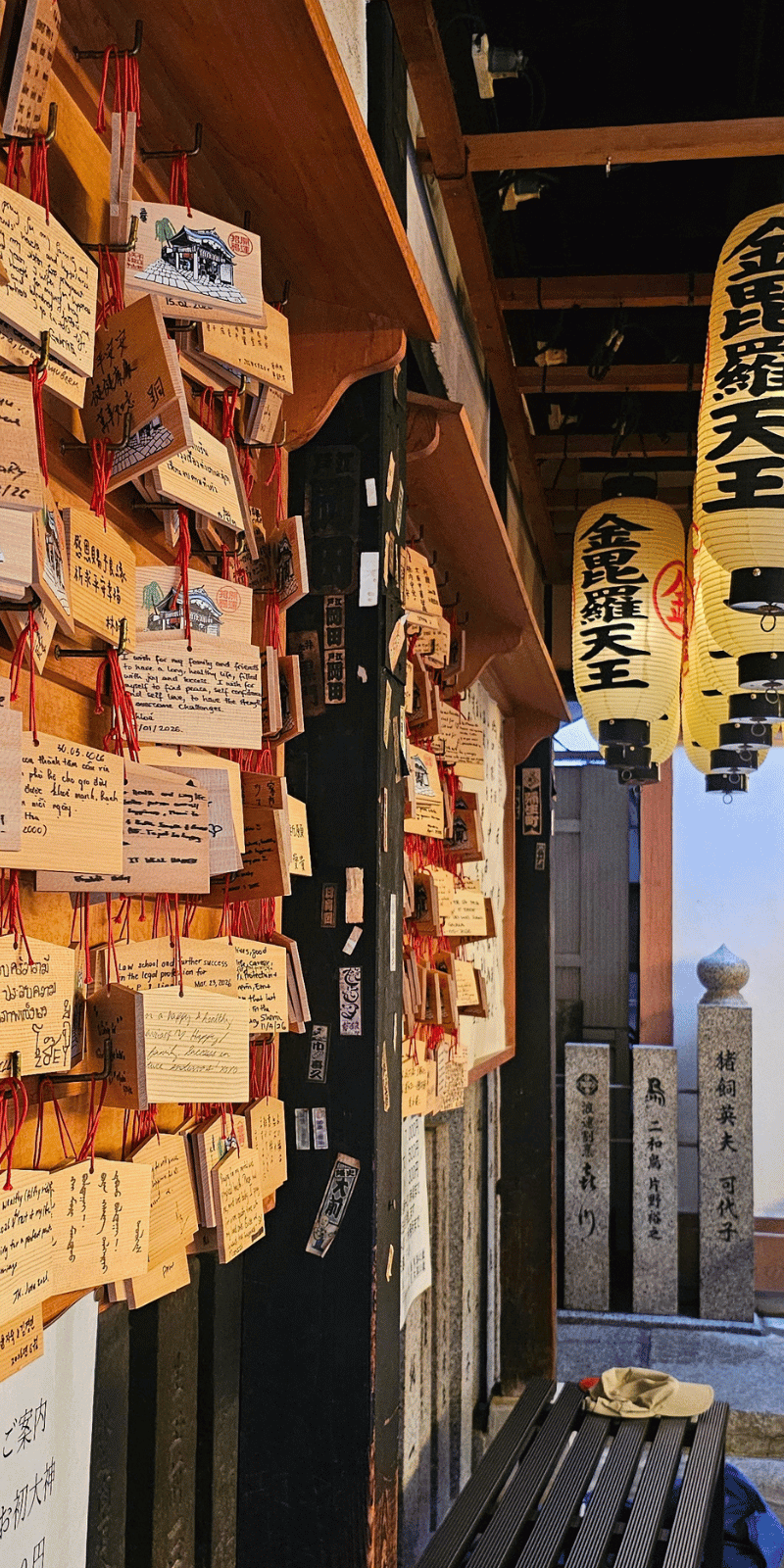
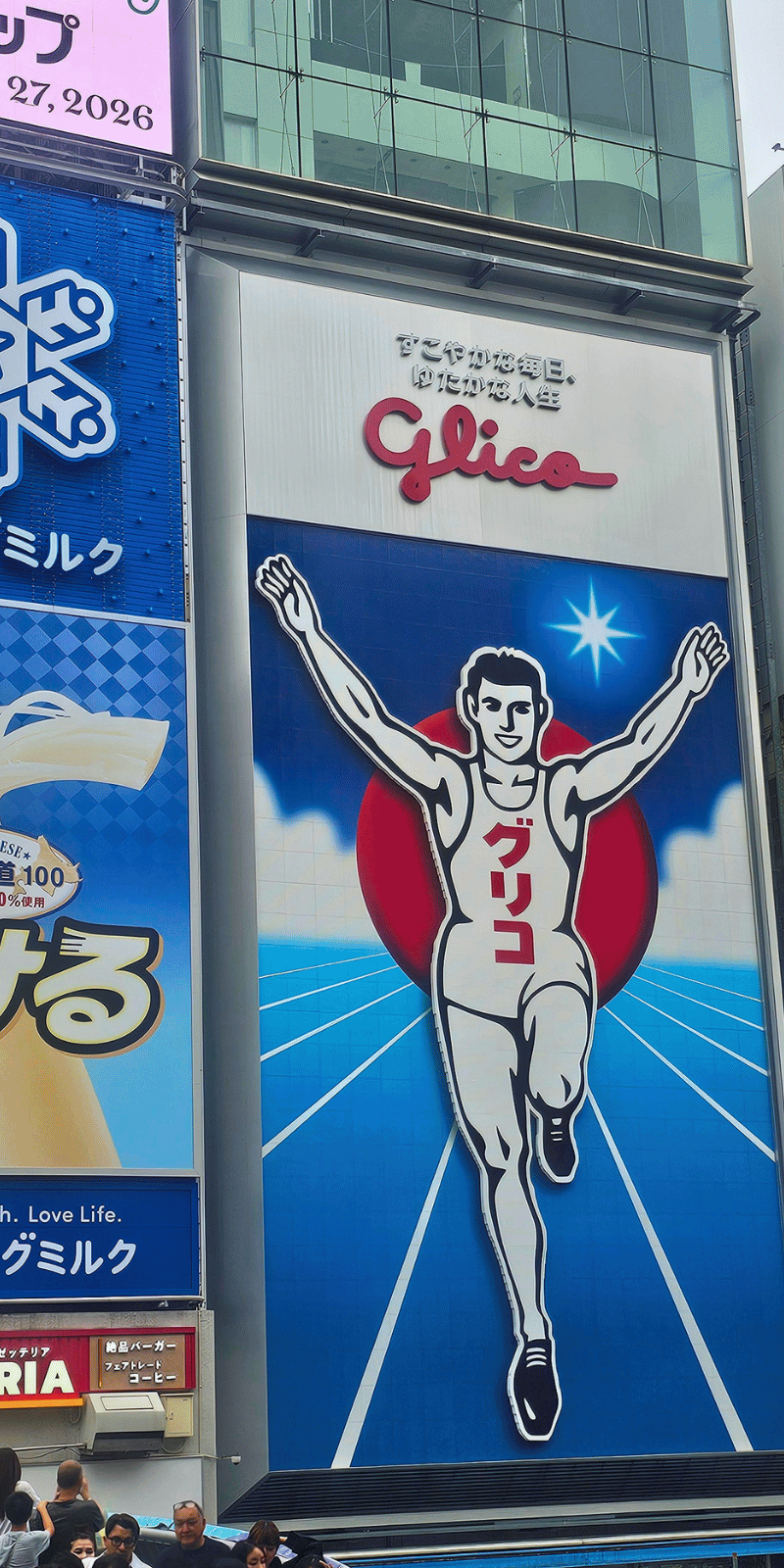
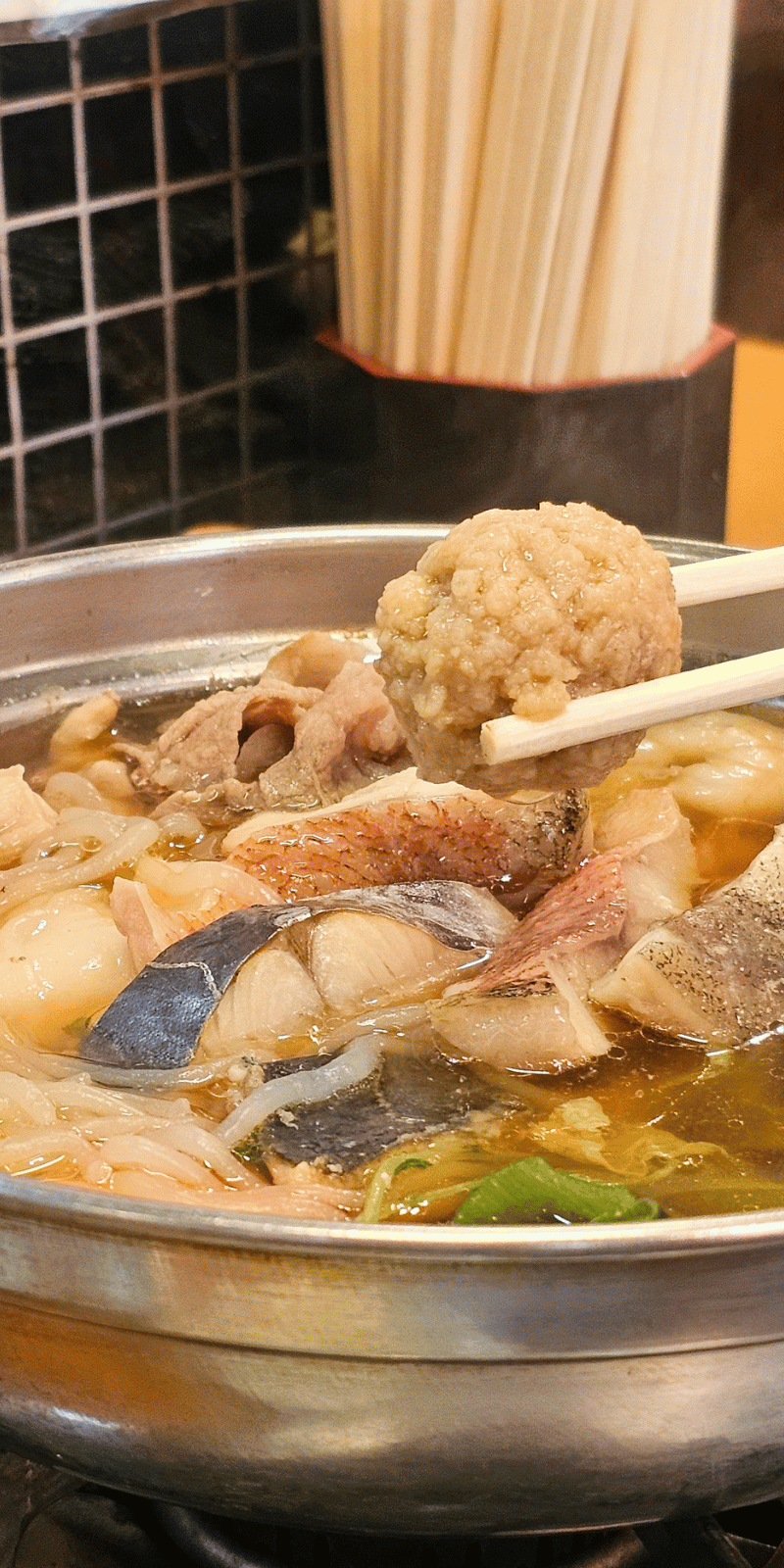
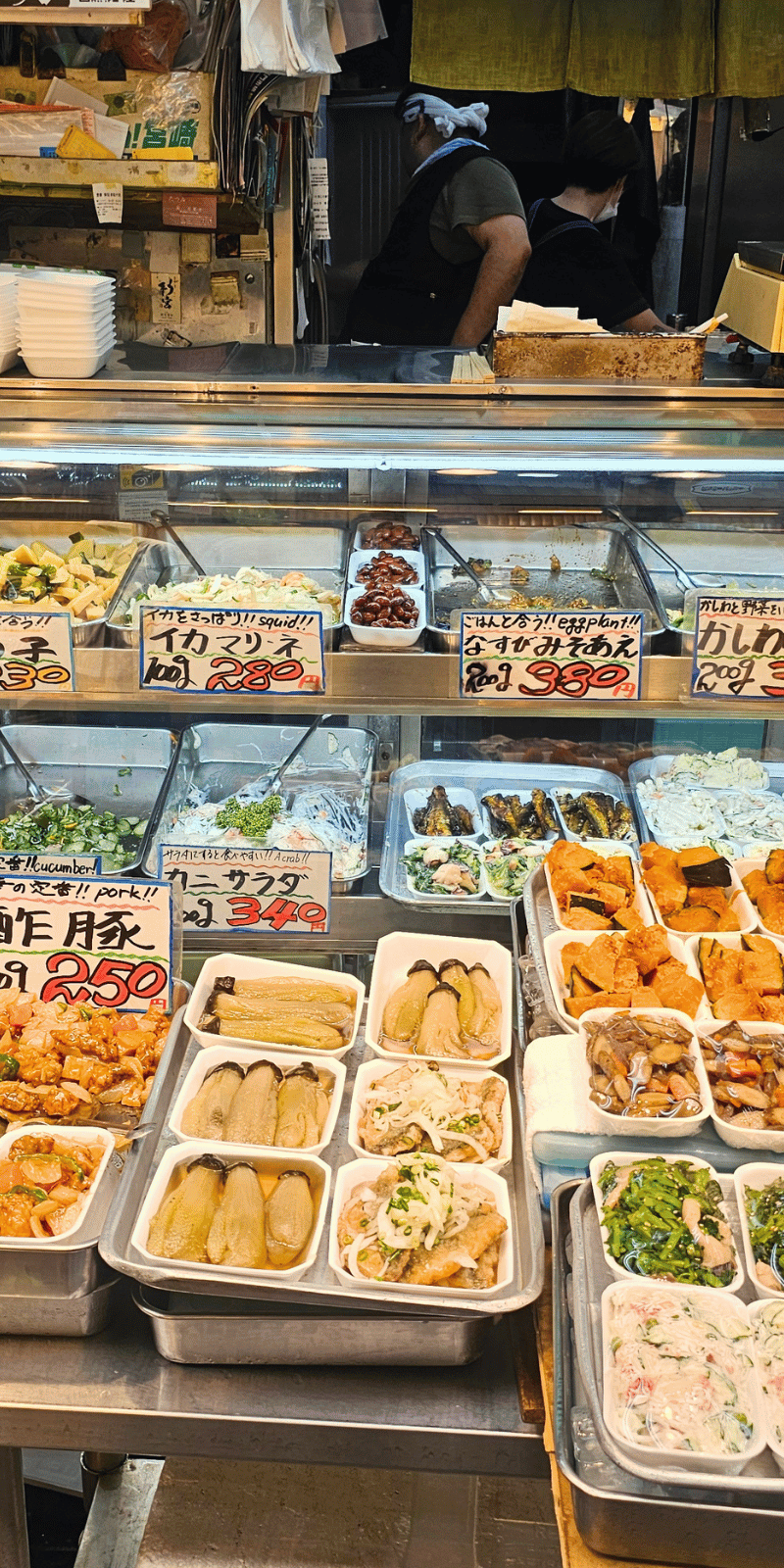
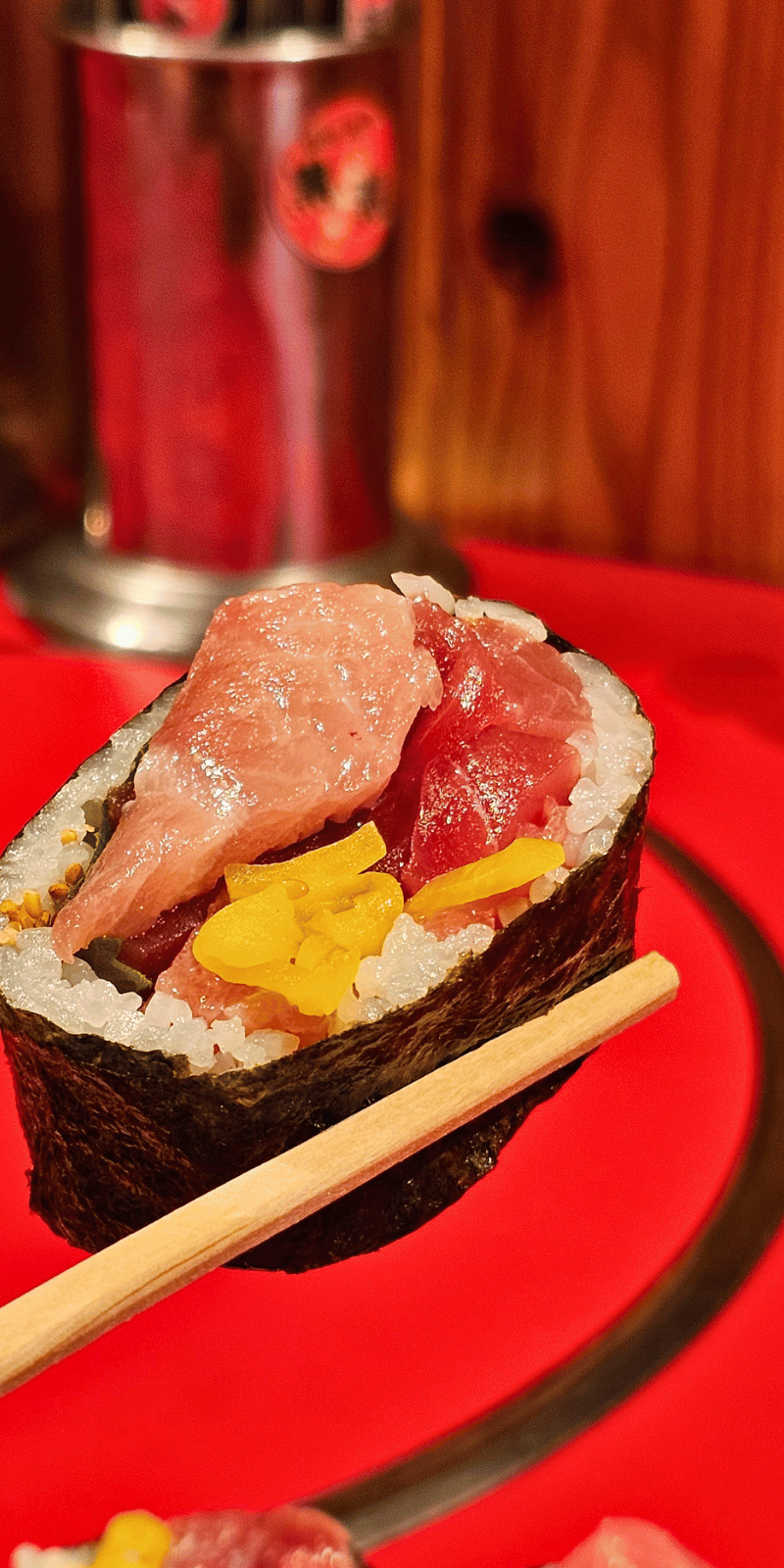
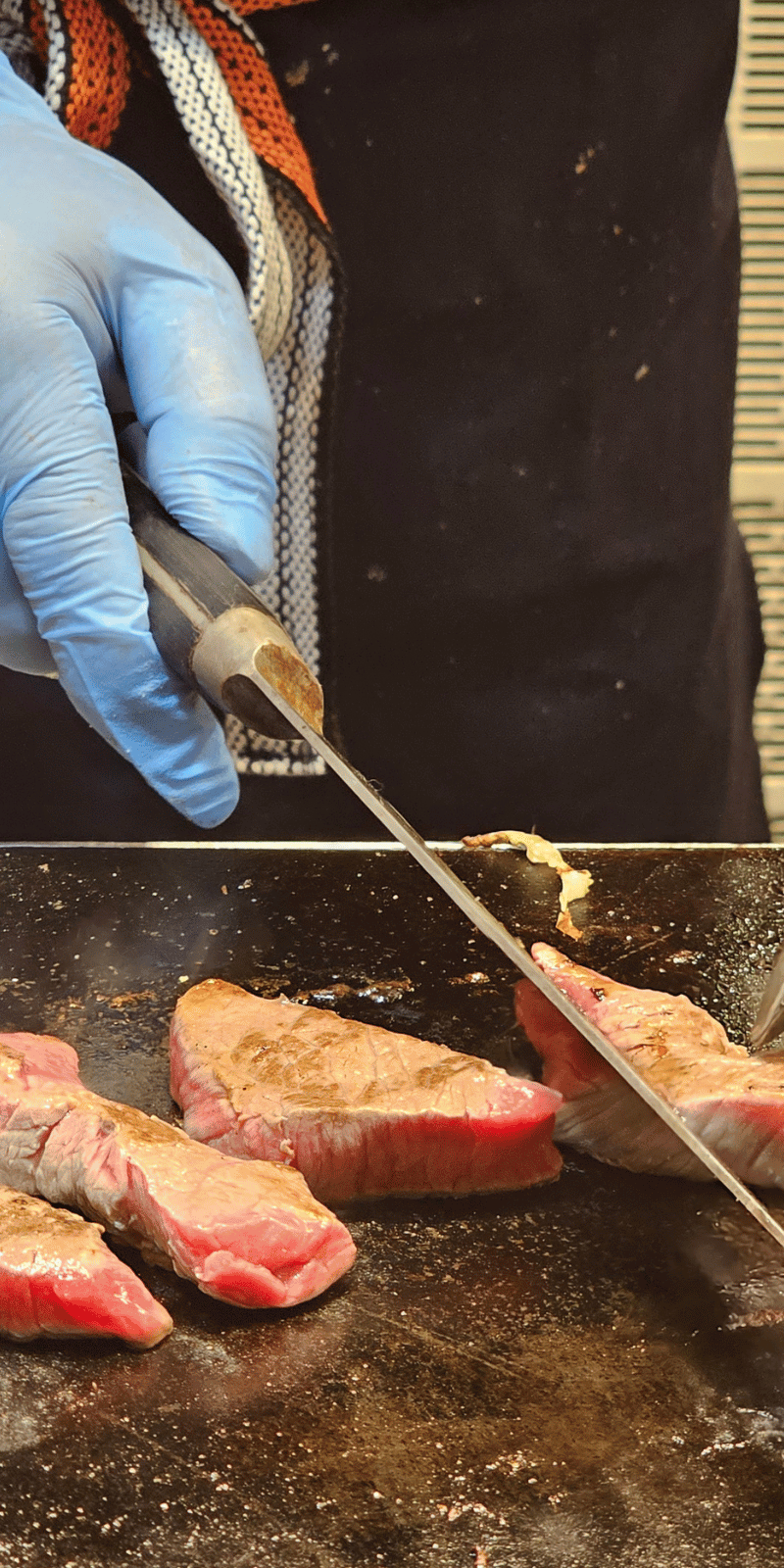
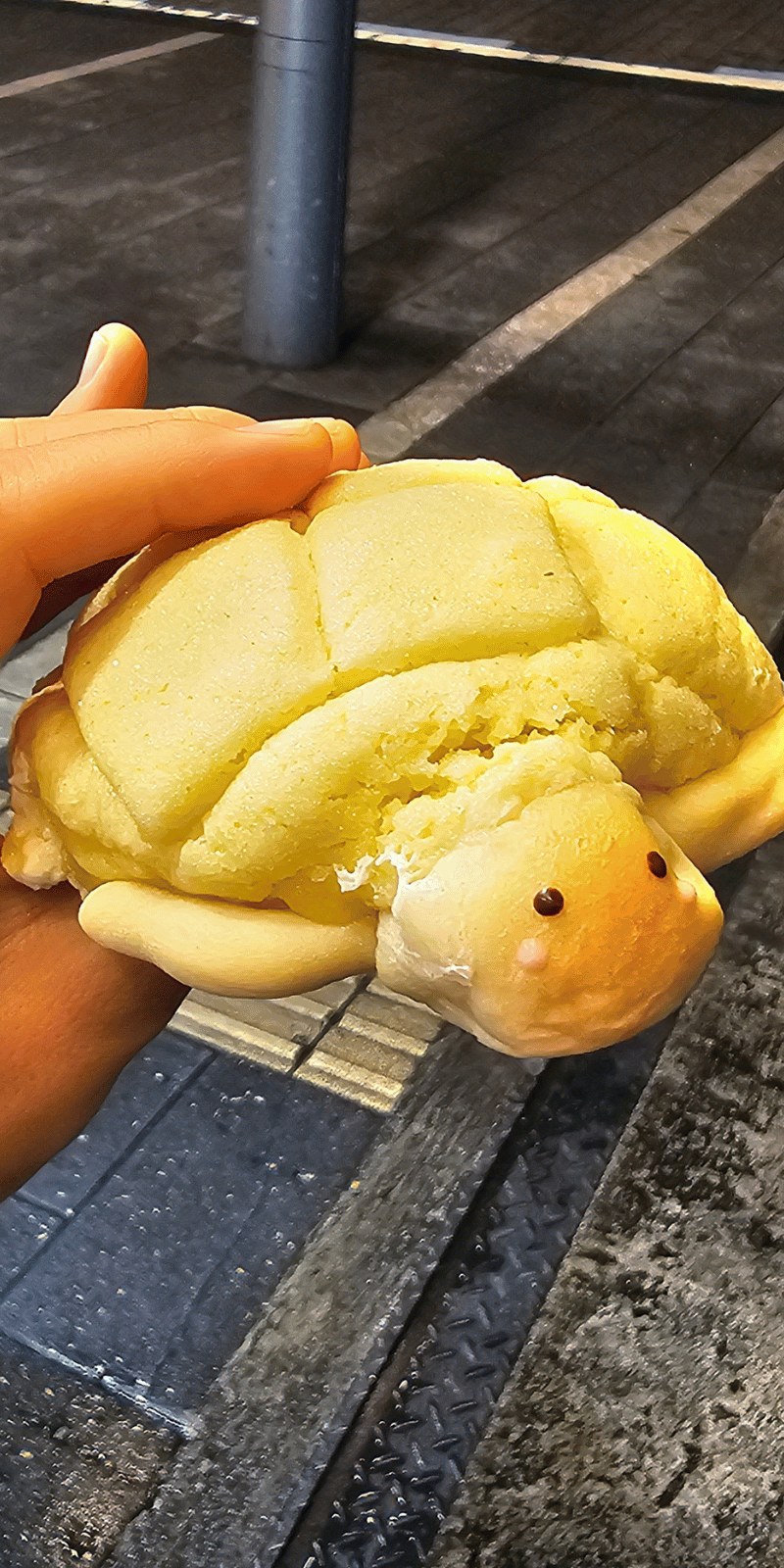
Takoyaki batter crisped on a hot dome, okonomiyaki griddled to order, kushikatsu straight from the fryer, kitsune udon in dashi. Osaka is Japan's most gluttonous city.
04 The pantry
- Dashi, the umami-rich stock that carries every Osakan sauce
- Takoyaki batter, wheat and dashi mixed to a loose pancake
- Cabbage, shredded fine and folded into okonomiyaki
- Kansai white miso, sweeter and lighter than Tokyo's red
- Beni shoga, red pickled ginger used generously as a topping
05 In the kitchen
- Turning takoyaki in cast-iron half-spheres with a metal pick
- Griddling okonomiyaki to order on a flat teppan
- Deep-frying kushikatsu to a shattering crust for one-dip sauce
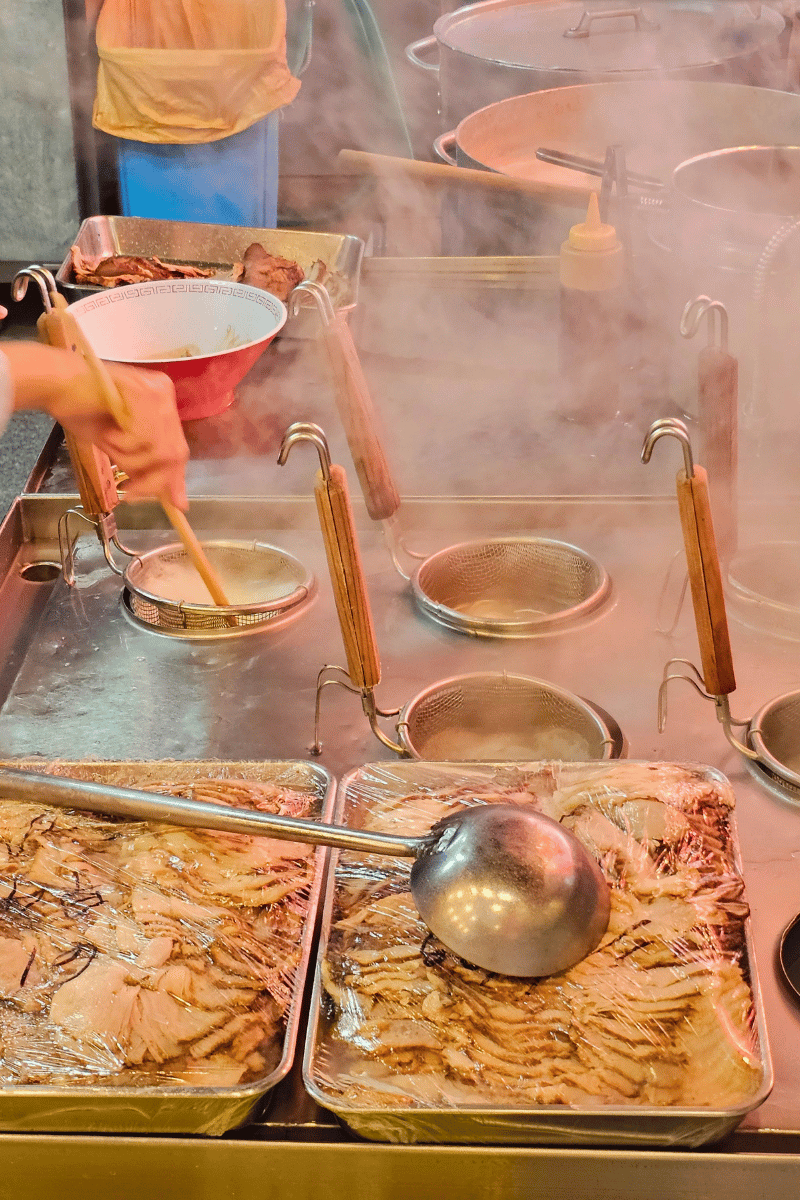
- Simmering doteyaki beef sinew in sweet white miso
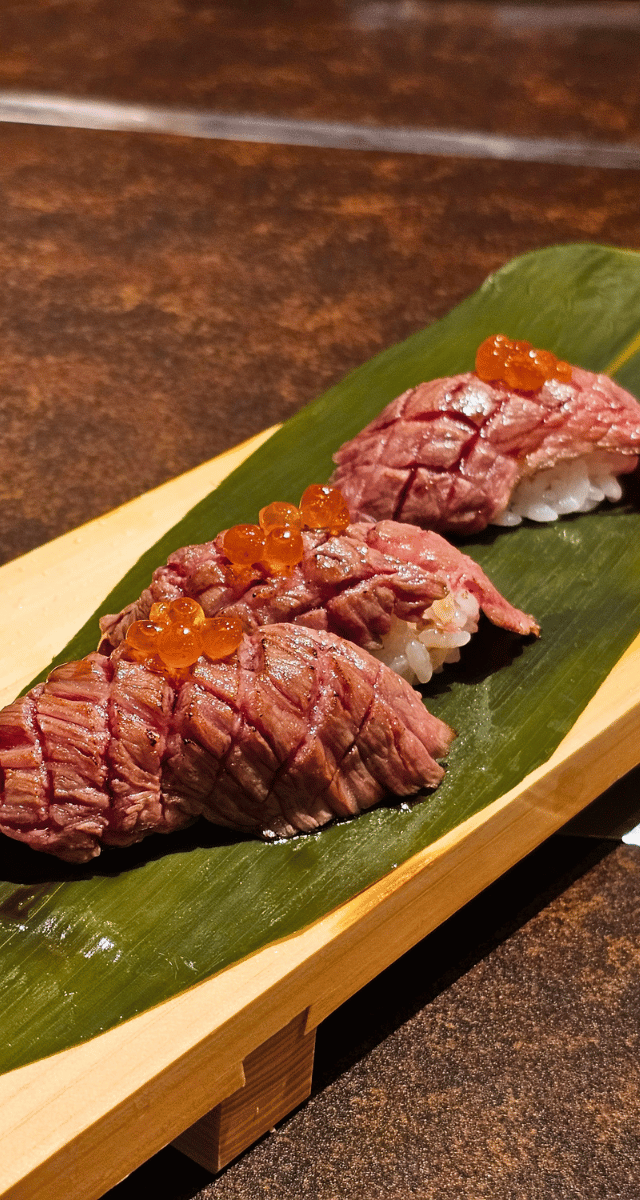
- Assembling oshizushi pressed sushi in wooden boxes
06 Eat this first
- Takoyaki, molten octopus balls topped with bonito flakes and sauce
- Okonomiyaki, Osaka-style savoury pancake with pork belly and cabbage
- Kushikatsu, deep-fried skewers dipped in a communal sauce
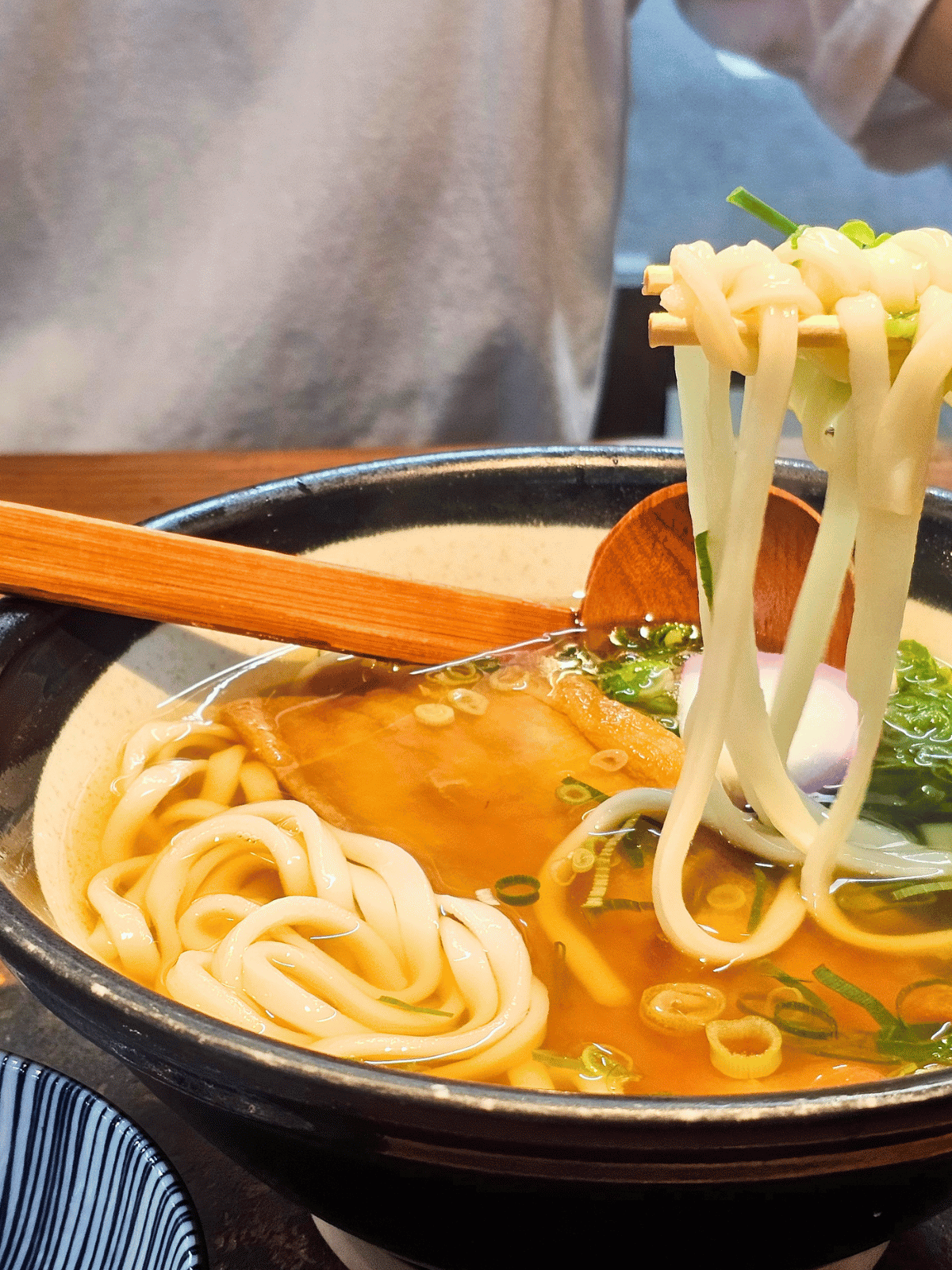
- Kitsune udon, thick noodles in dashi topped with sweet fried tofu
- Battera, pressed mackerel sushi wrapped in kombu


What happens inside a hammam kitchen
A morning with the cooks who feed the neighbourhood before dawn. Charcoal, dough, the smell of a bakery working its second oven.
10 Field Notes
Quick field notes to help you get accustomed to Osaka.
Weather
Humid subtropical. Hot, sticky summers (33°C-plus), mild winters (5–10°C), and short spring / autumn windows. April and November are the best months.
Currency
The Japanese yen (JPY). Cash still preferred in small shops, though cards and IC card payments are more common than in Kyoto. IC cards (Icoca, Suica) work on all transport.
Language
Japanese, with the famously casual Osaka dialect. English coverage is limited outside major hotels. A friendly attitude and gestures go a long way.
Etiquette
Osakans are famously warmer and more informal than Tokyoites but the core rules still apply. Quiet on trains, no eating while walking, no tipping.
Getting around
The metro is fast, cheap, and easy. Signage is bilingual and IC cards cover it all. JR trains link the region including Kyoto (15 minutes) and Kobe (25 minutes).
Prayer
Buddhist and Shinto rhythms shape the calendar; visit Shitennoji or Sumiyoshi Taisha to see it in daily practice. The city is largely secular in day-to-day life.