
01 Food tours
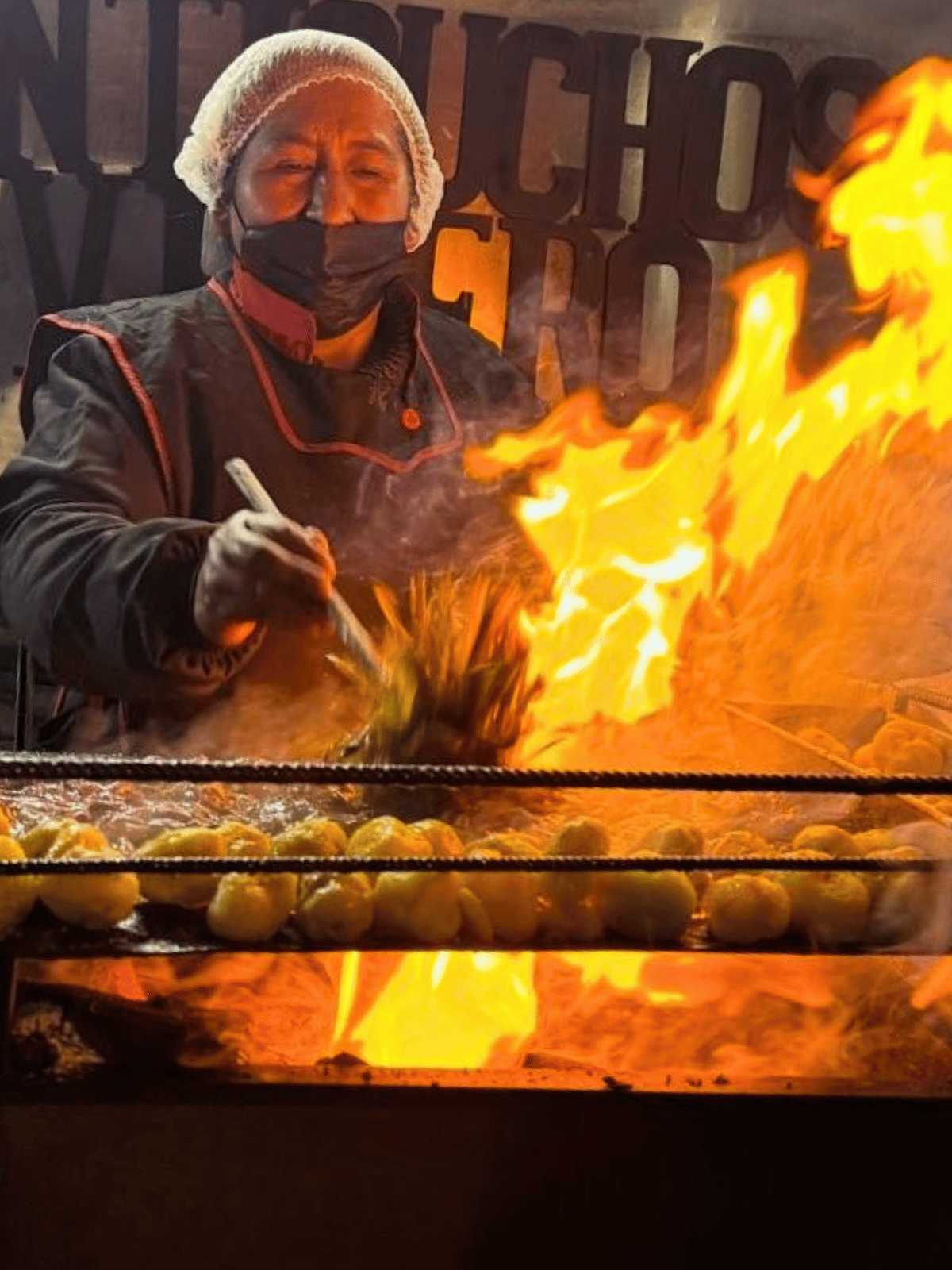
Original food tours, curated with our local tastemakers to showcase the neighbourhood kitchens, markets and family-run eateries that define La Paz.
Cholita Tastes
La Paz
Eat your way through La Paz at lunchtime — salteñas, pique macho and hot api.
Paceño Plates
La Paz
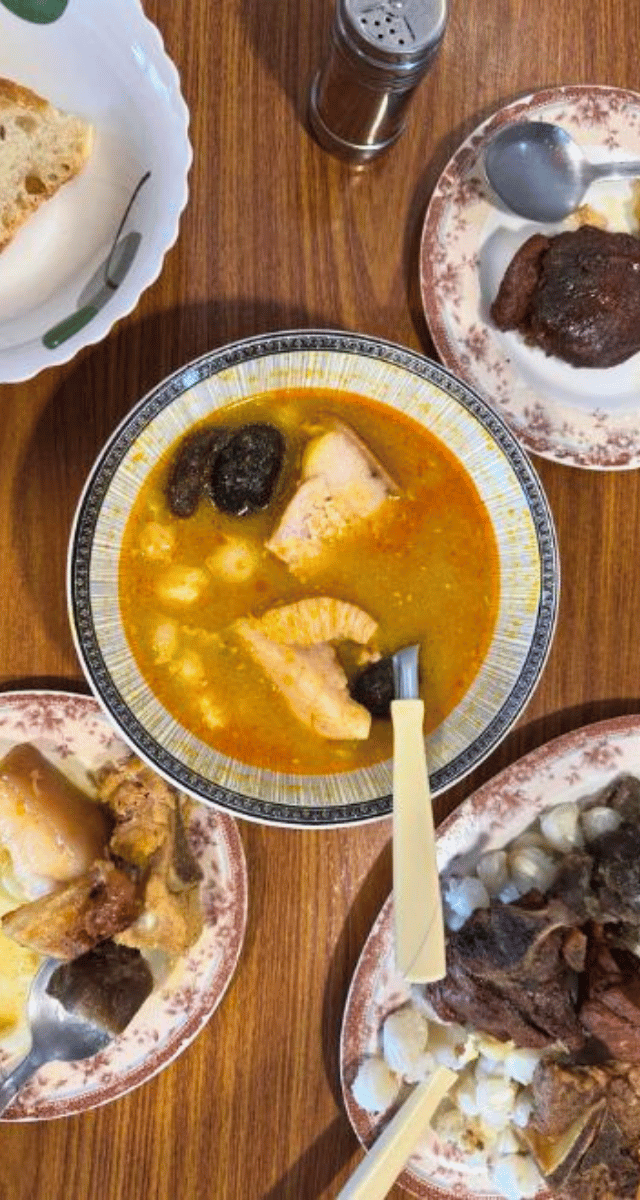
Climb into La Paz's Andean kitchen — salteñas, silpancho and hot api by the market.
02 Meet the tastemakers
The local food experts who help us research, refine and lead every A Chef's Tour.


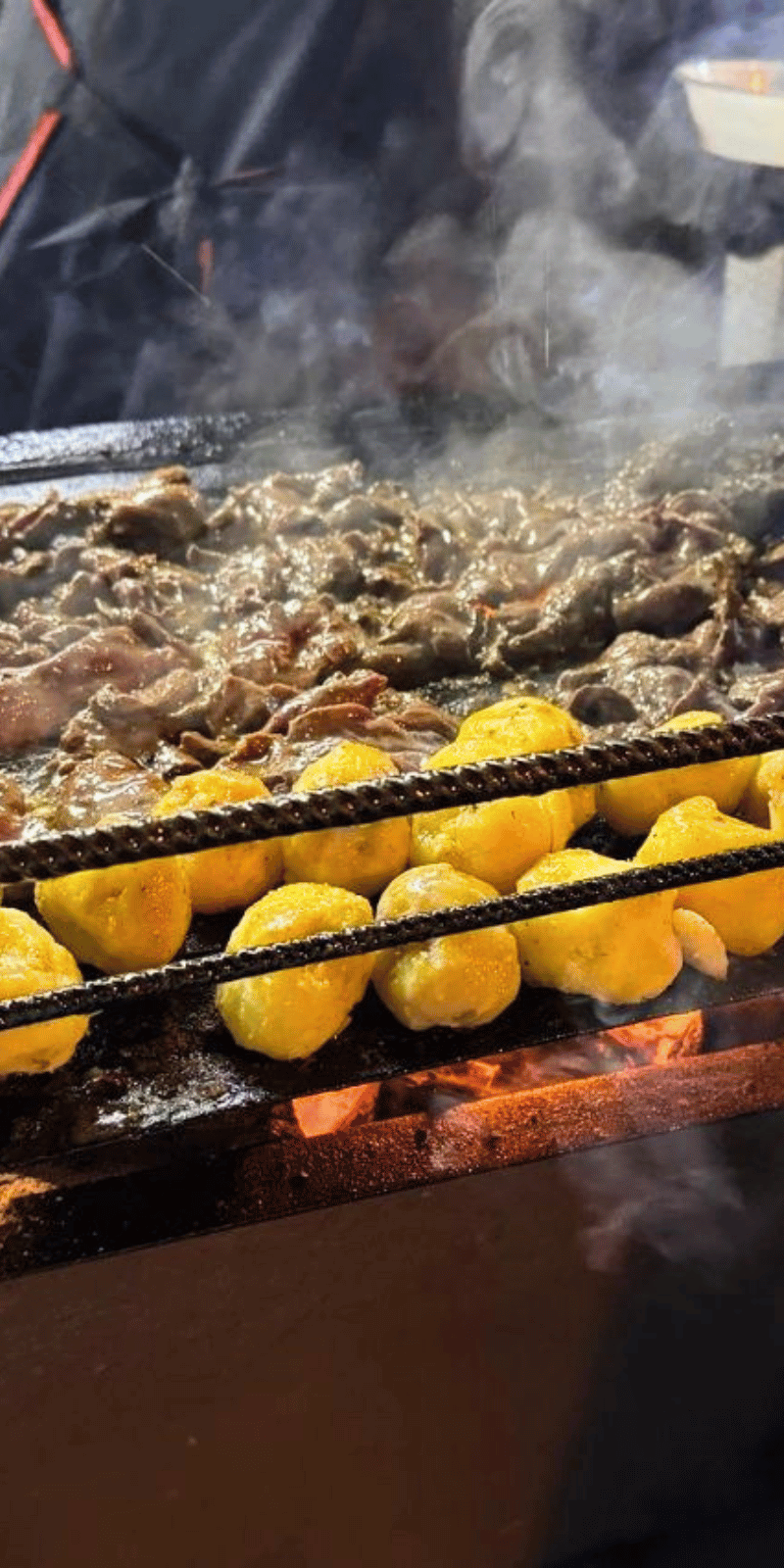
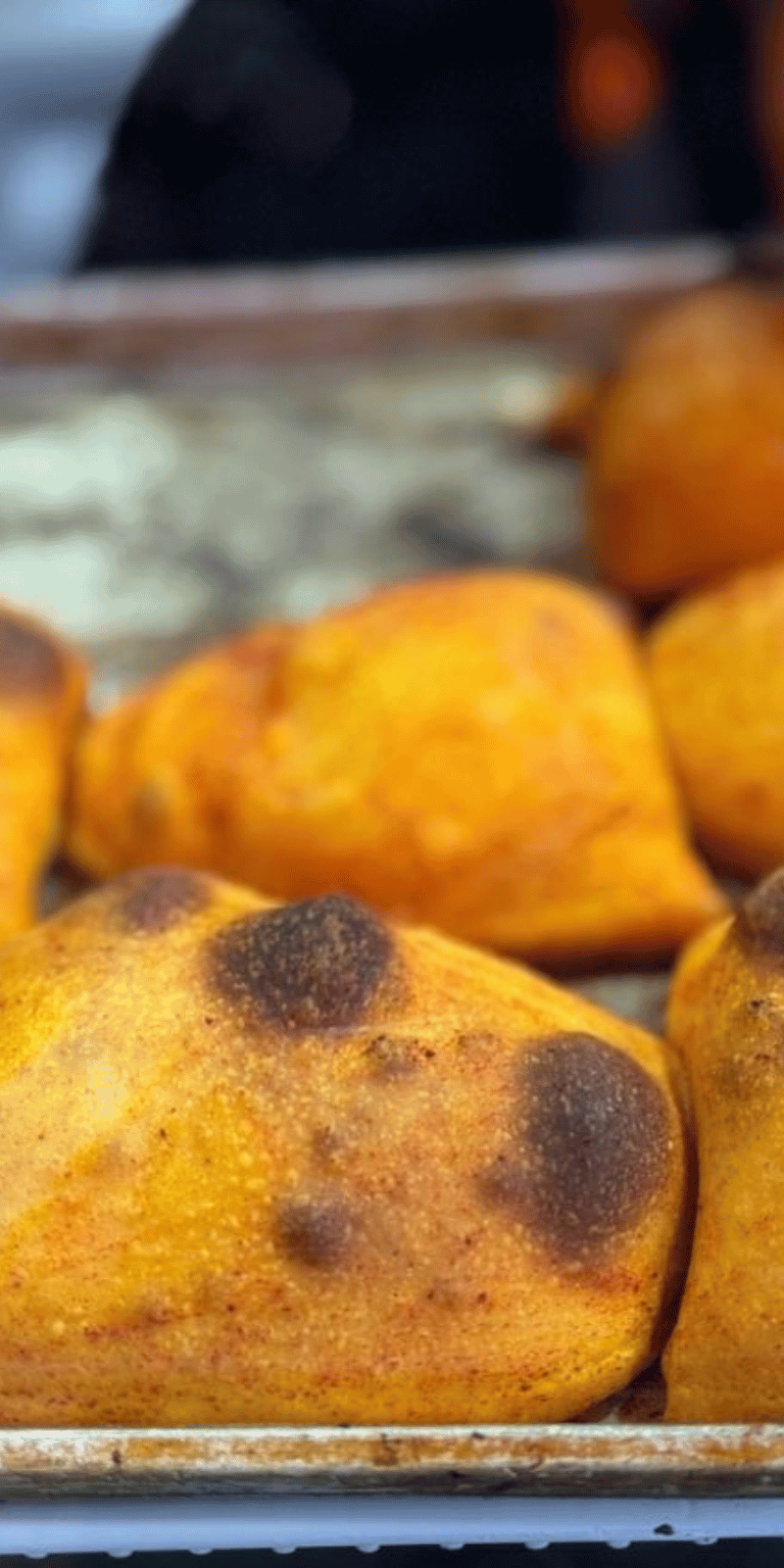
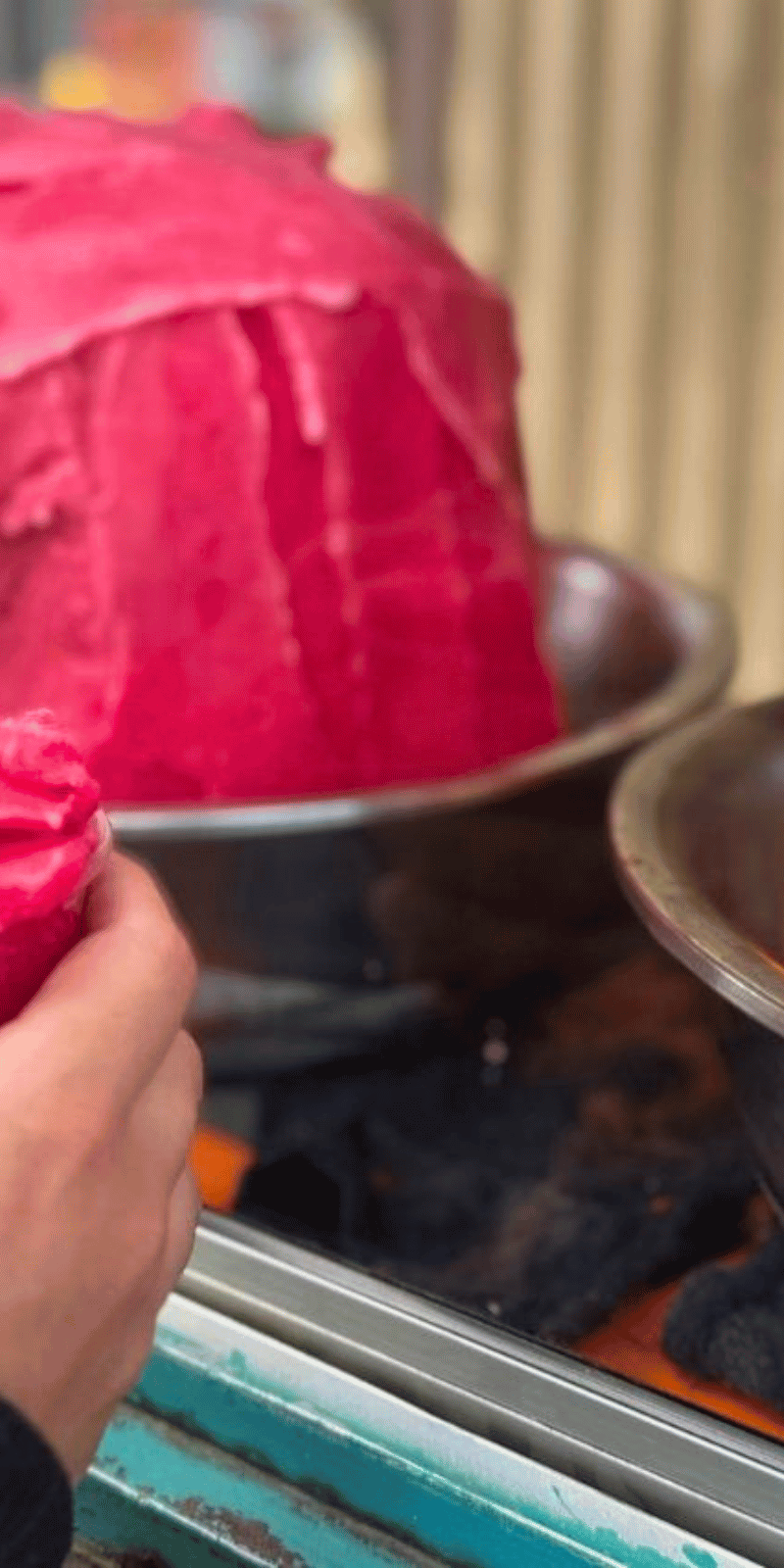
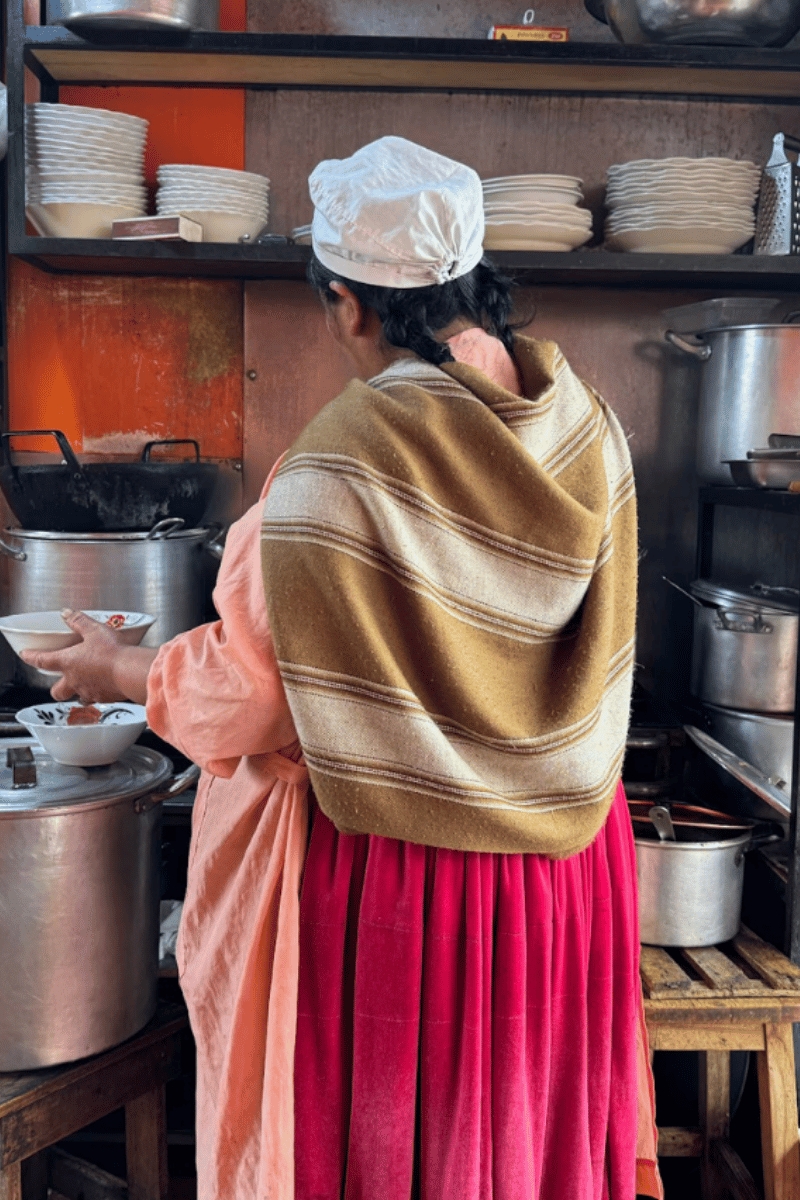
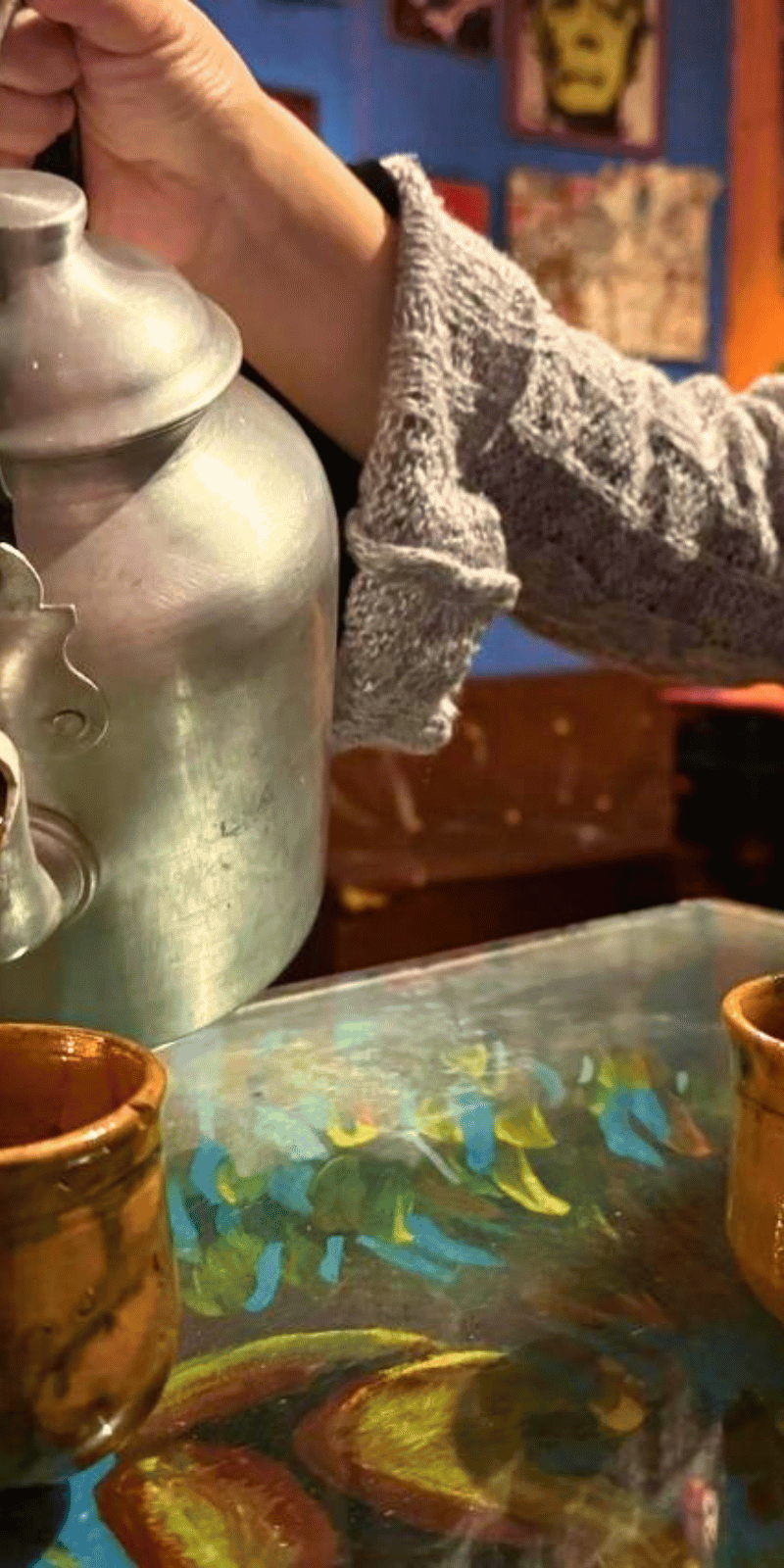
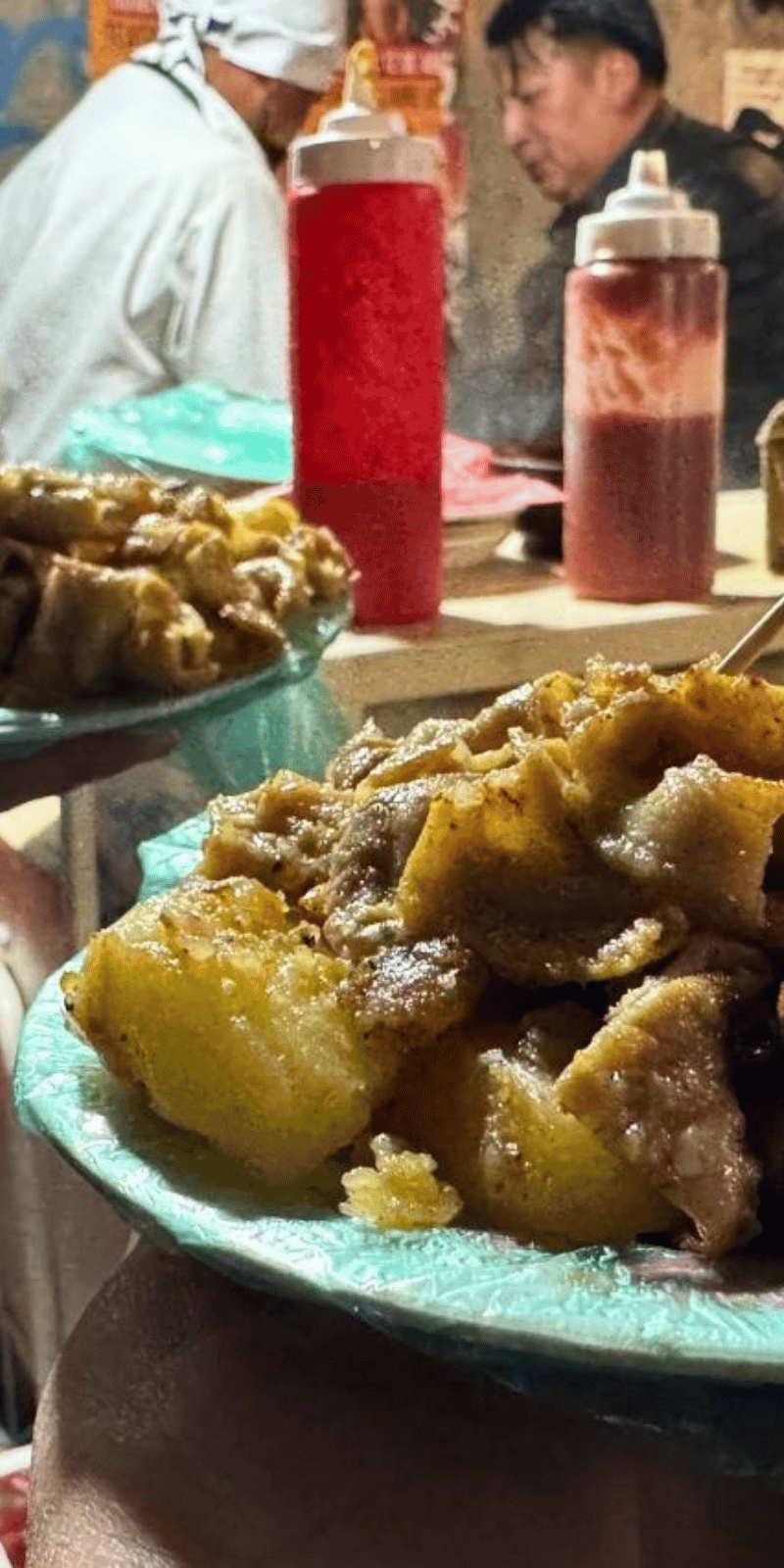
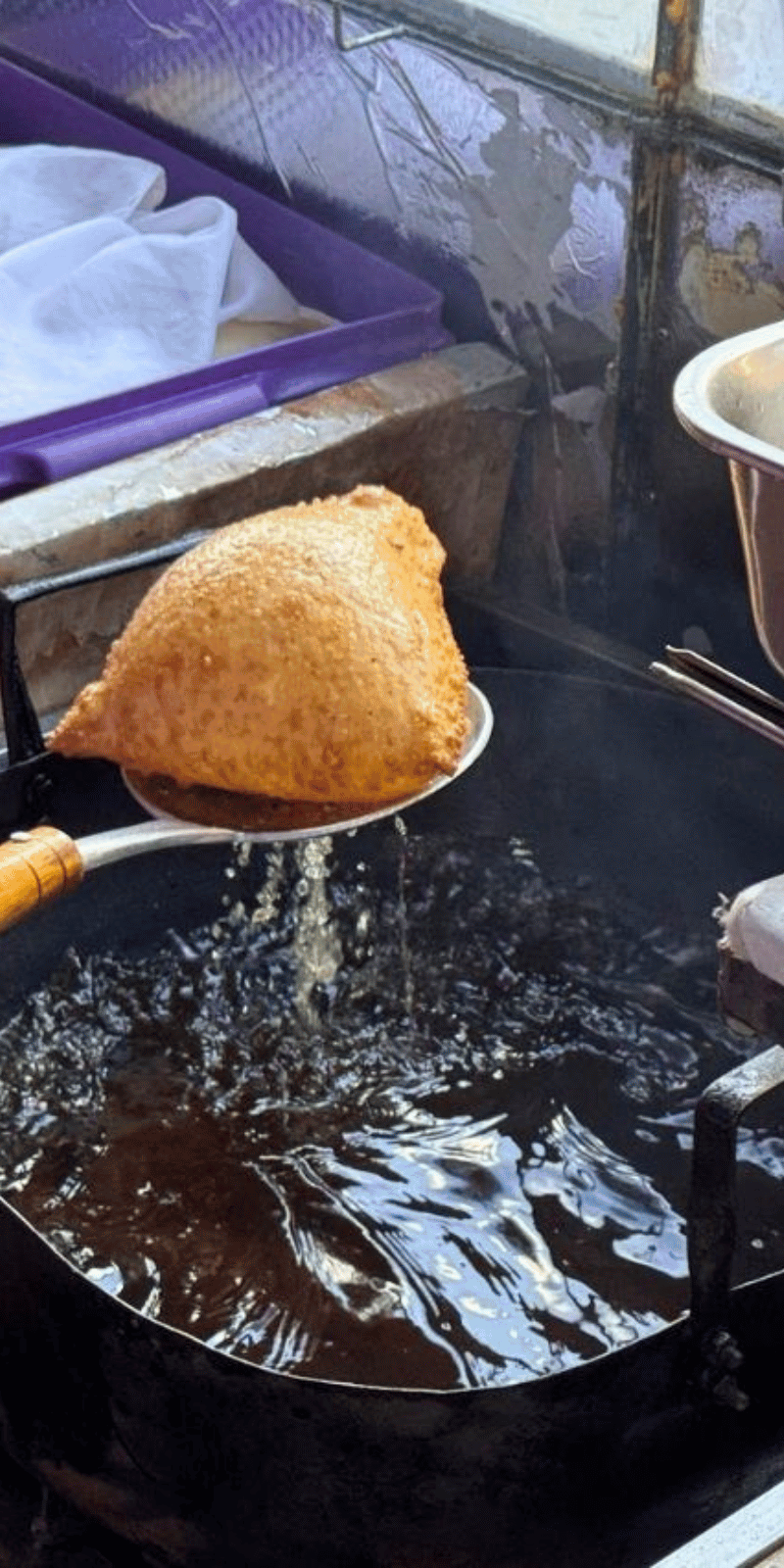
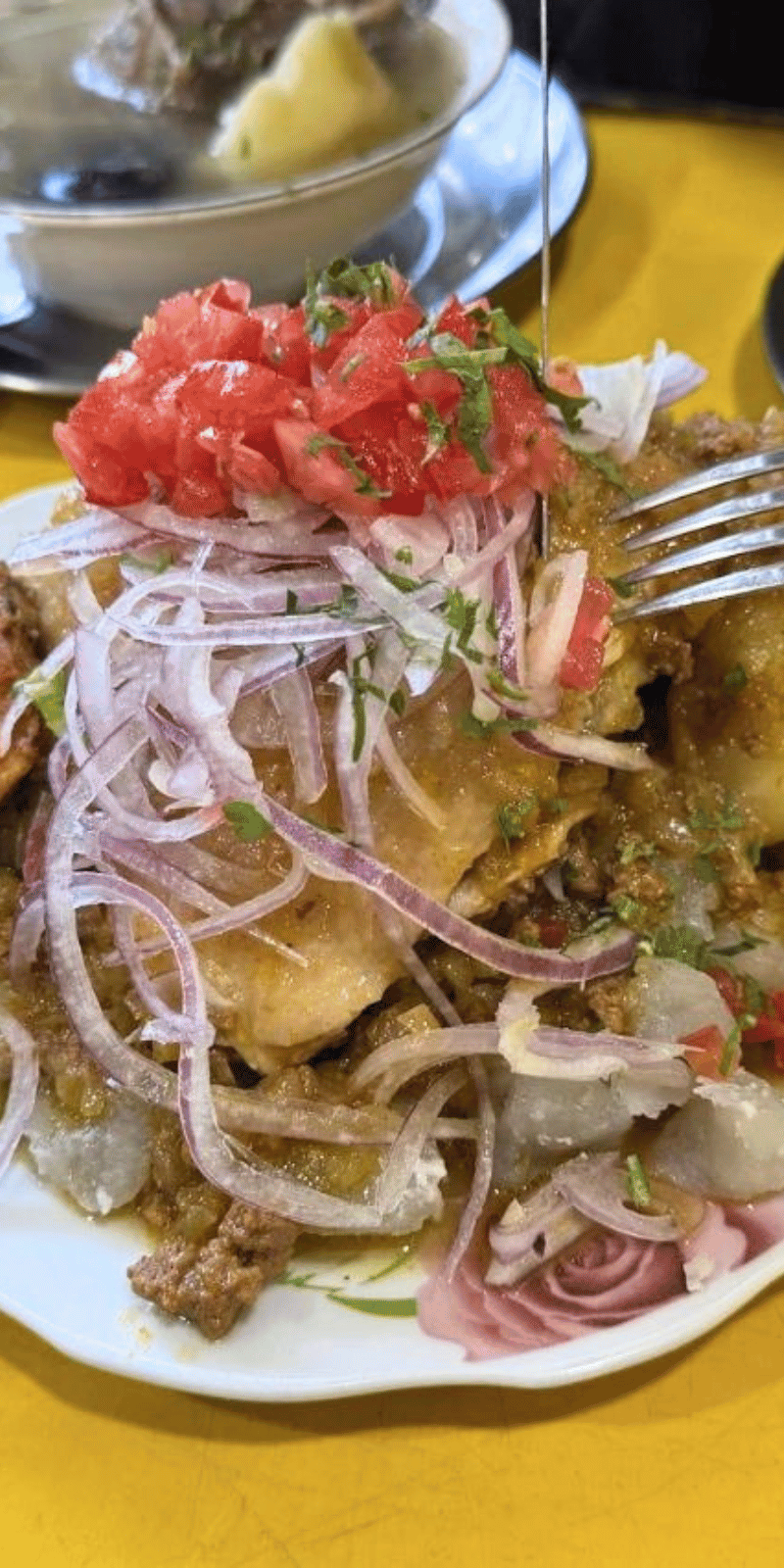
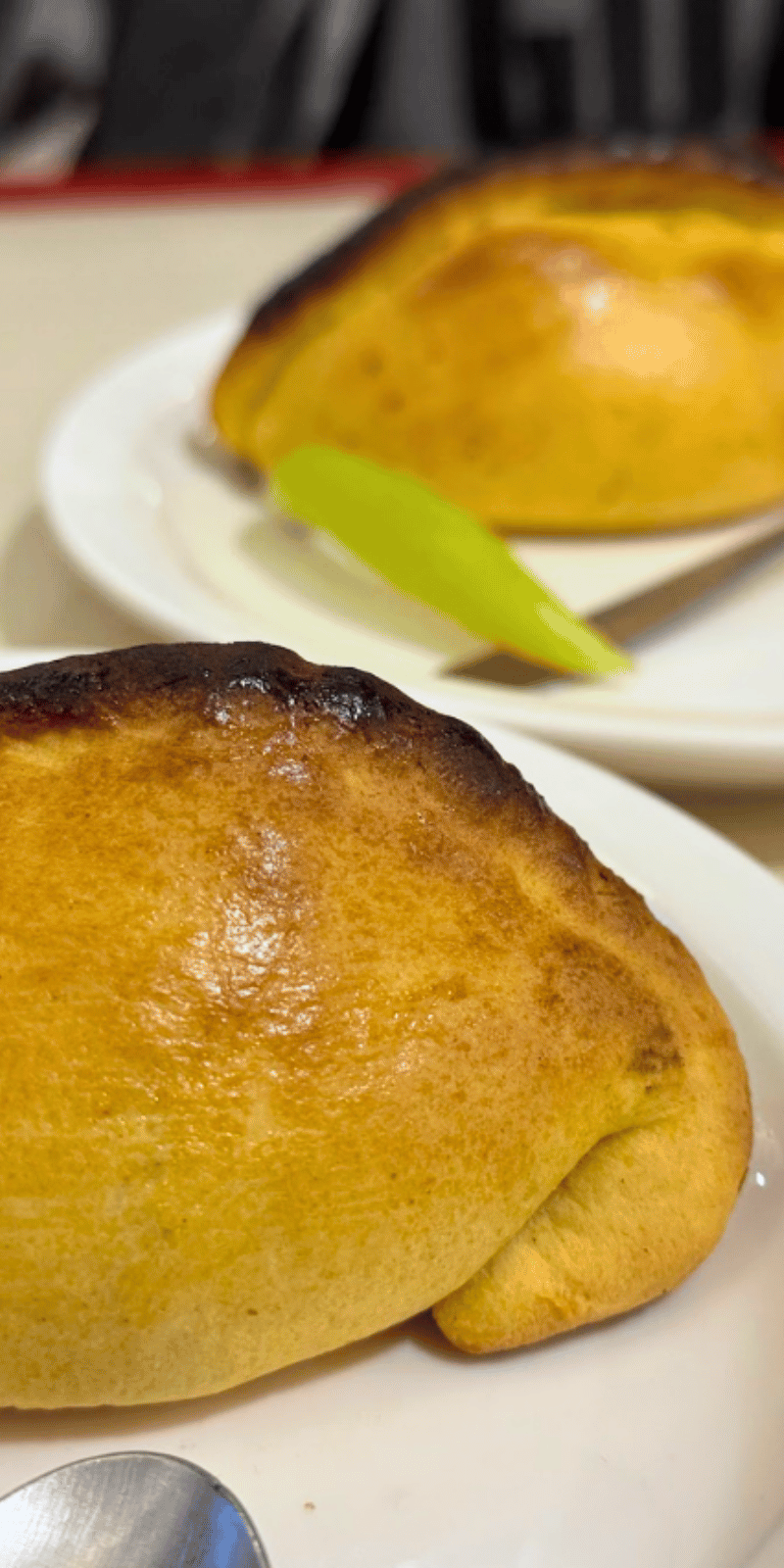
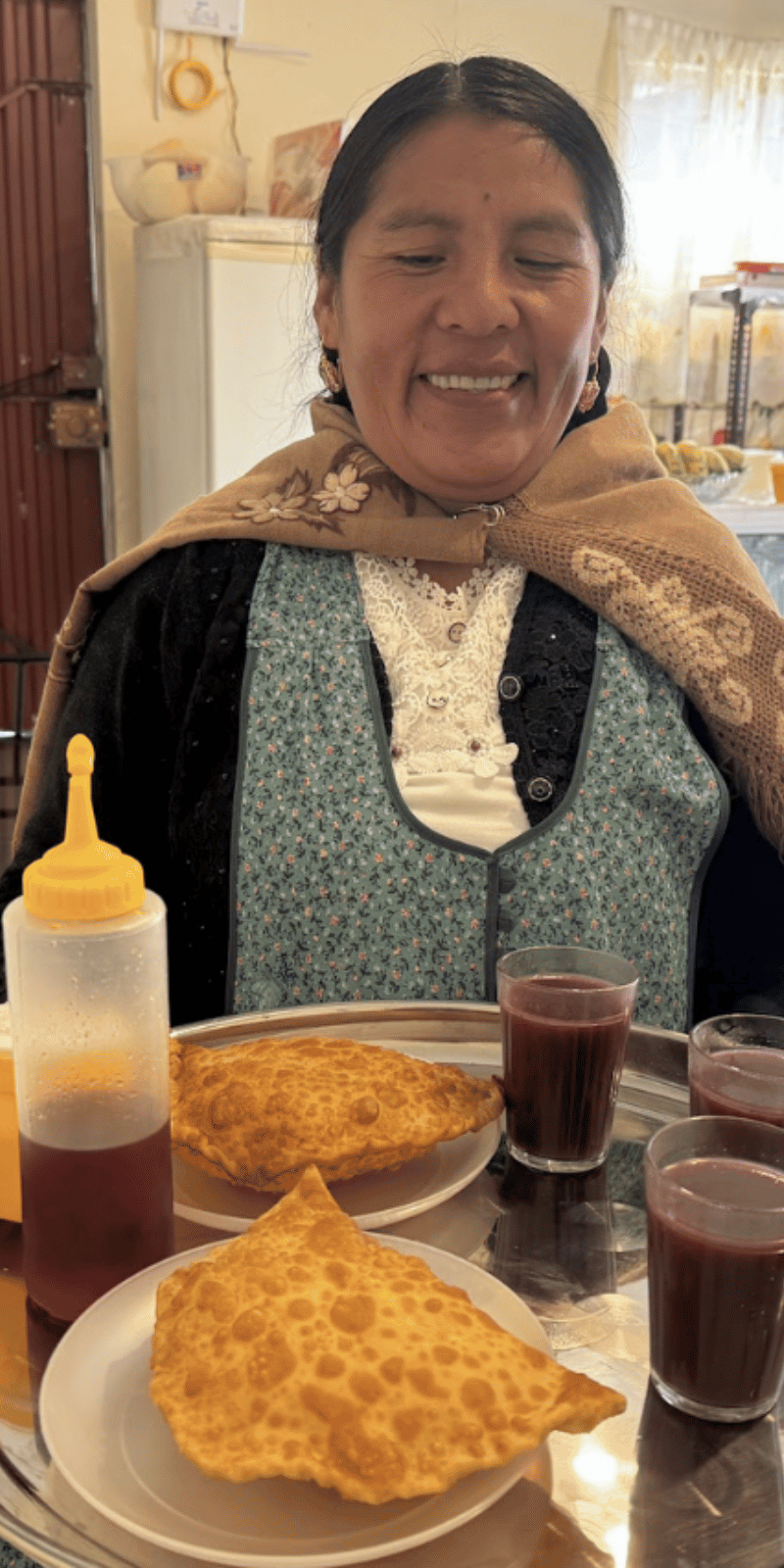
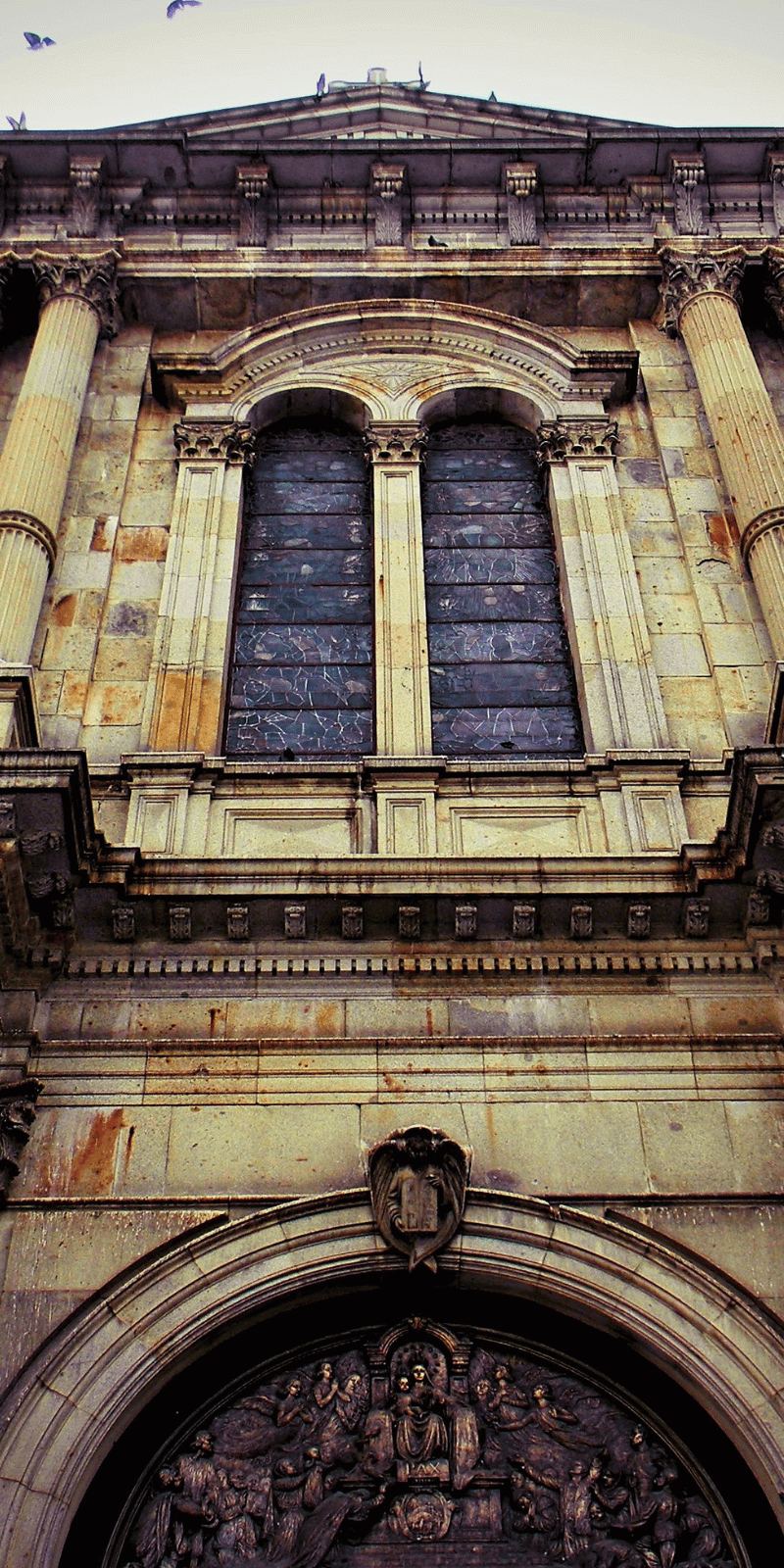
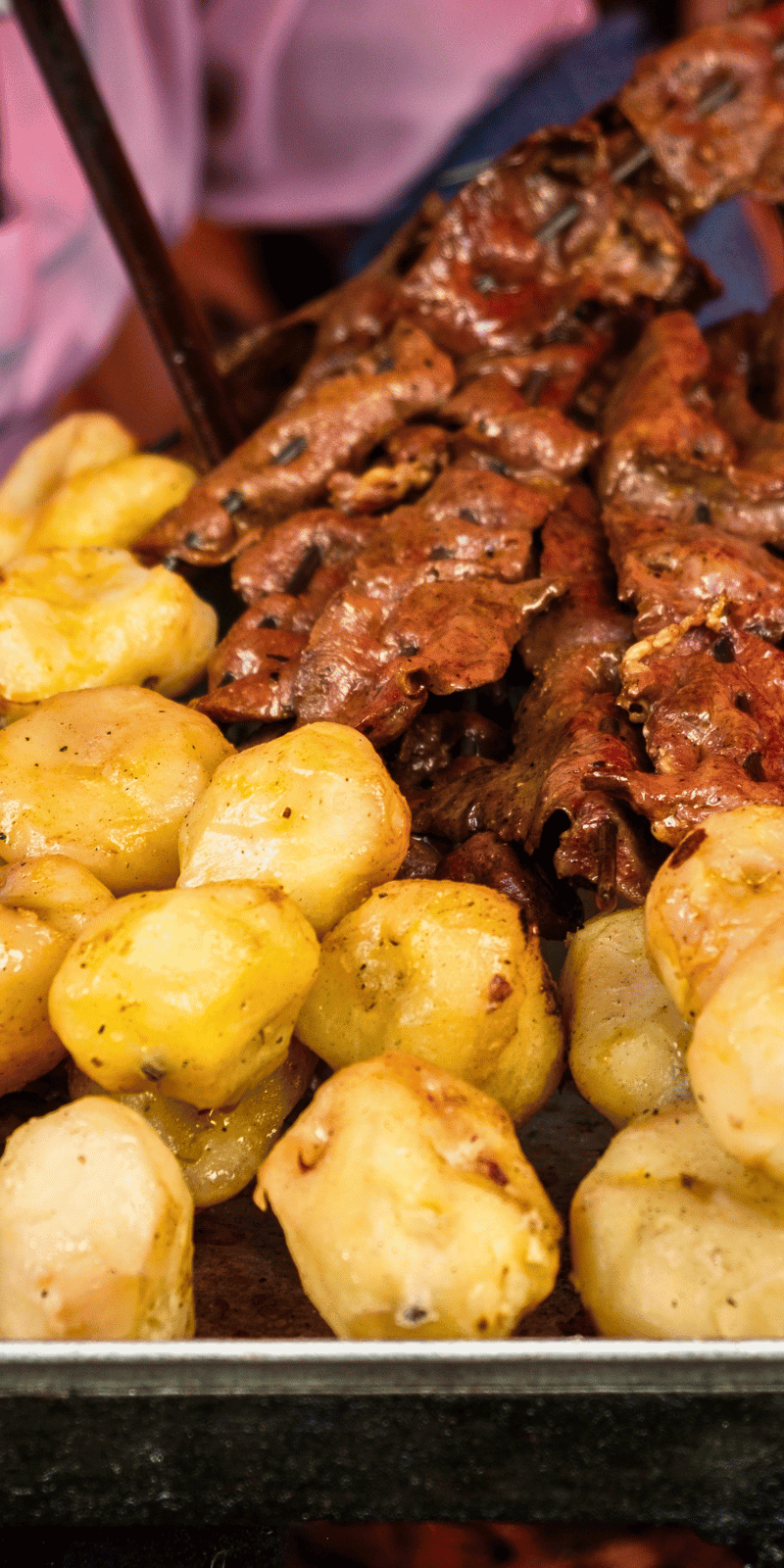
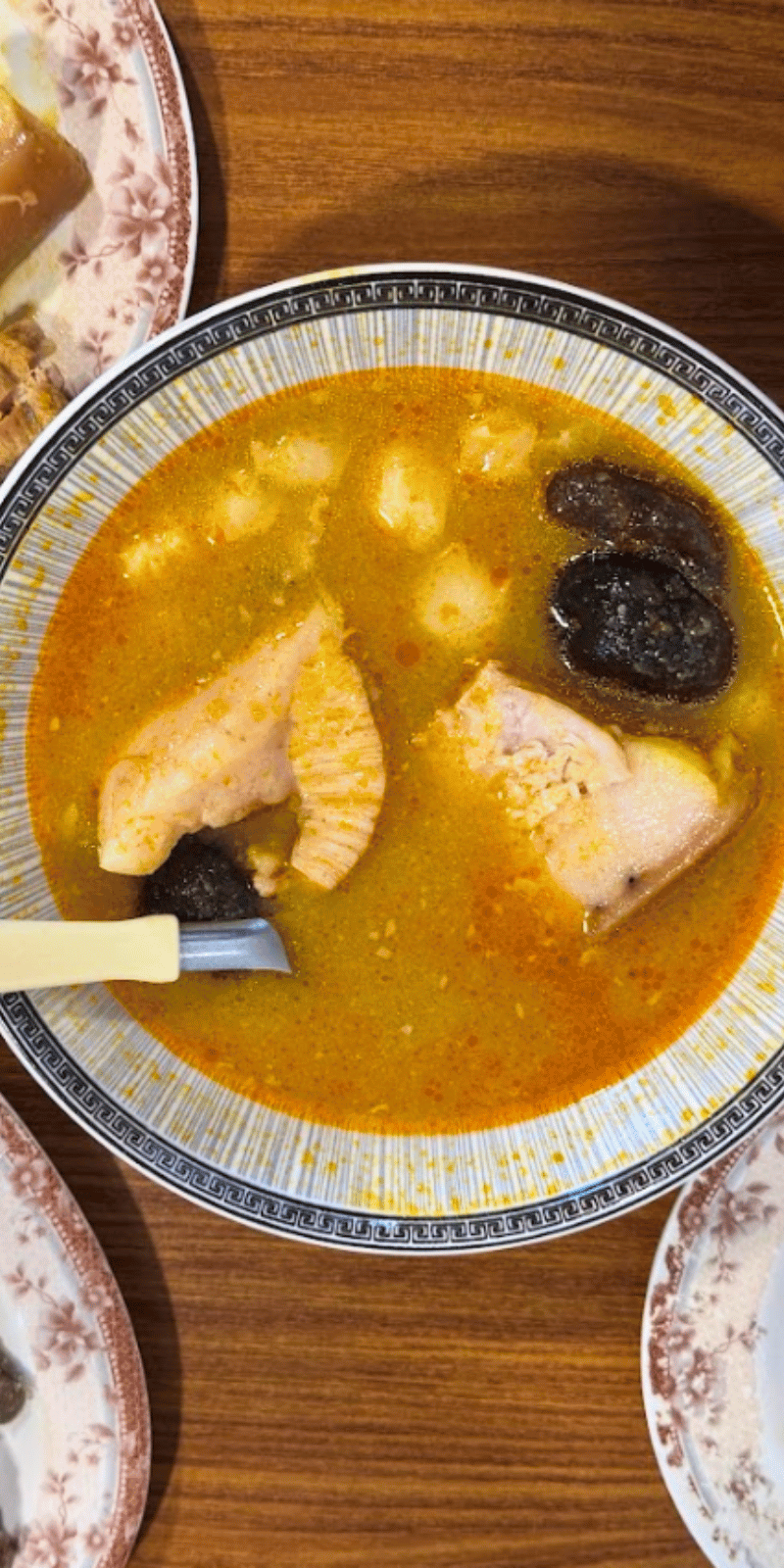
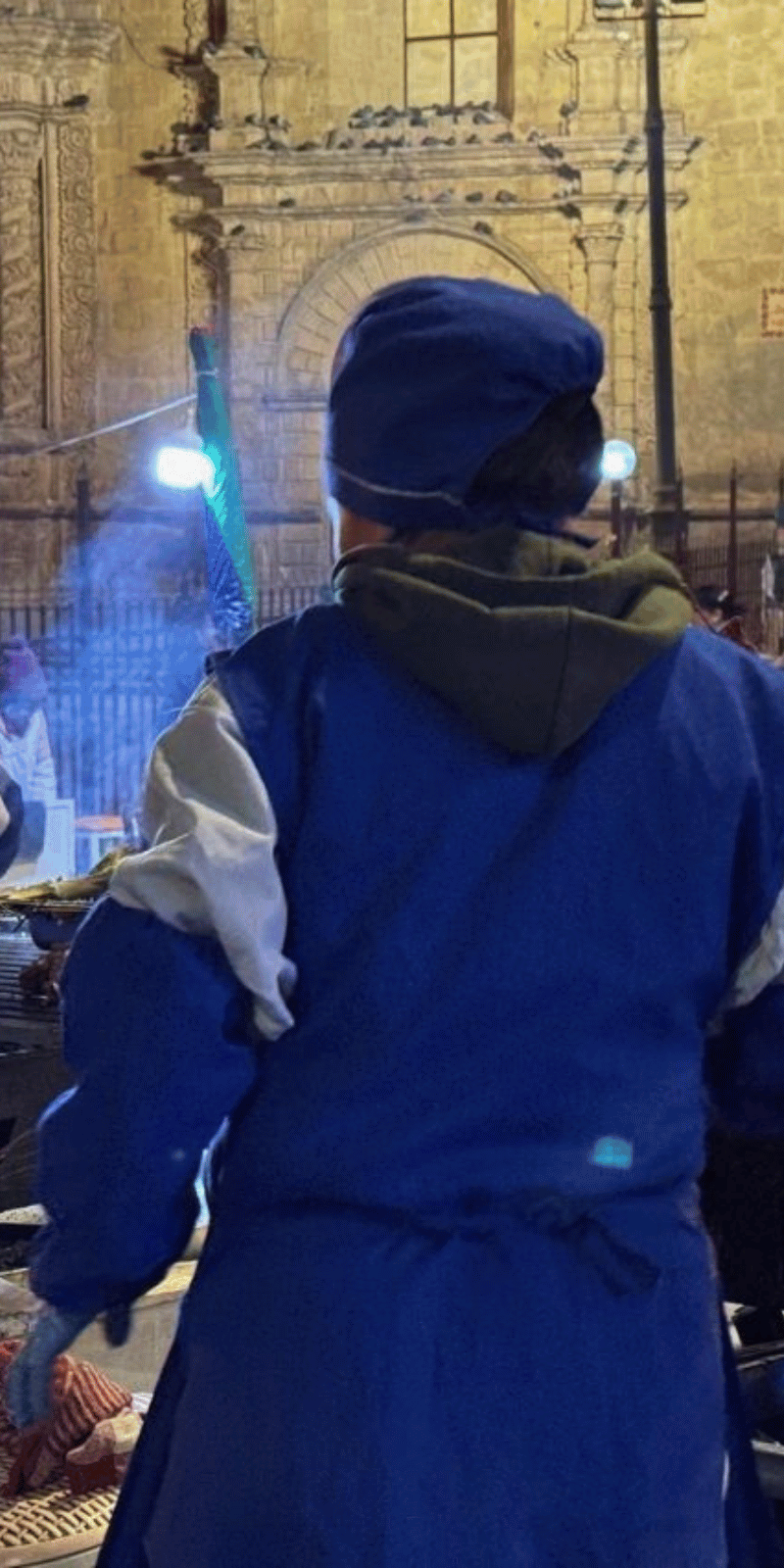
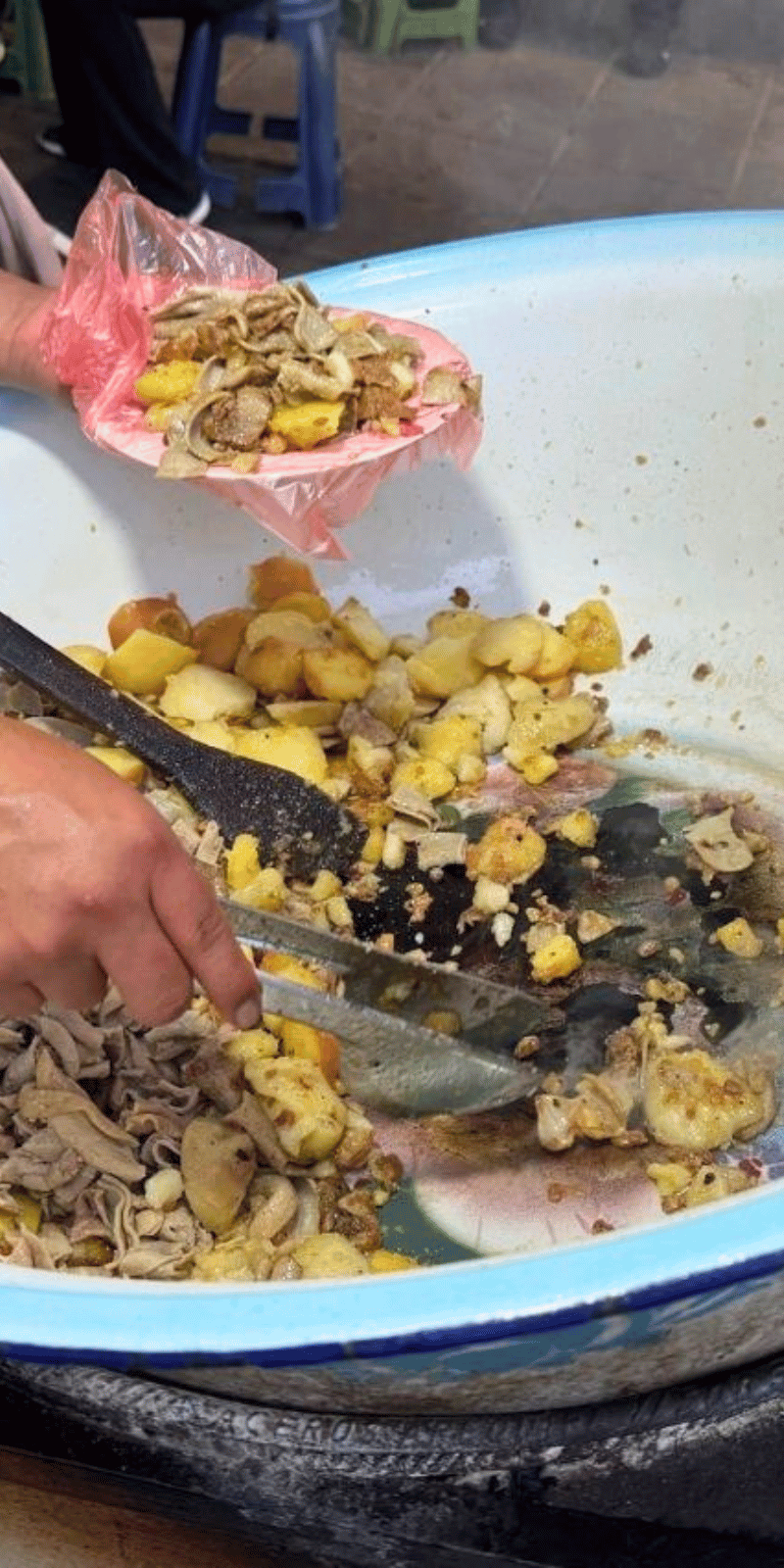
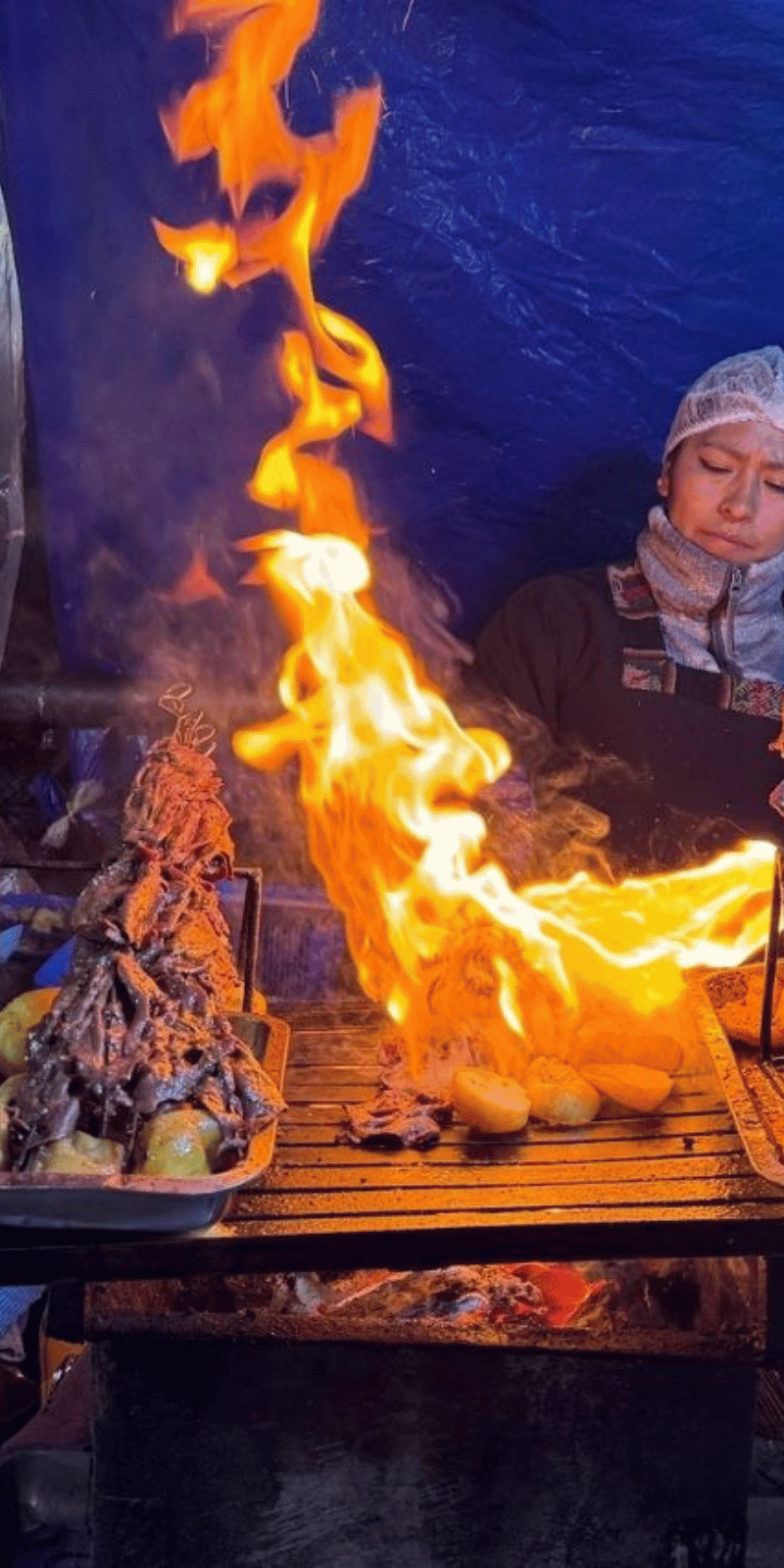
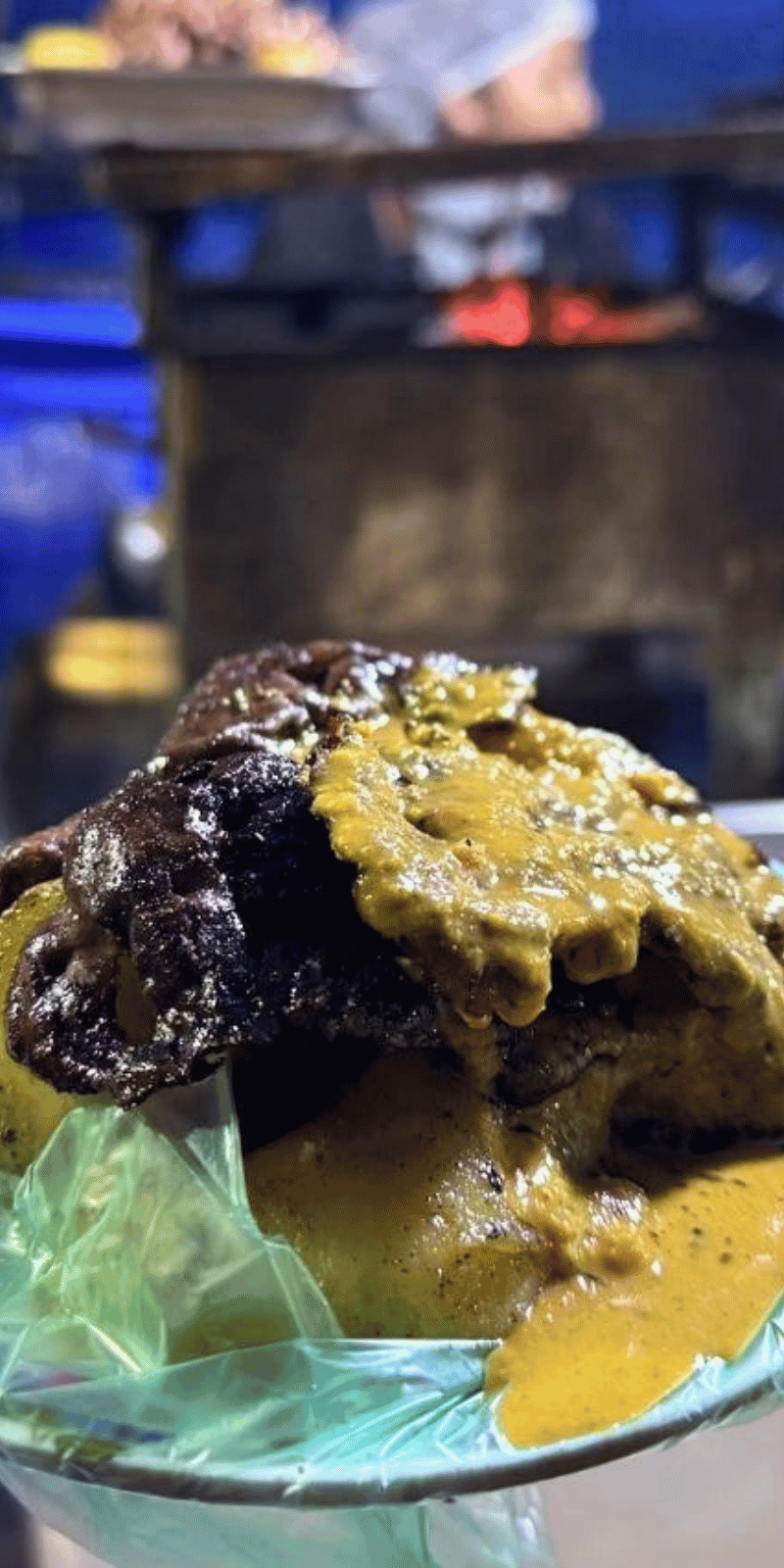
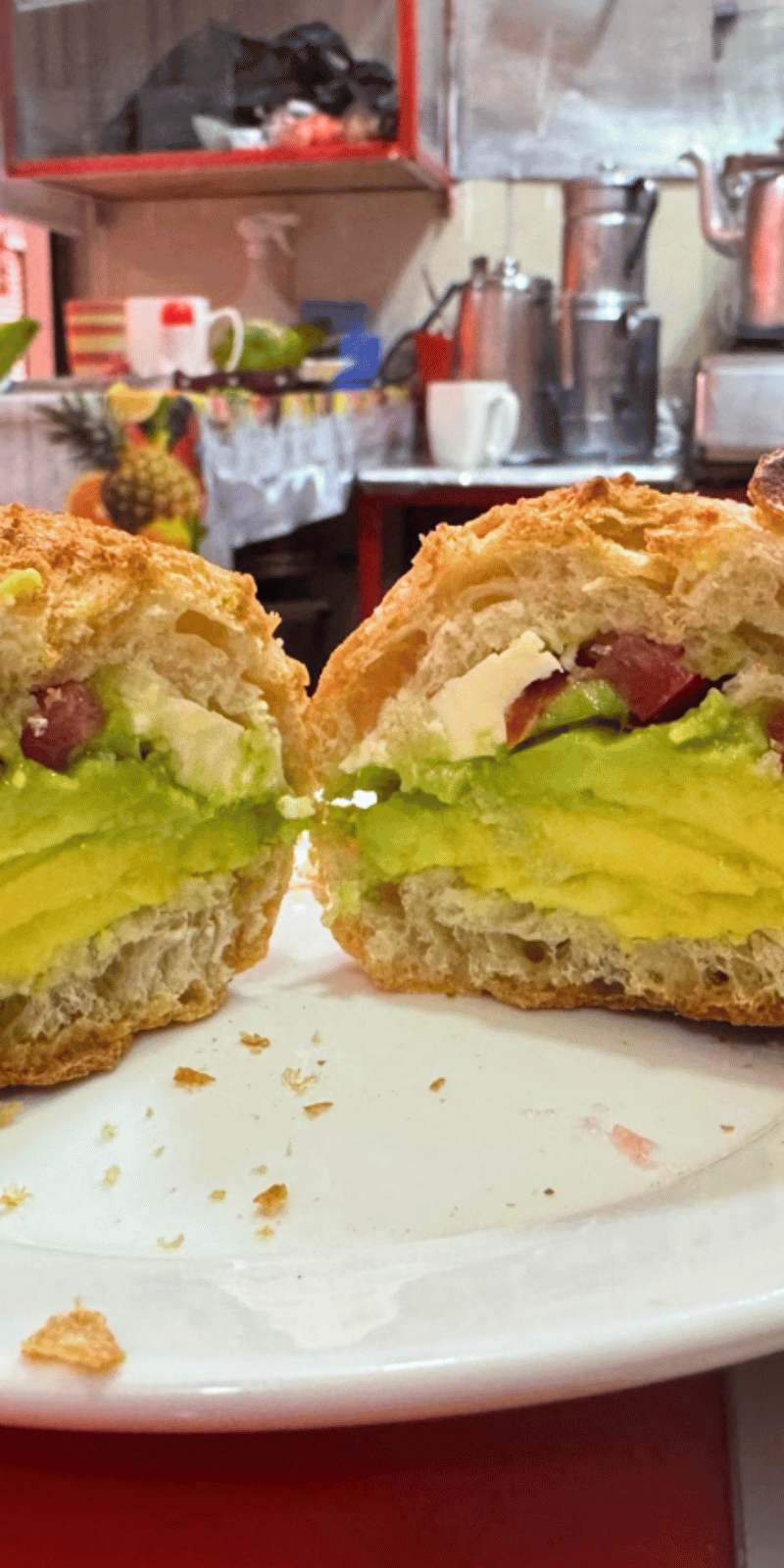
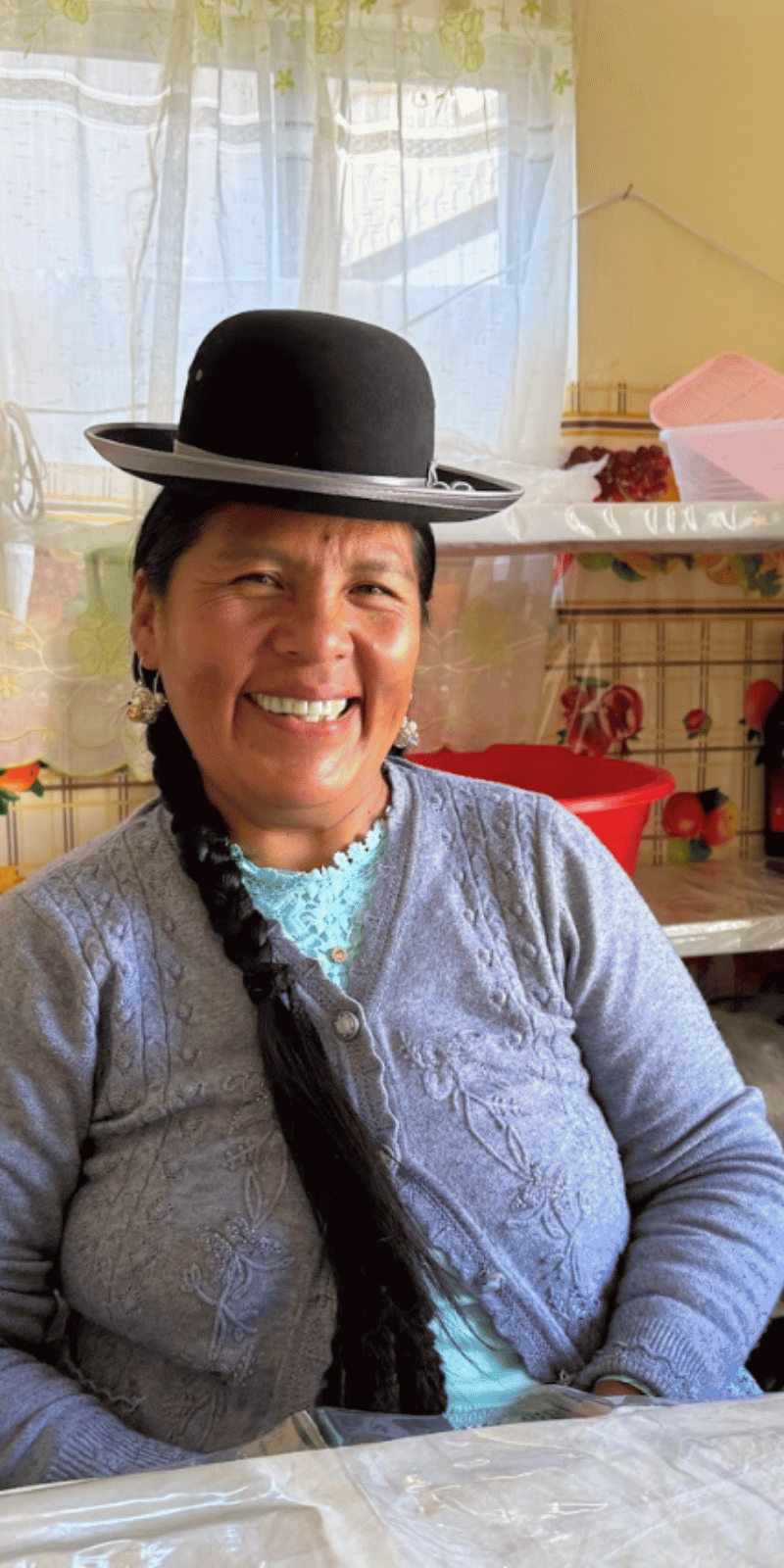
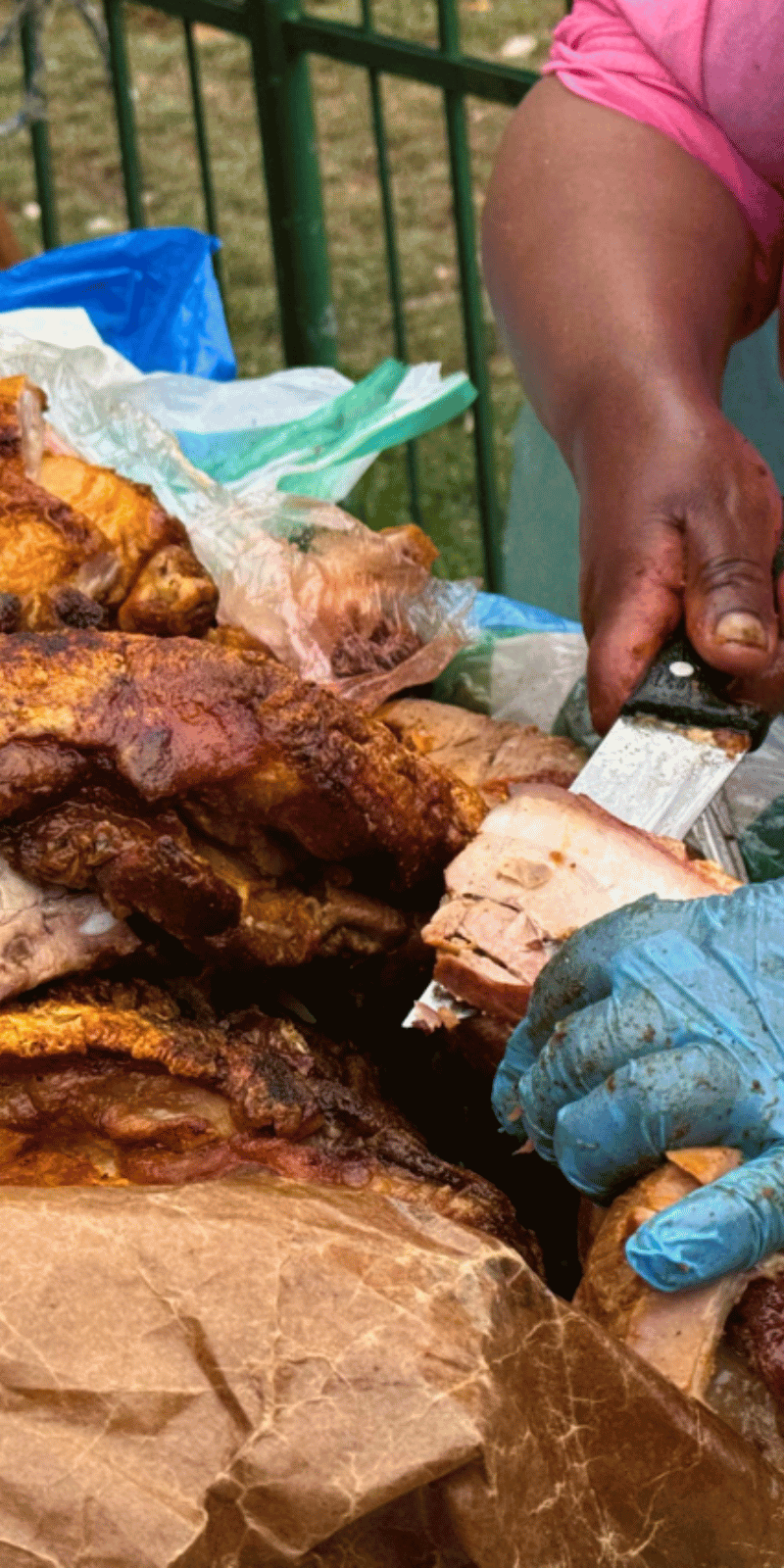
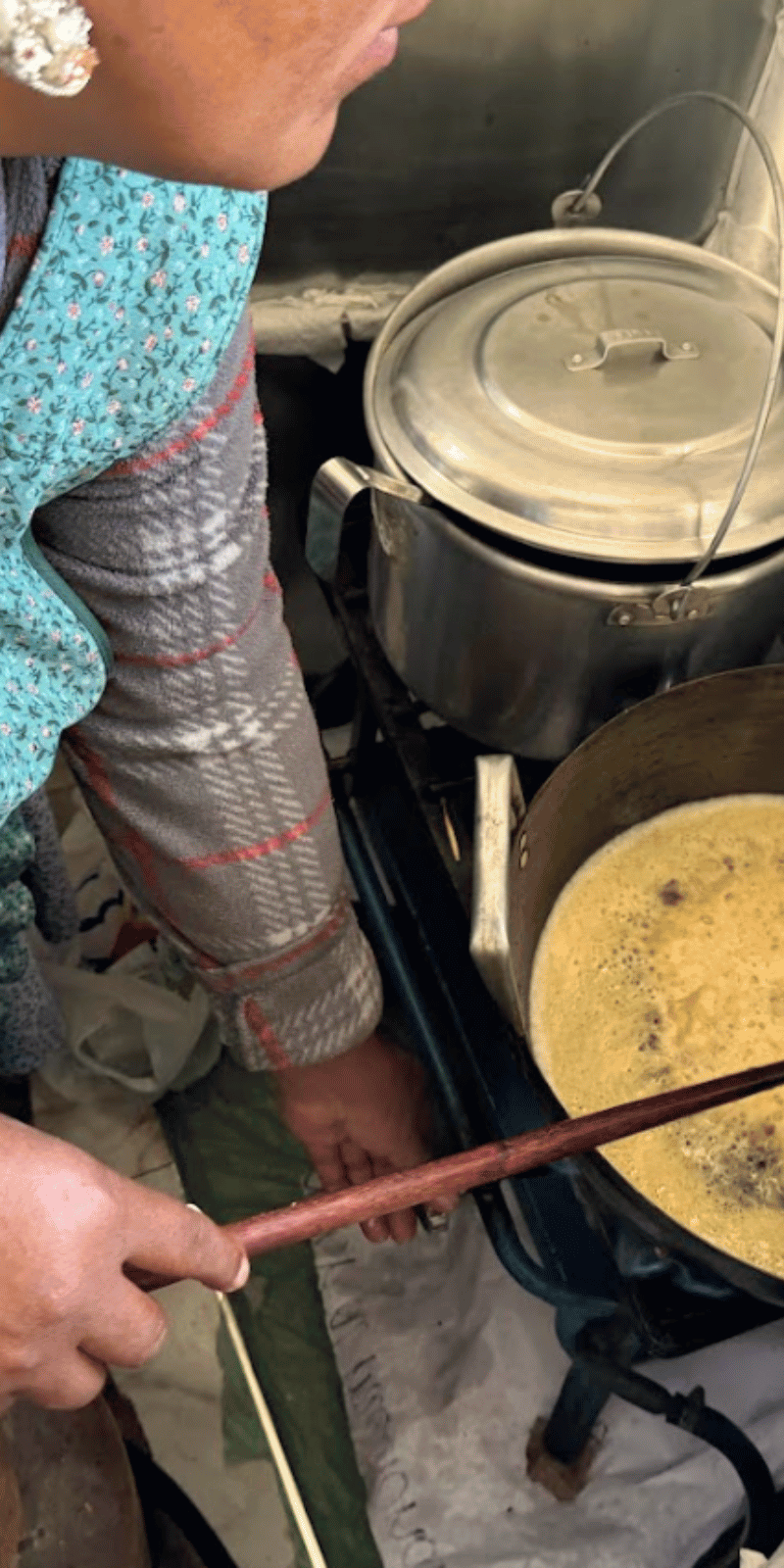
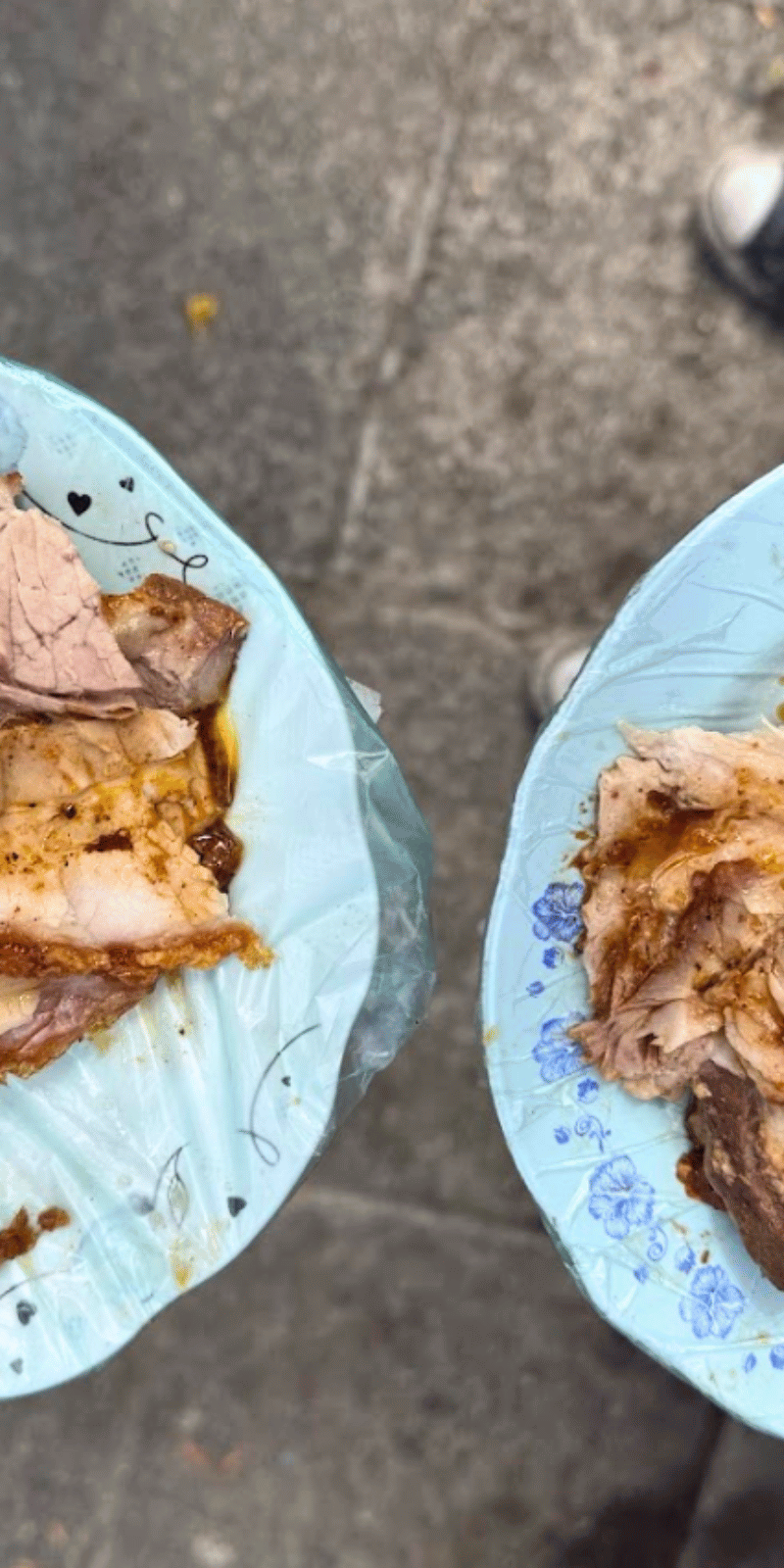
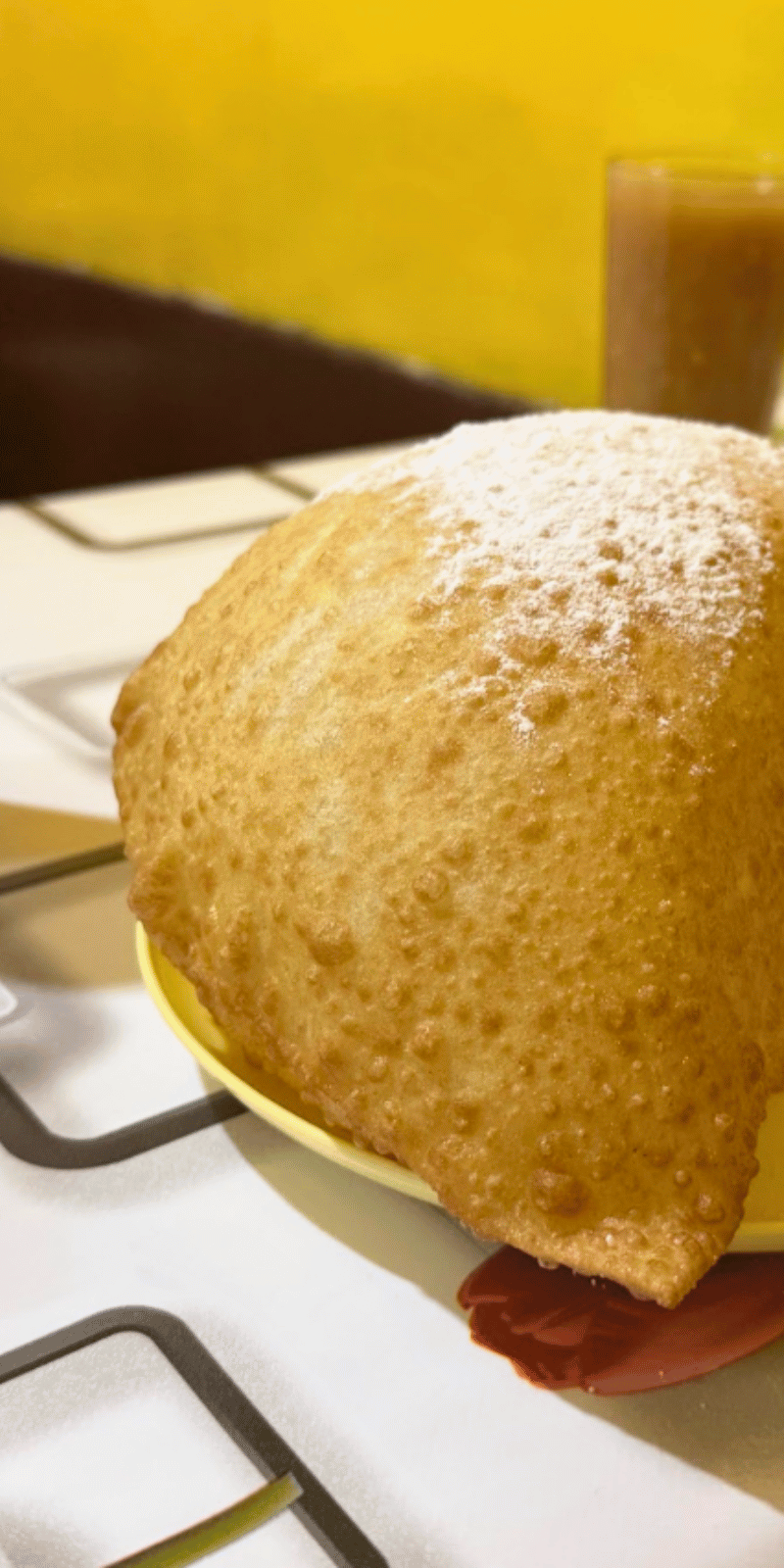
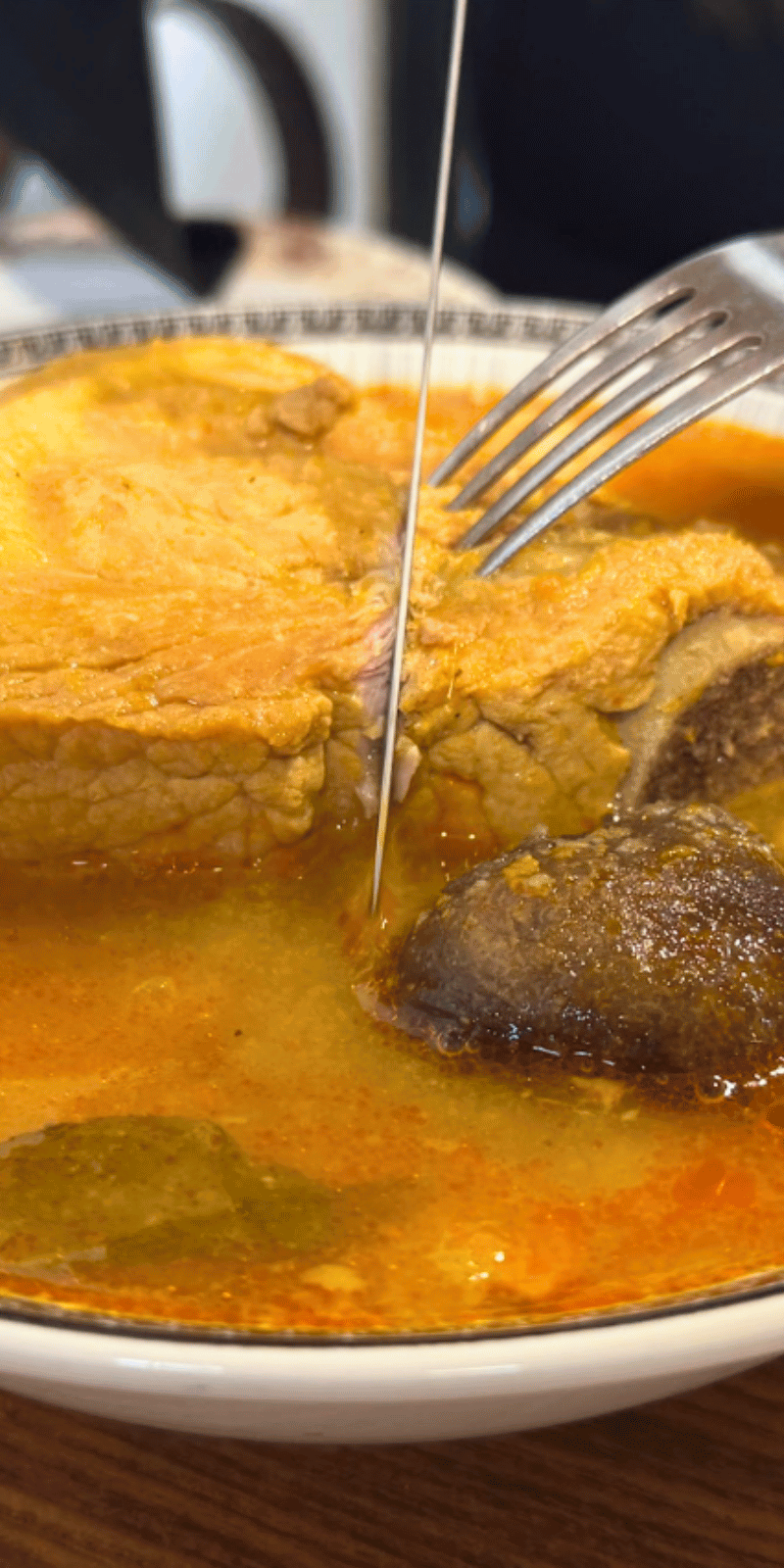
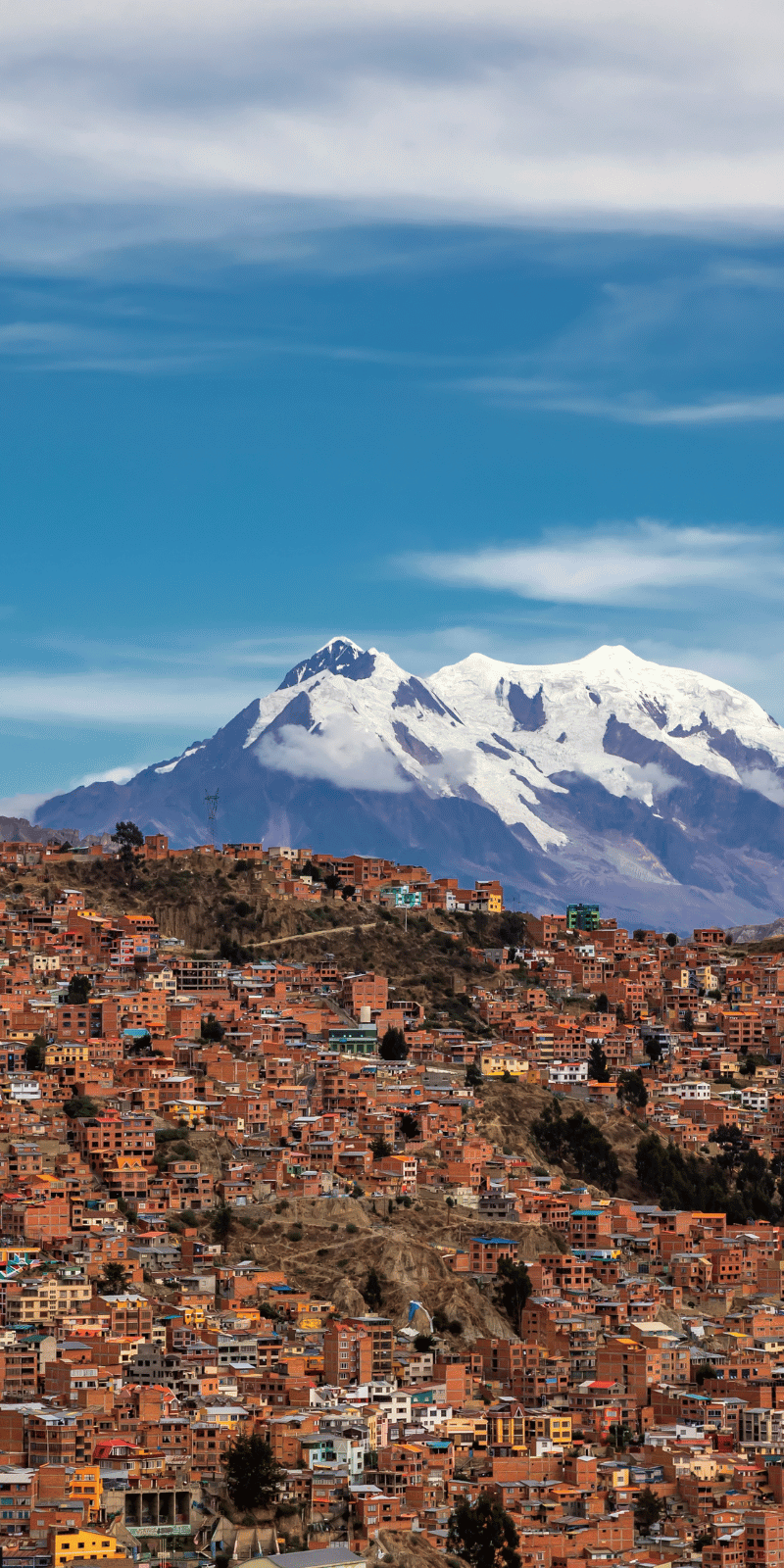
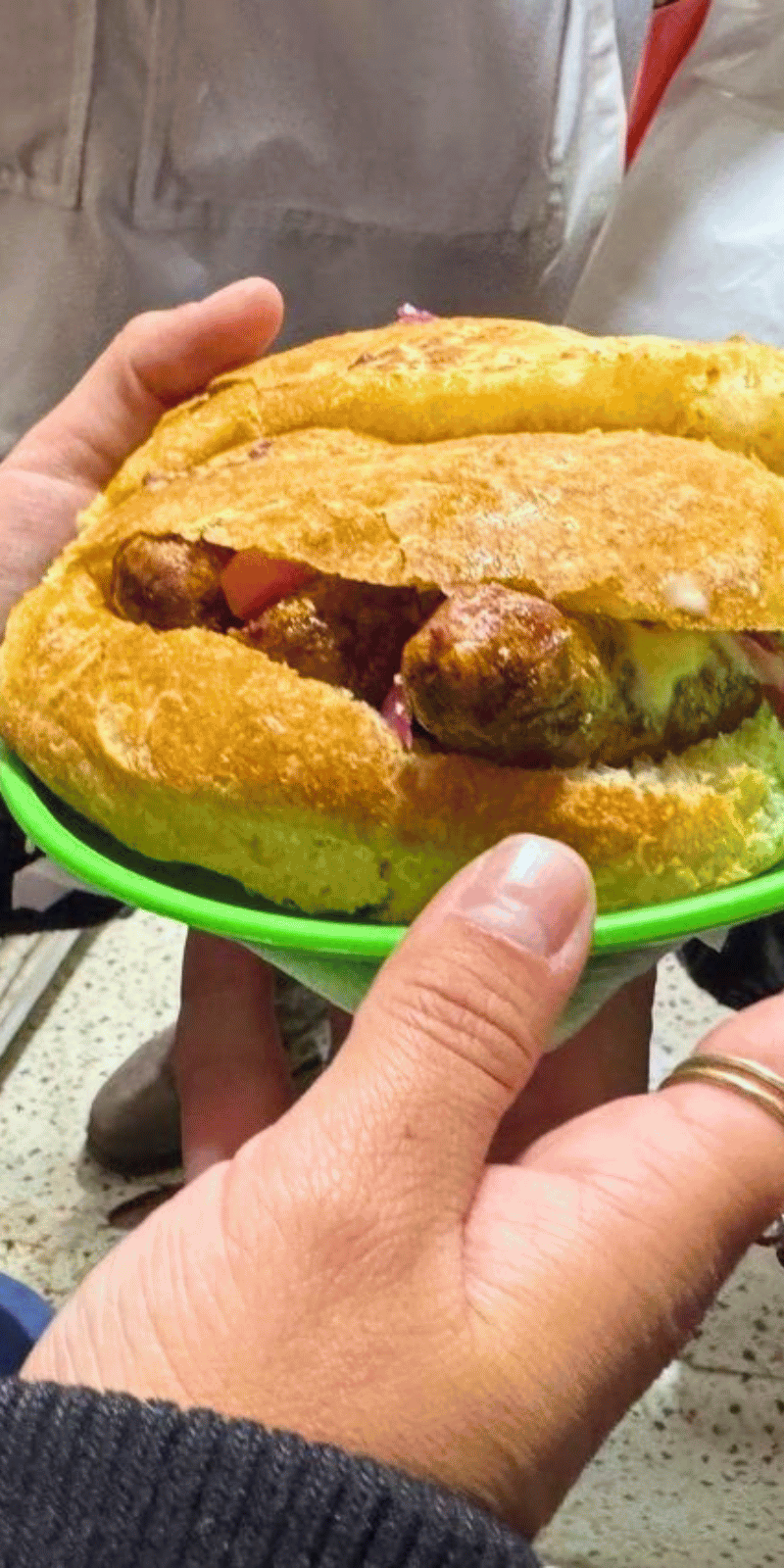
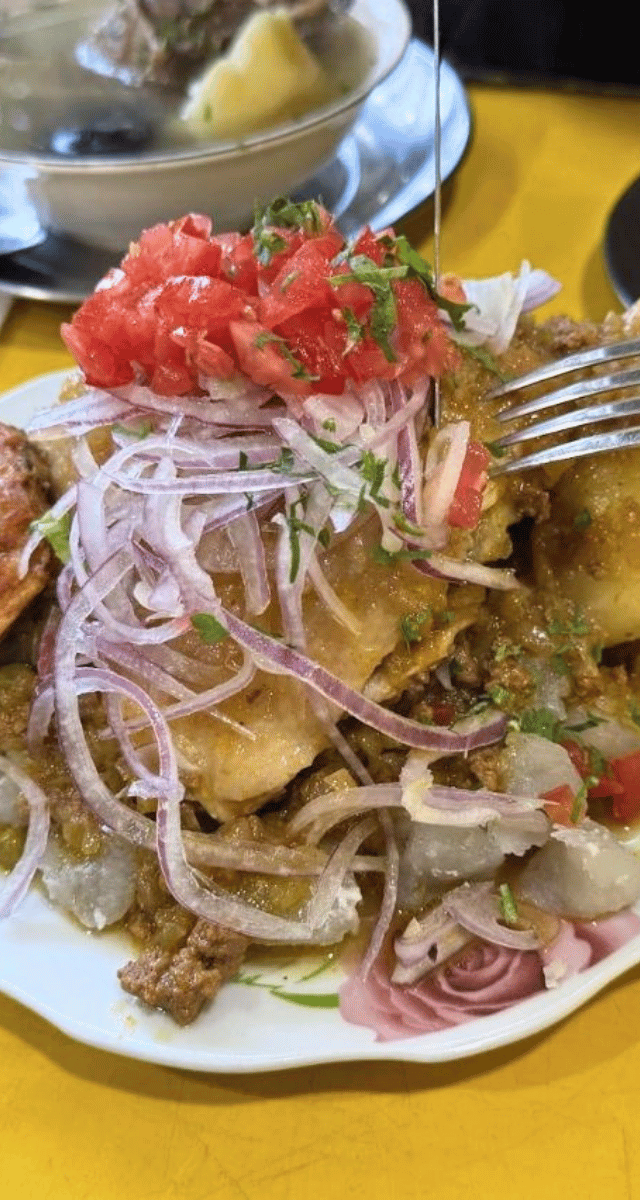
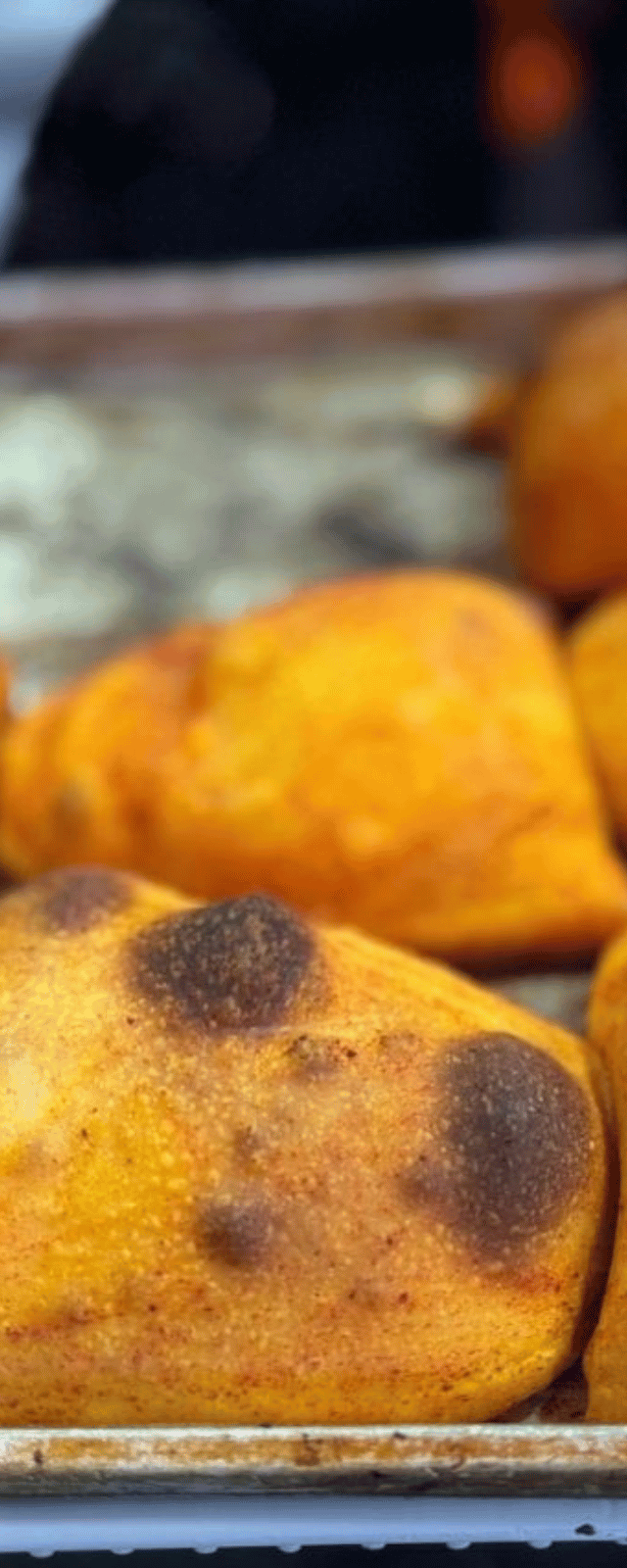
Salteñas juicy in the crust, pique macho piled with meat and chips, silpancho breaded steak, api morado hot purple corn drink. La Paz cooks Andean food at 3600 metres above sea level.
04 The pantry
- Chuno negro, black freeze-dried Andean potato
- Aji amarillo, yellow chilli for the paceña stew
- Llajwa, fresh tomato-and-locoto chilli sauce on every table
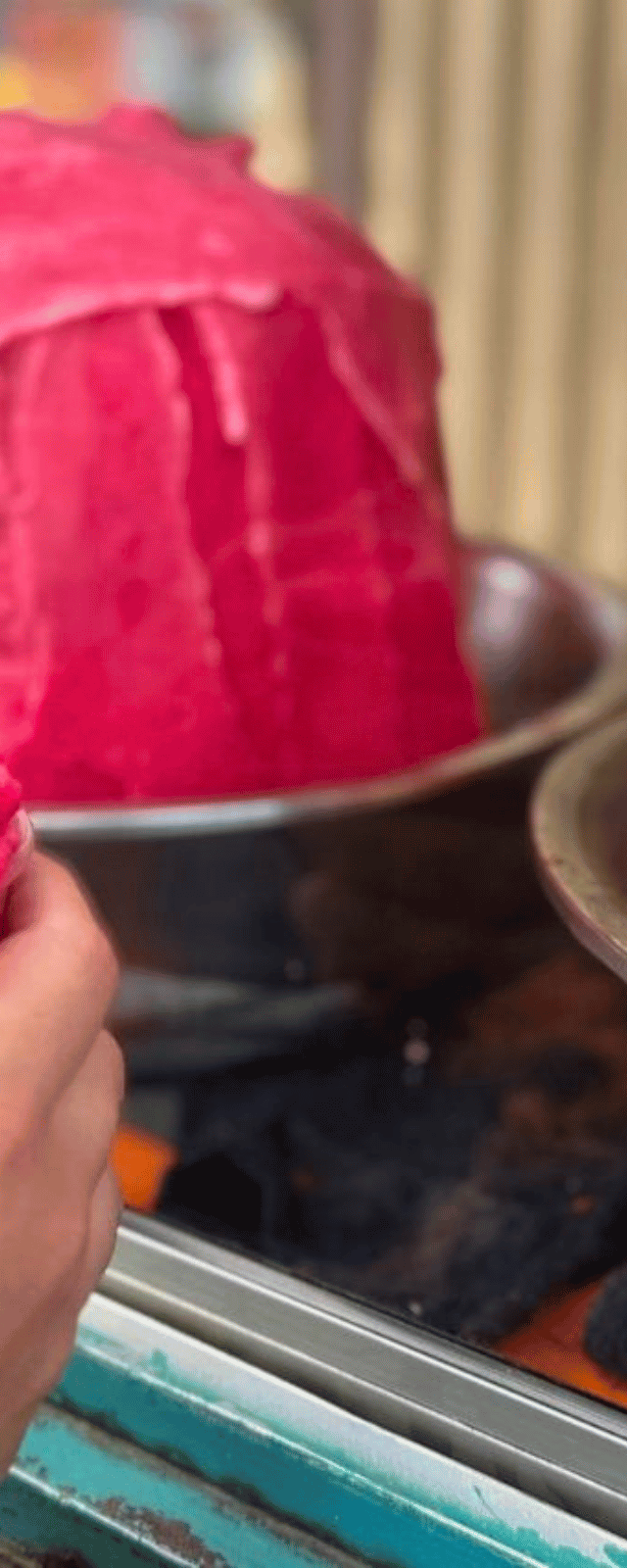
- Purple corn, for api morado hot drink
- Native potatoes, dozens of varieties from the altiplano
05 In the kitchen
- Baking salteñas juicy in a savoury-sweet dough shell
- Slow-simmering fricase paceno pork in aji amarillo broth
- Pounding llajwa fresh at the table with tomato and locoto
- Layering silpancho breaded steak over rice, potato and salsa
- Brewing api hot purple corn drink for cold mornings
06 Eat this first
- Salteñas, juicy meat and vegetable pastries eaten mid-morning
- Pique macho, pile of grilled beef, chorizo, tomato and chips
- Silpancho, breaded thin steak over rice with fried egg
- Api con pastel, warm purple corn drink with fried cheese pastry
- Fricase paceno, spiced pork stew with hominy


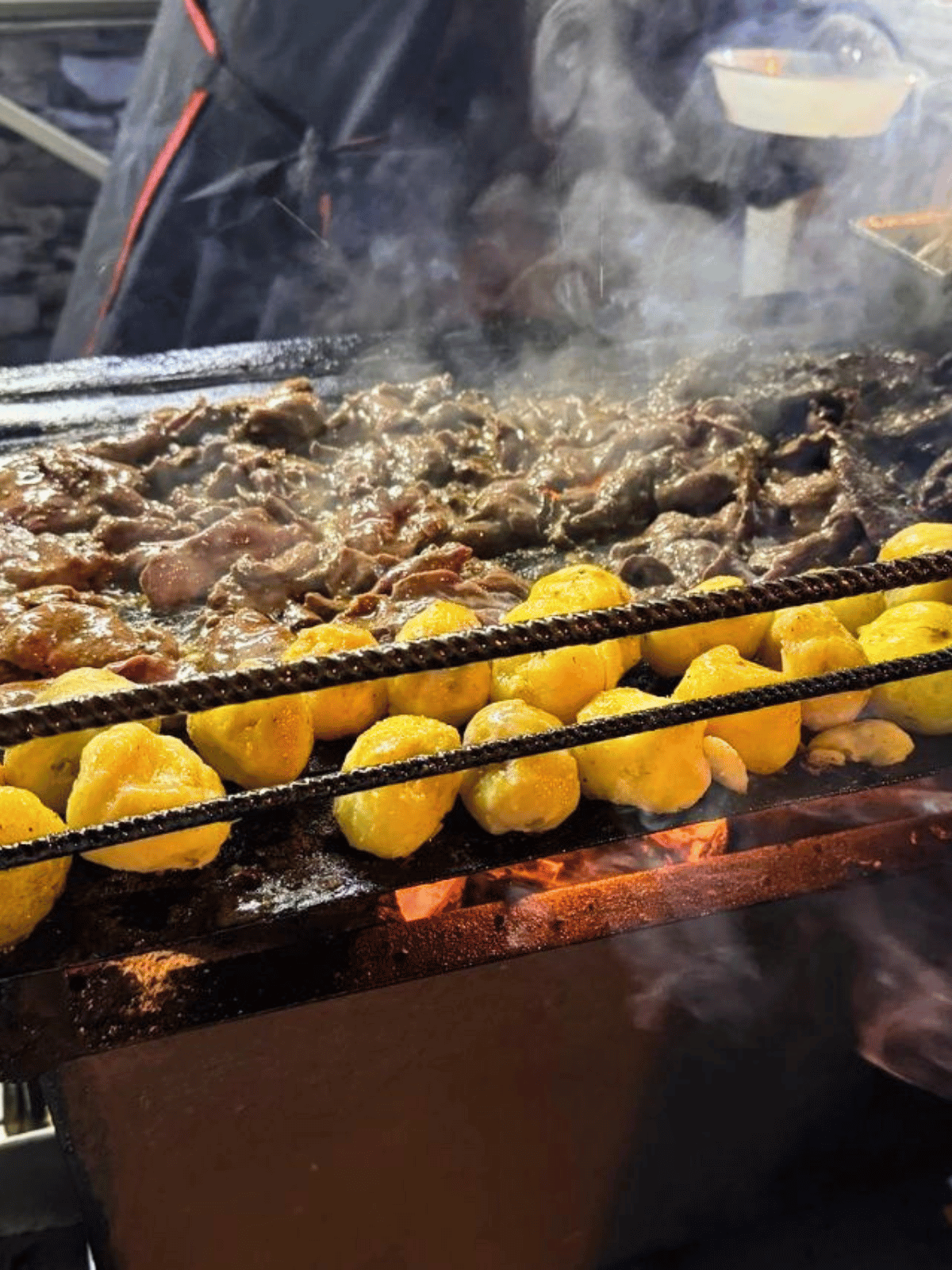
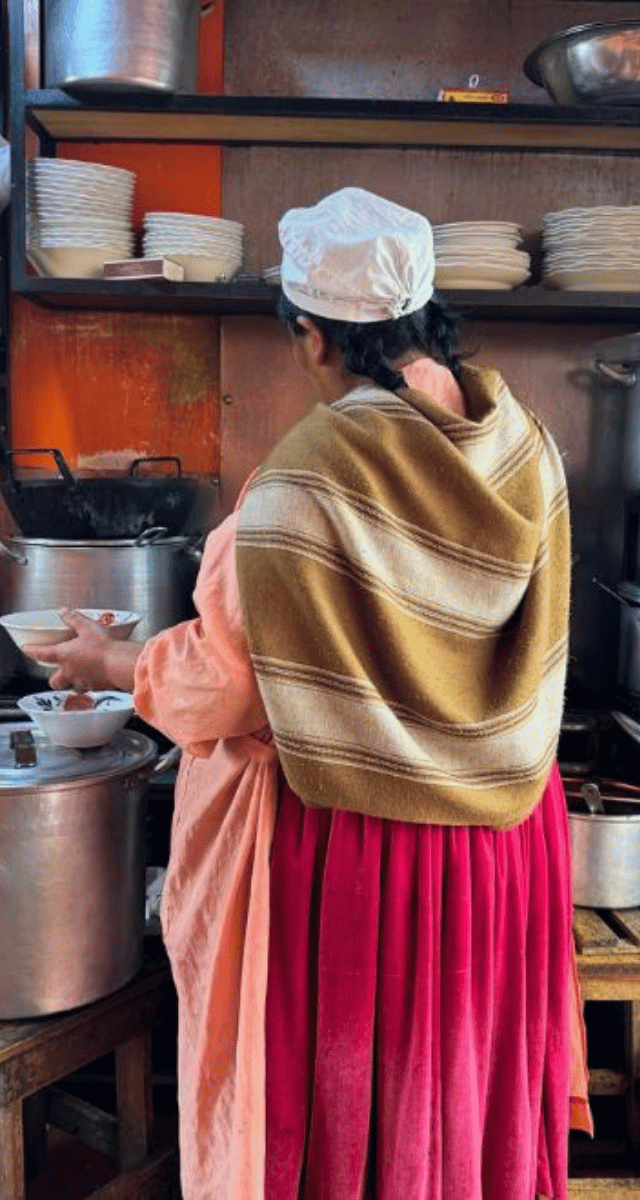
What happens inside a hammam kitchen
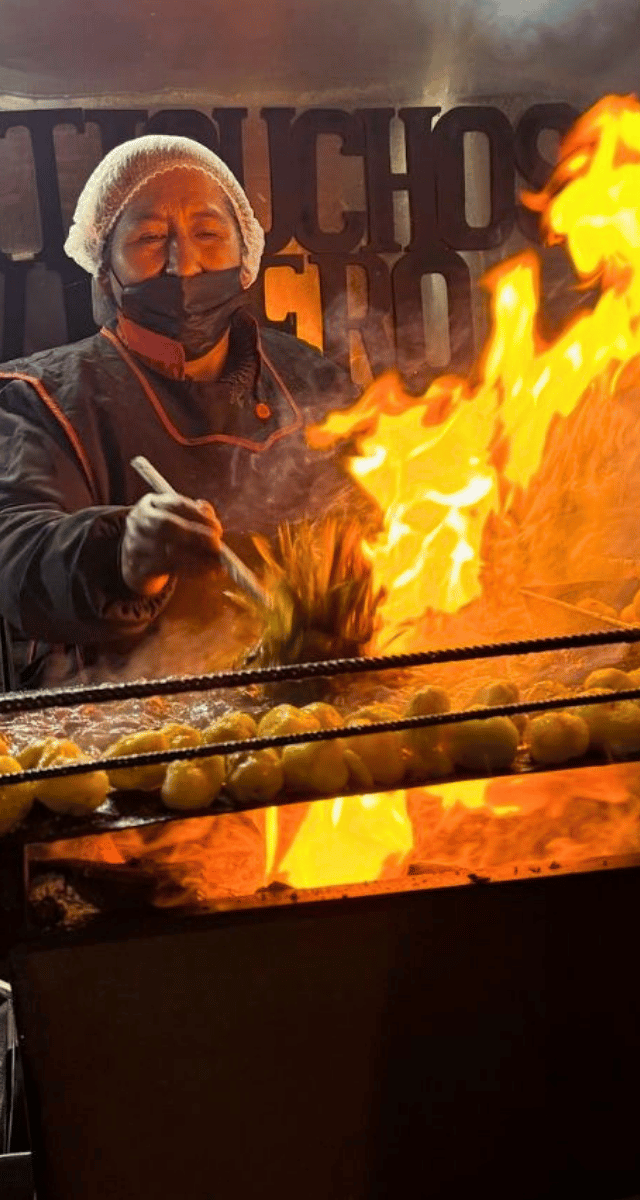
A morning with the cooks who feed the neighbourhood before dawn. Charcoal, dough, the smell of a bakery working its second oven.
10 Field Notes
Quick field notes to help you get accustomed to La Paz.
Weather
Extreme altitude at 3,600 m. Cool days (18°C) and cold nights (near freezing) year-round. Take the altitude seriously, rest on arrival.
Currency
The Bolivian boliviano (BOB). Cash almost everywhere; cards at mid-range hotels and restaurants only.
Language
Spanish; Aymara and Quechua heard widely, especially in El Alto and markets. English coverage is thin.
Etiquette
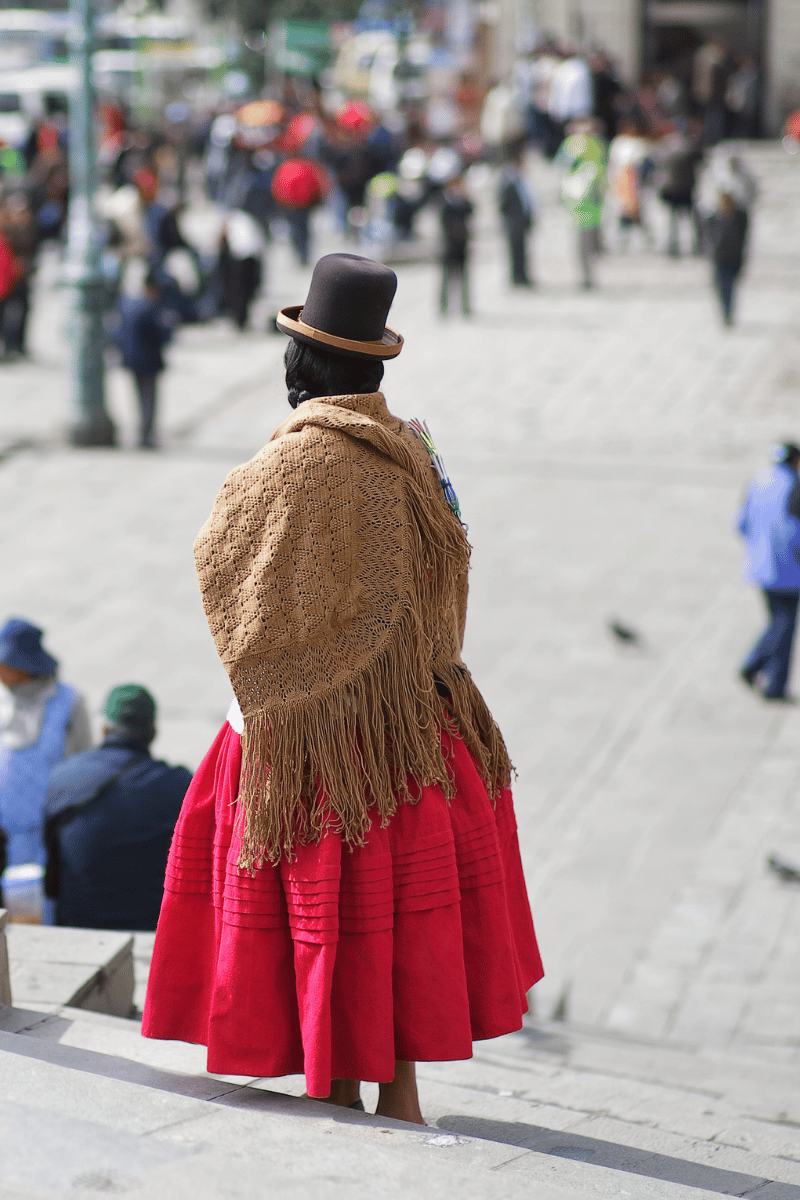
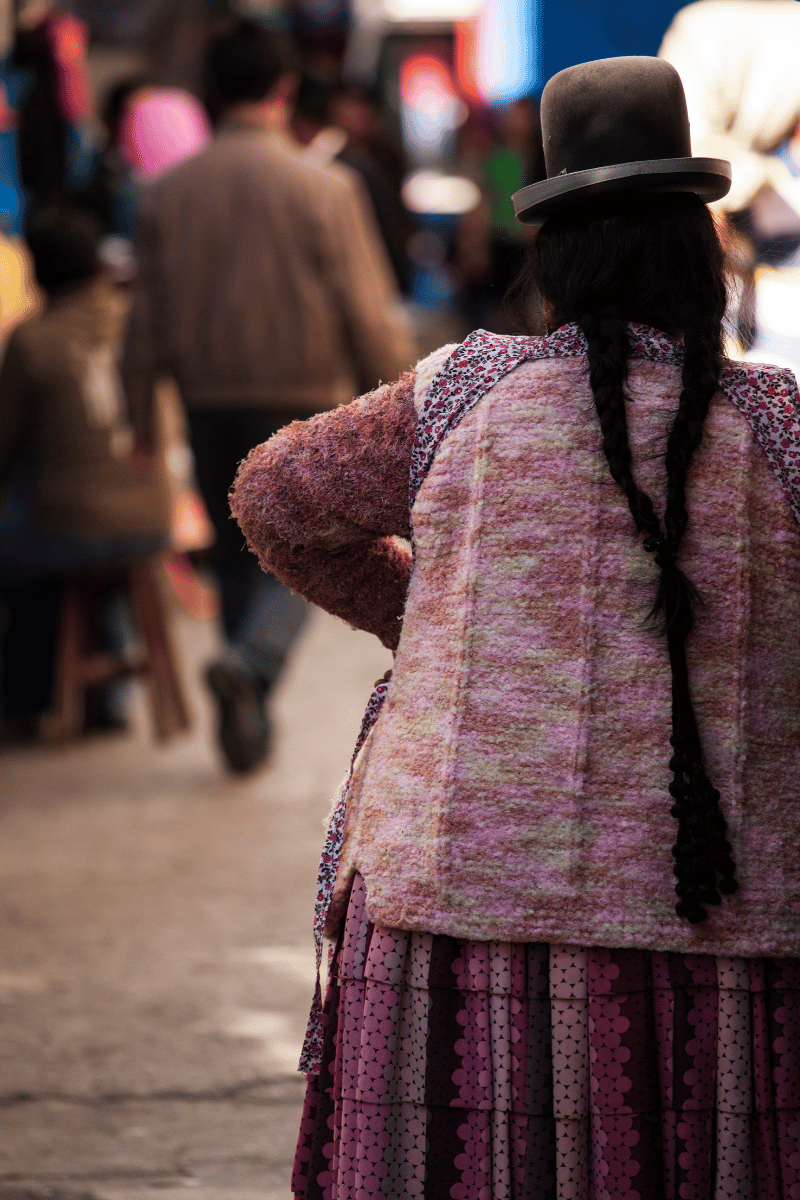
Modest dress at religious sites. Ask before photographing indigenous women (cholitas). Many prefer not to be photographed or expect a small tip.
Getting around
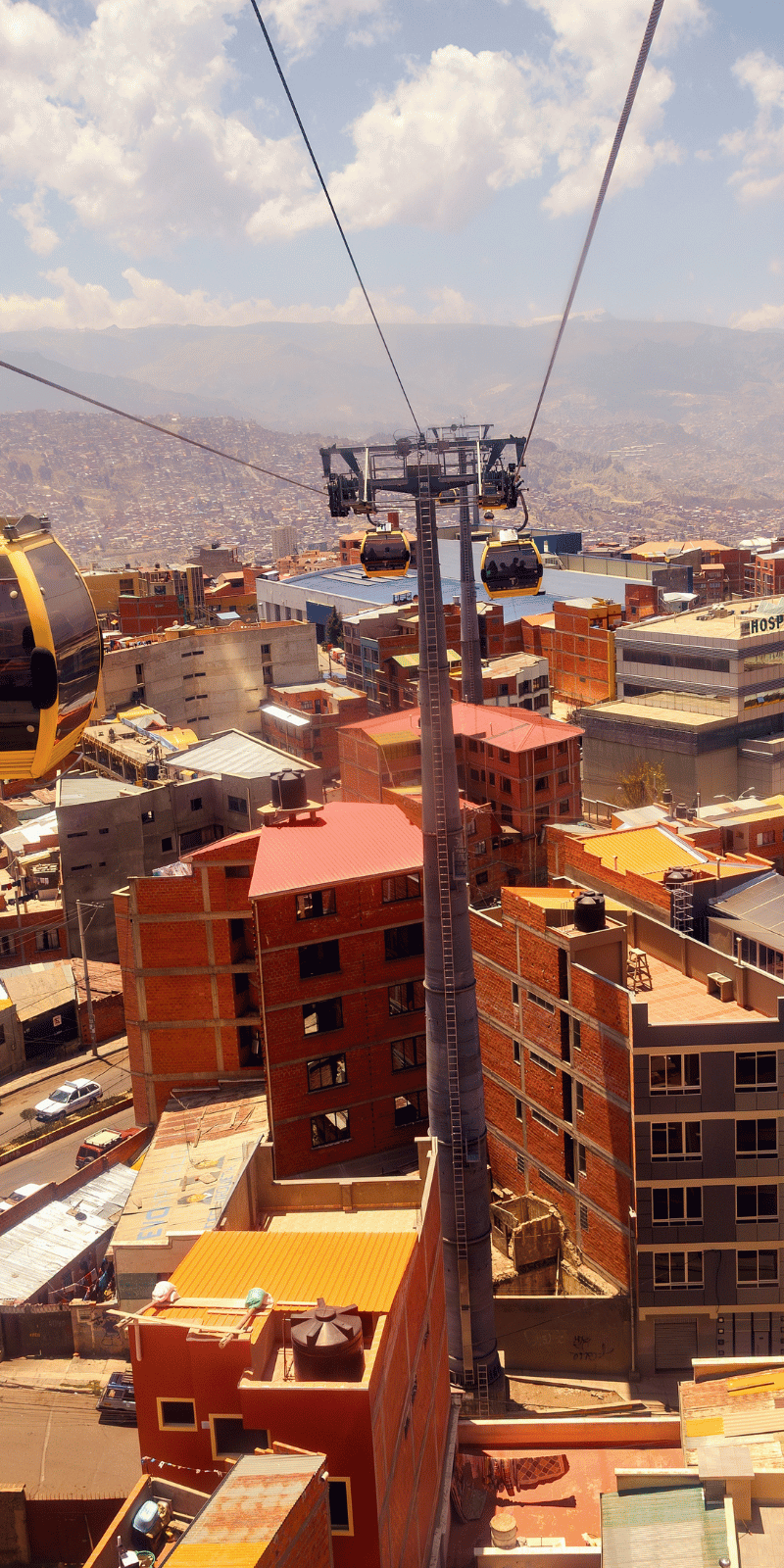
The Mi Teleférico cable-car network is one of the world's largest urban systems, cheap, quick, spectacular. Radio taxis are the safe option; some Uber presence.
Prayer
Catholic layered over deep Aymara / Andean traditions. The Ekeko festival, Alasitas, and pilgrimages to Copacabana all blend the two.