
01 Food tours
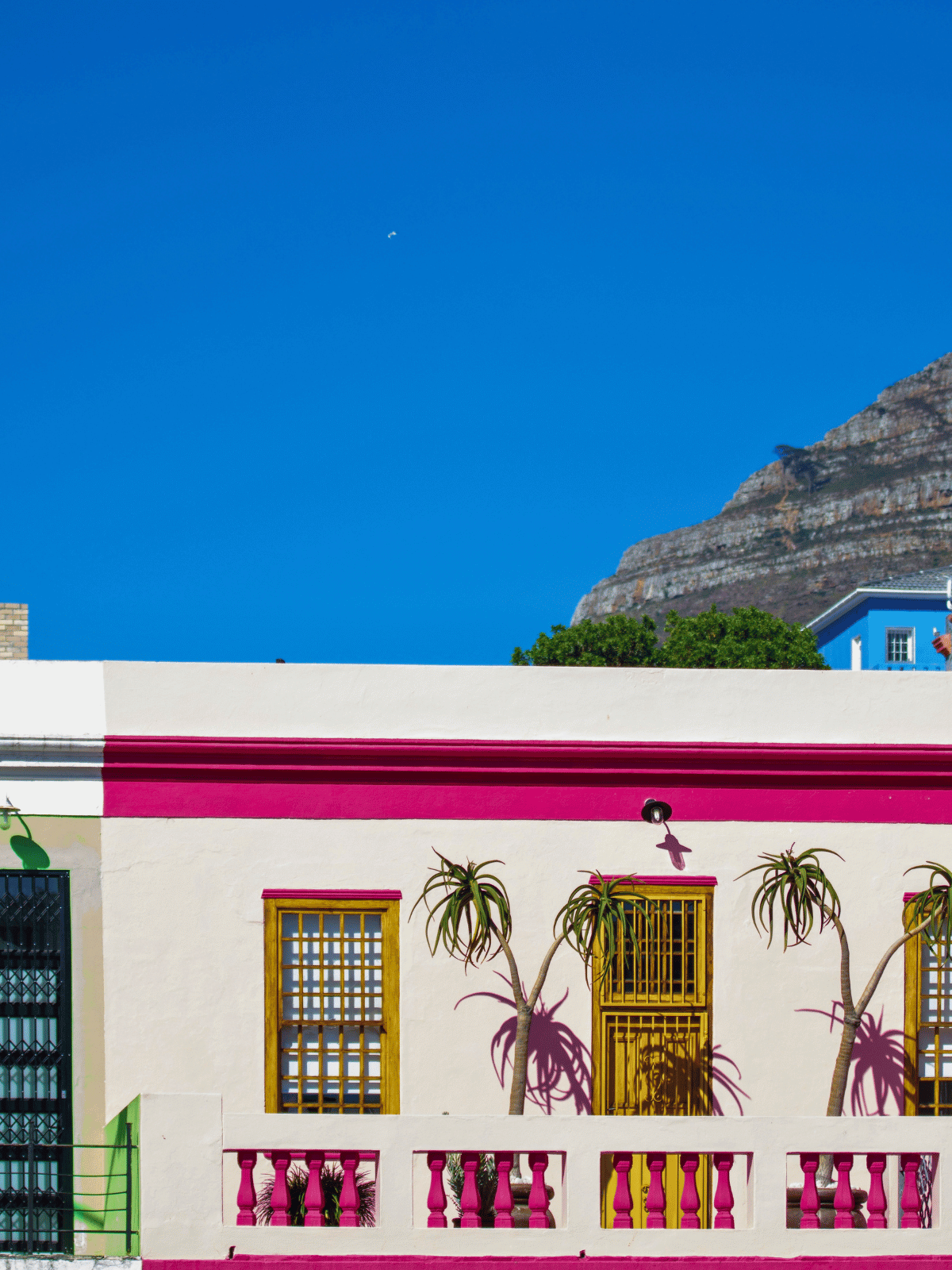
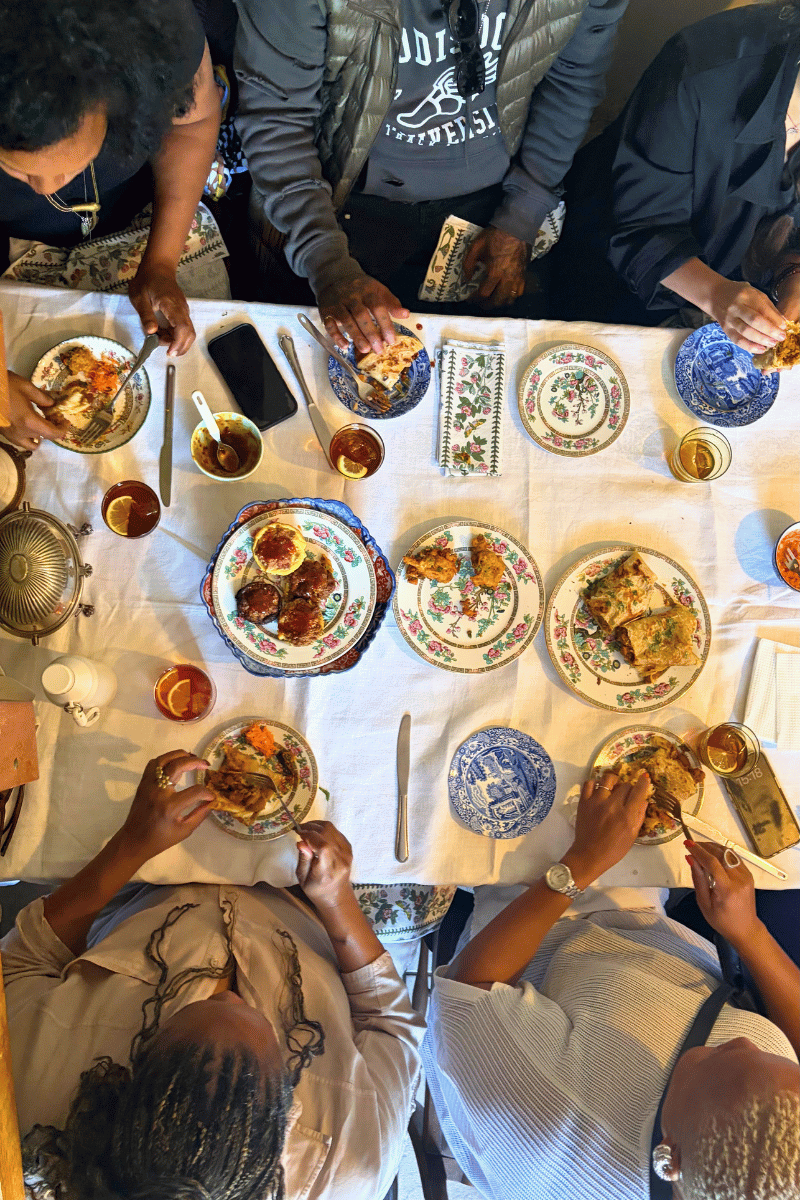
Original food tours, curated with our local tastemakers to showcase the neighbourhood kitchens, markets and family-run eateries that define Cape Town.
02 Meet the tastemakers
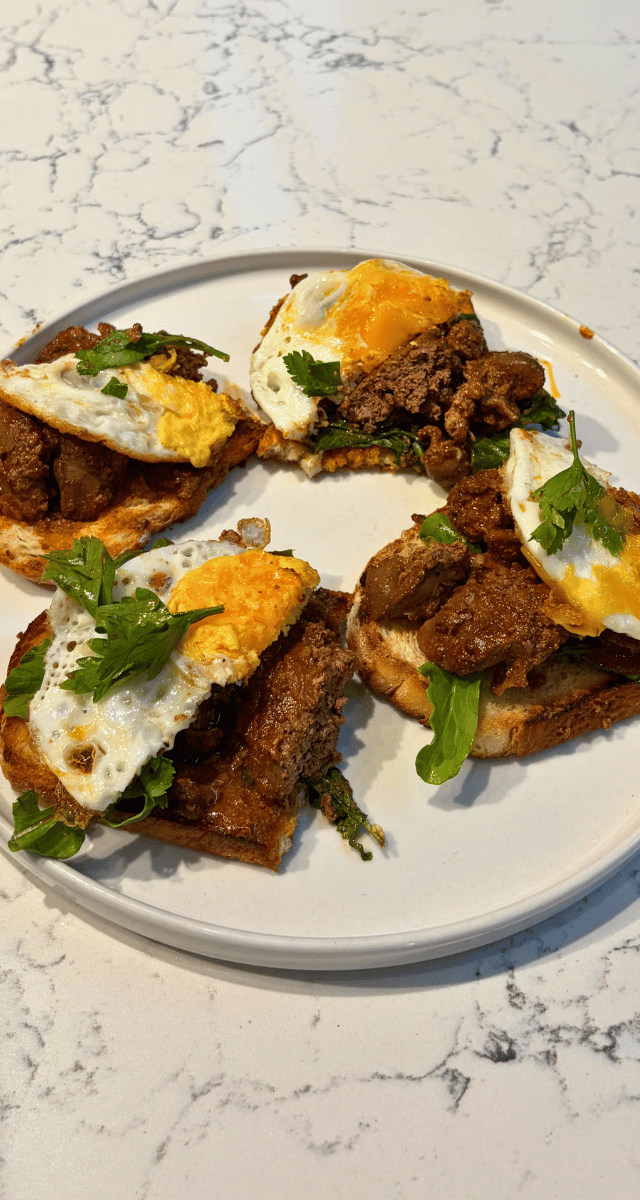
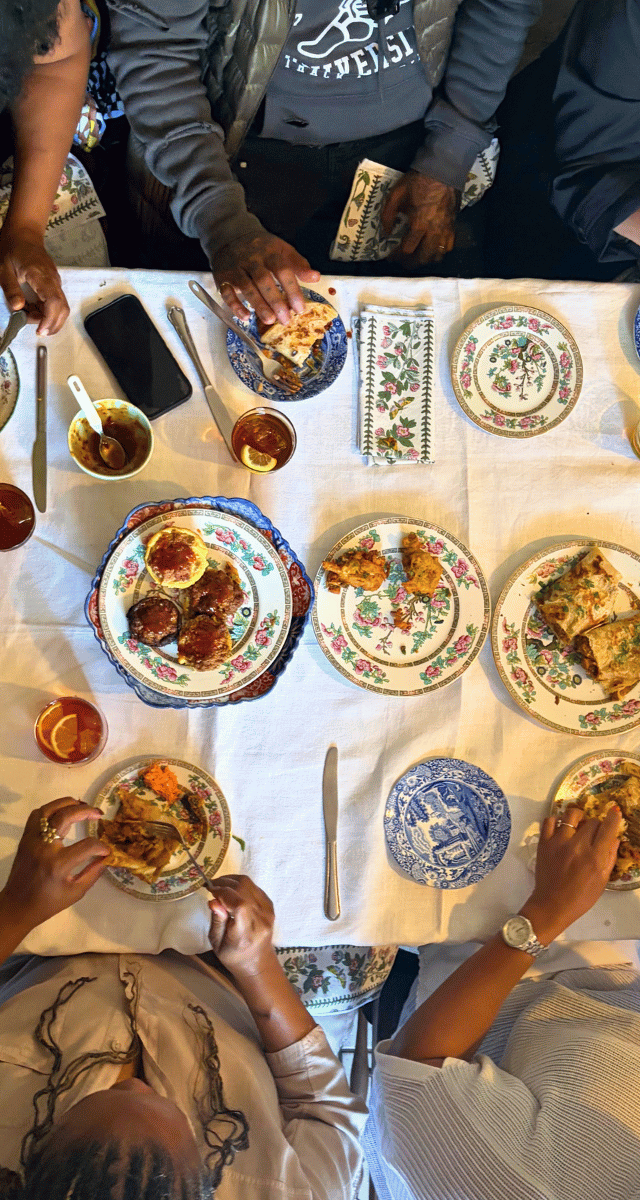
The local food experts who help us research, refine and lead every A Chef's Tour.

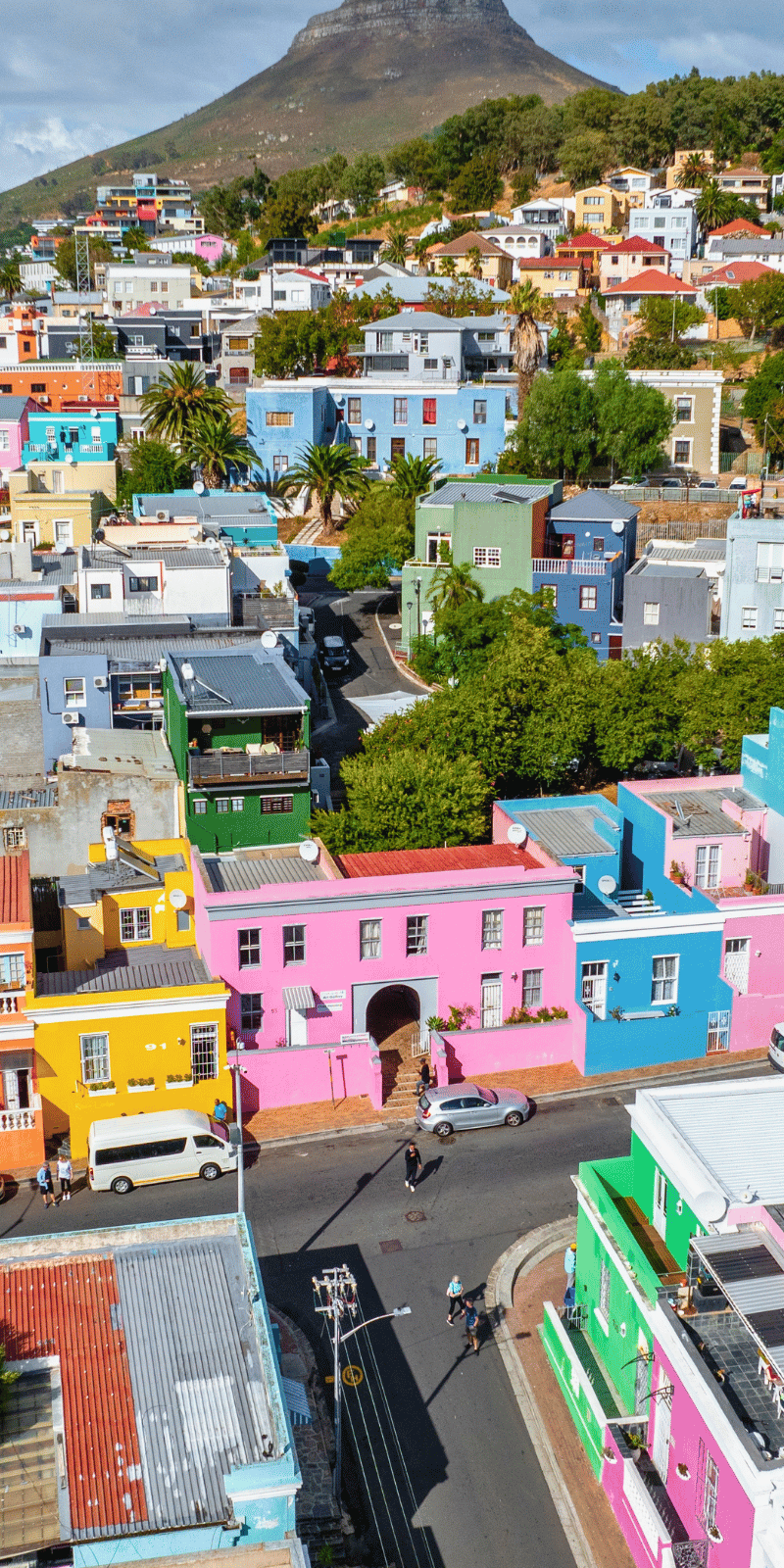
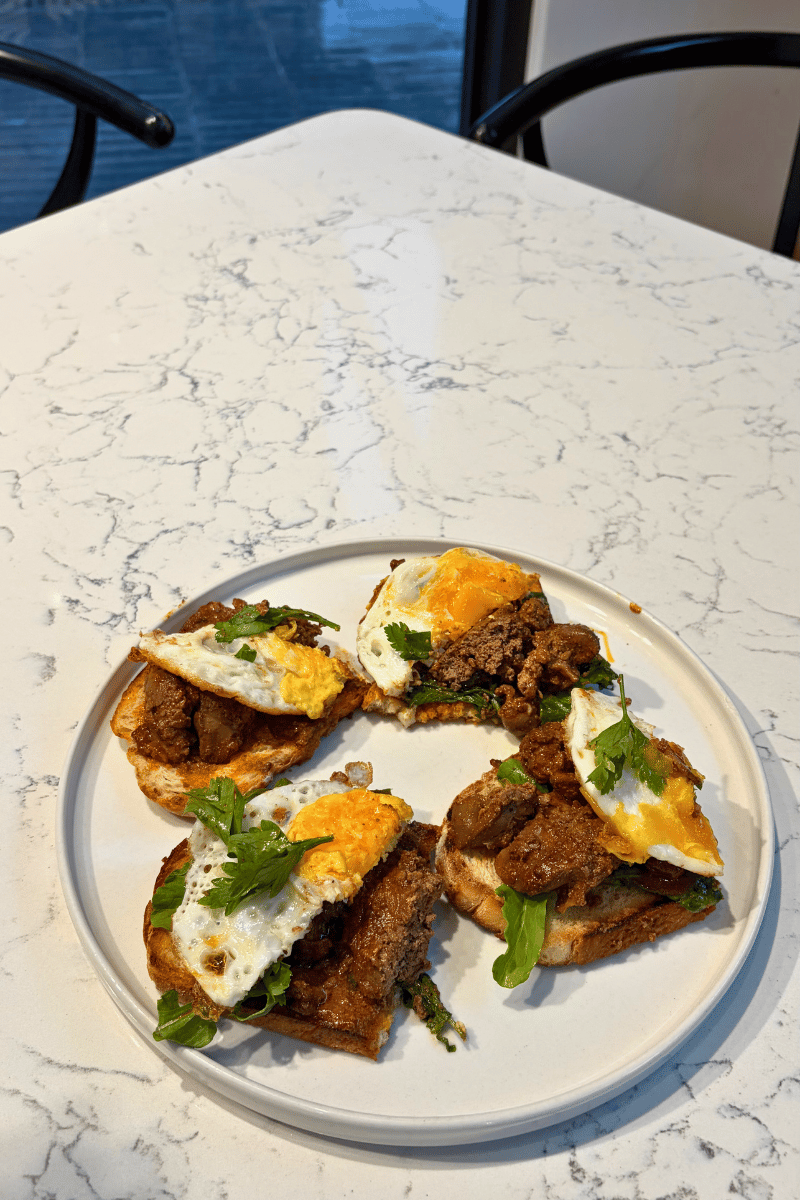
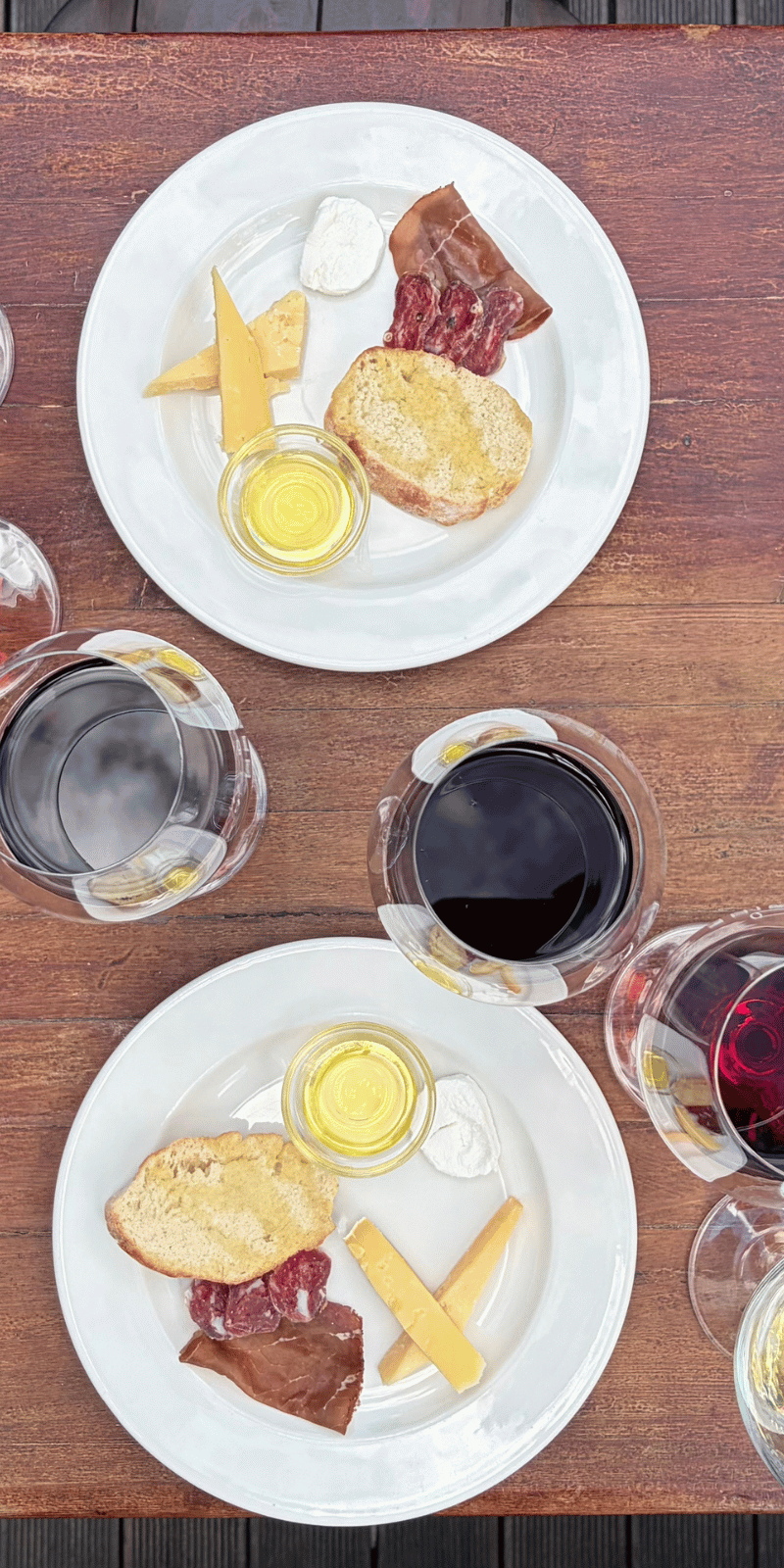
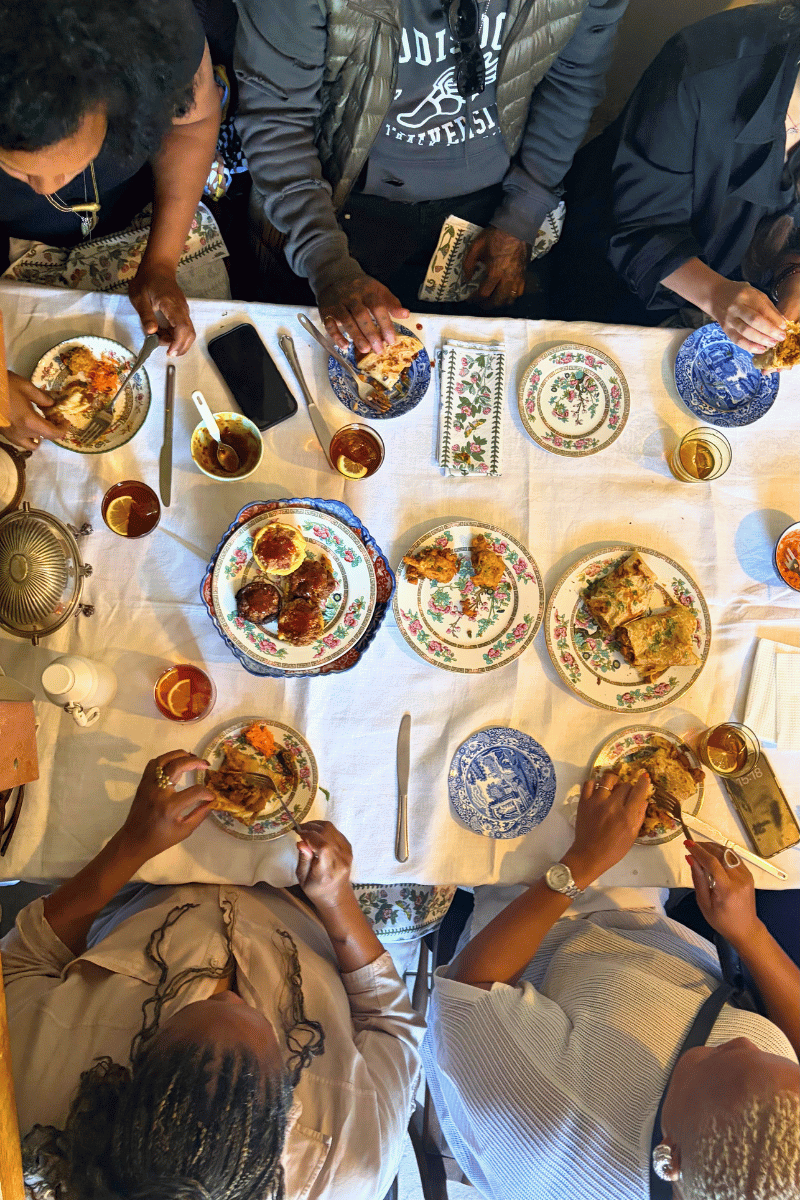
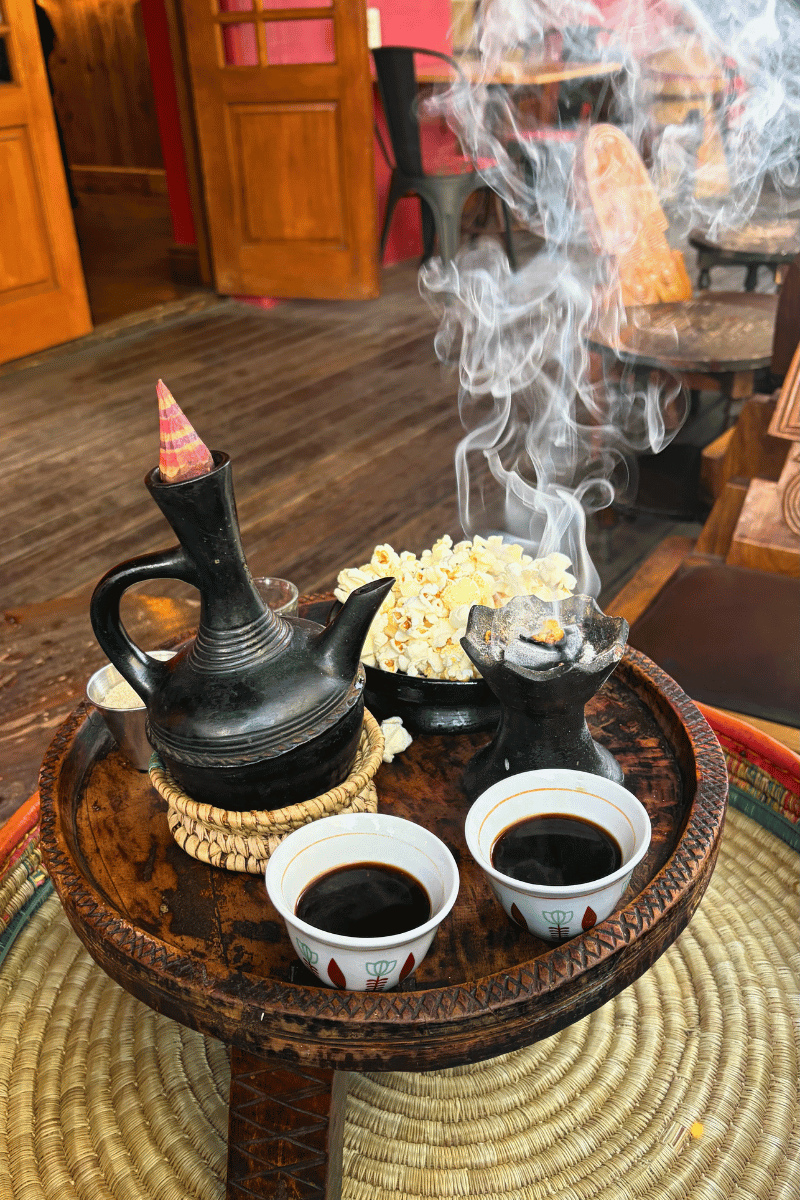
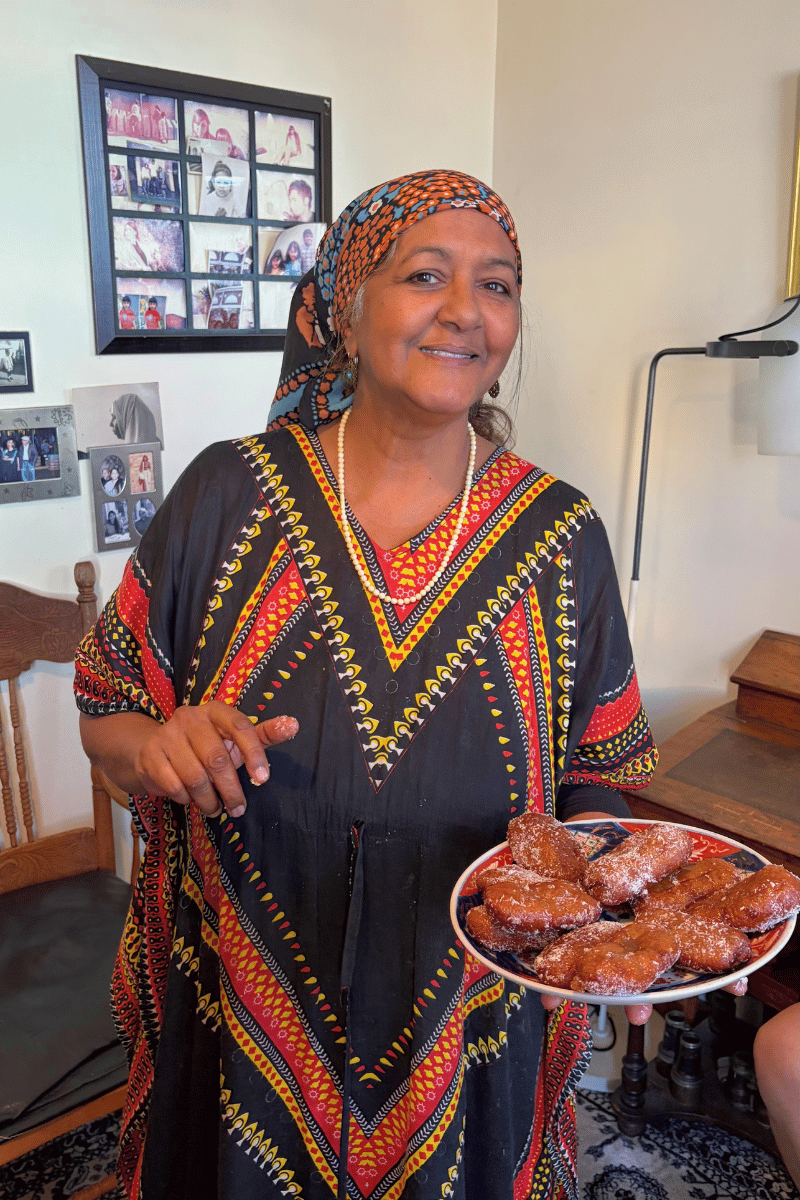
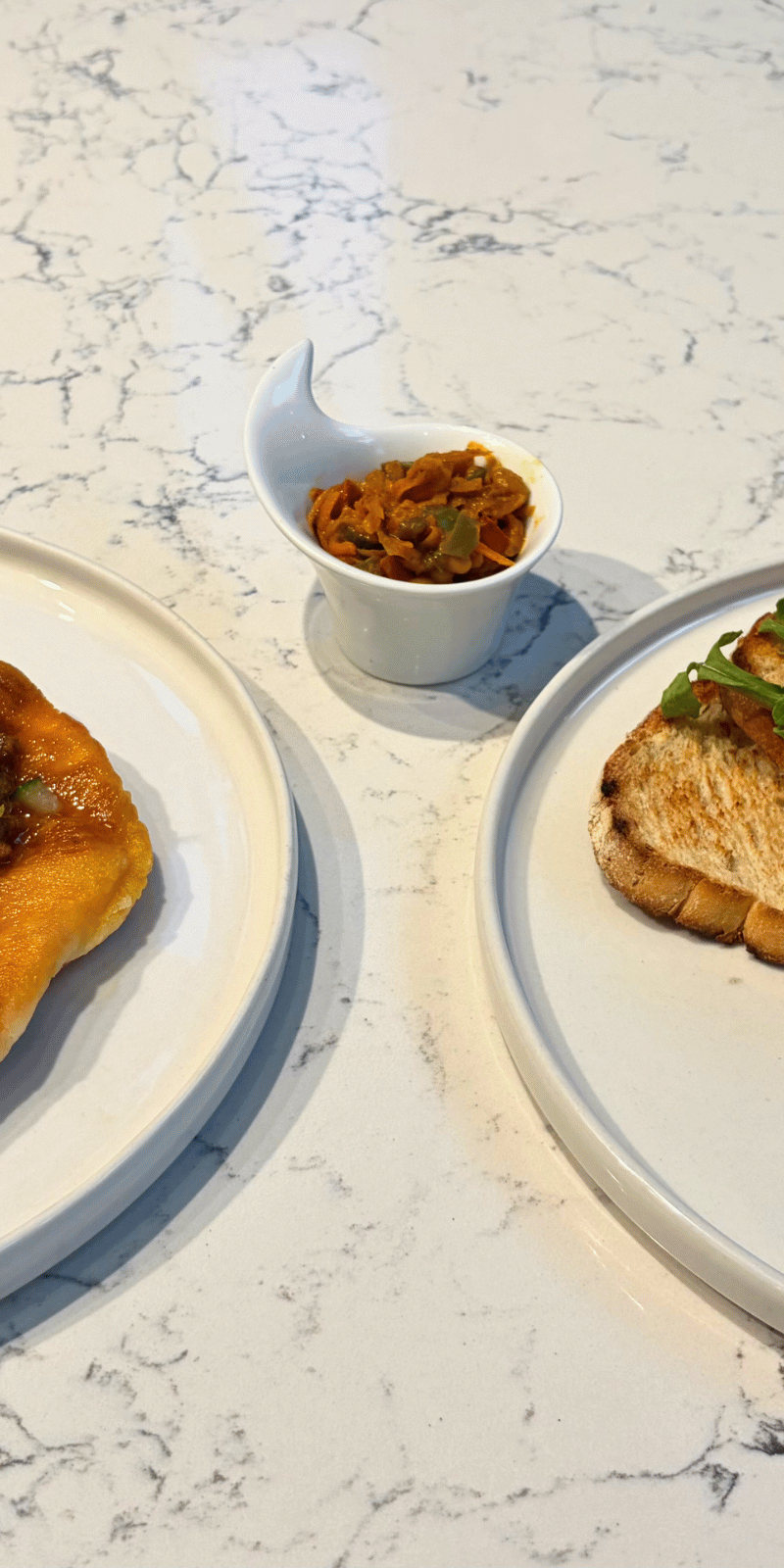
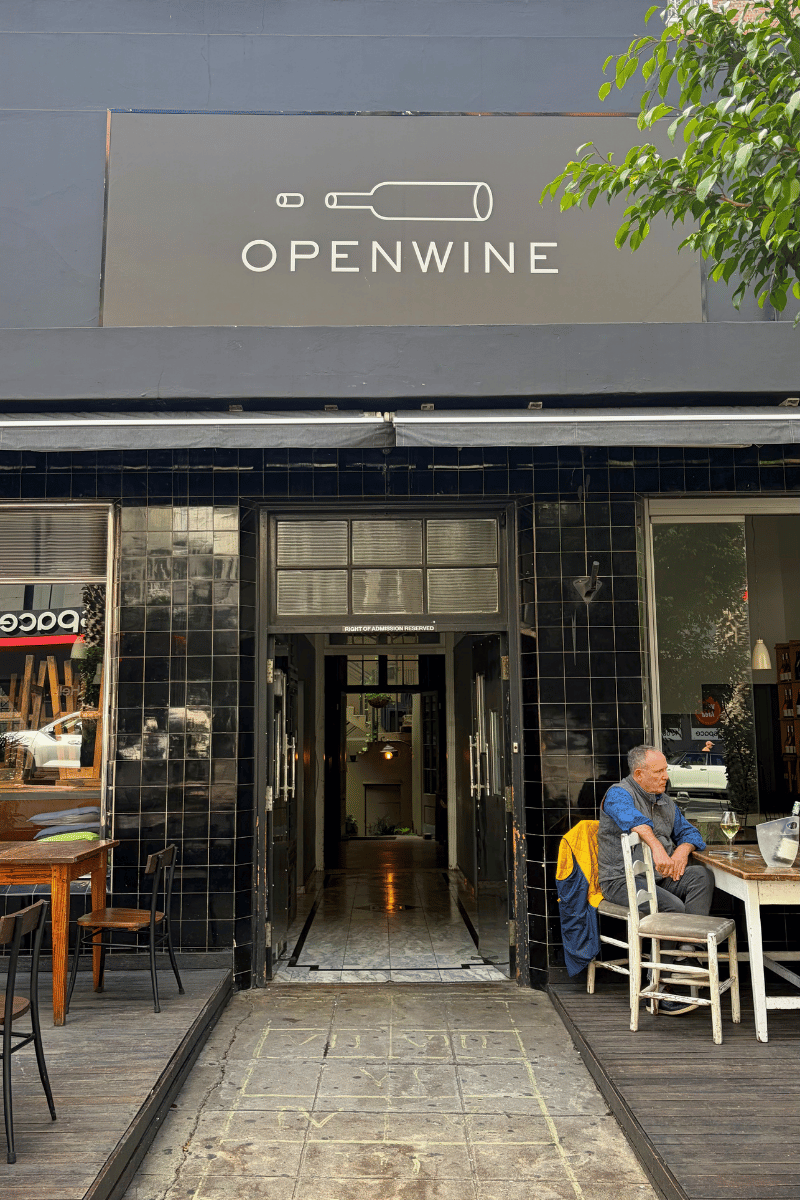
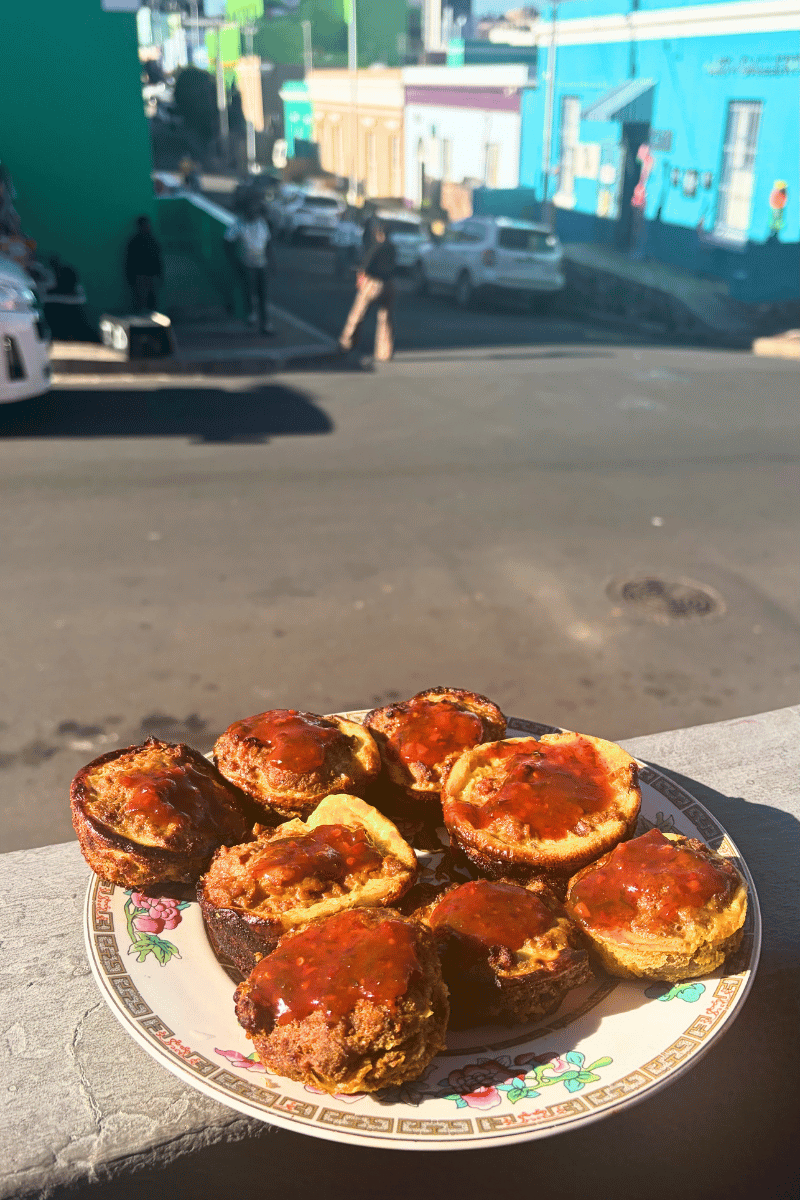
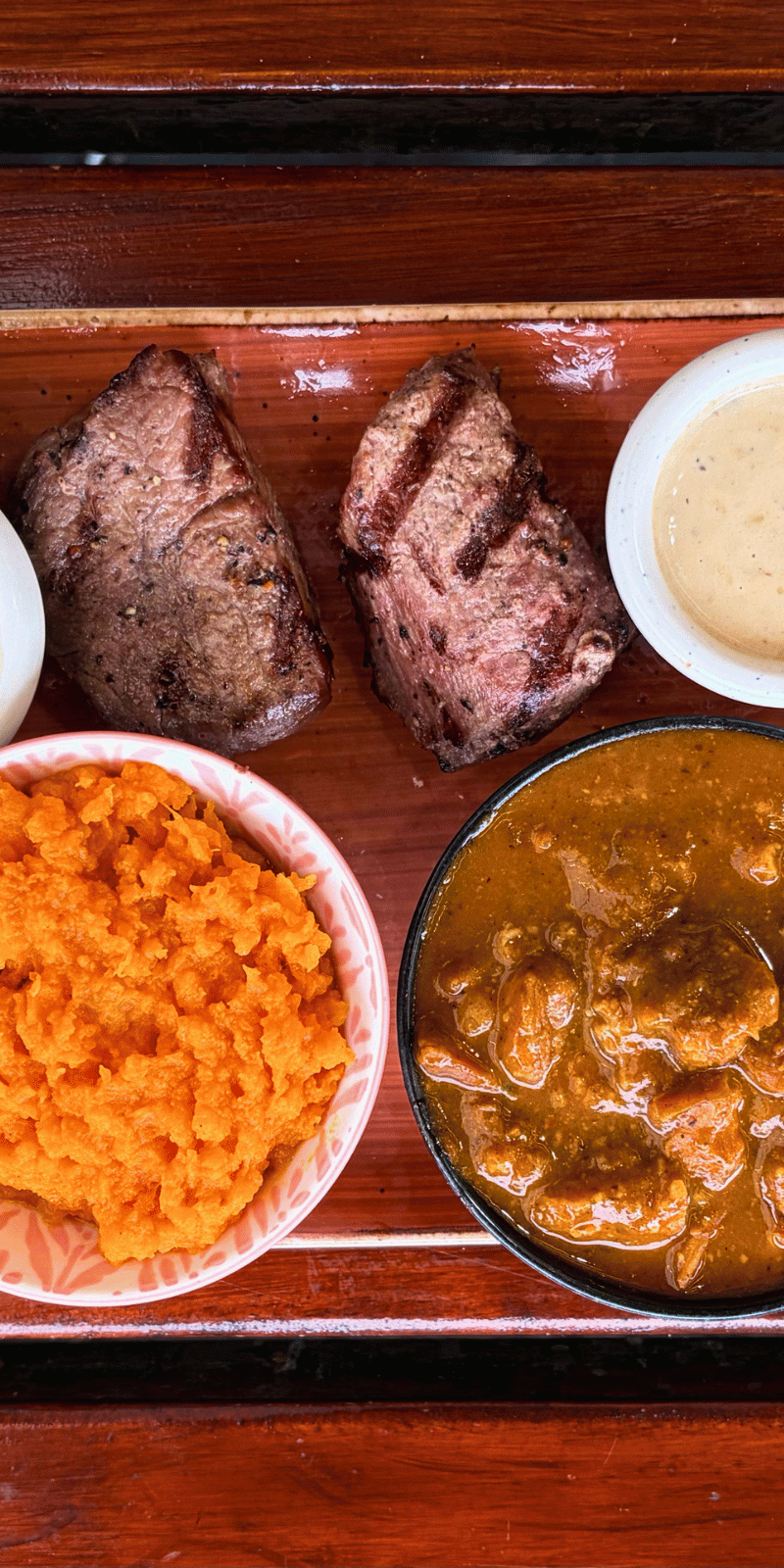
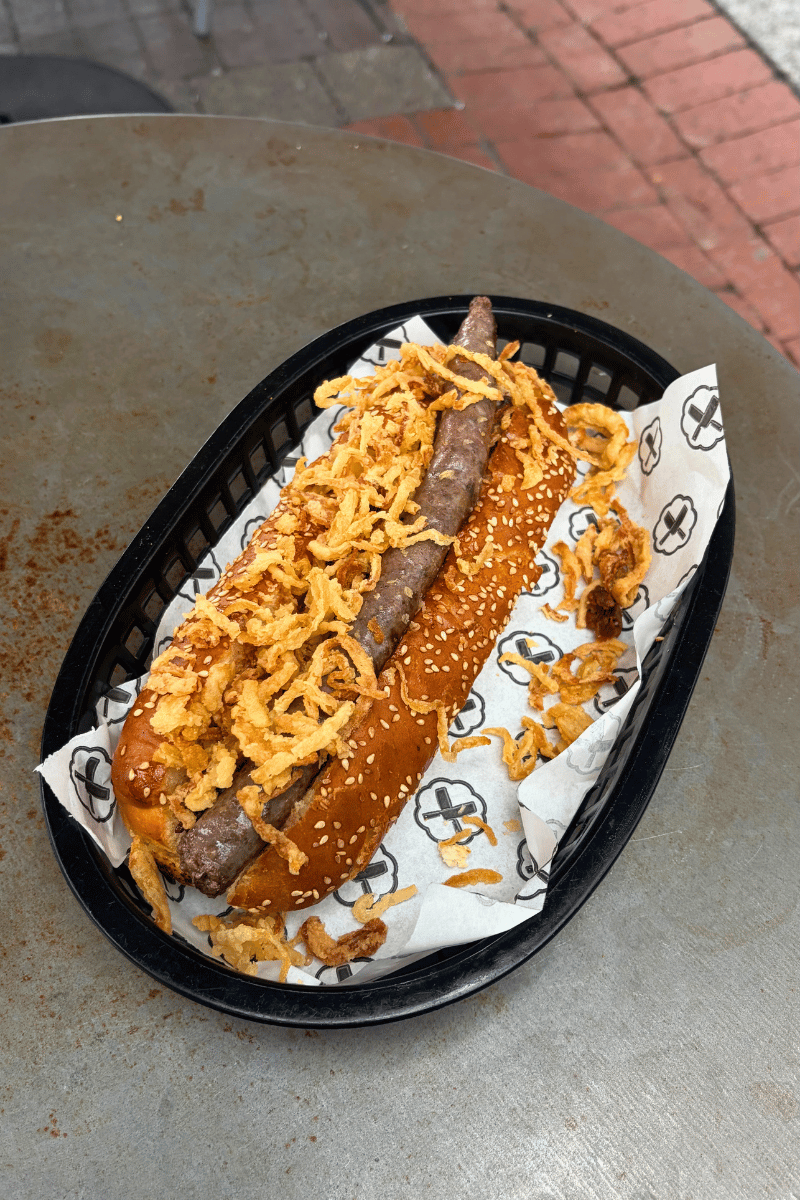
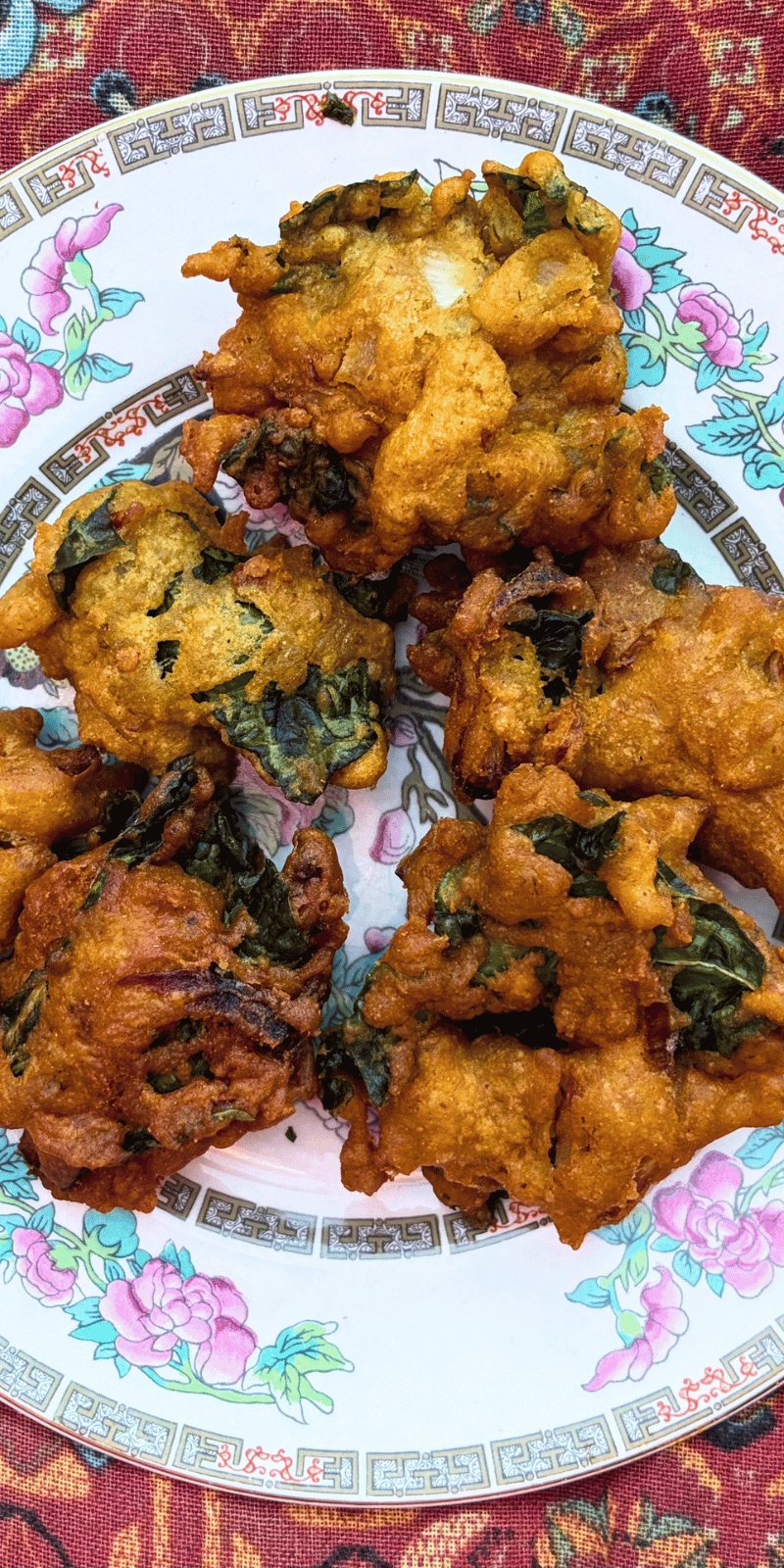
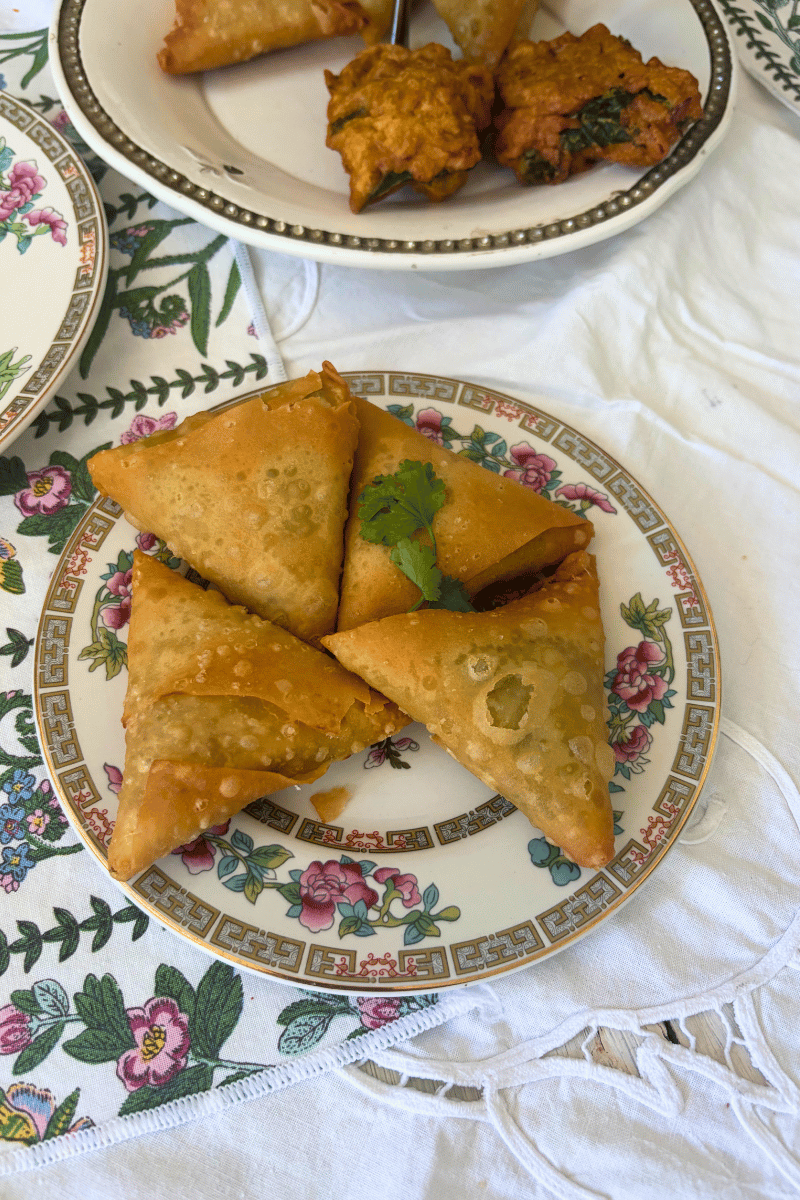
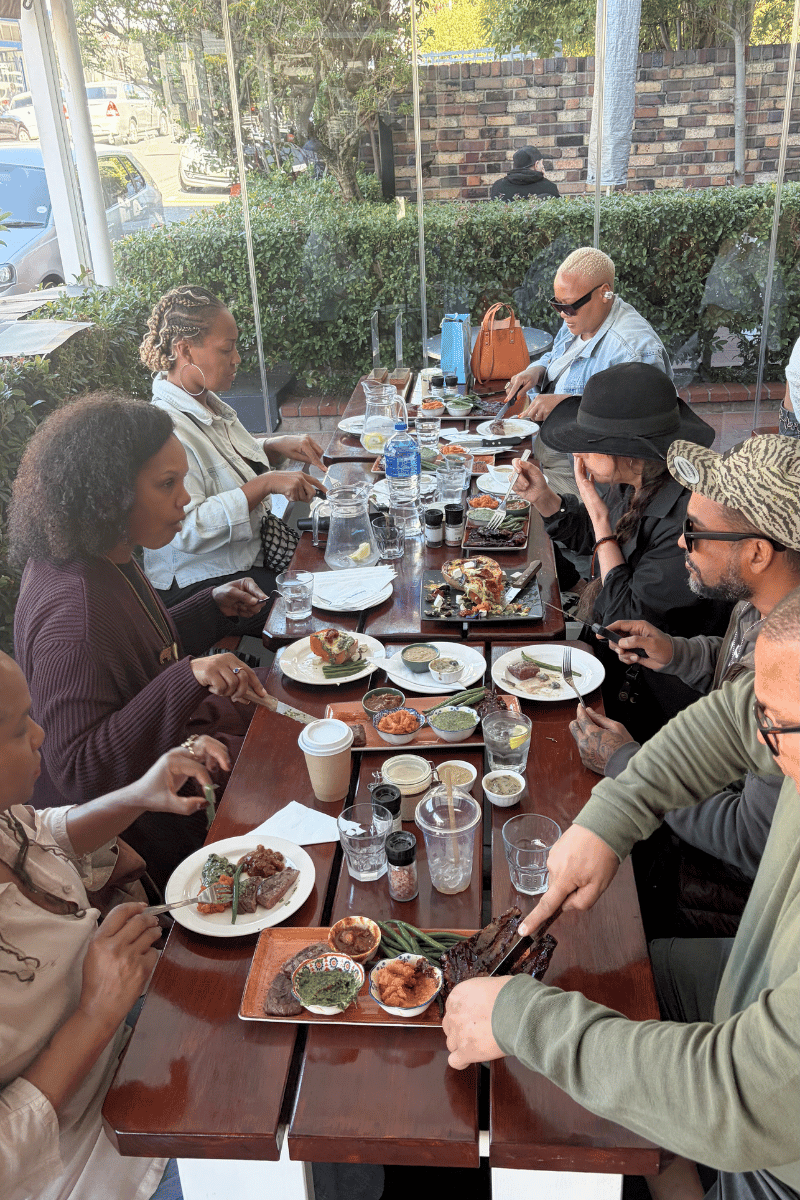
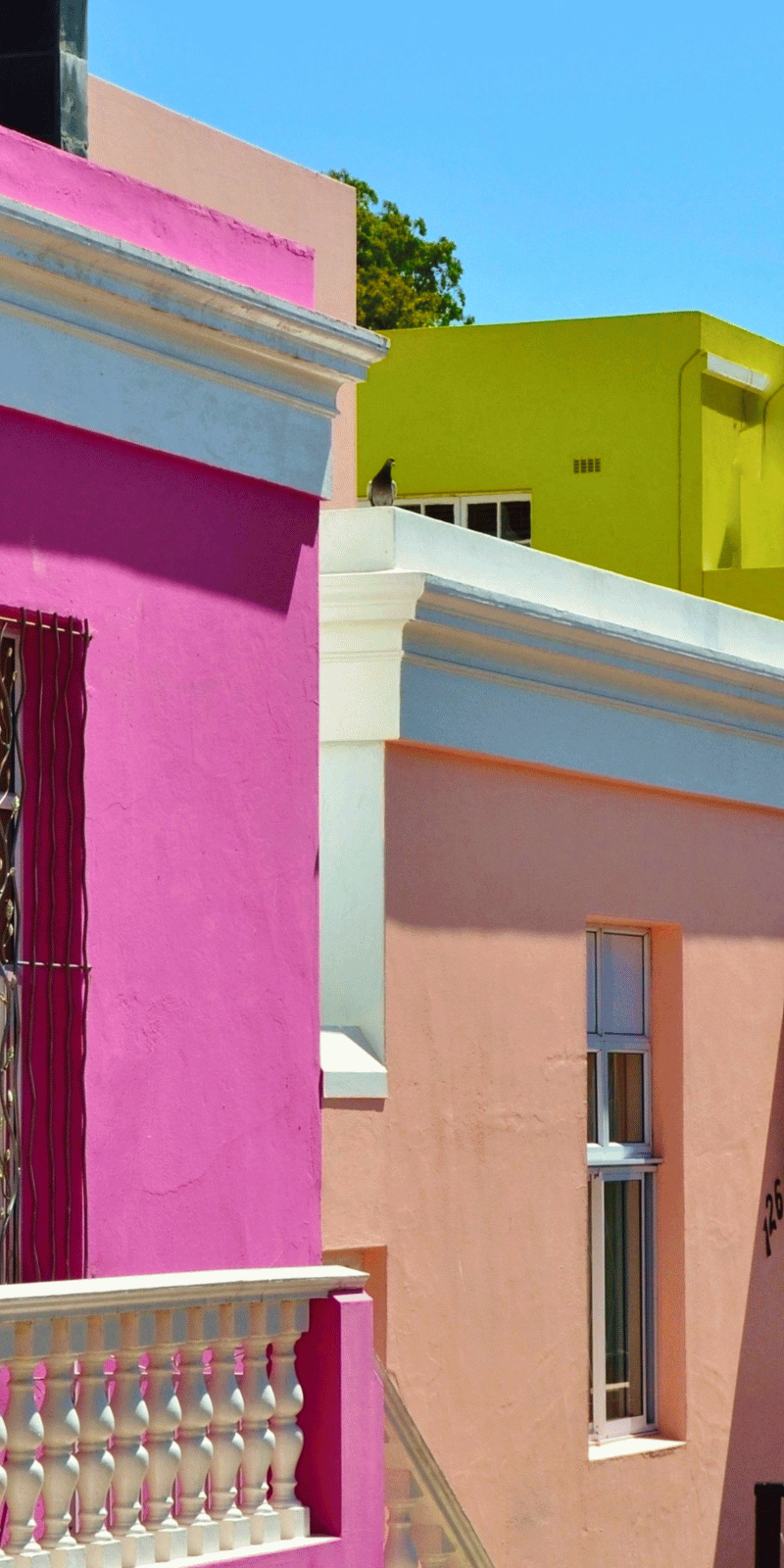
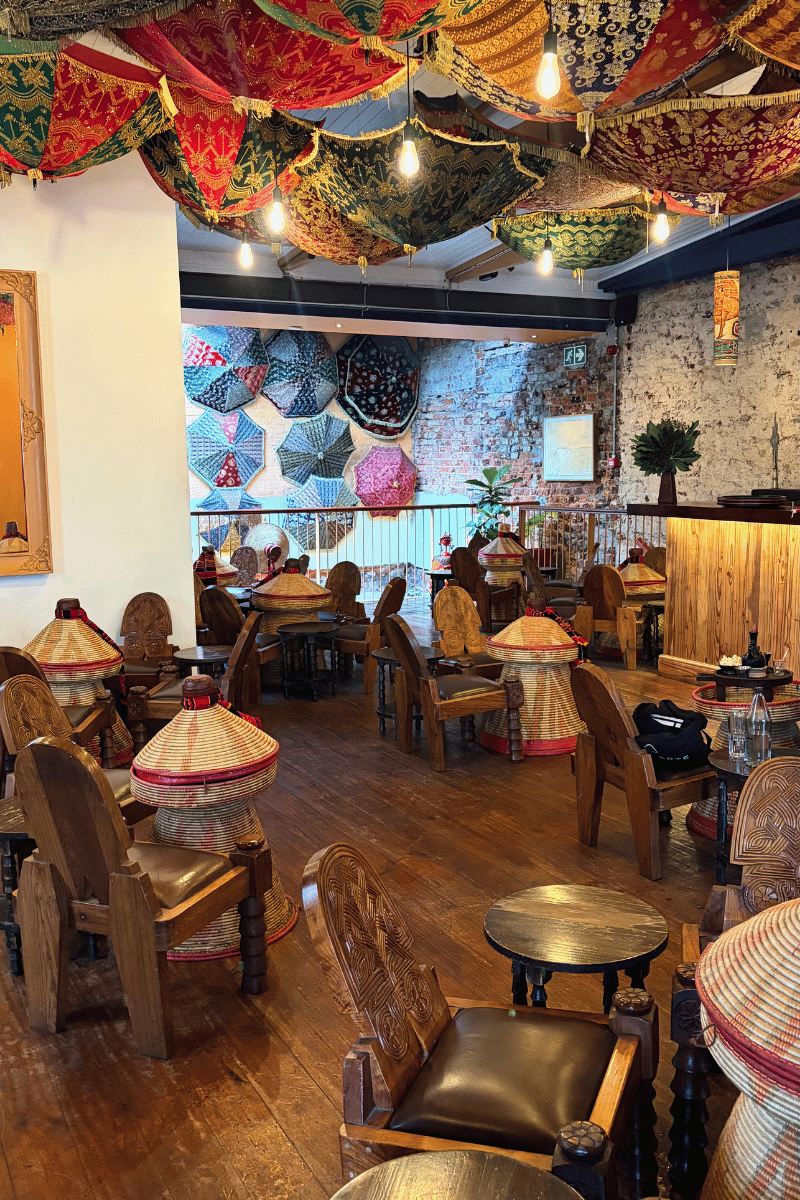
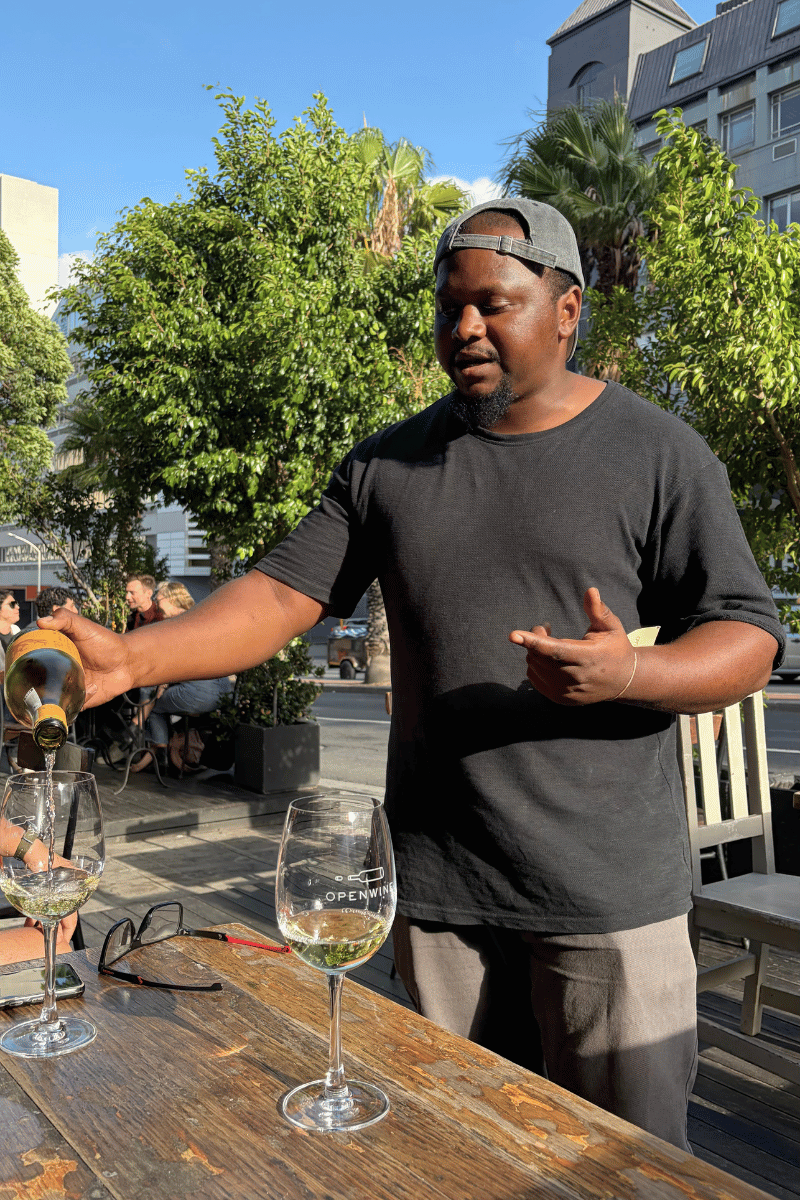
Snoek smoked over pinewood, boerewors curled on the braai, bunny chow ladled into hollowed bread, koeksisters syrup drenched. Cape Malay, Xhosa and Afrikaans kitchens all sit at the same table.
04 The pantry
- Snoek, Cape Peninsula fish smoked over pinewood
- Boerewors, coriander-heavy South African sausage for the braai
- Rooibos, red bush tea from the Cederberg mountains
- Cape Malay curry spice, softer than Indian curry, mildly sweet
- Waterblommetjie, edible marsh flower for a slow lamb stew
05 In the kitchen
- Building a braai over hardwood coals and letting it burn down
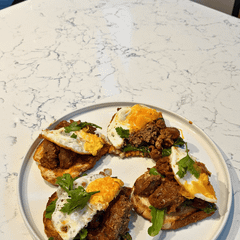
- Simmering bobotie spiced mince under a baked custard top
- Smoking snoek over pinewood for the classic Cape breakfast
- Rolling bunny chow curry into a hollowed loaf of white bread
- Baking koeksisters in plaited dough soaked in cold syrup
06 Eat this first
- Bobotie, Cape Malay spiced mince baked under an egg custard
- Braai, hardwood-fire meal of boerewors, chops and pap
- Bunny chow, Durban-born curry served in a hollowed bread loaf
- Snoek pate, smoked-fish spread on hot toast
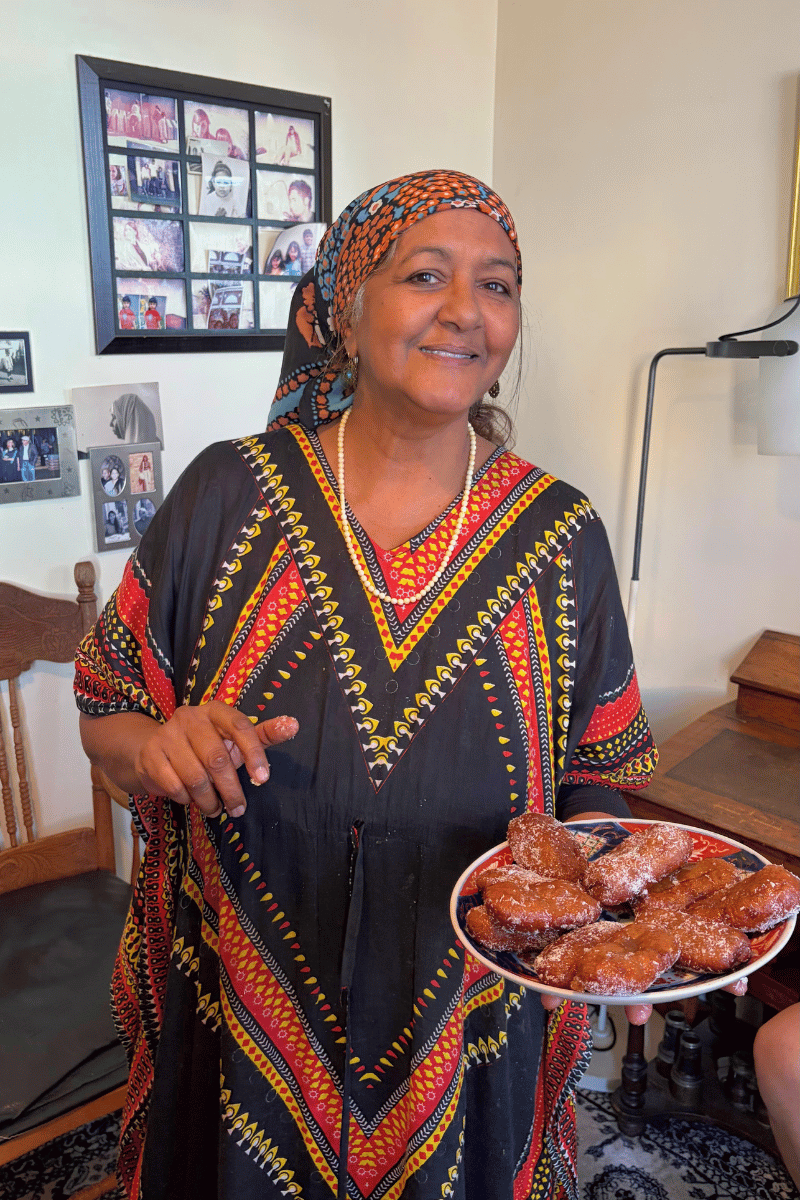
- Koeksisters, syrup-drenched plaited doughnuts, cold and sticky
What happens inside a hammam kitchen
A morning with the cooks who feed the neighbourhood before dawn. Charcoal, dough, the smell of a bakery working its second oven.
10 Field Notes
Quick field notes to help you get accustomed to Cape Town.
Weather
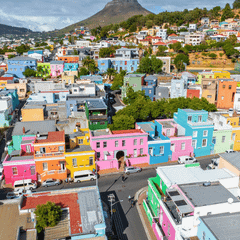
Mediterranean climate. Hot, dry summers (December–February, 25–30°C) and cool, wet winters. Wind (the 'Cape Doctor') can be fierce in summer. Layers help year-round.
Currency
The South African rand (ZAR). Cards accepted almost everywhere including markets. Tipping (10–15%) is expected in restaurants. Keep small notes for car guards.
Language
English is the everyday language. Afrikaans and isiXhosa are also widely spoken. Signage is usually in English.
Etiquette
Casual and friendly. Be mindful of safety after dark. Don't walk between neighbourhoods at night, and always use registered taxis or Uber.
Getting around
Uber and Bolt are safe, cheap, and by far the easiest way around. The MyCiTi bus is useful along the coast. The city is spread out, walking between neighbourhoods is rarely practical.
Prayer
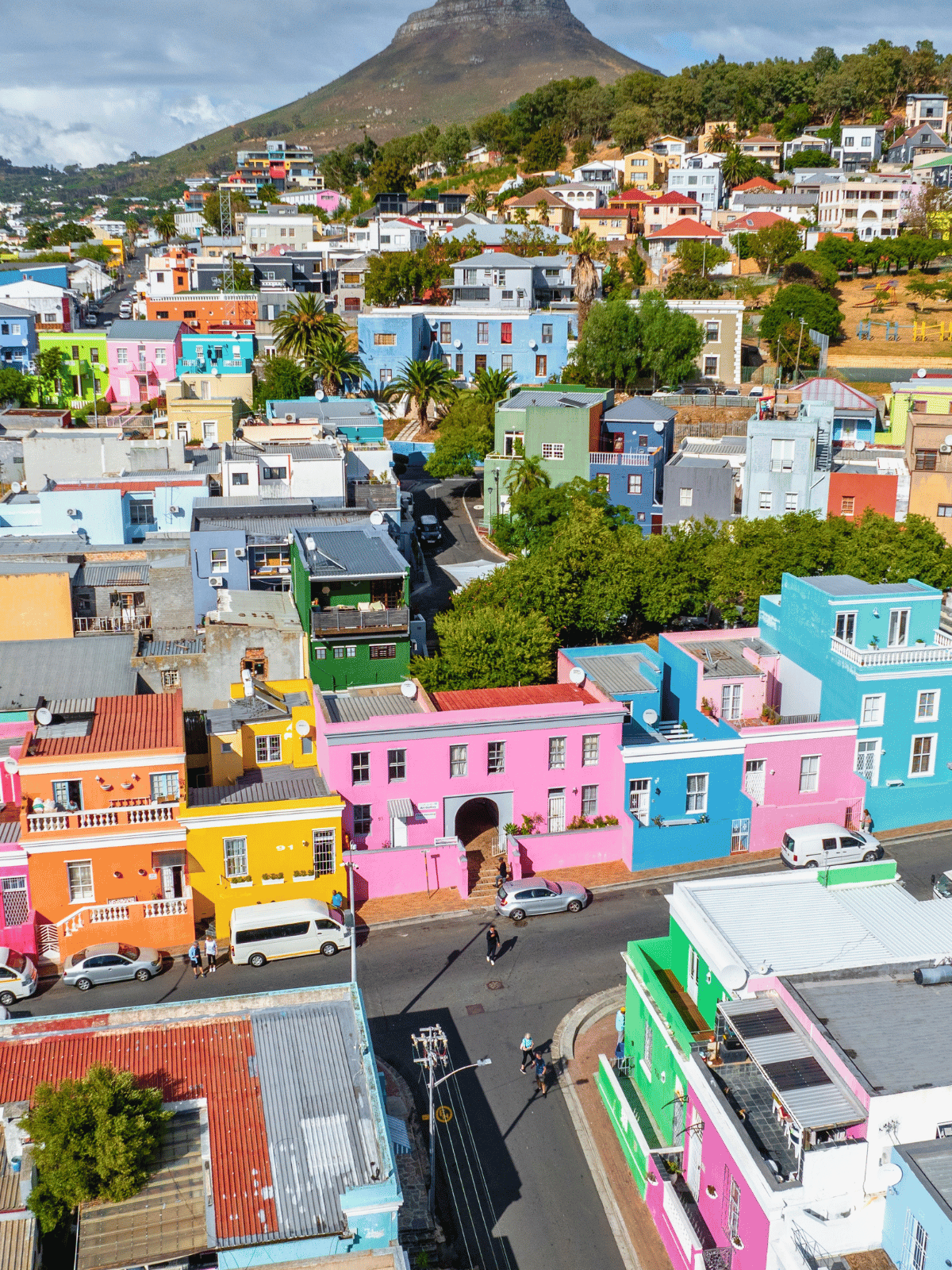
Predominantly Christian, with a large Muslim community concentrated in Bo-Kaap. Sunday services and Friday prayers both shape the week. Weekly shul services also mark the Jewish community.