
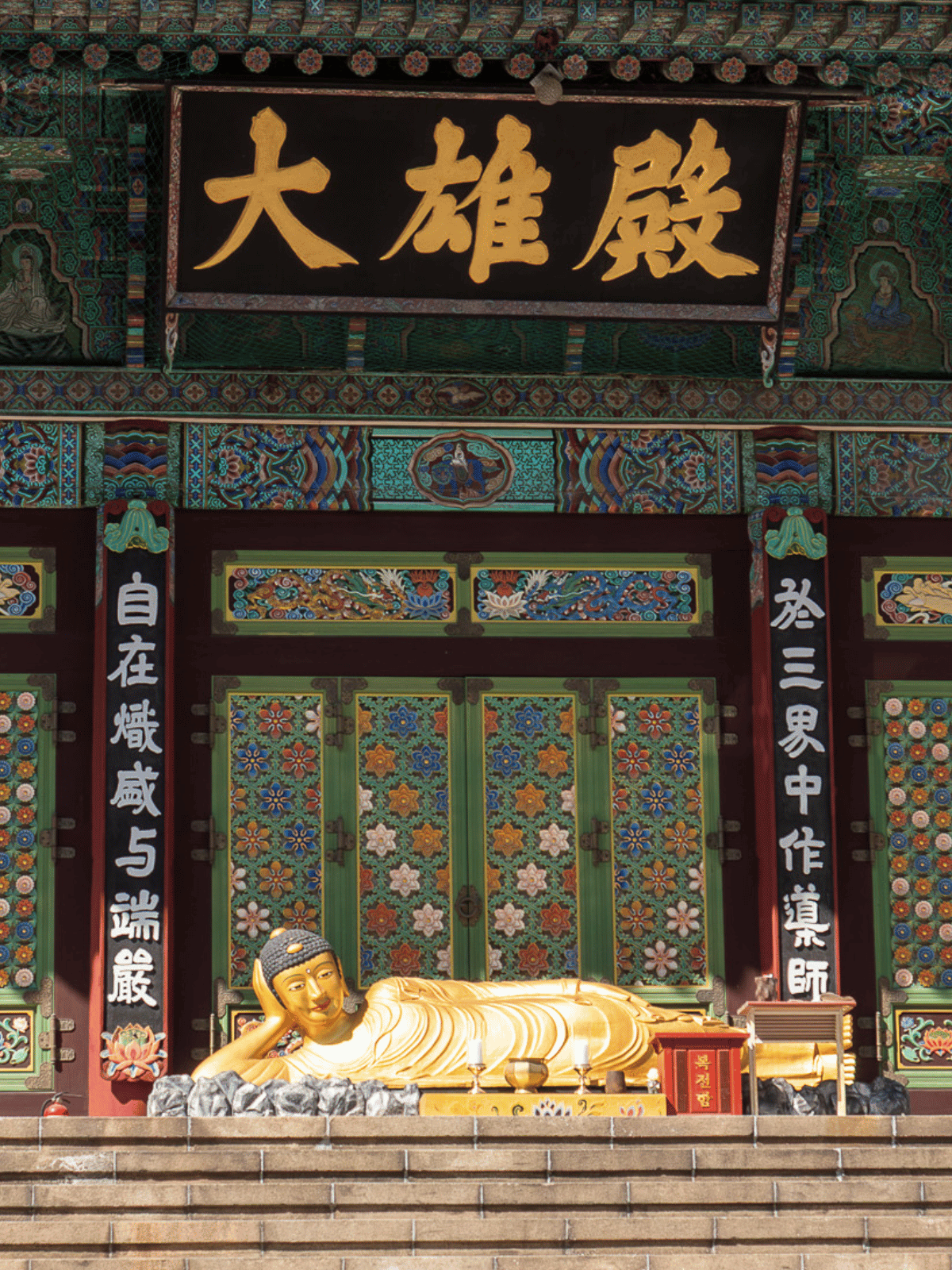
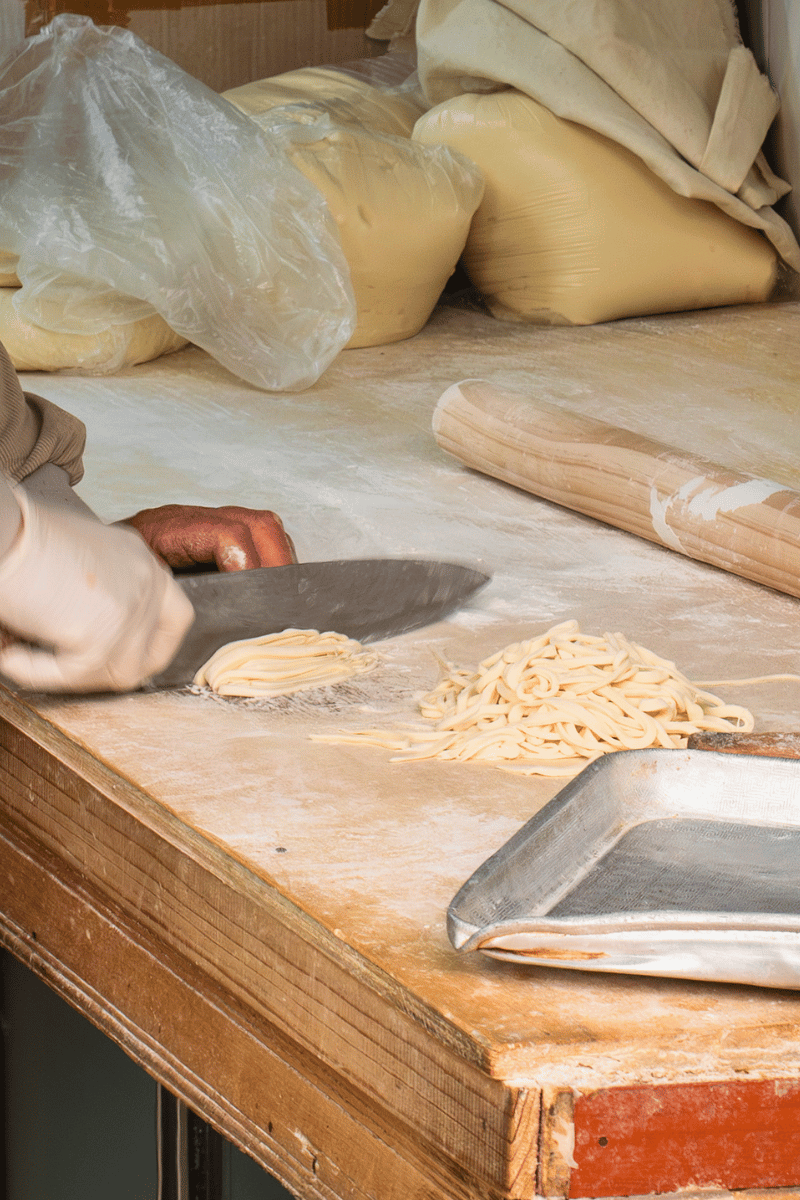
“We even took a little side tour to try a dish that was not part of the plan. ”
— Josh, 2026
01 Food tours
Original food tours, curated with our local tastemakers to showcase the neighbourhood kitchens, markets and family-run eateries that define Busan.
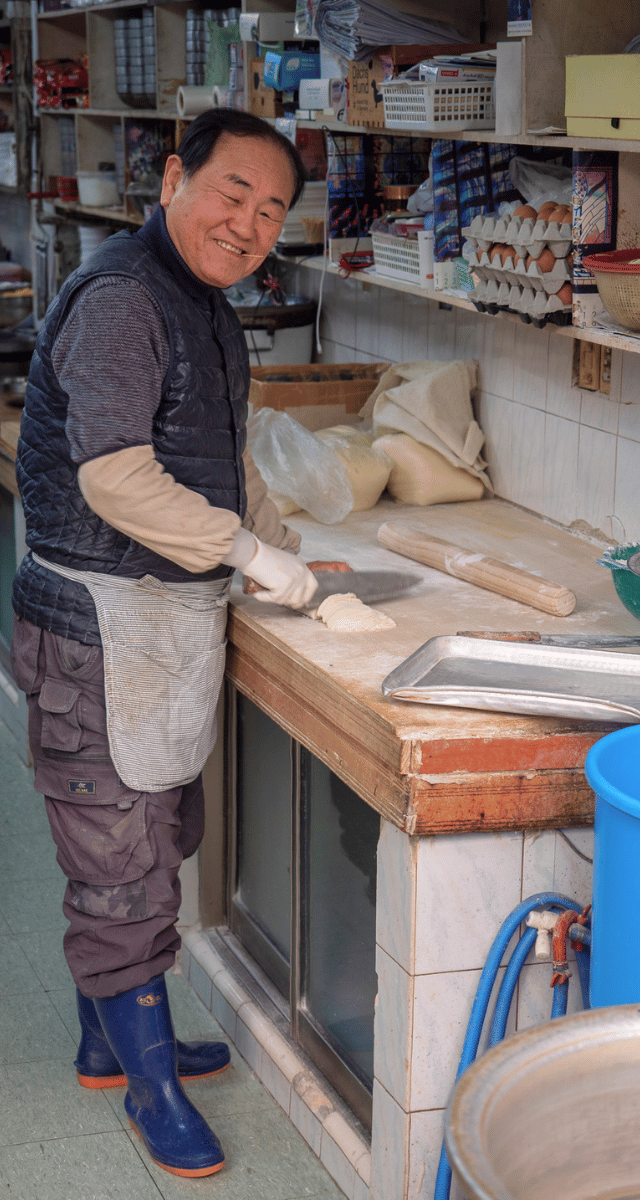
Kimchi Kitchens
Busan
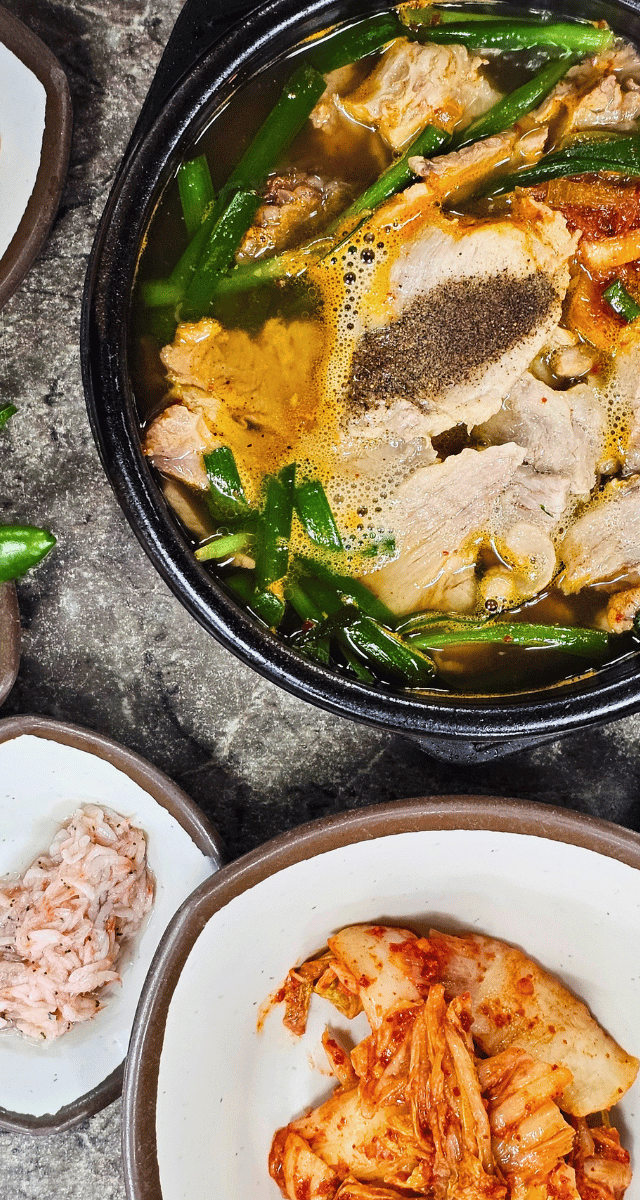
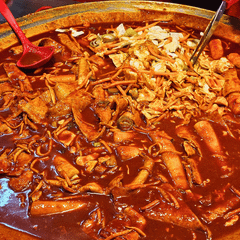
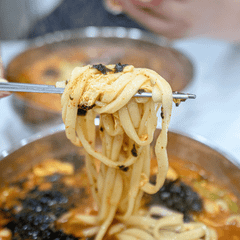
Eat Busan at lunchtime — Jagalchi seafood, milmyeon in icy broth and dwaeji gukbap.
Busan Bites
Busan
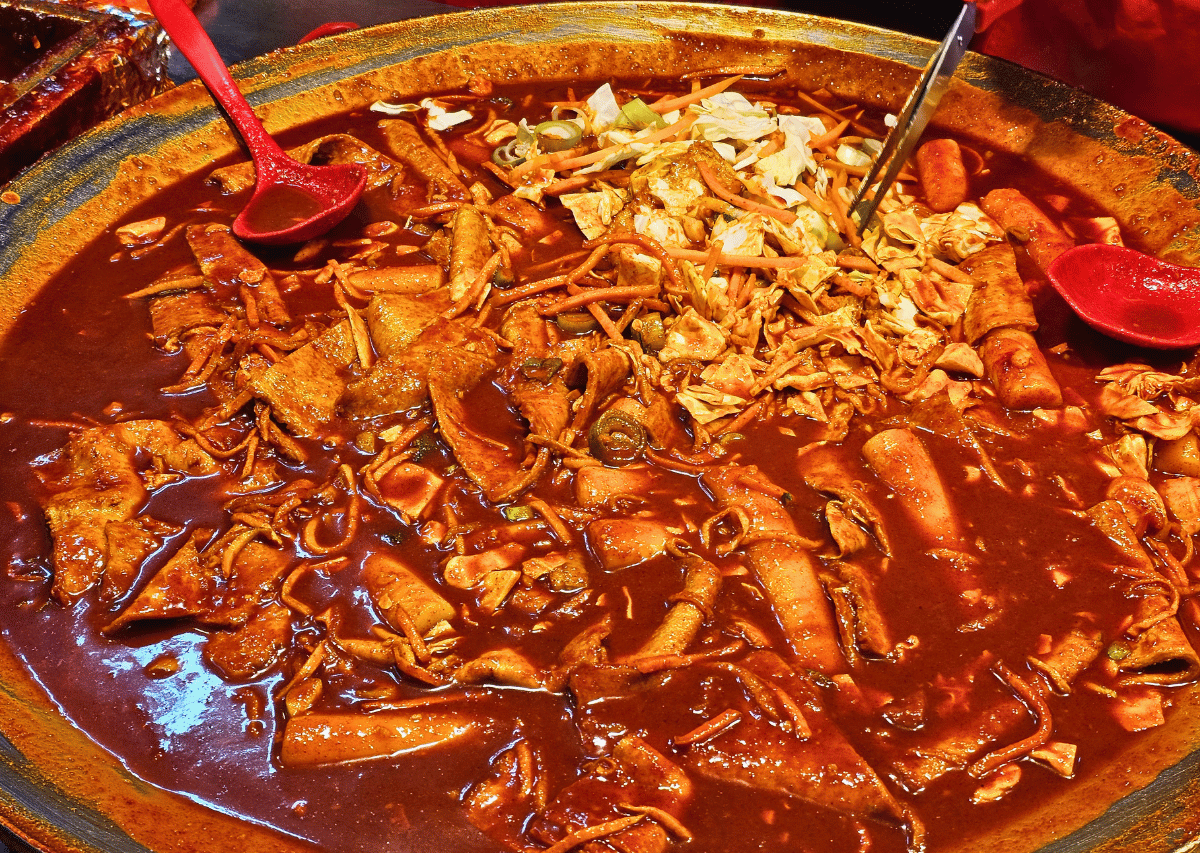
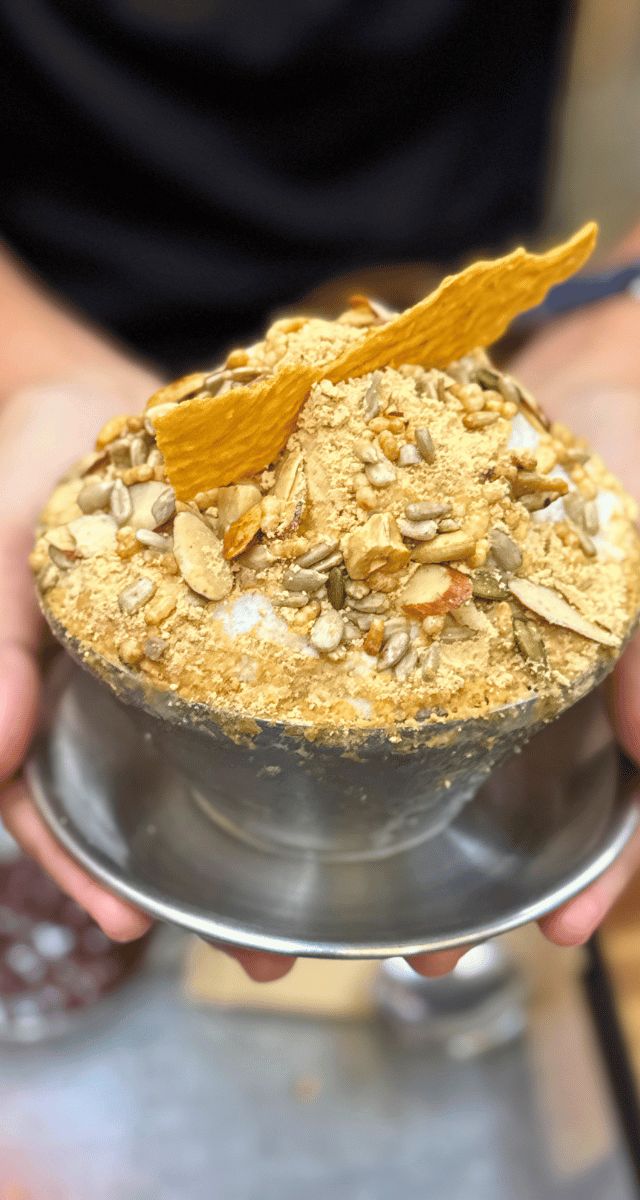
Explore Korea's most seafood-heavy table — live octopus at Jagalchi, milmyeon and ssiat hotteok.
02 Meet the tastemakers
The local food experts who help us research, refine and lead every A Chef's Tour.

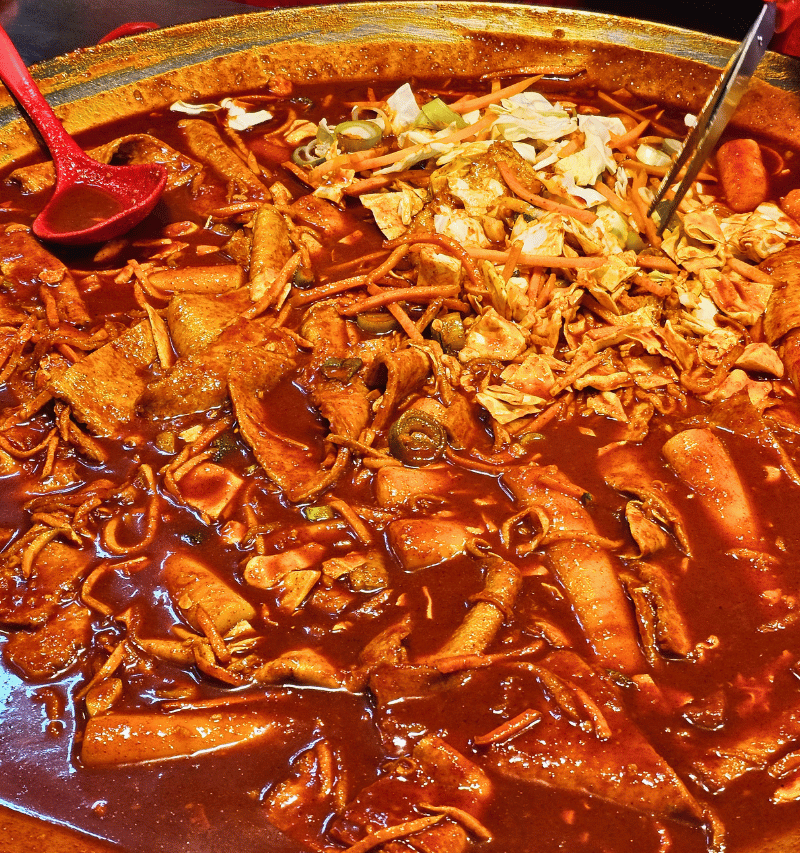
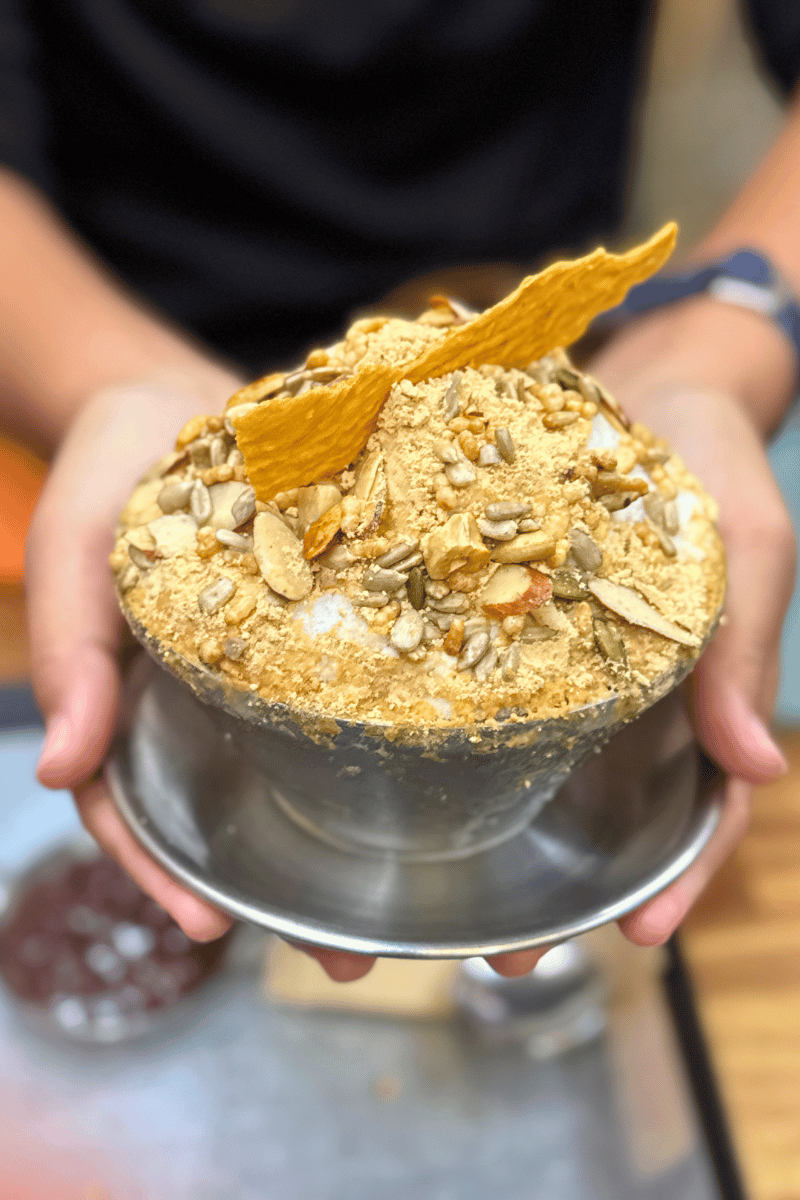
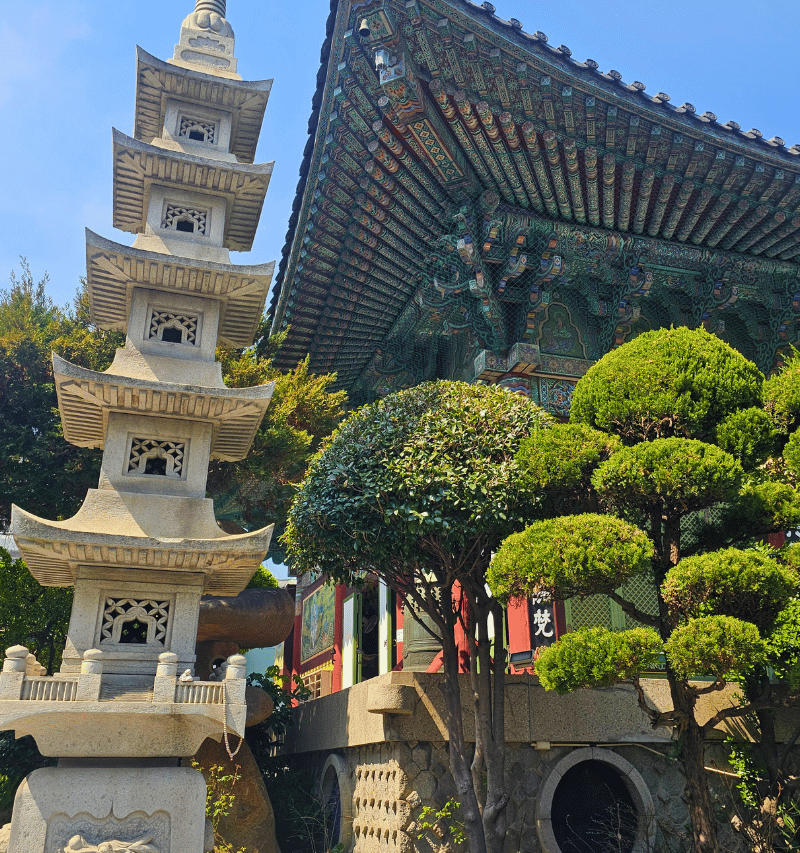
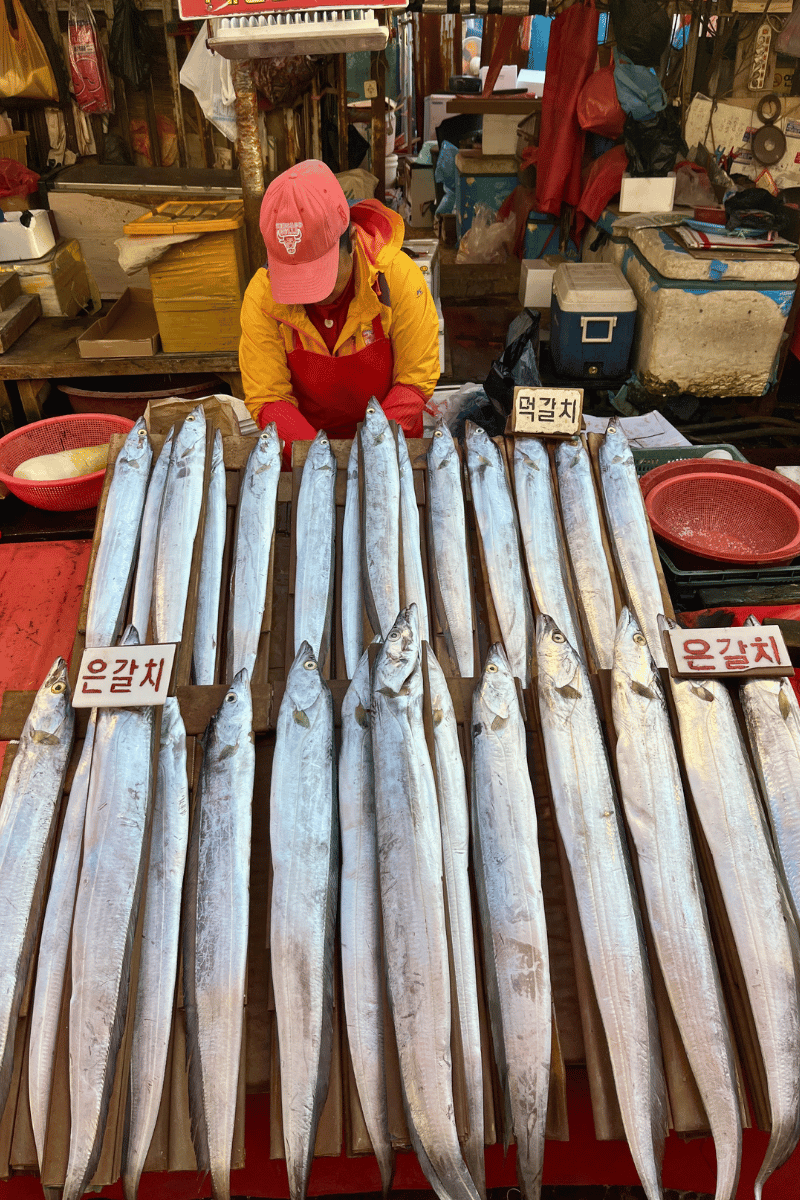
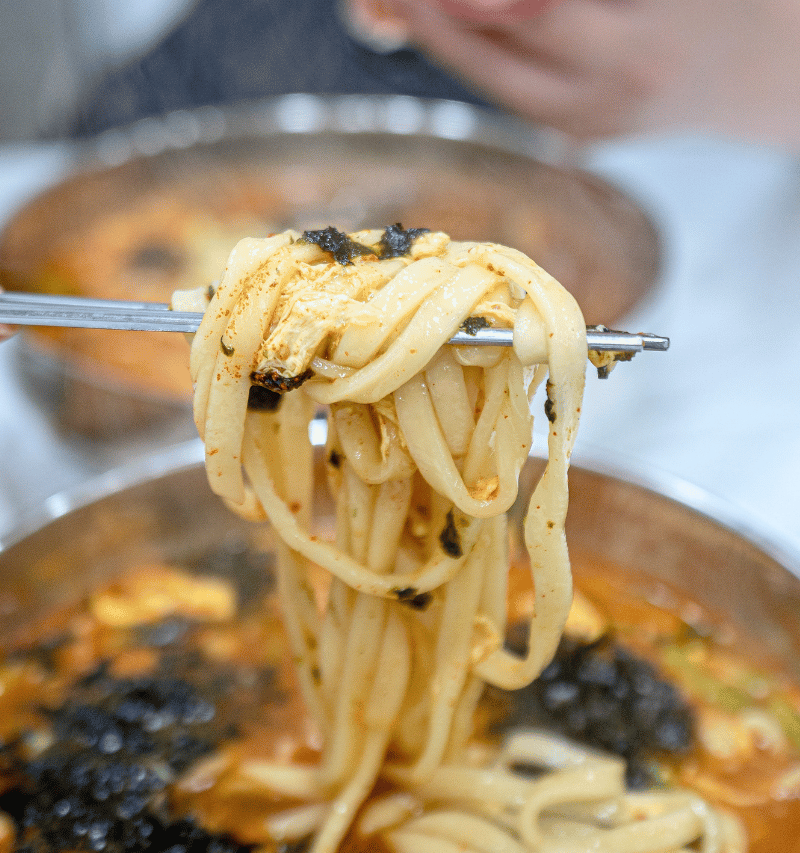
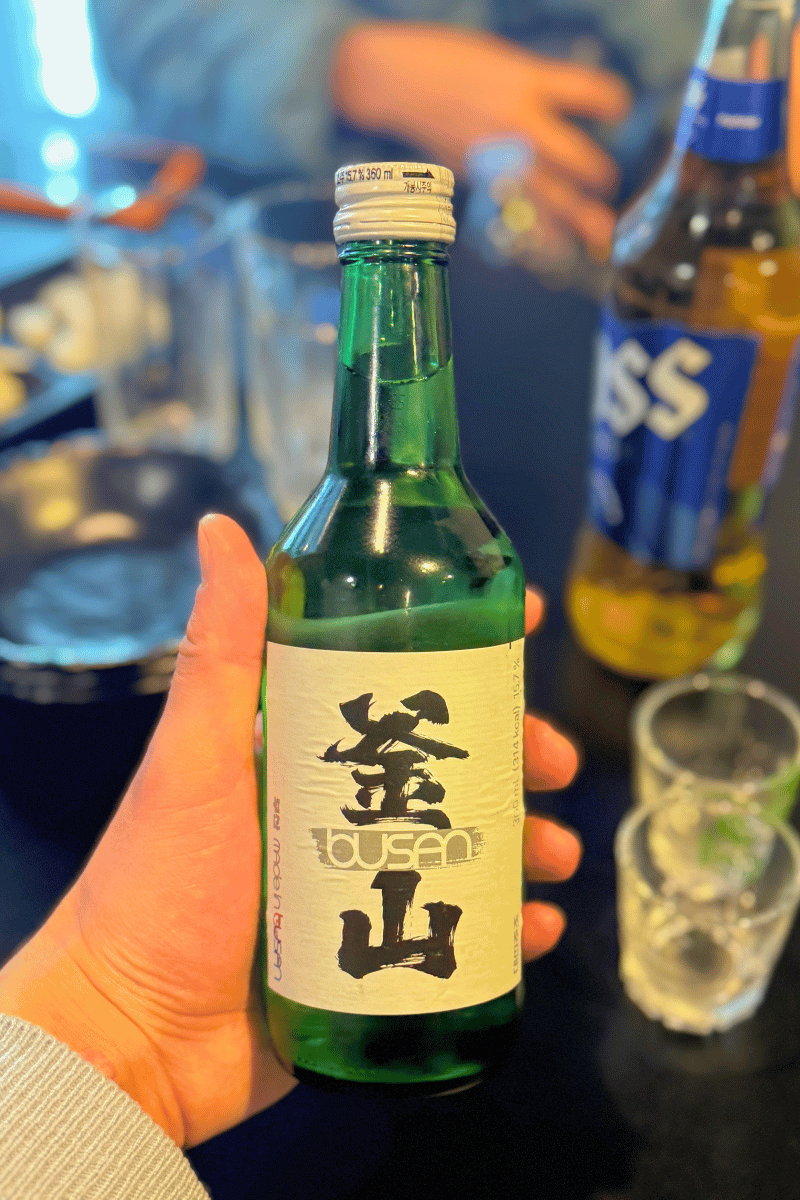
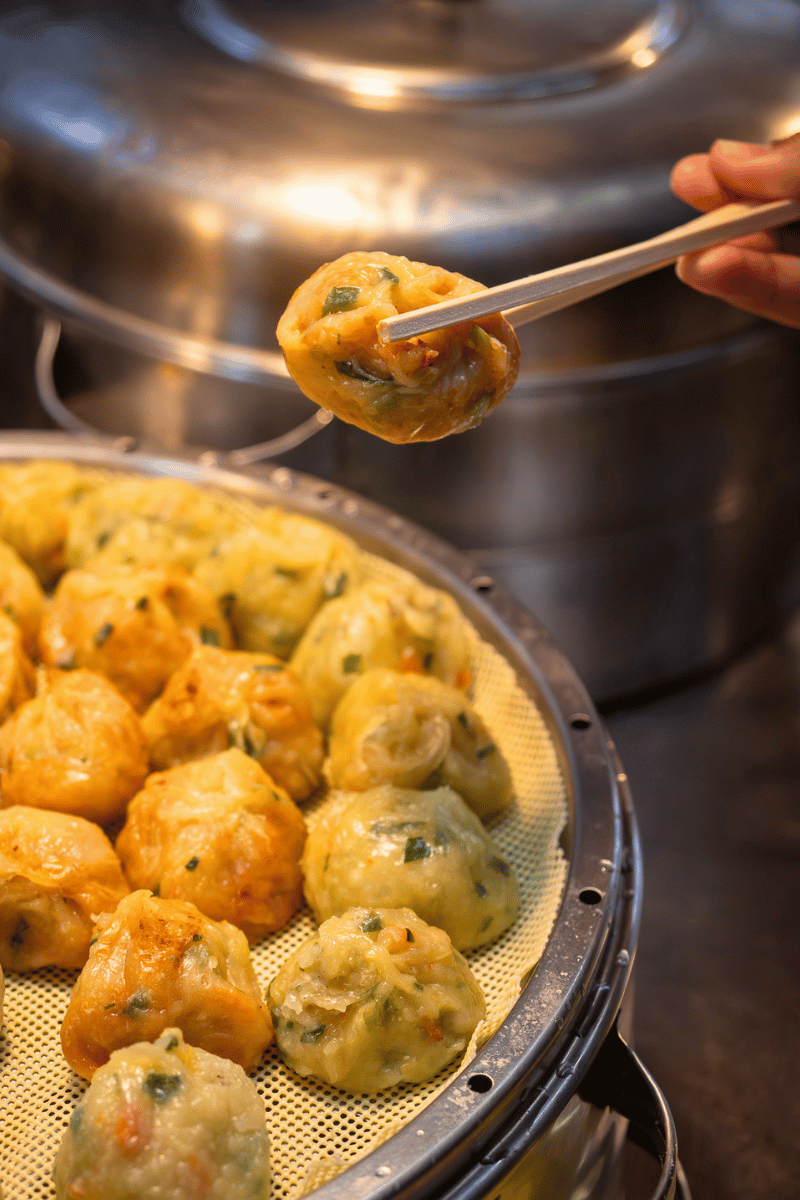
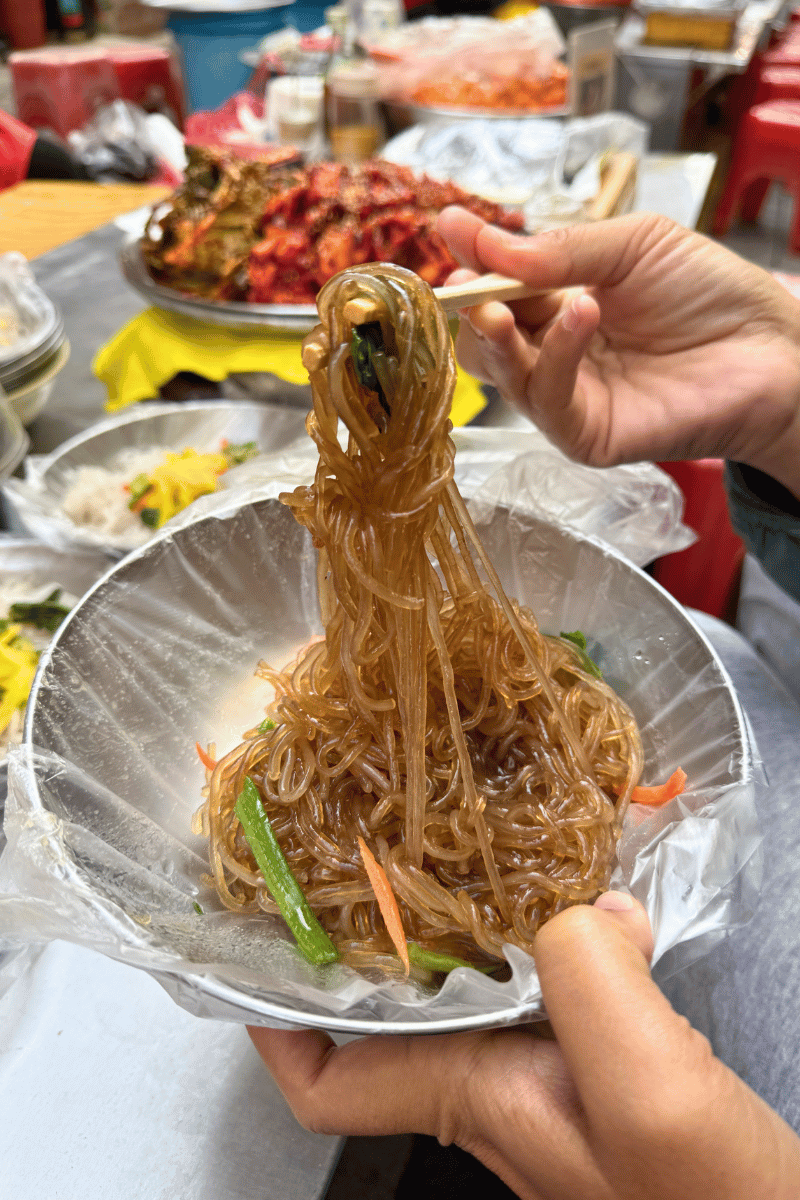
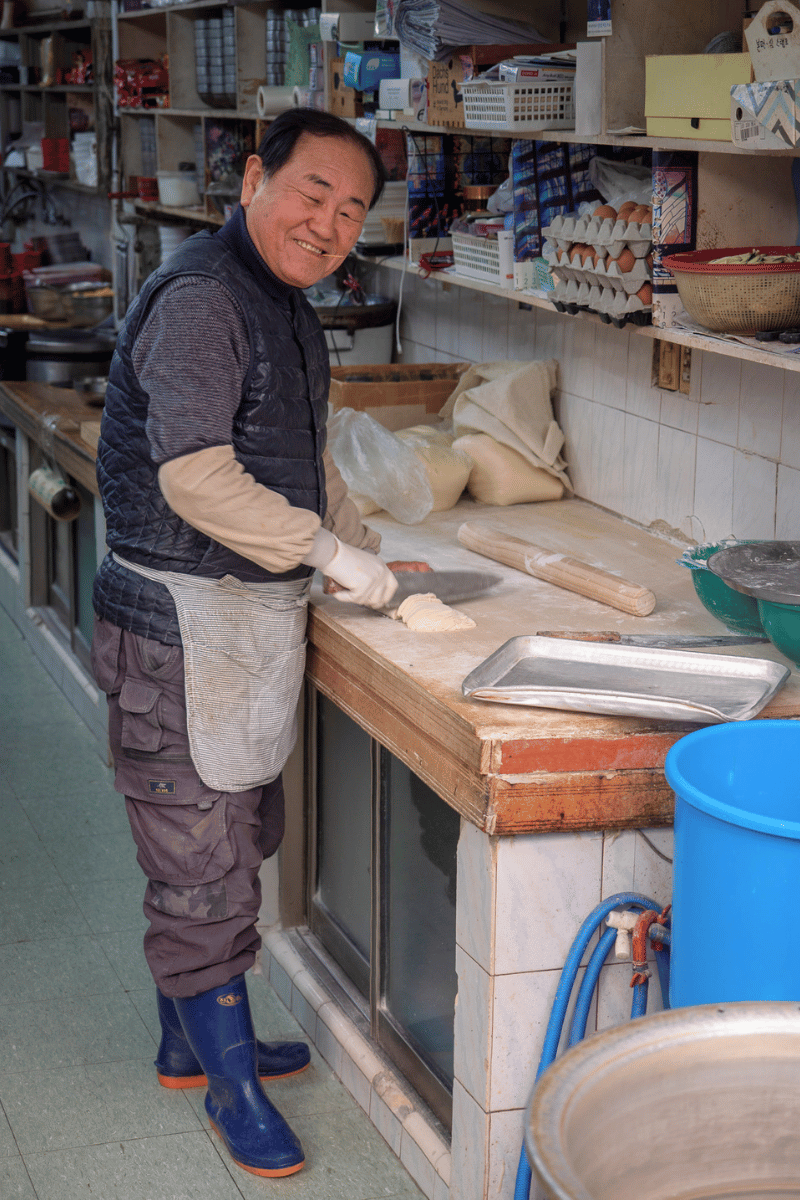
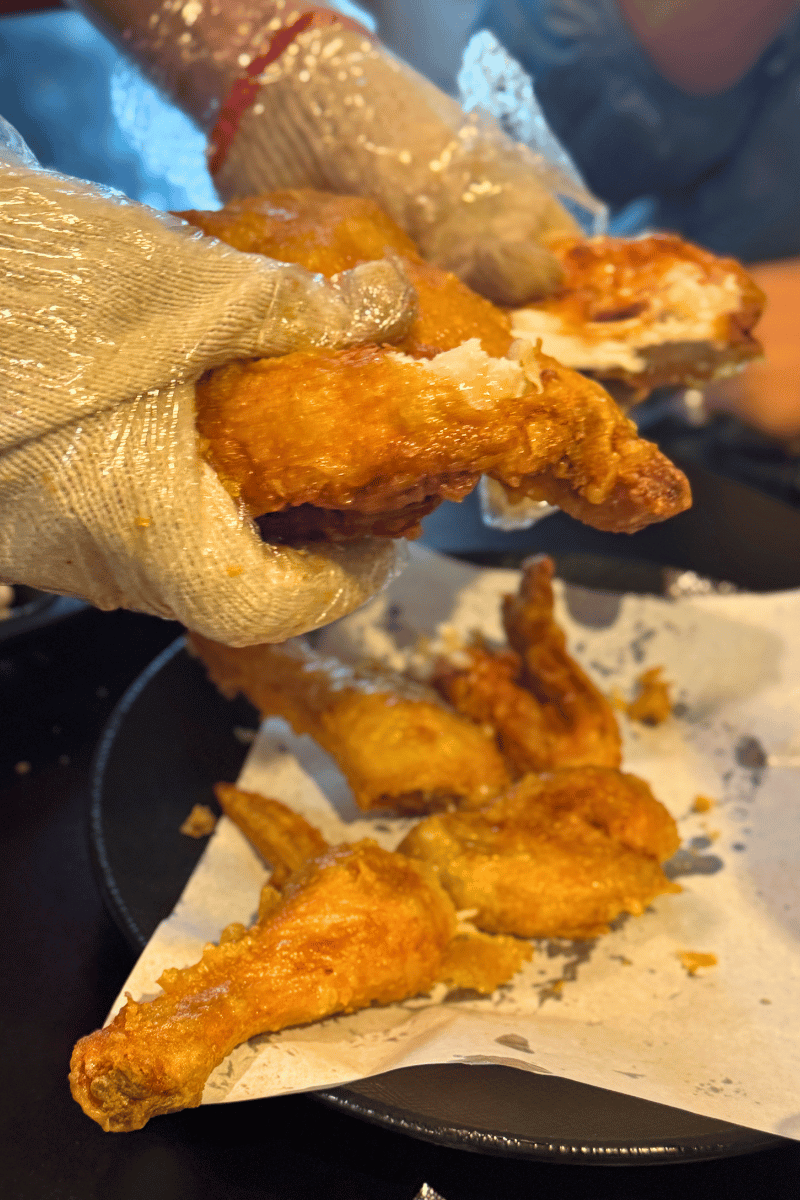
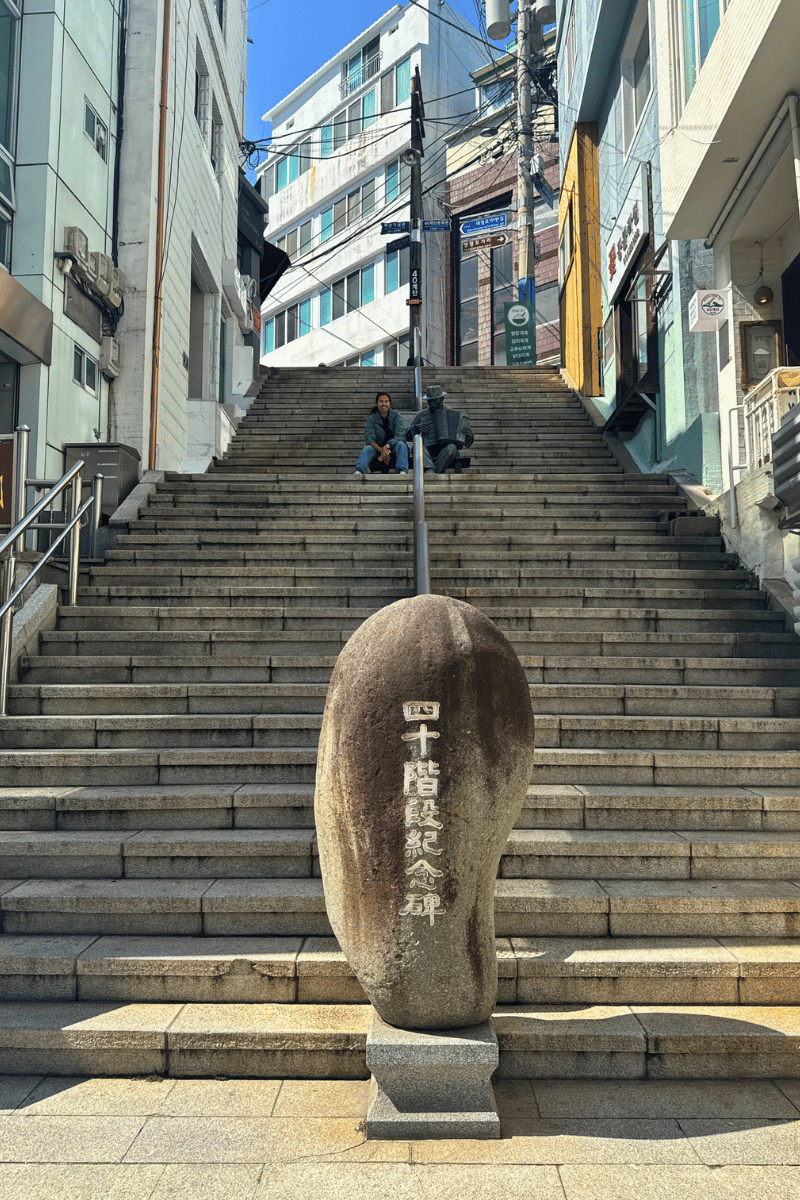
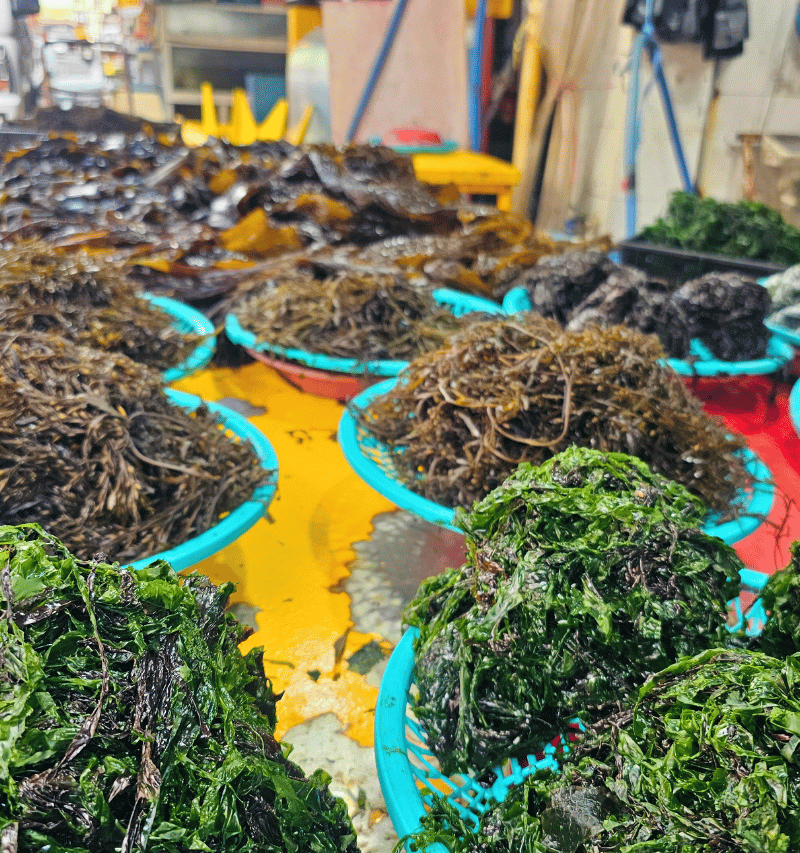
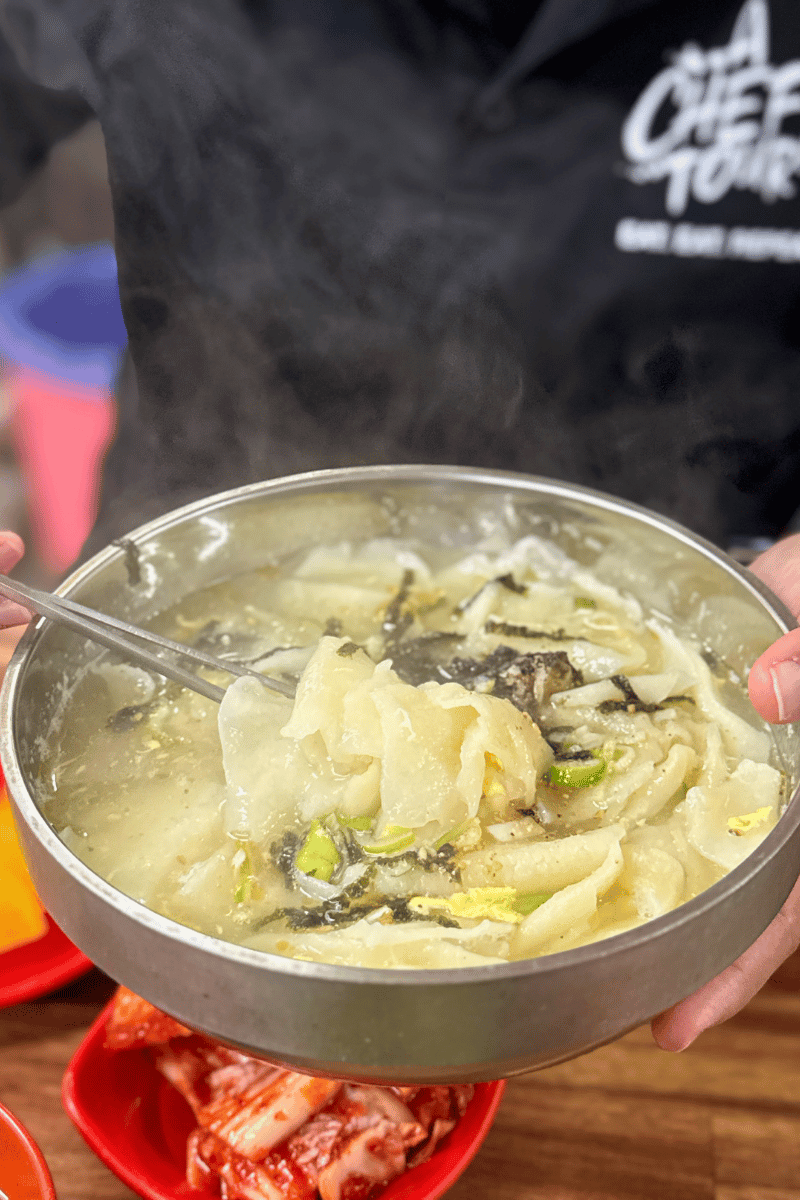
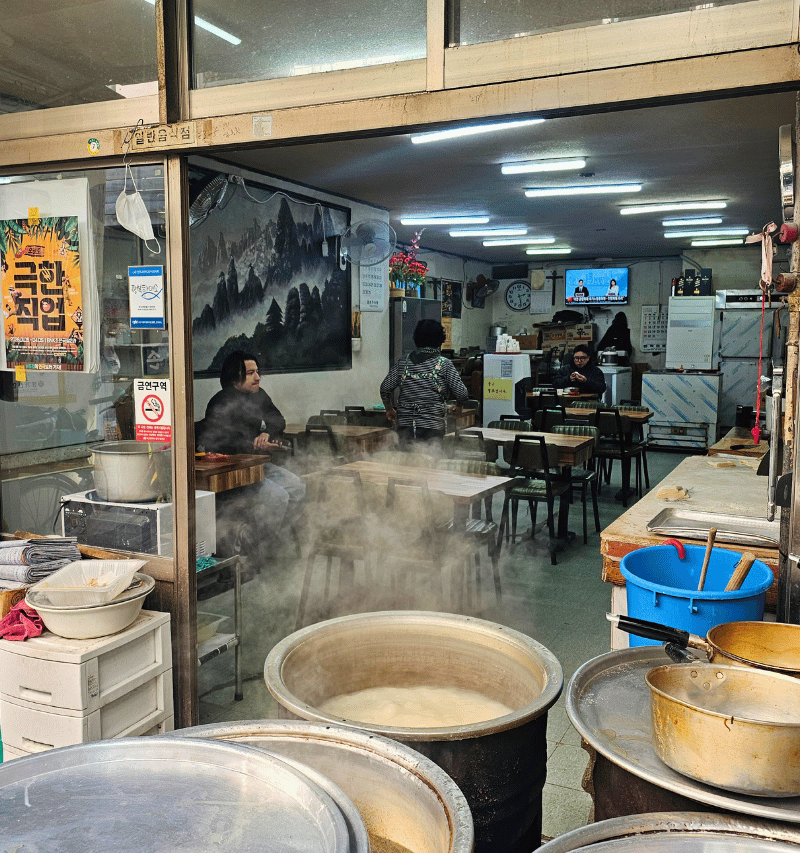
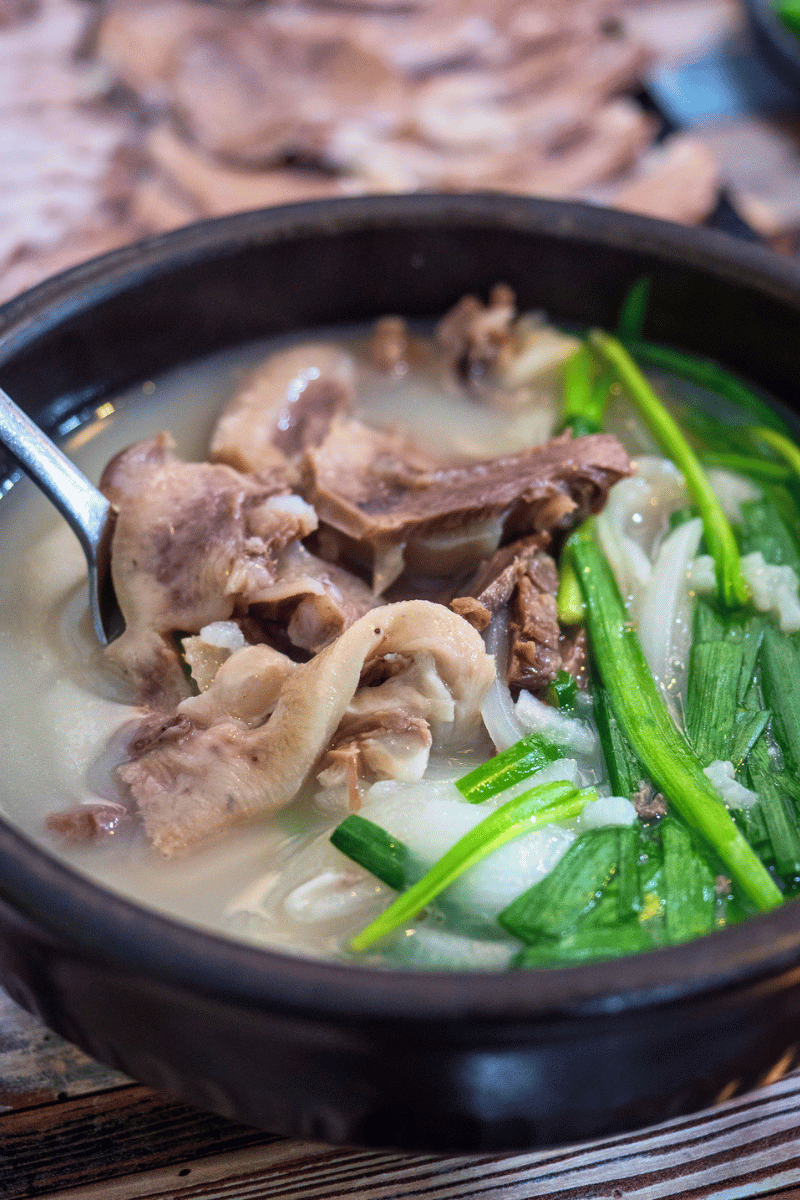
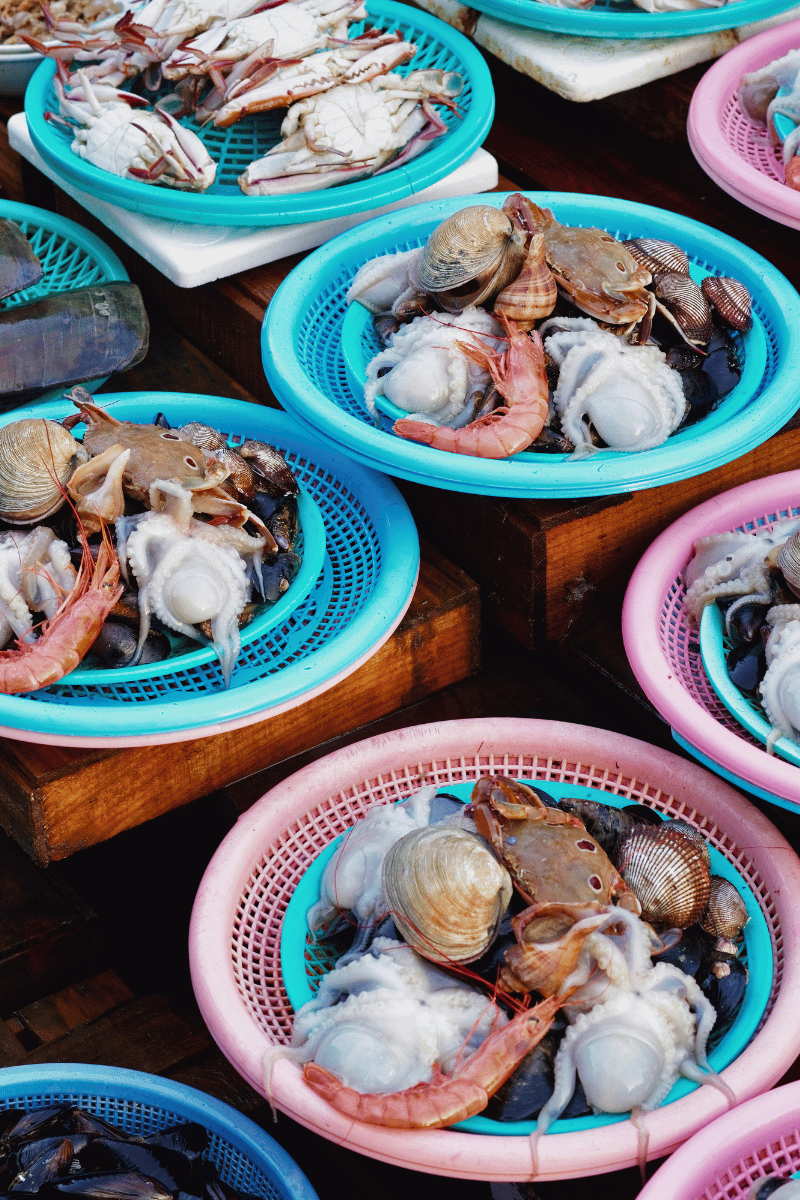
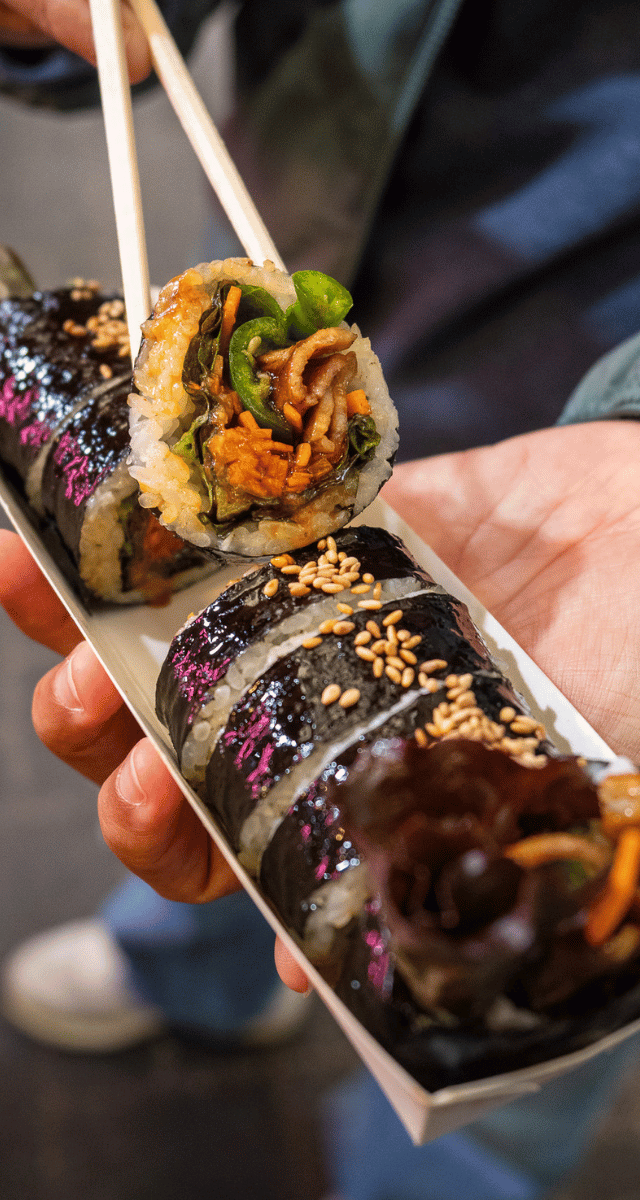
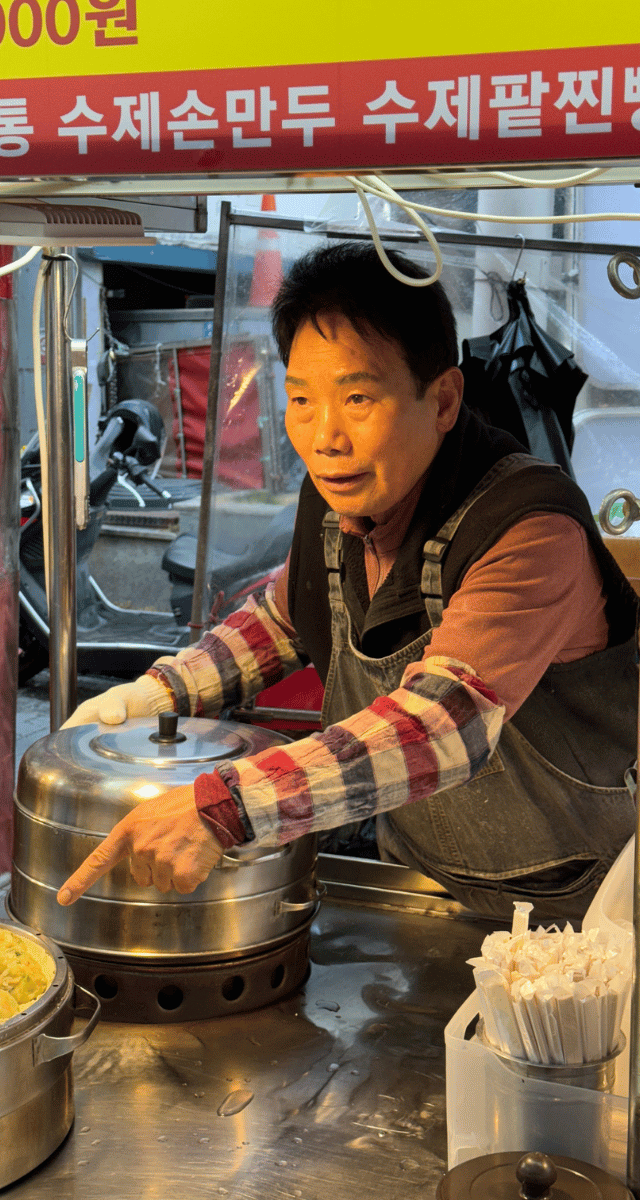
Live octopus at Jagalchi market, milmyeon wheat noodles in icy broth, dwaeji gukbap pork stew, ssiat hotteok stuffed with seeds. Busan cooks Korea's most seafood heavy table.
04 The pantry
- Fresh seafood, straight from the boats at Jagalchi market
- Wheat noodles, cold-served for milmyeon in summer
- Doenjang, aged soybean paste used in seafood stews
- Sea squirt, meongge eaten raw with soy and wasabi
- Gaeranppang, egg-topped rolls from the street corners
05 In the kitchen
- Slicing raw fish at the market for immediate hoe at the counter
- Simmering dwaeji gukbap pork bones for a milky white broth
- Serving milmyeon noodles in a chilled sweet broth for the heat
- Grilling jangeo eel on charcoal with sweet soy glaze
- Steaming ssiat hotteok pancakes stuffed with seeds and syrup
06 Eat this first
- Dwaeji gukbap, milky pork bone soup poured over rice
- Milmyeon, cold wheat noodles in a chilled sweet-sour broth
- Hoe, raw sliced fish with garlic, chilli paste and perilla
- Ssiat hotteok, filled pancake stuffed with seeds and brown sugar
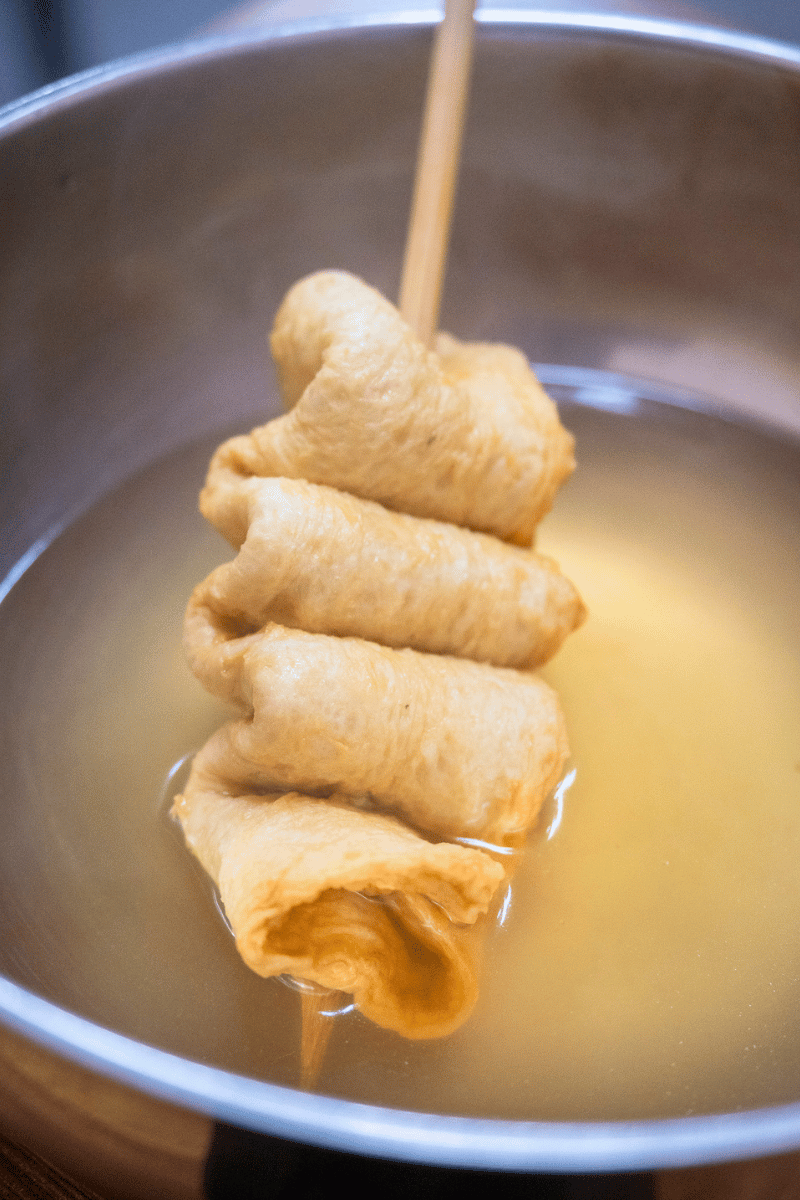
- Eomuk, Busan fish cake skewered and dipped in warm broth


What happens inside a hammam kitchen
A morning with the cooks who feed the neighbourhood before dawn. Charcoal, dough, the smell of a bakery working its second oven.
10 Field Notes
Quick field notes to help you get accustomed to Busan.
Weather
Four sharp seasons — humid summers (30°C-plus) with heavy rain in July, cold, dry winters (near freezing), and mild spring / autumn windows. October is the sweet spot.
Currency
The South Korean won (KRW); cards work almost everywhere including street stalls. Cash is still handy at markets like Jagalchi. T-money card covers all transport.
Language
Korean; English coverage is decent around Haeundae and the metro but thin at markets and older neighbourhoods. Translation apps help enormously.
Etiquette
Respect for elders is central — use two hands when giving or receiving something. Remove shoes when entering homes and traditional restaurants; don't blow your nose at the table.
Getting around
The metro is fast, clean, and bilingual; buses cover the coastal areas. Taxis are cheap and Kakao T is the local ride app — Uber doesn't operate.
Prayer
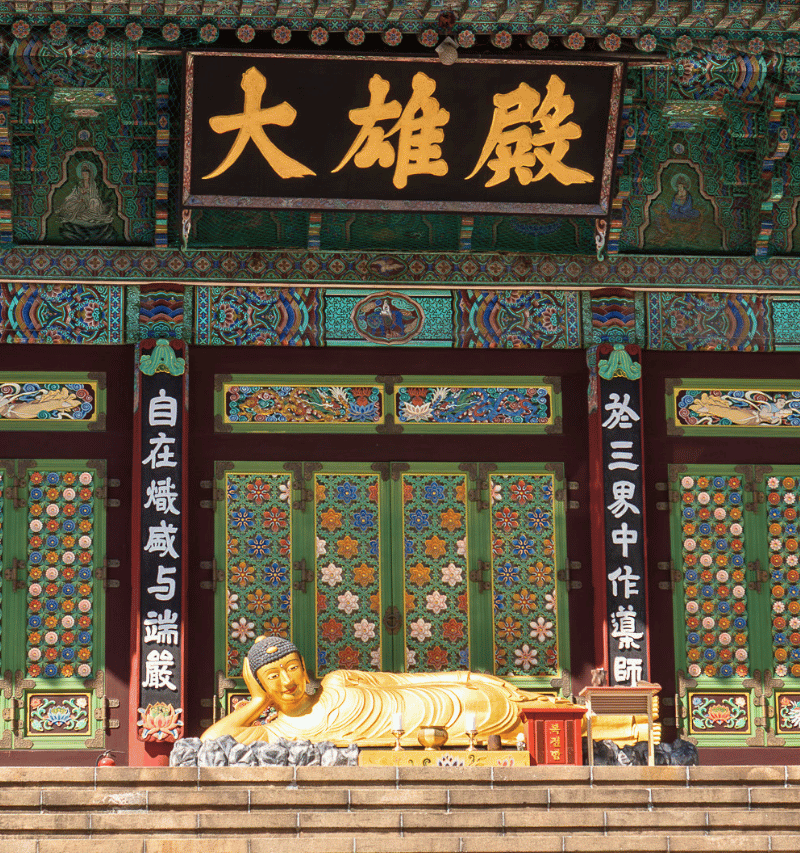
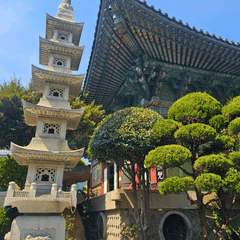
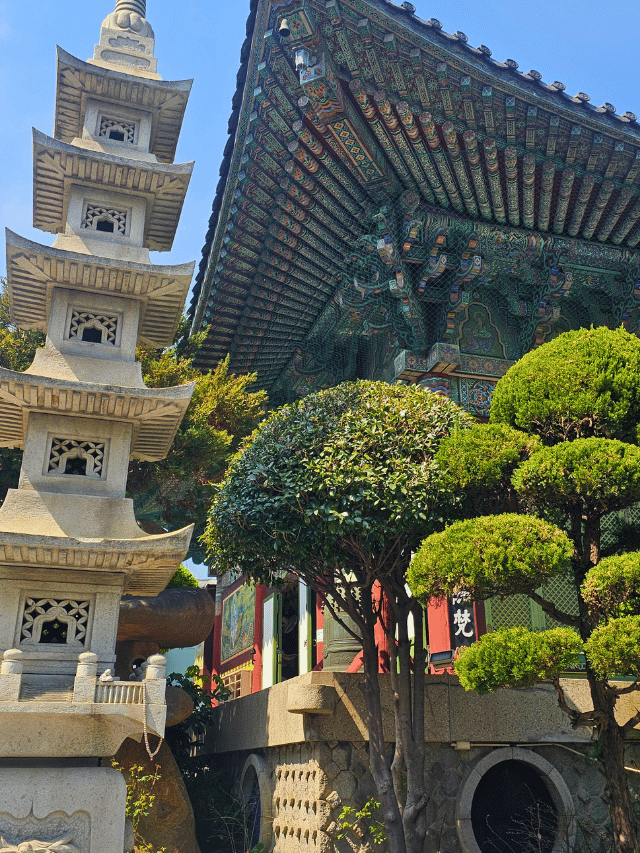
A mix of Buddhist, Christian, and Confucian traditions shapes the year. Beomeosa temple in the hills and the Sunday churches downtown both anchor community life.