
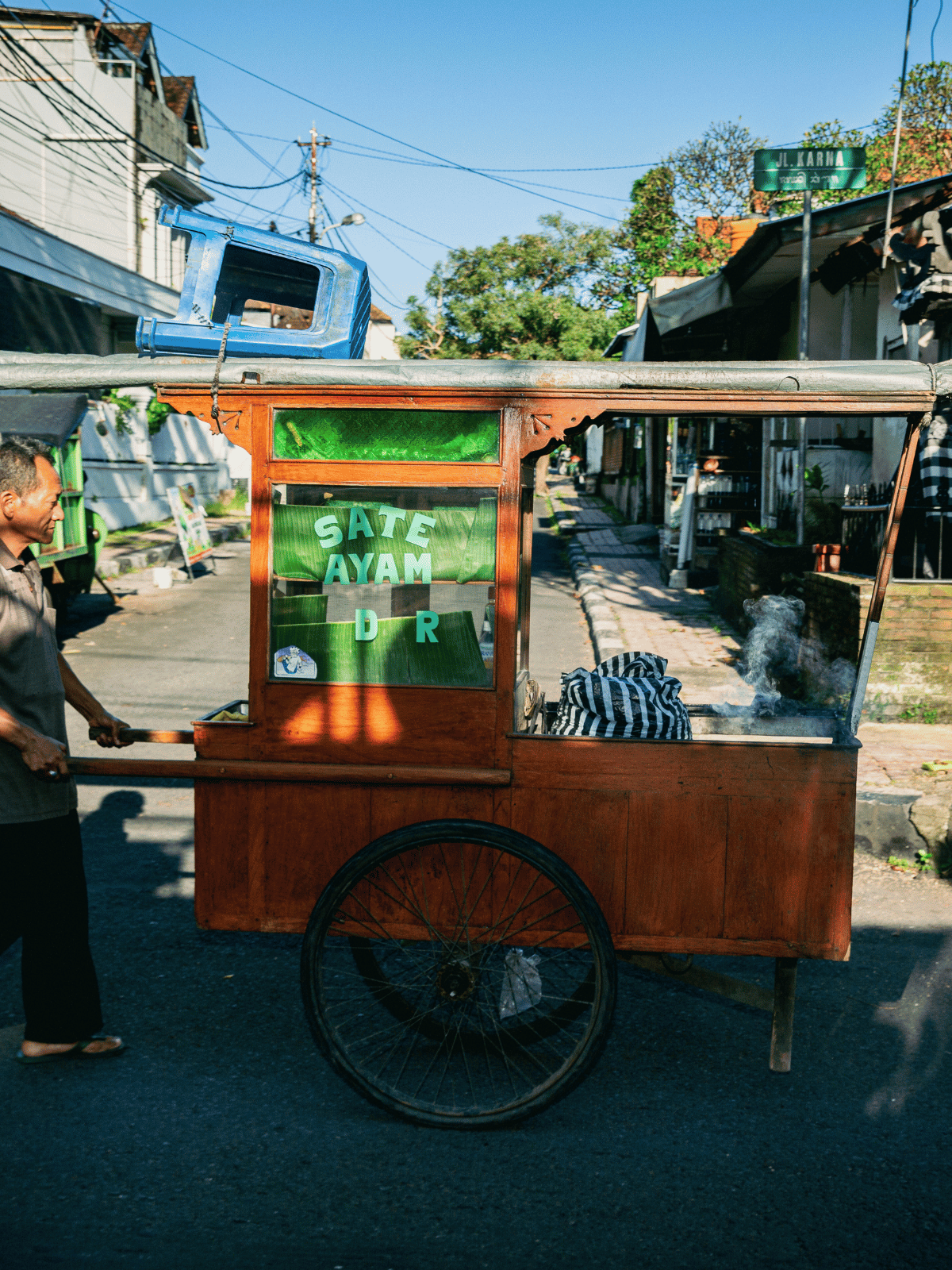
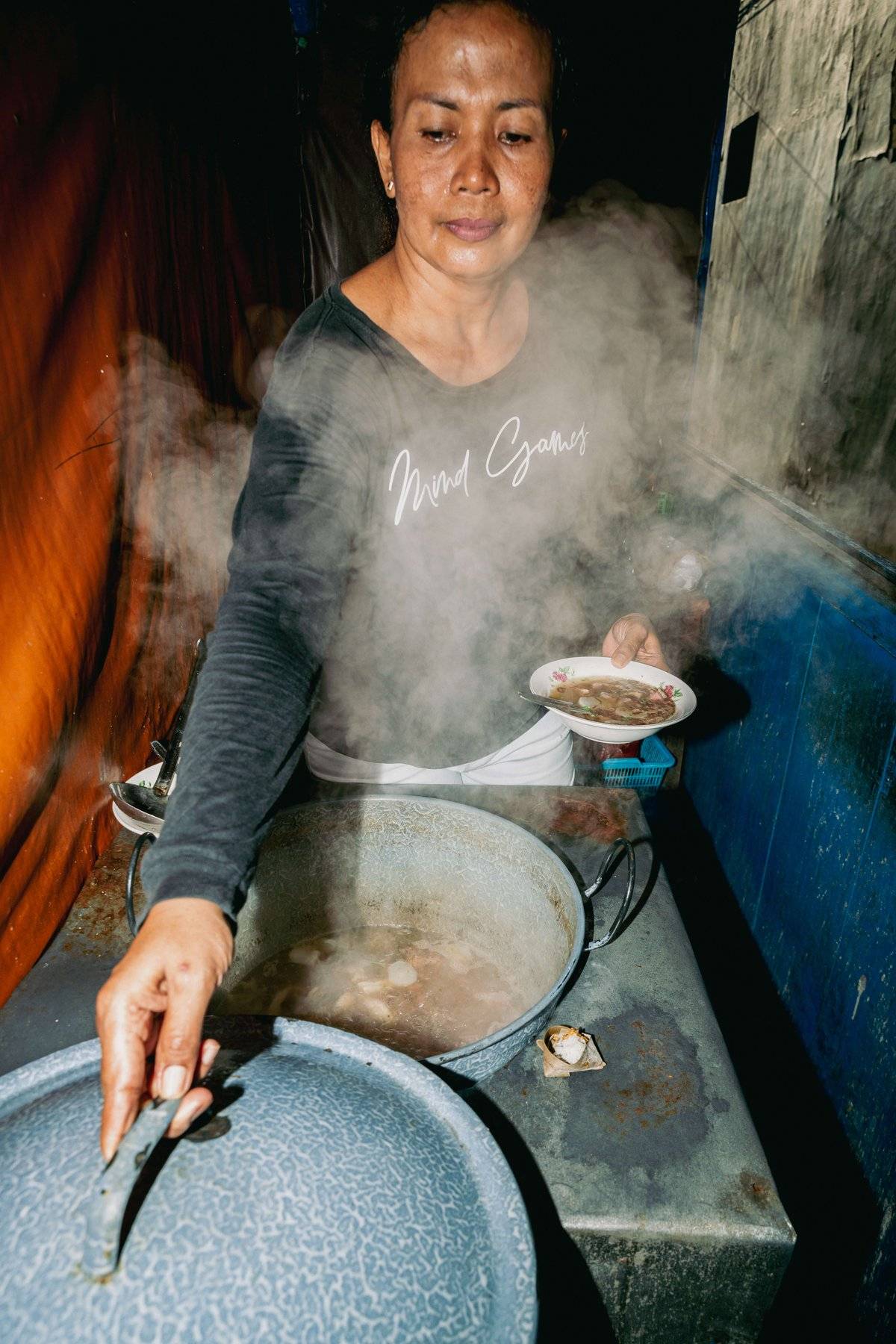
“A Chef's Tour has the motto, "Eat, Eat, Repeat", but I feel it should be "Eat, Learn, Eat, Learn, Repeat" because the information shared is as satisfying as the food.”
— Chef Todd, 2025
01 Food tours
Original food tours, curated with our local tastemakers to showcase the neighbourhood kitchens, markets and family-run eateries that define Bali.
02 Meet the tastemakers
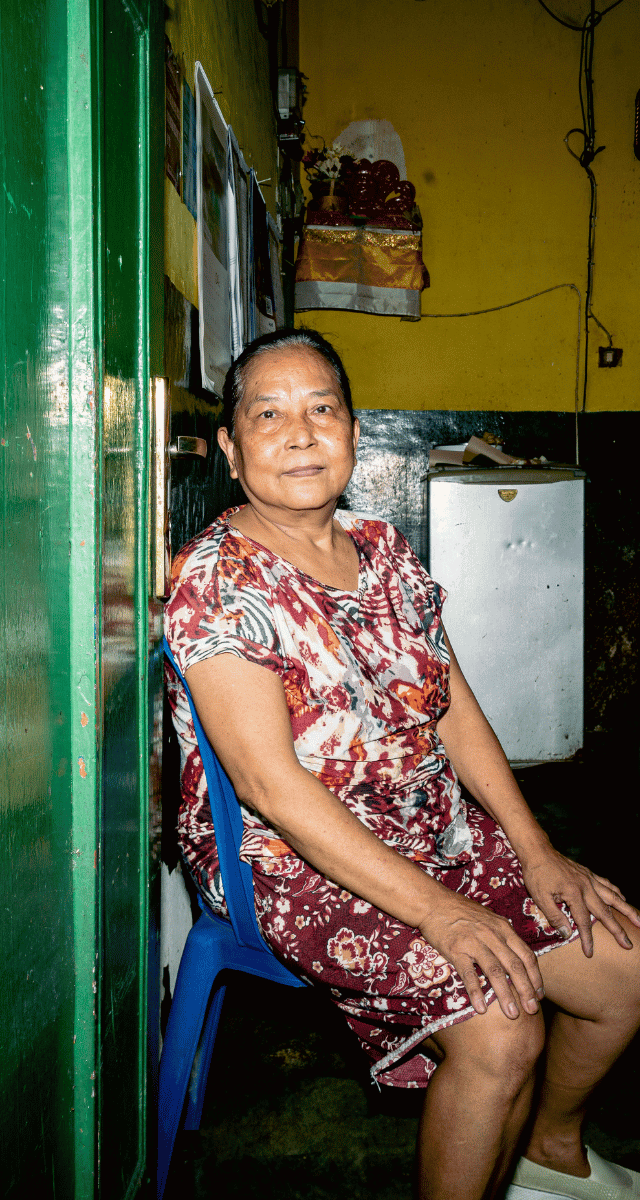
The local food experts who help us research, refine and lead every A Chef's Tour.

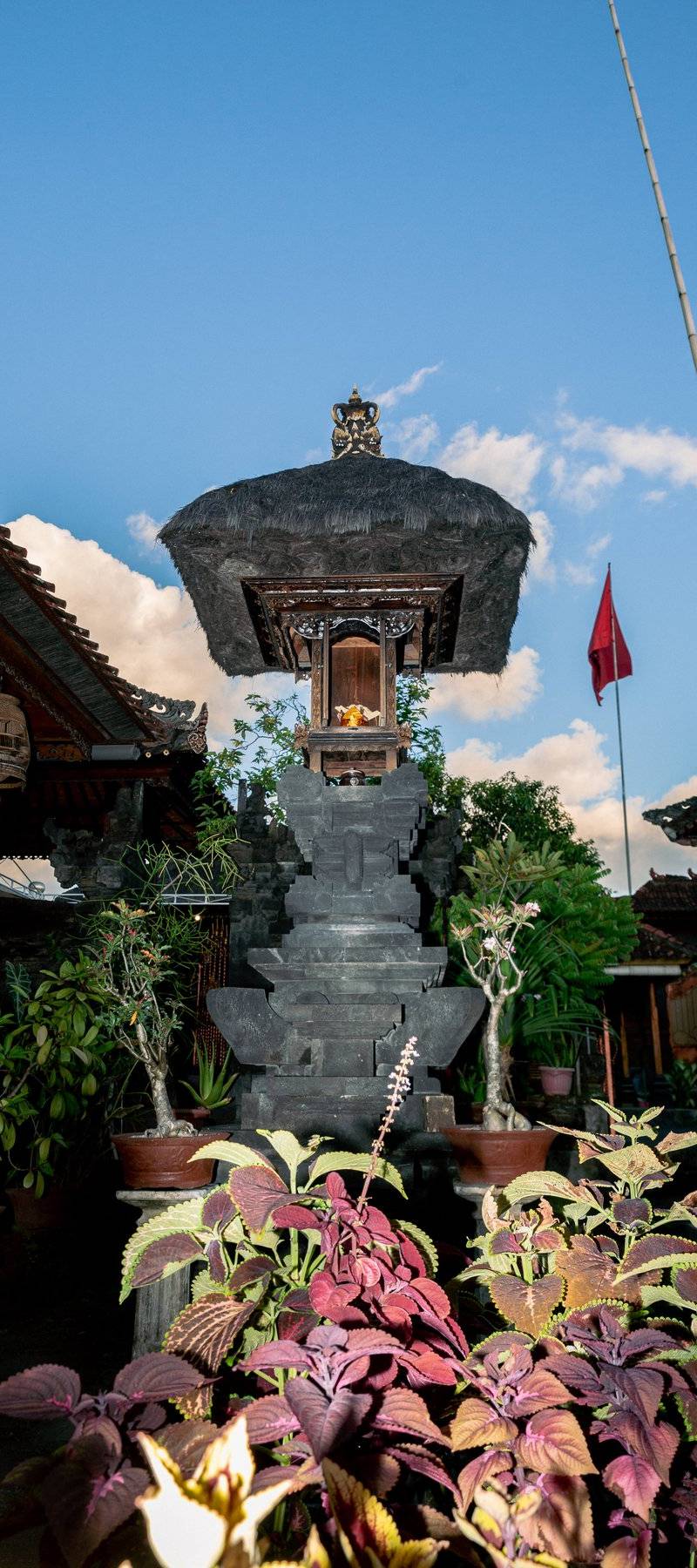
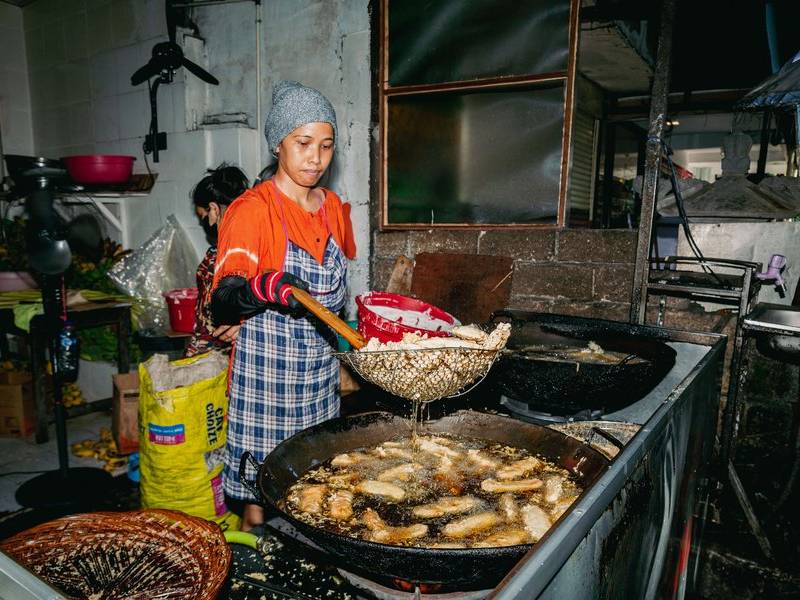
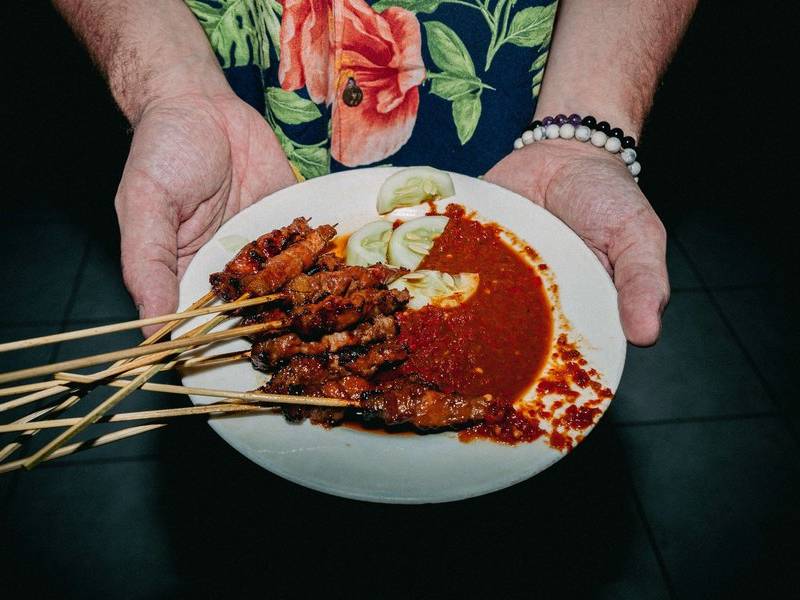
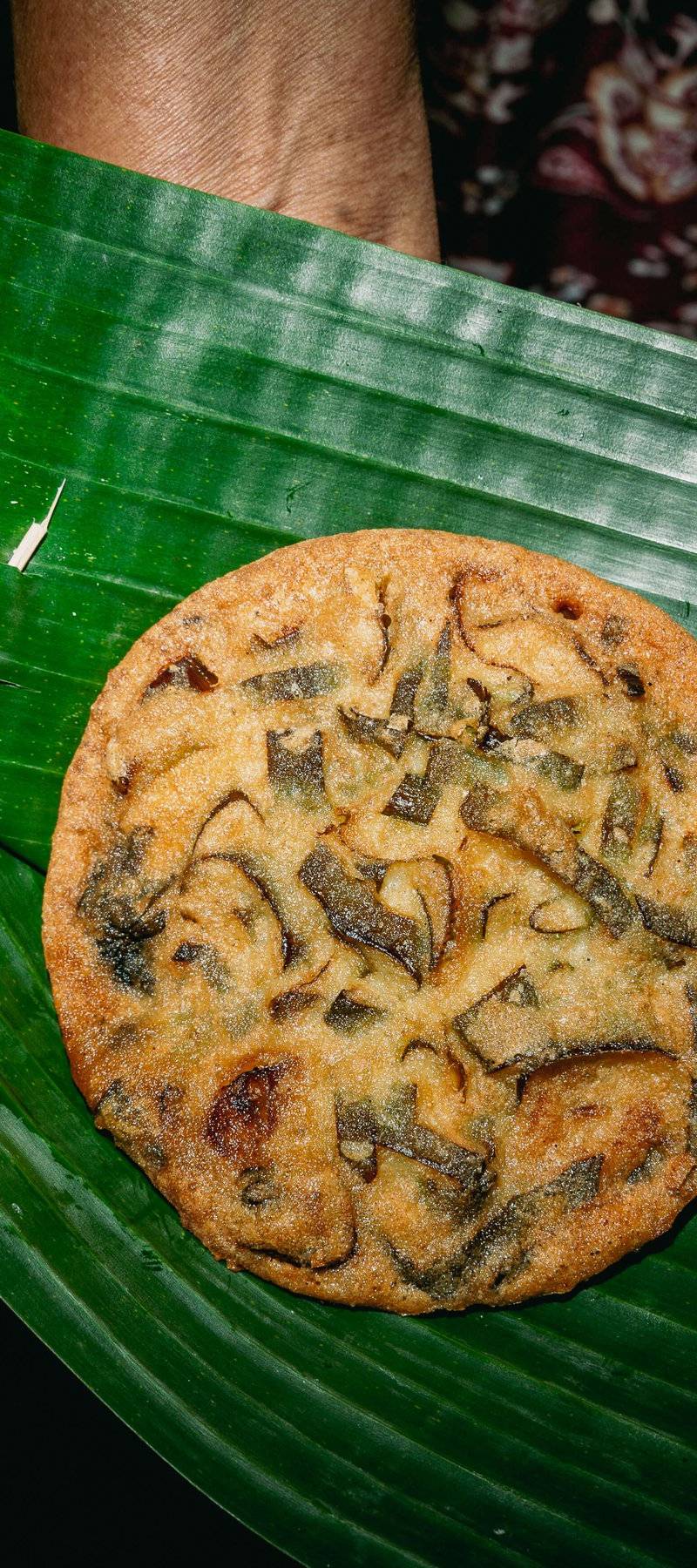
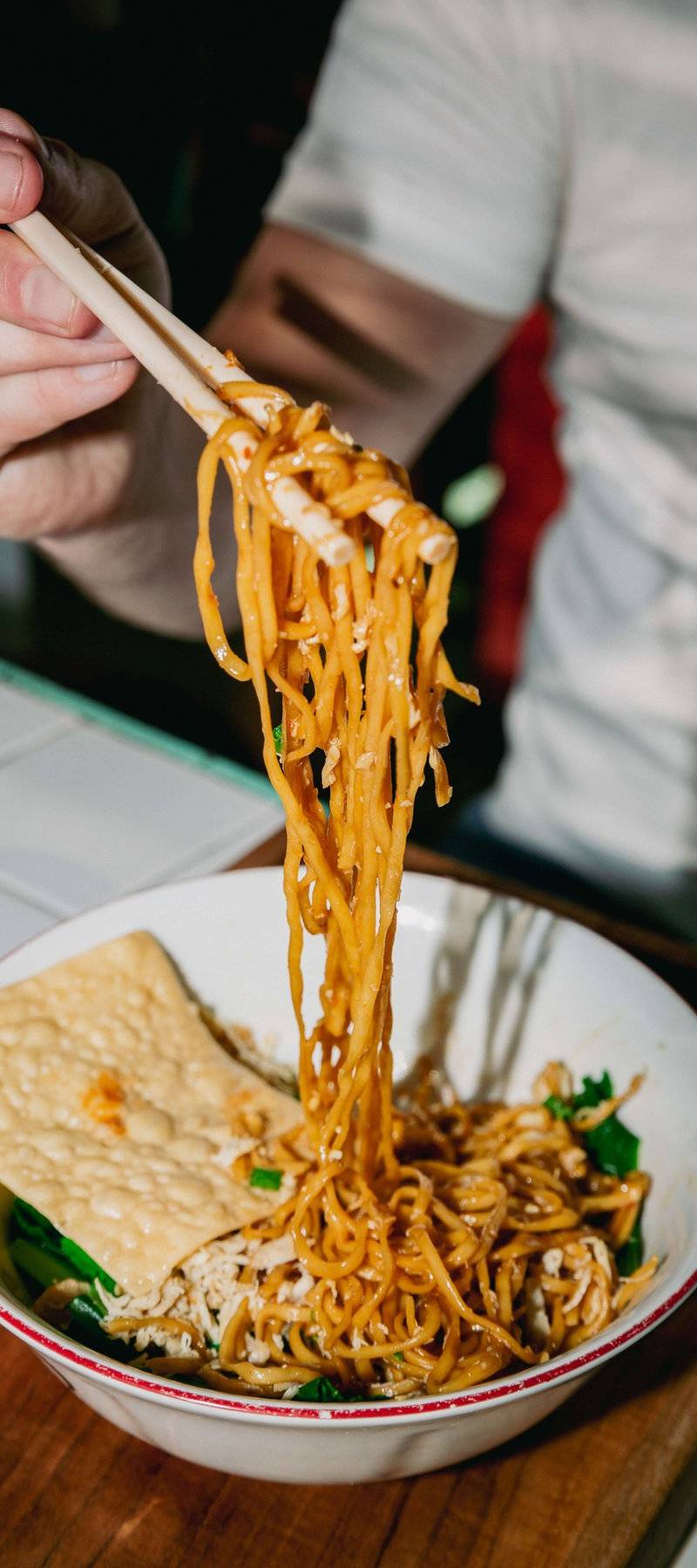
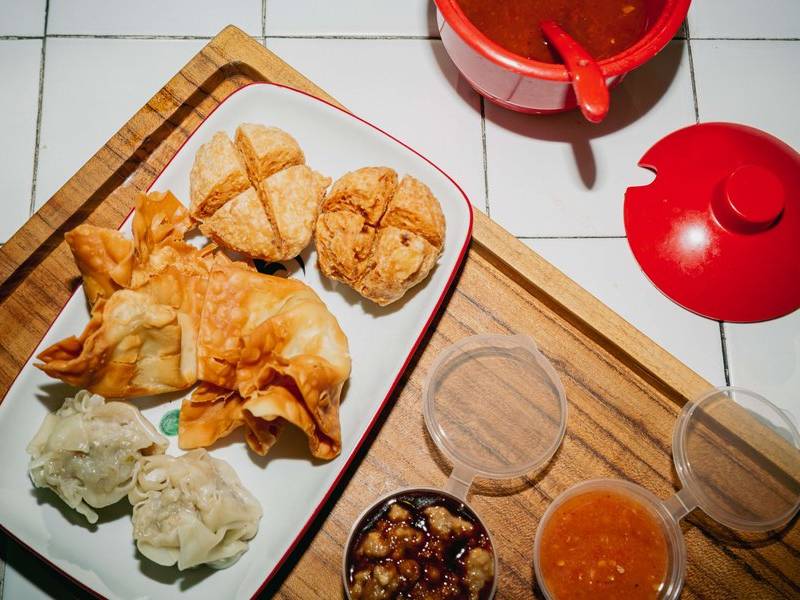
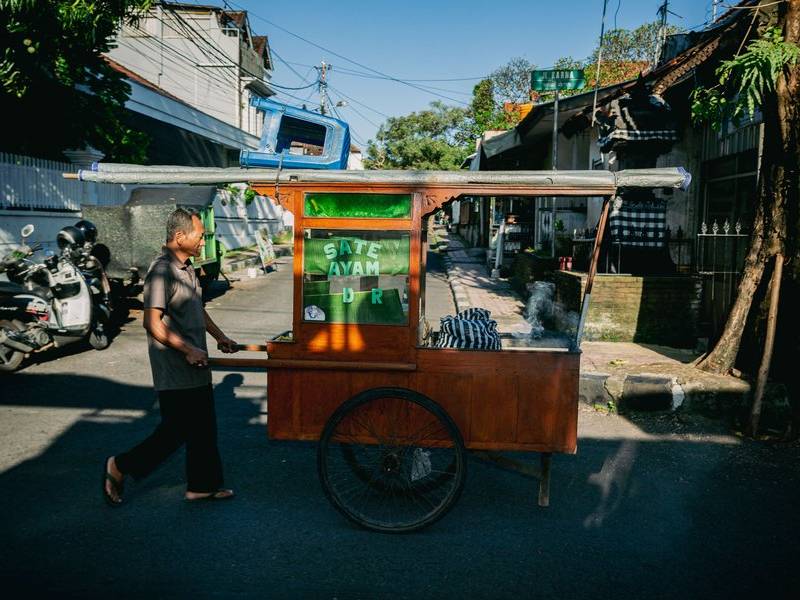
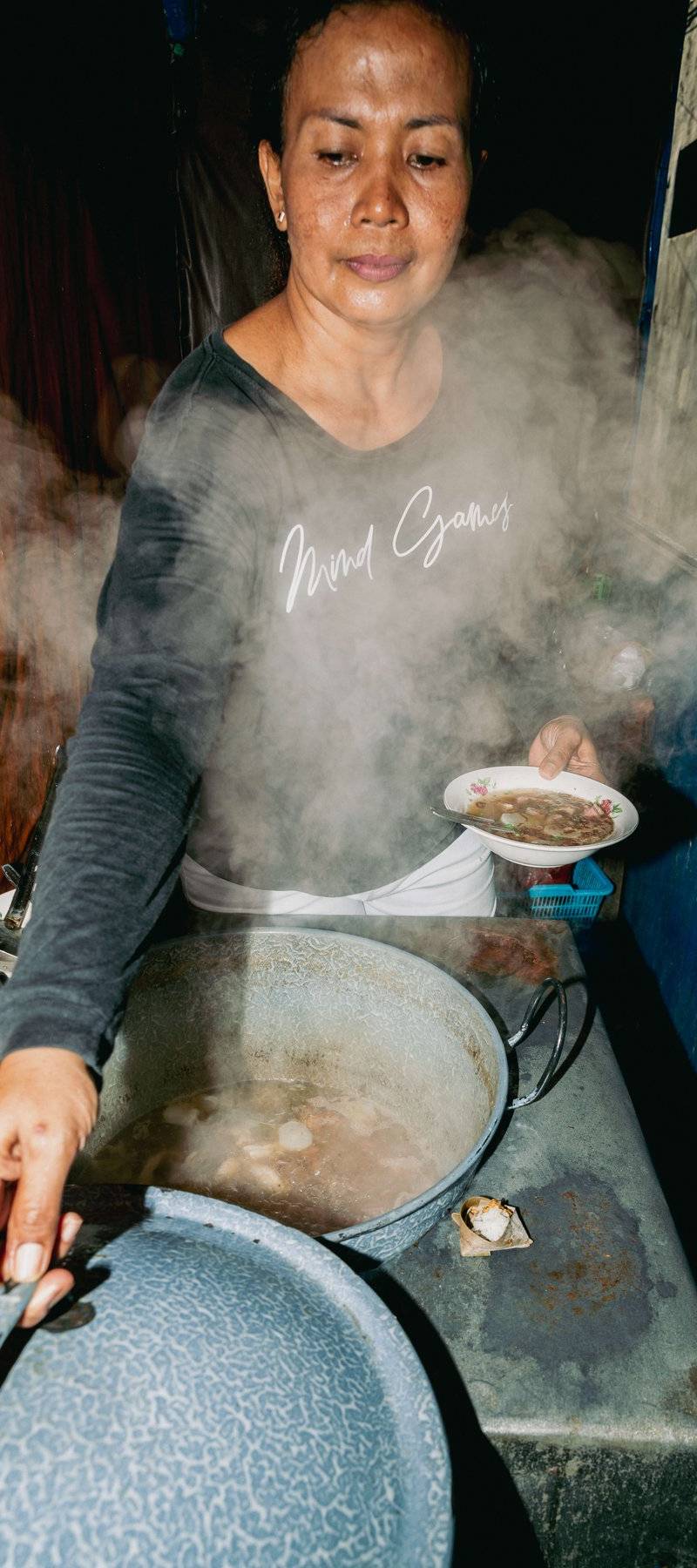
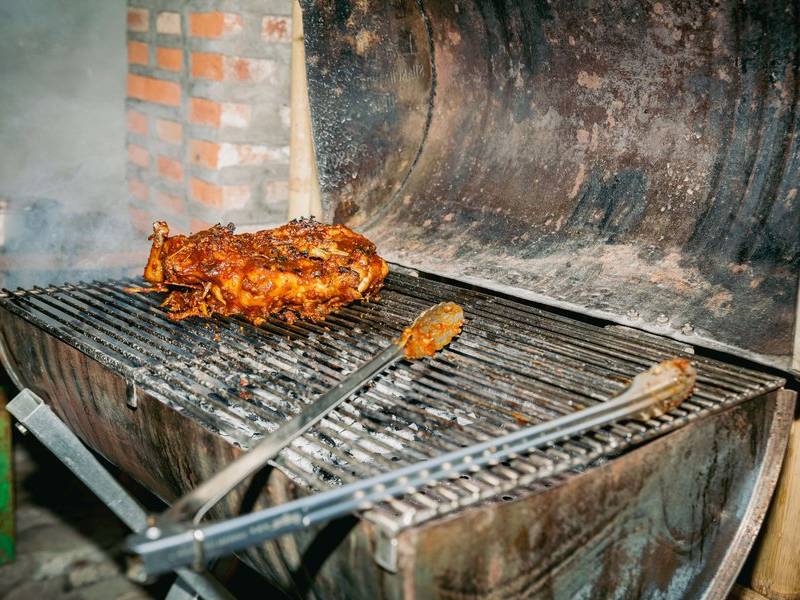
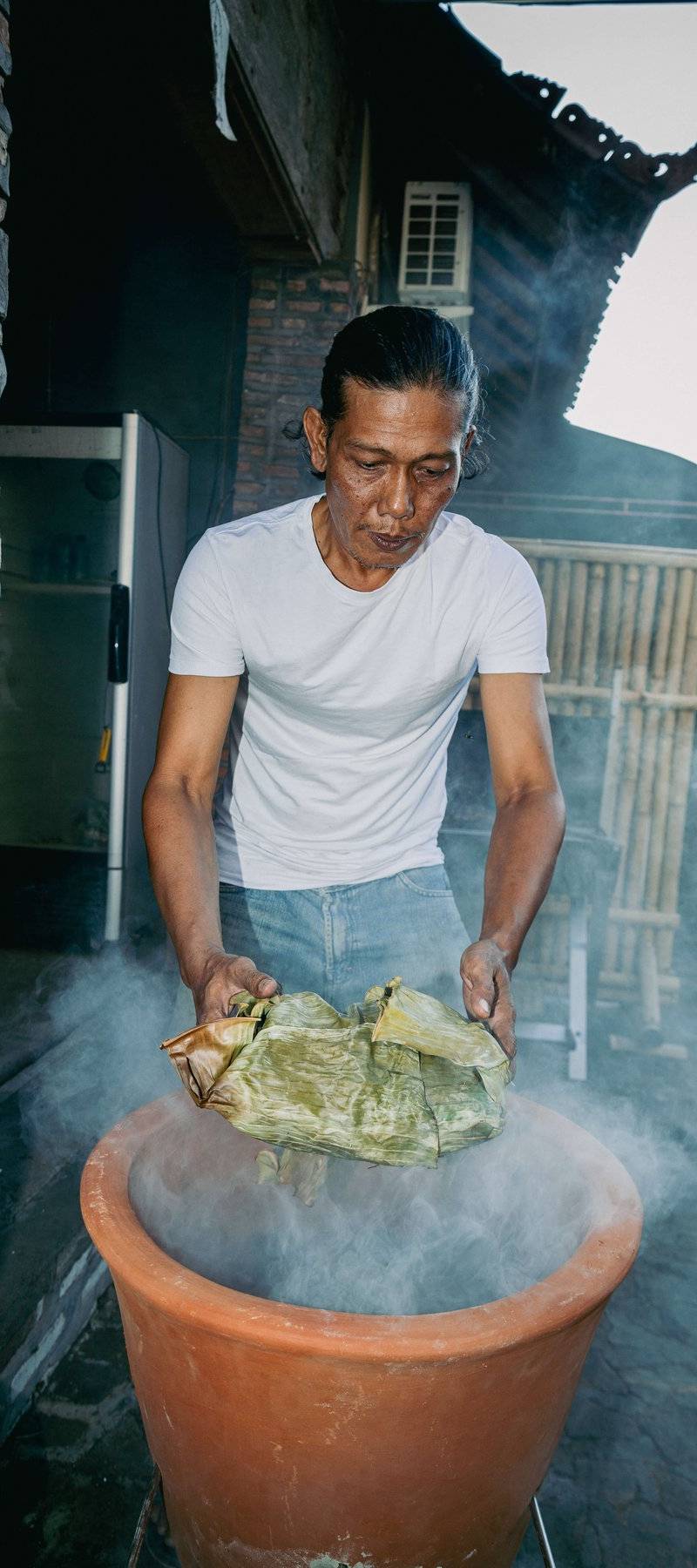
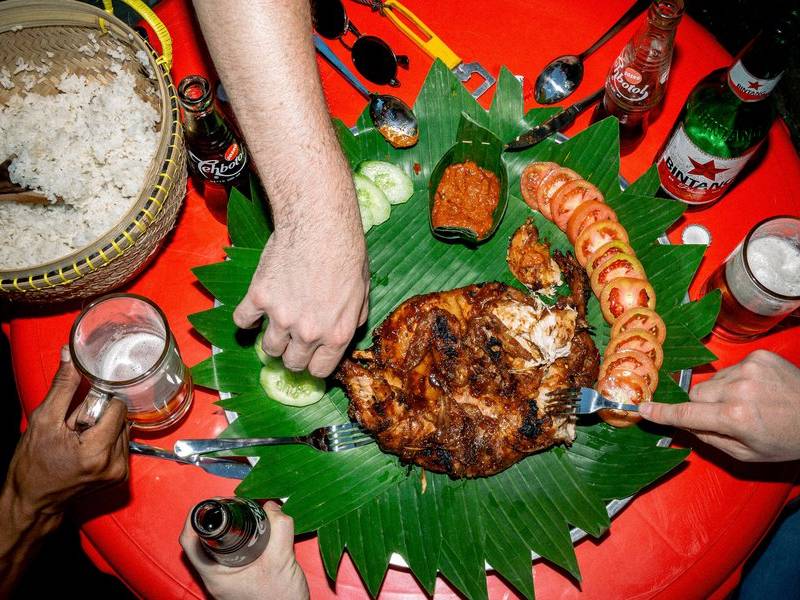
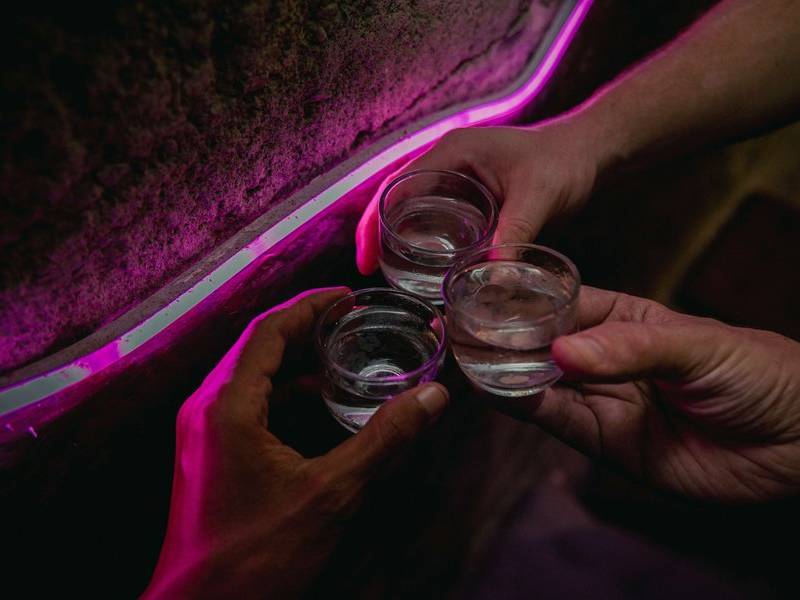
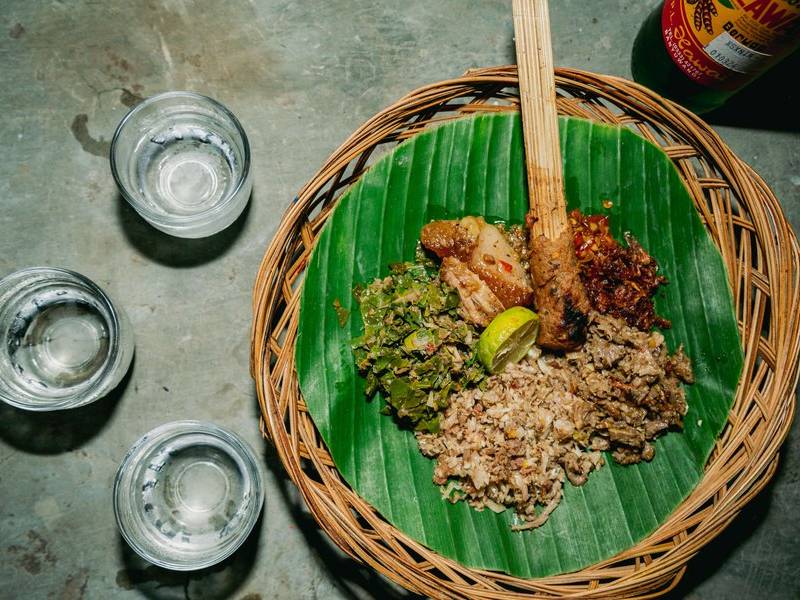
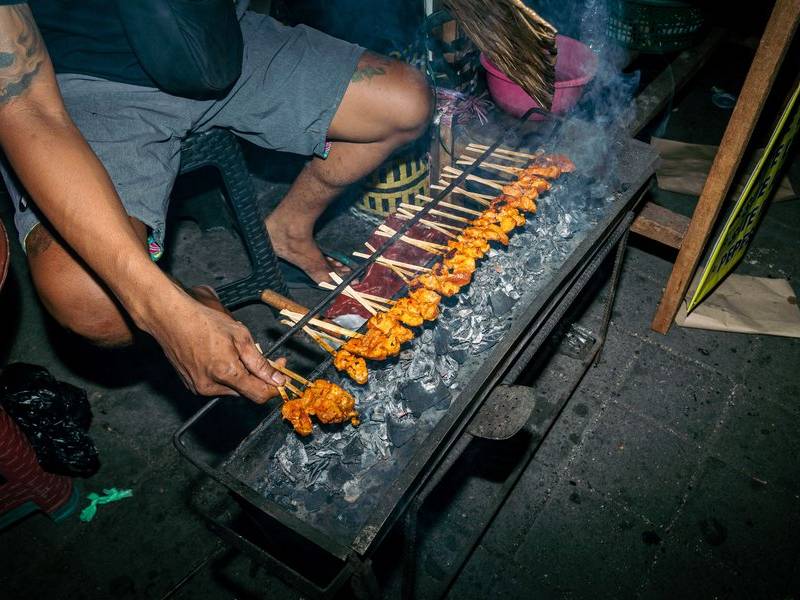
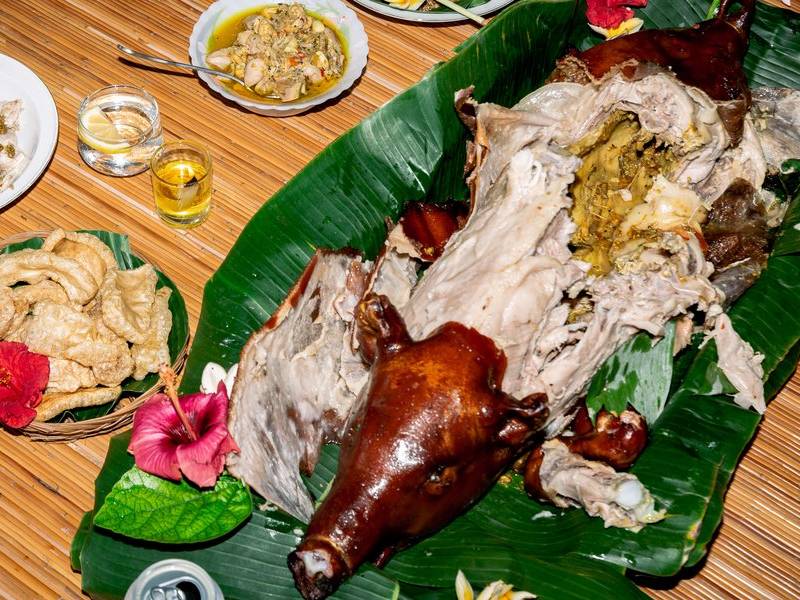
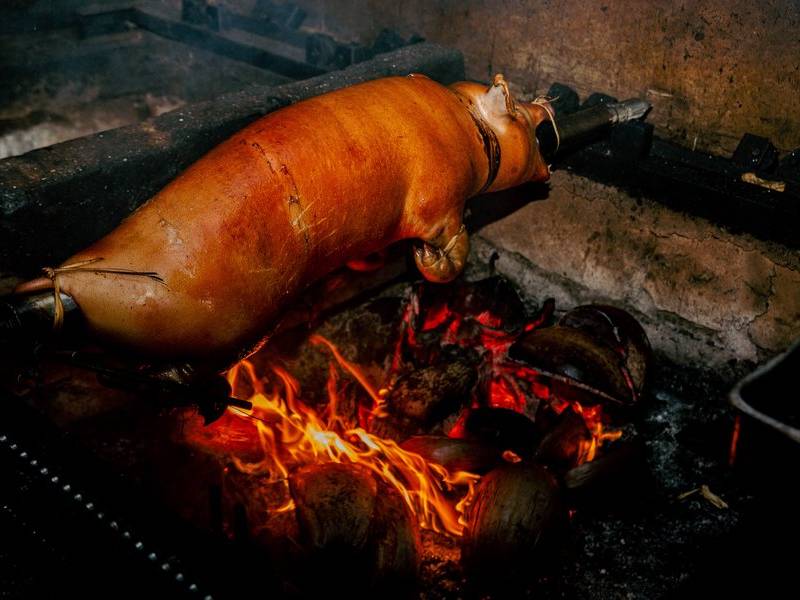
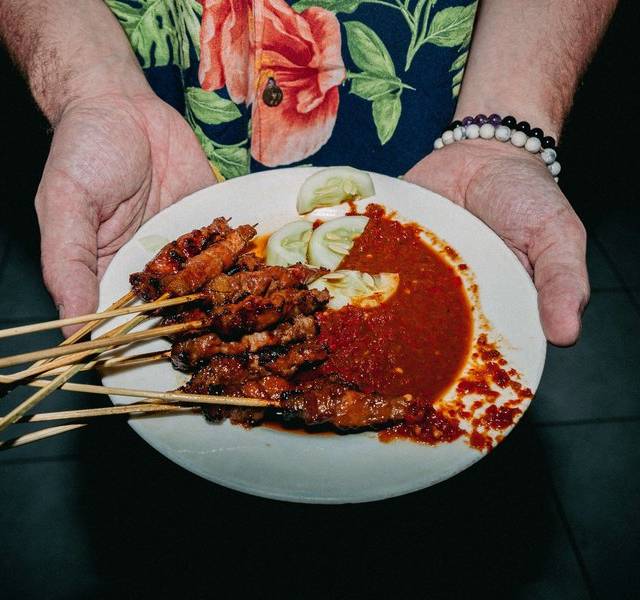
Babi guling suckling pig, lawar minced meat with grated coconut, sambal matah bright with lemongrass and lime, satay lilit on lemongrass stems. Balinese cooking is Hindu, not halal, and pork sits at the centre.
04 The pantry
- Base gede, foundational spice paste of shallot, garlic, chilli and turmeric
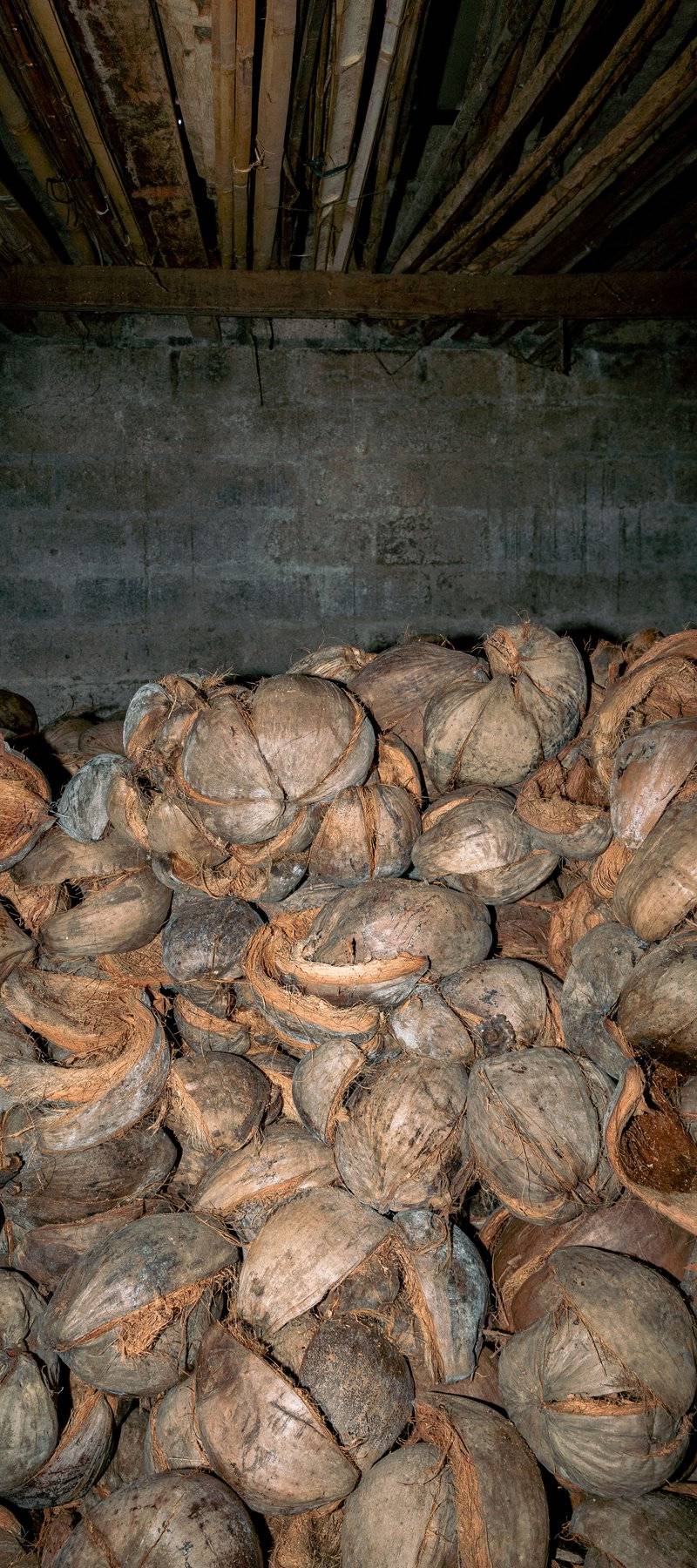
- Coconut, grated fresh into lawar and satay lilit
- Lemongrass, bruised stalks skewered through satay lilit
- Kaffir lime leaves, torn into sambal matah
- Shrimp paste, terasi toasted into every sambal
05 In the kitchen
- Pounding base gede spice paste in a stone mortar
- Wrapping bebek betutu in banana leaf and burying it in embers
- Grinding satay lilit minced meat around lemongrass stalks
- Roasting babi guling on a bamboo spit turned slowly by hand
- Tossing raw sambal matah with lemongrass, shallot and lime
06 Eat this first
- Babi guling, spit-roasted suckling pig with crackling and blood sausage
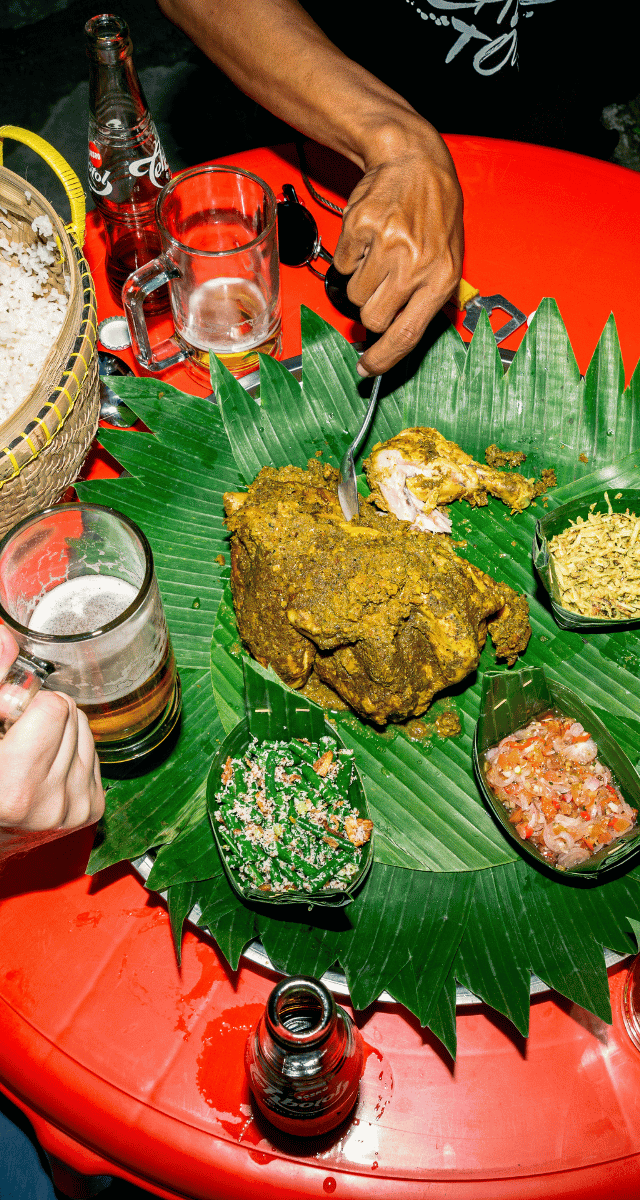
- Bebek betutu, duck rubbed in base gede and steamed for hours in banana leaf
- Lawar, minced pork or vegetable salad with grated coconut and spice
- Satay lilit, minced fish or pork moulded on lemongrass stalks and grilled
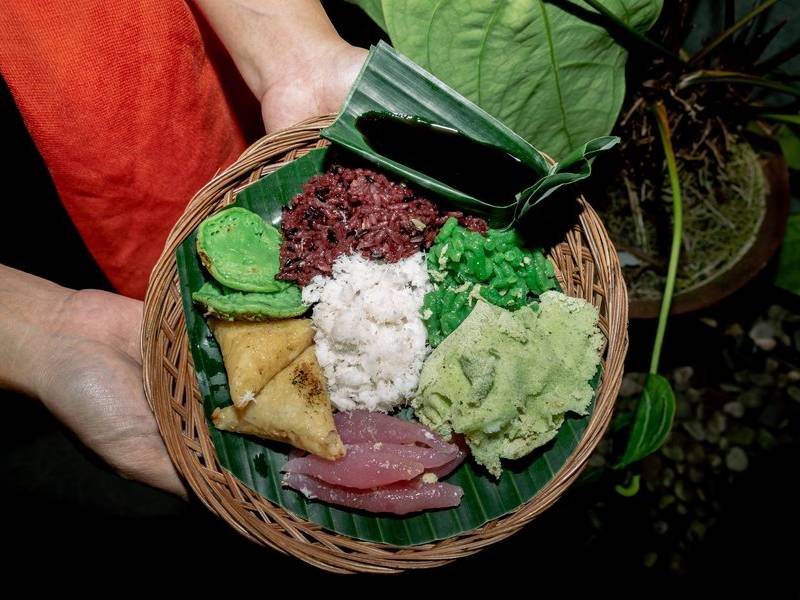
- Nasi campur, plate of rice with a dozen small Balinese sides


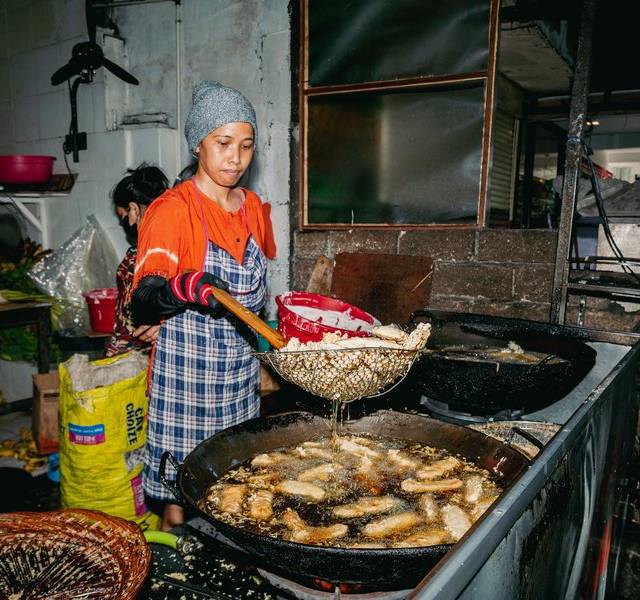
What happens inside a hammam kitchen
A morning with the cooks who feed the neighbourhood before dawn. Charcoal, dough, the smell of a bakery working its second oven.
10 Field Notes
Quick field notes to help you get accustomed to Bali.
Weather
Tropical. Warm year-round (26–32°C). The dry season (April–October) is peak; wet season (November–March) is greener with dramatic afternoon storms.
Currency
The Indonesian rupiah (IDR); cash for warungs, markets, and small purchases; cards for restaurants and hotels. ATMs are common but watch for skimming.
Language
Indonesian is universal; Balinese is spoken locally in villages and ceremonies. English coverage is excellent in tourist areas.
Etiquette
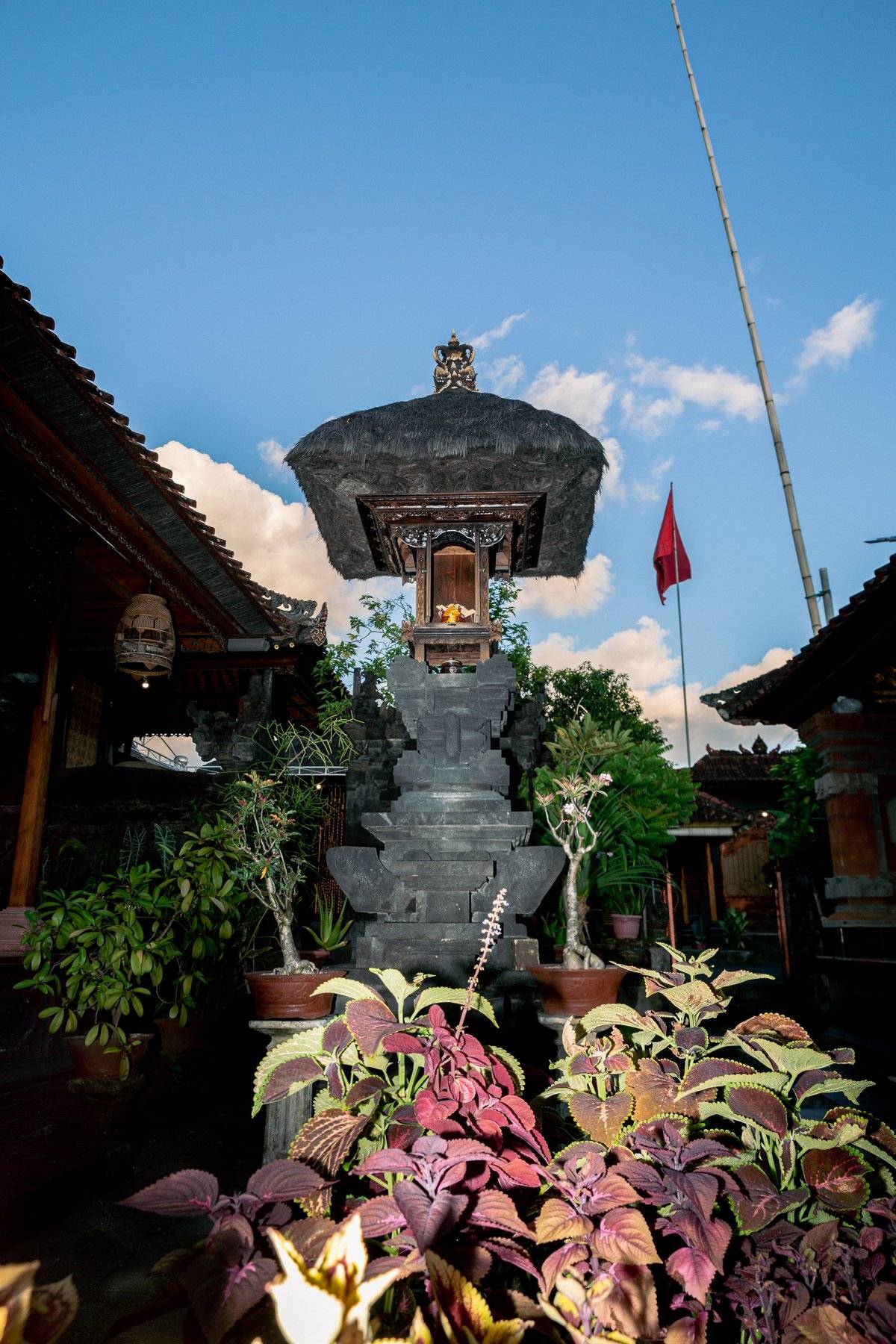
Cover shoulders and knees at temples. A sarong is always provided or required. Menstruating women are traditionally asked not to enter temples. Step over offerings on the ground, not on them.
Getting around
Grab and Gojek work everywhere. Scooter hire is common but roads and driving standards vary; only rent if you're licensed and confident. Kura Kura buses cover the tourist strip.
Prayer
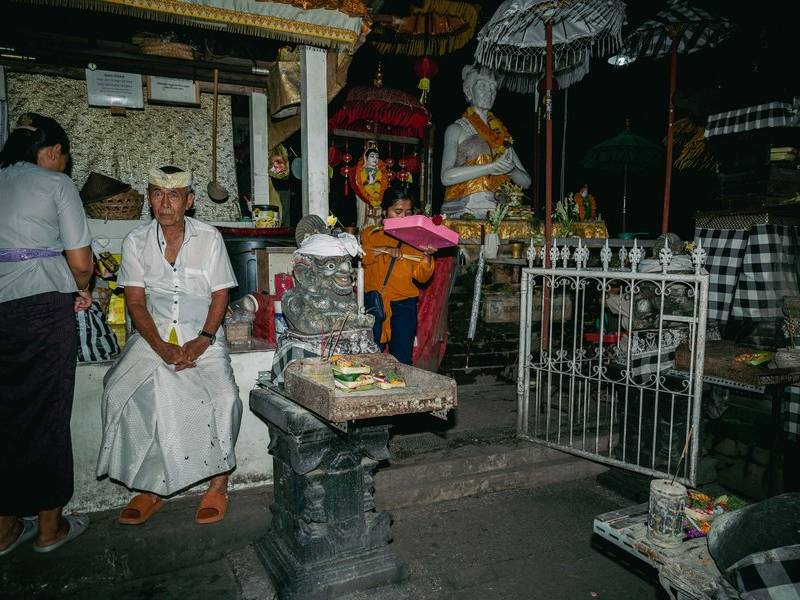
Balinese Hinduism shapes every day. Three daily offerings (canang sari) placed on the ground outside every home and business. Temple ceremonies happen constantly.