
01 Food tours
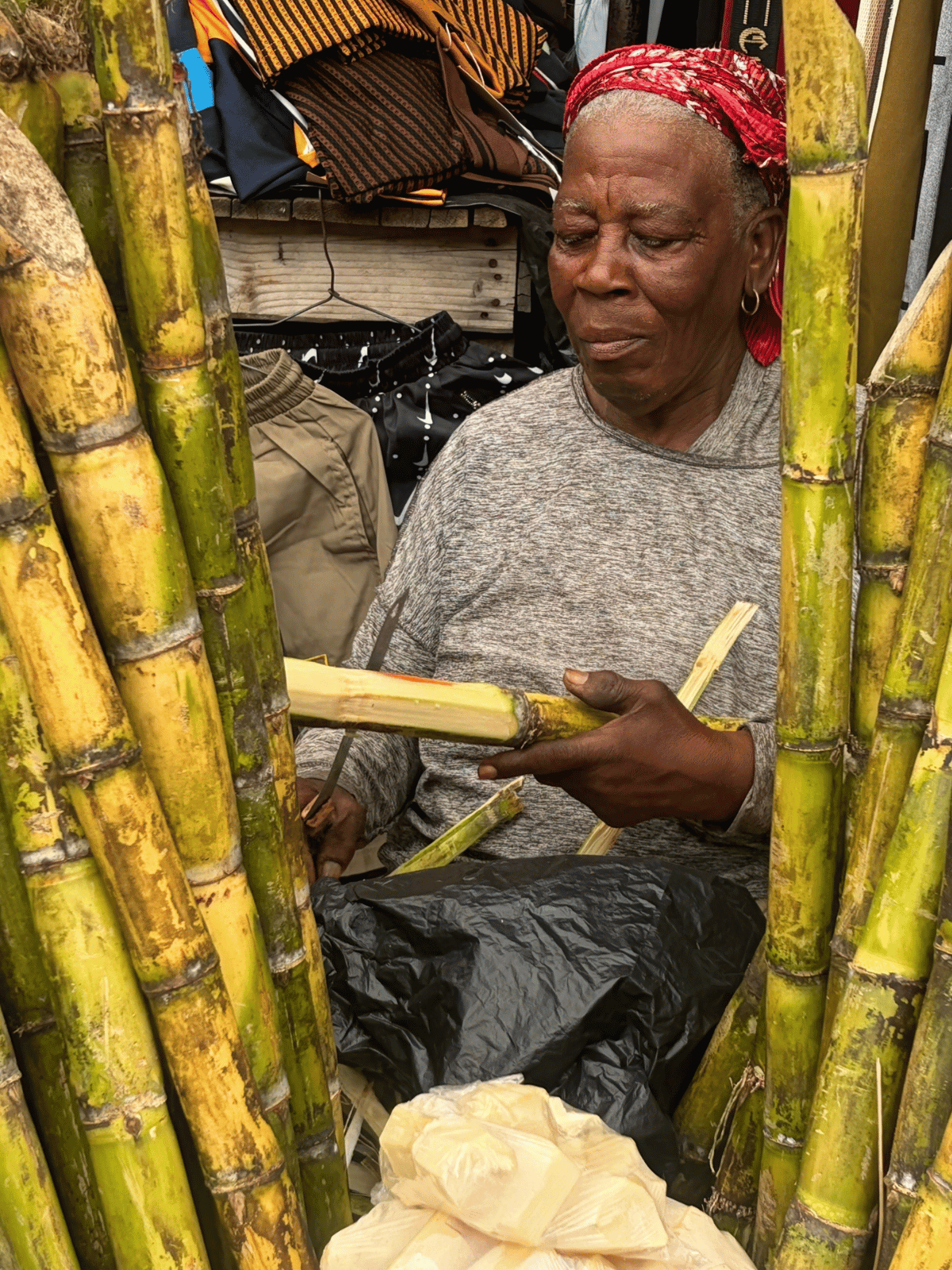
Original food tours, curated with our local tastemakers to showcase the neighbourhood kitchens, markets and family-run eateries that define Accra.
02 Meet the tastemakers
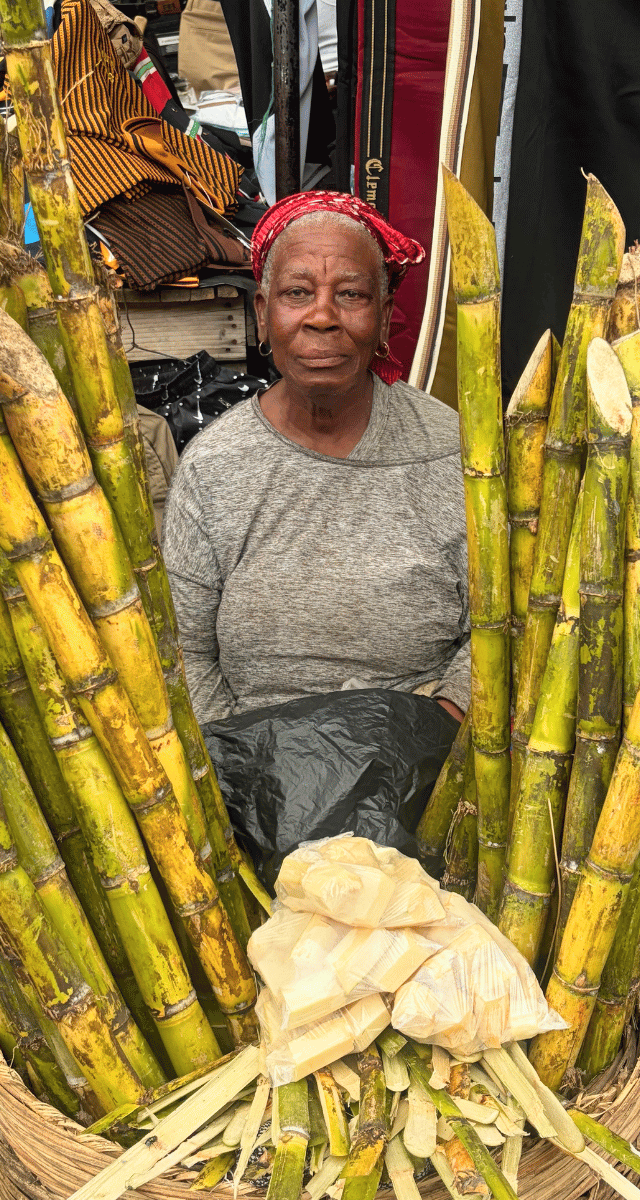
The local food experts who help us research, refine and lead every A Chef's Tour.


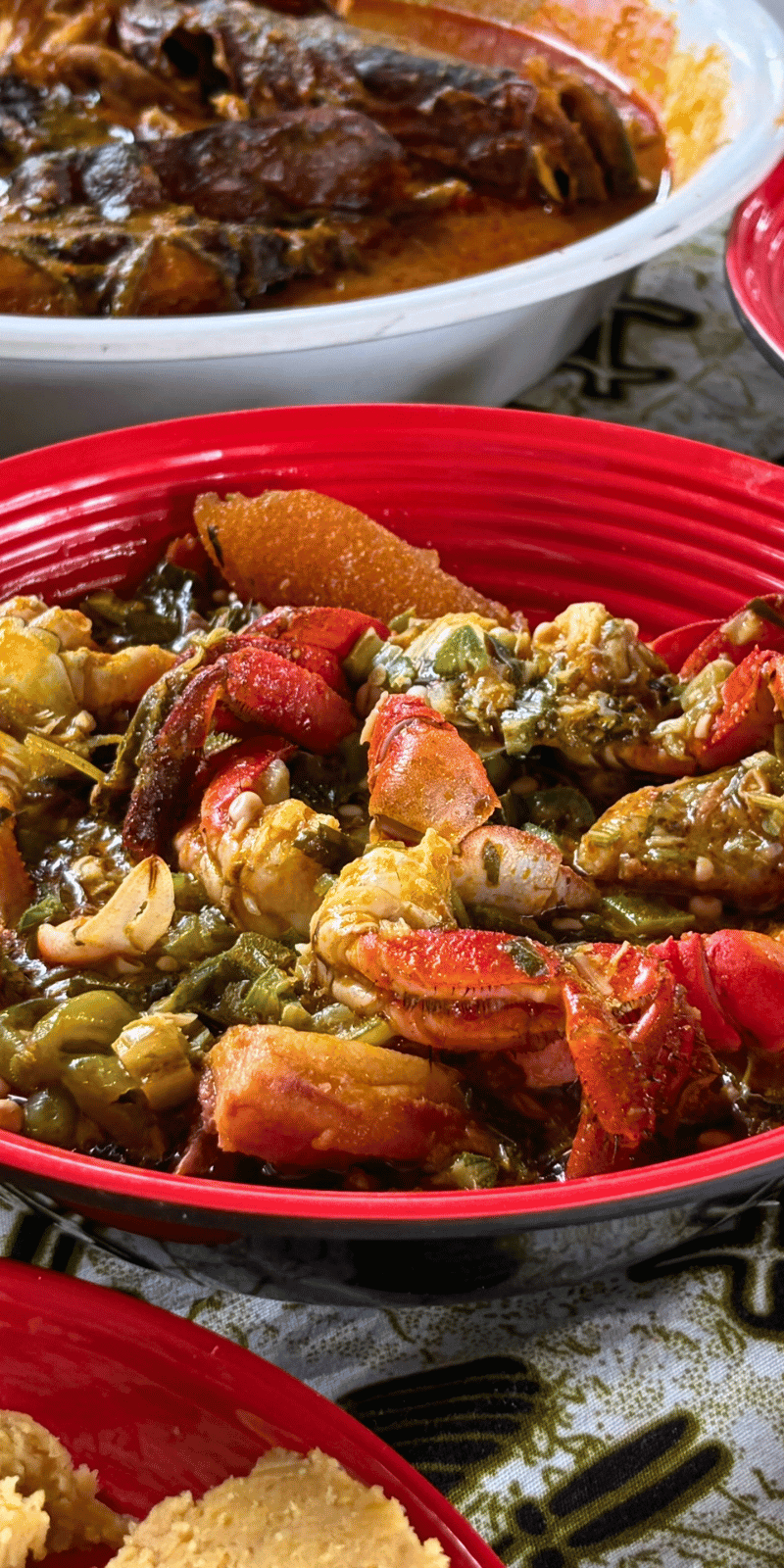
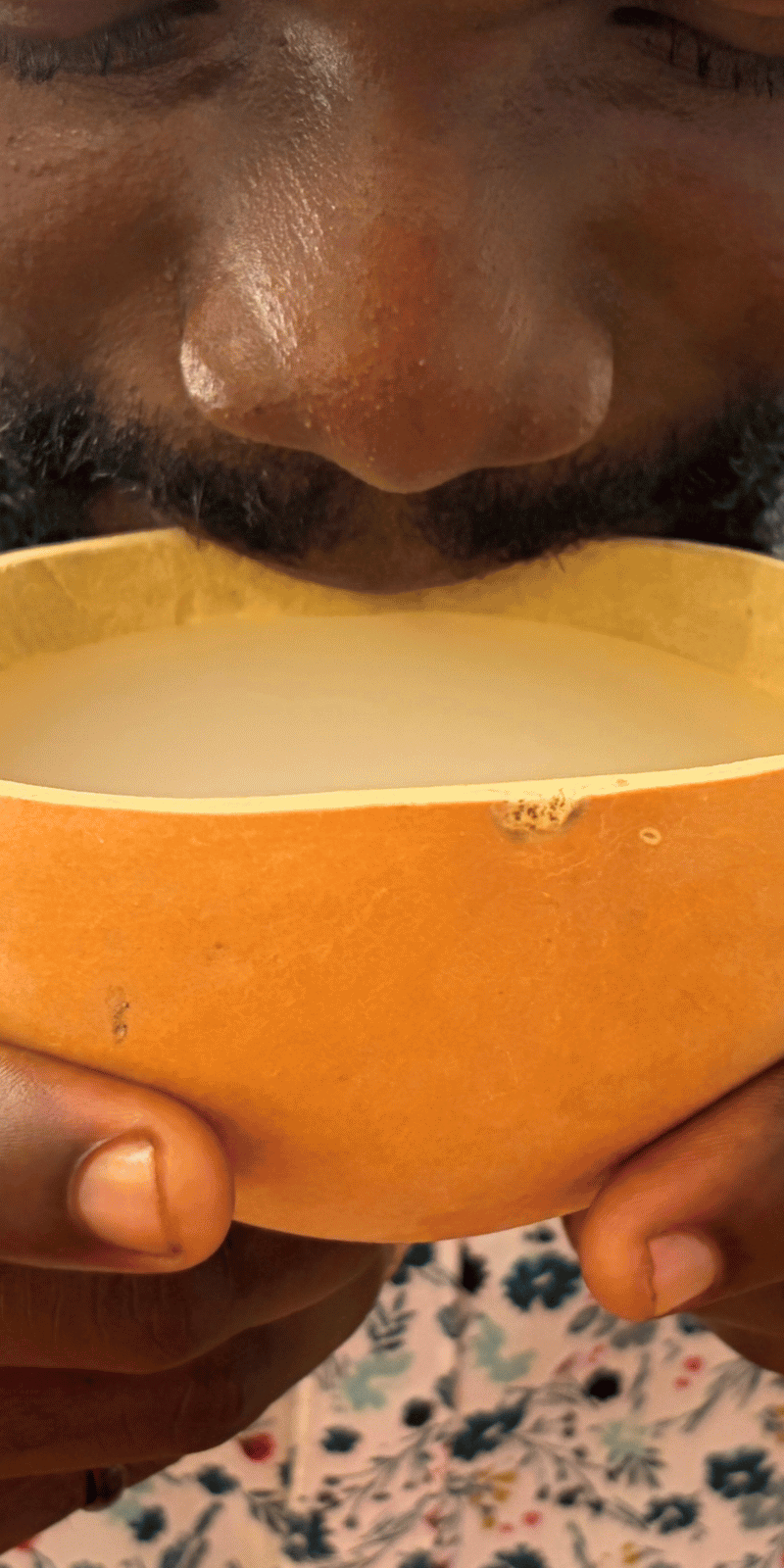
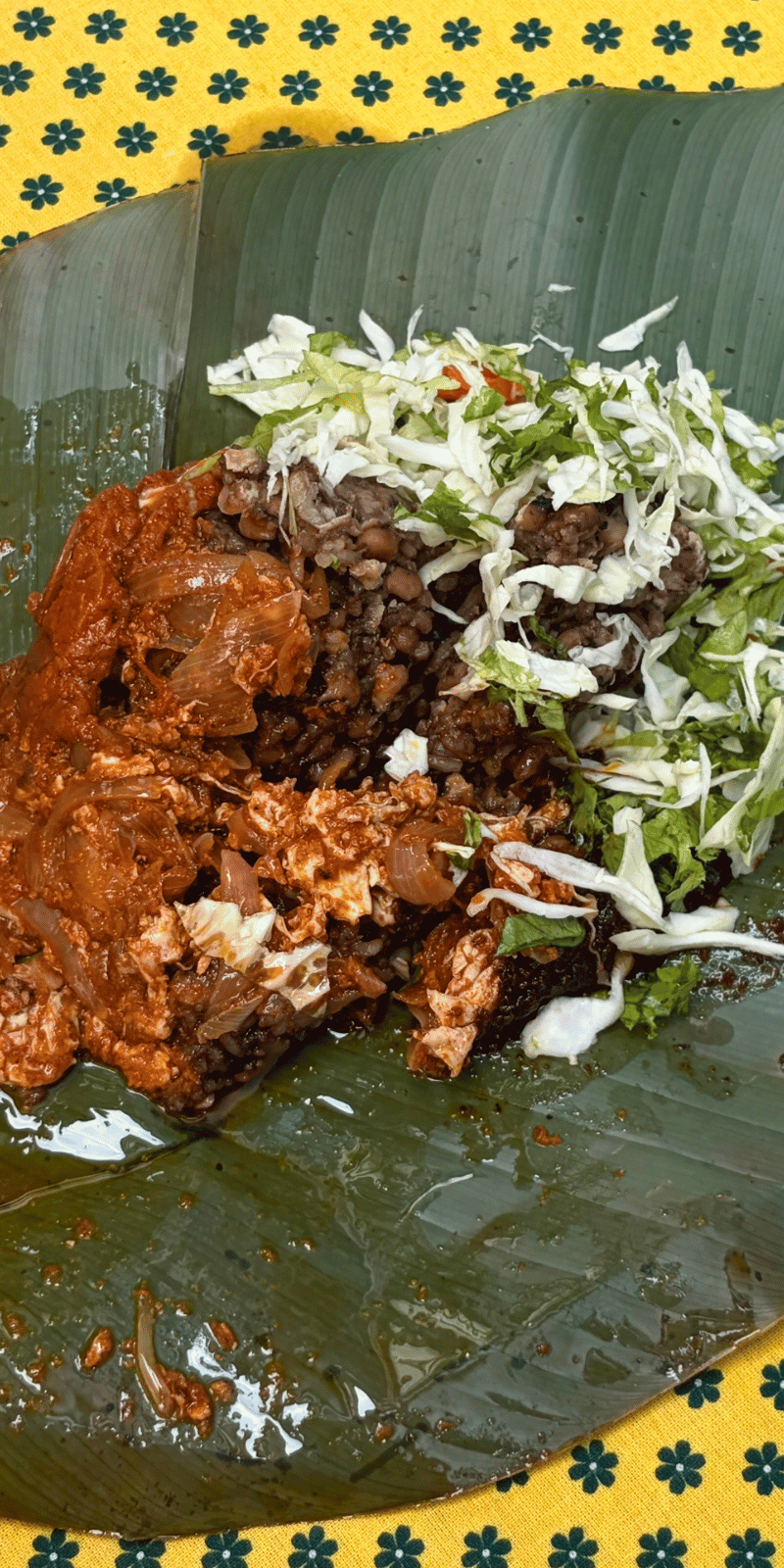
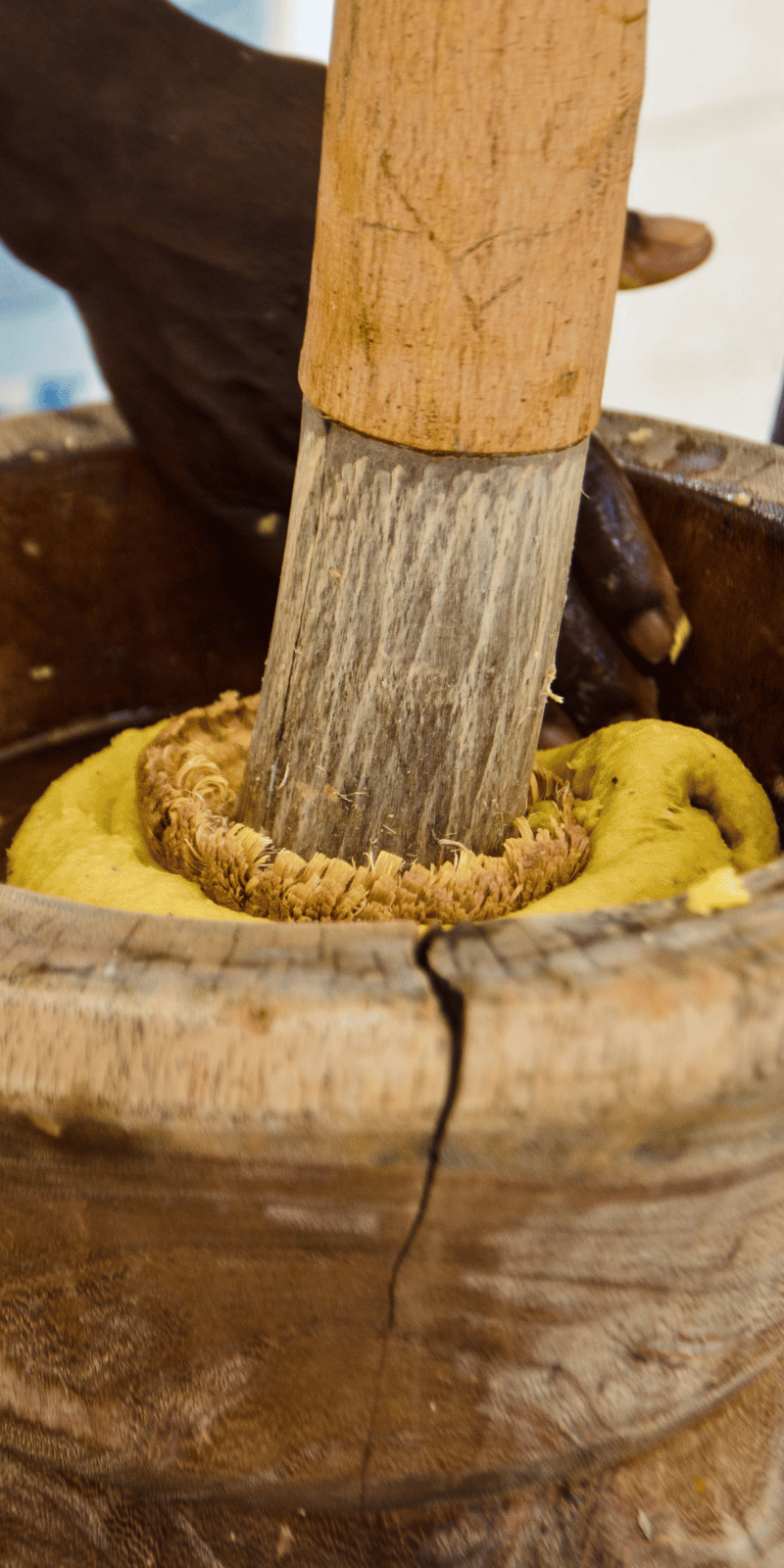
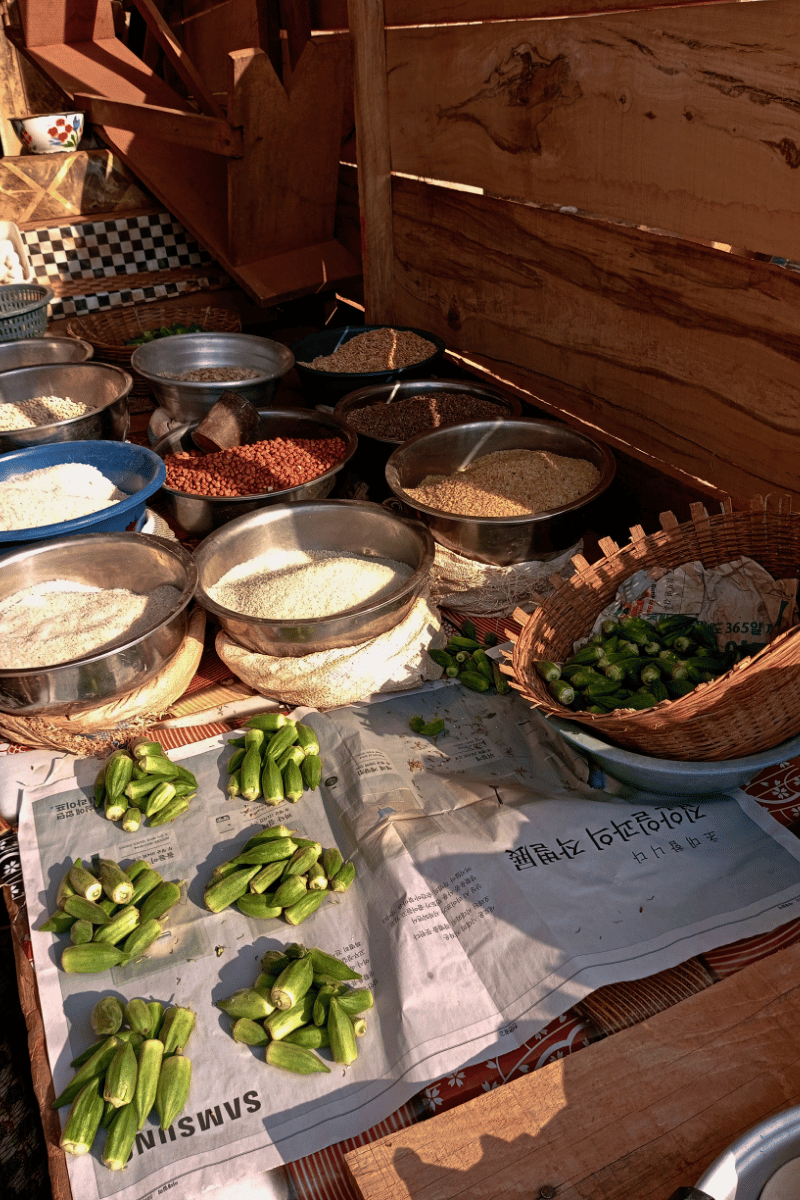
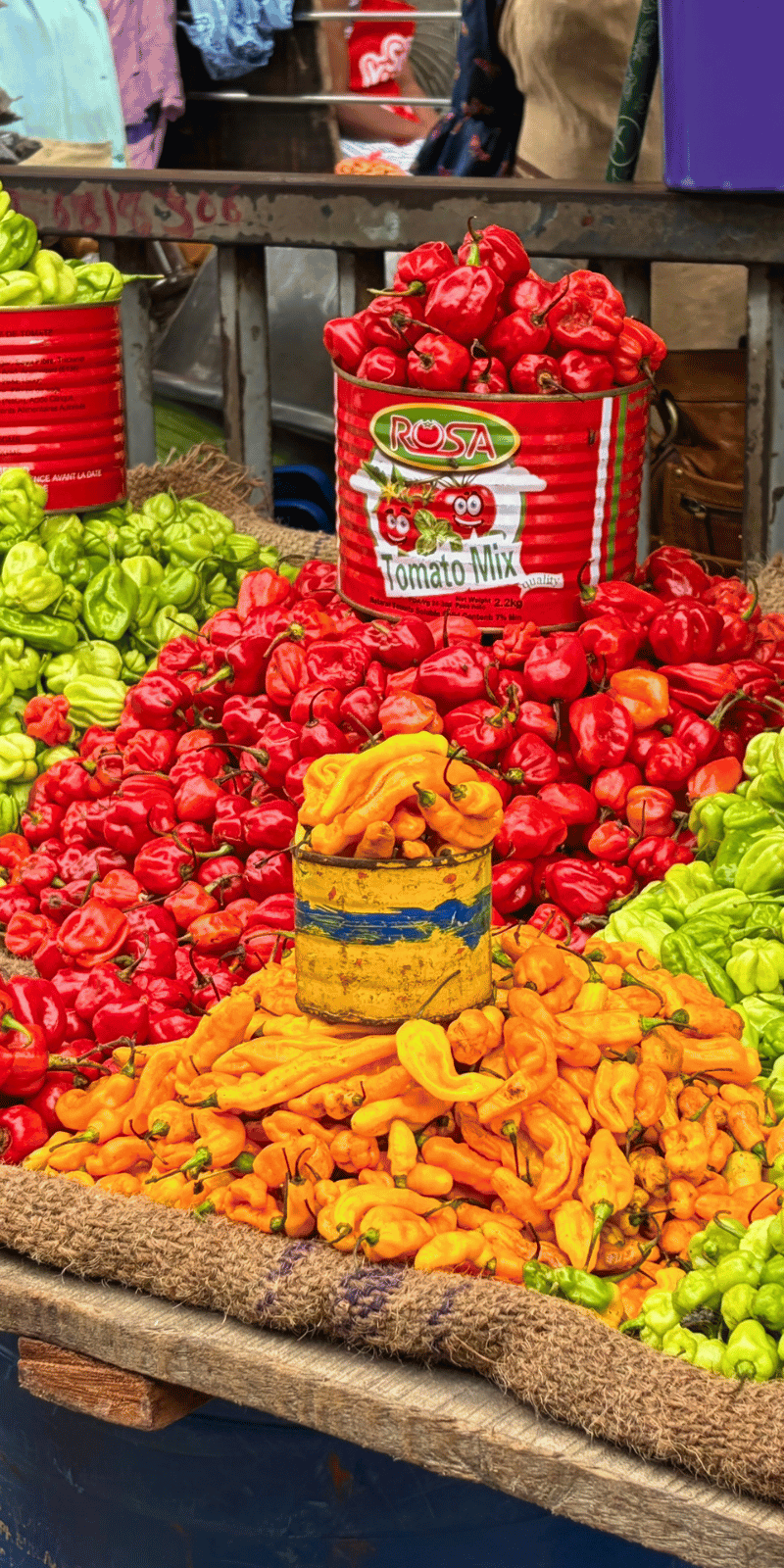
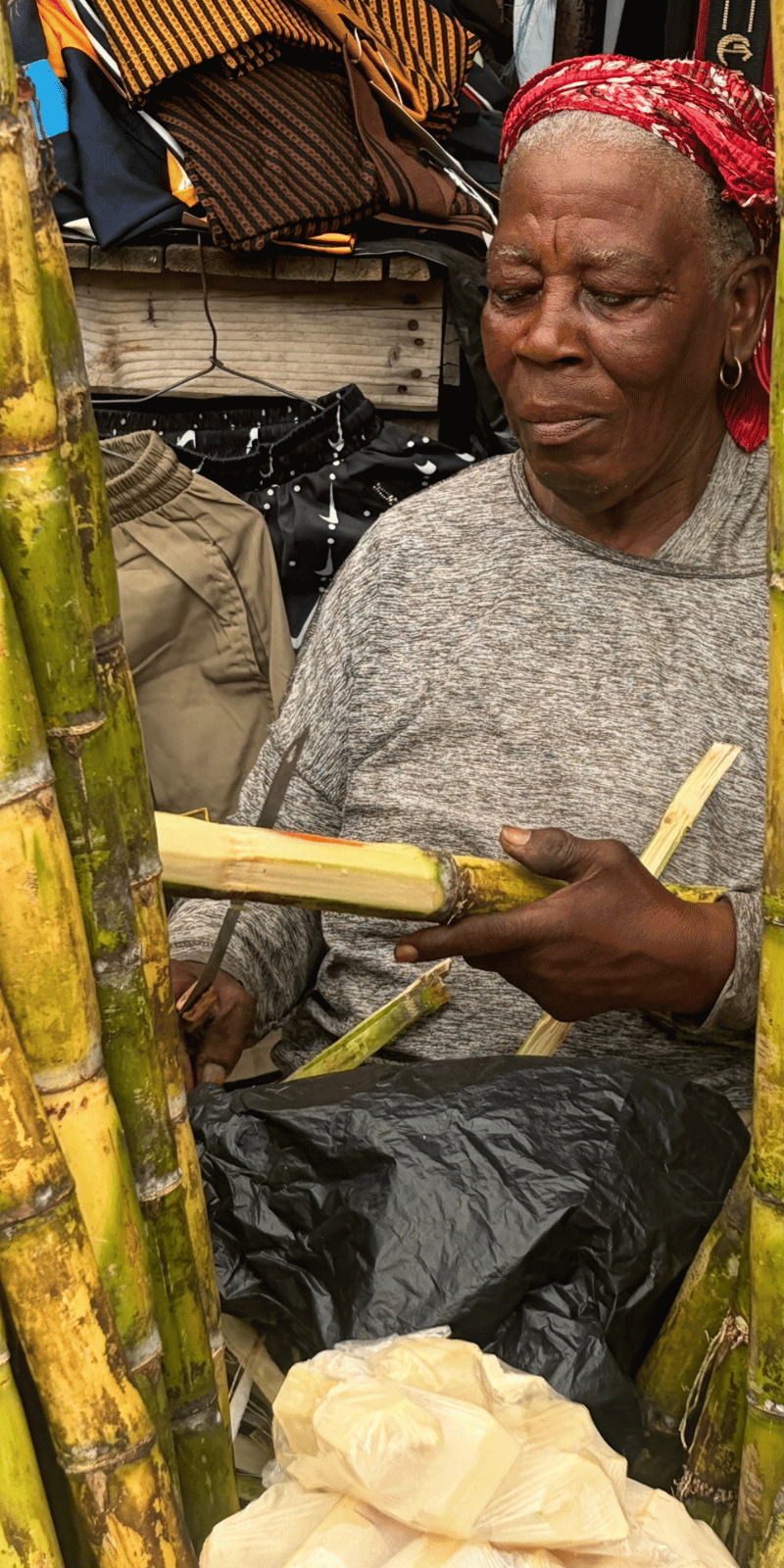
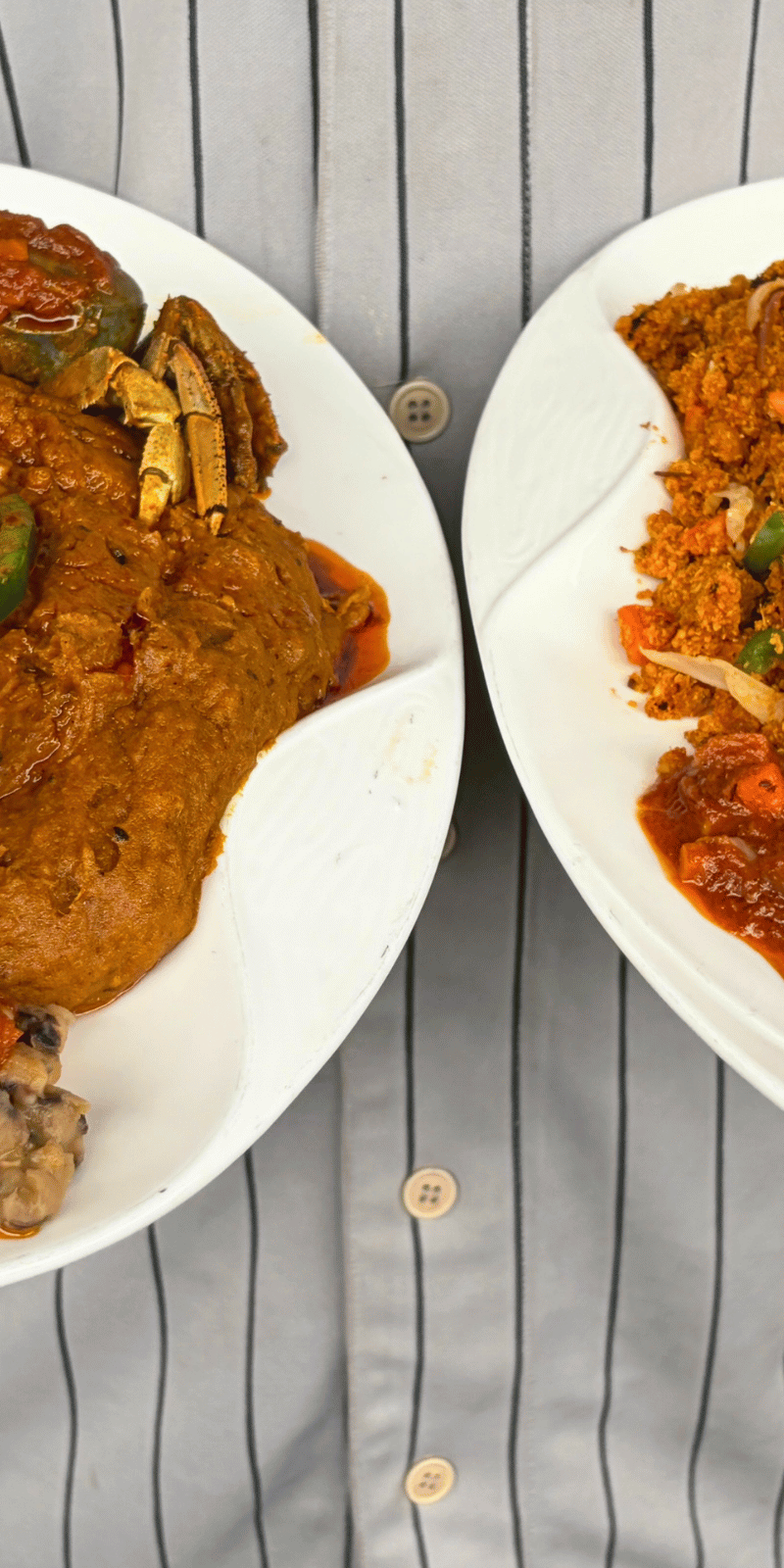
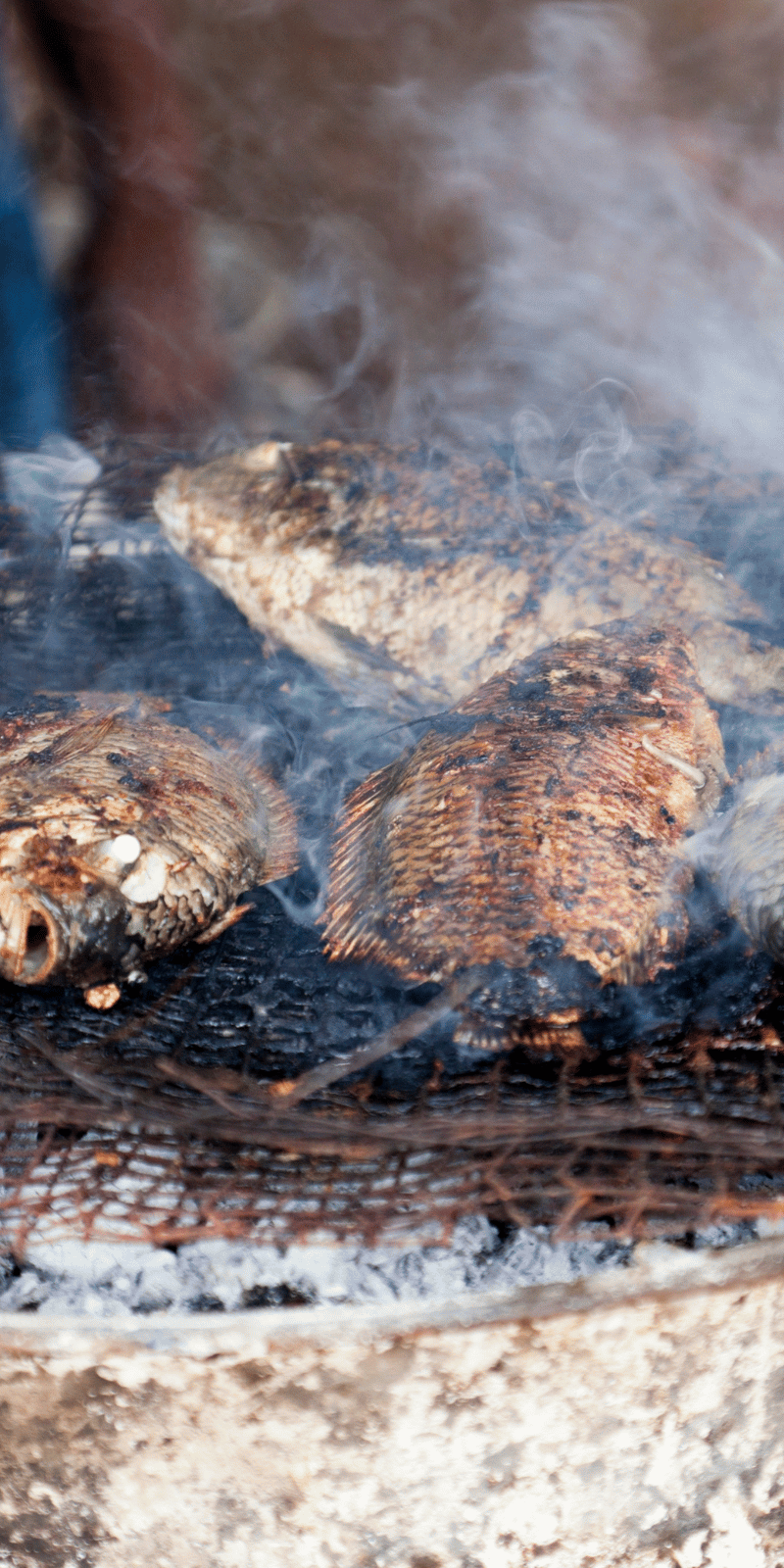
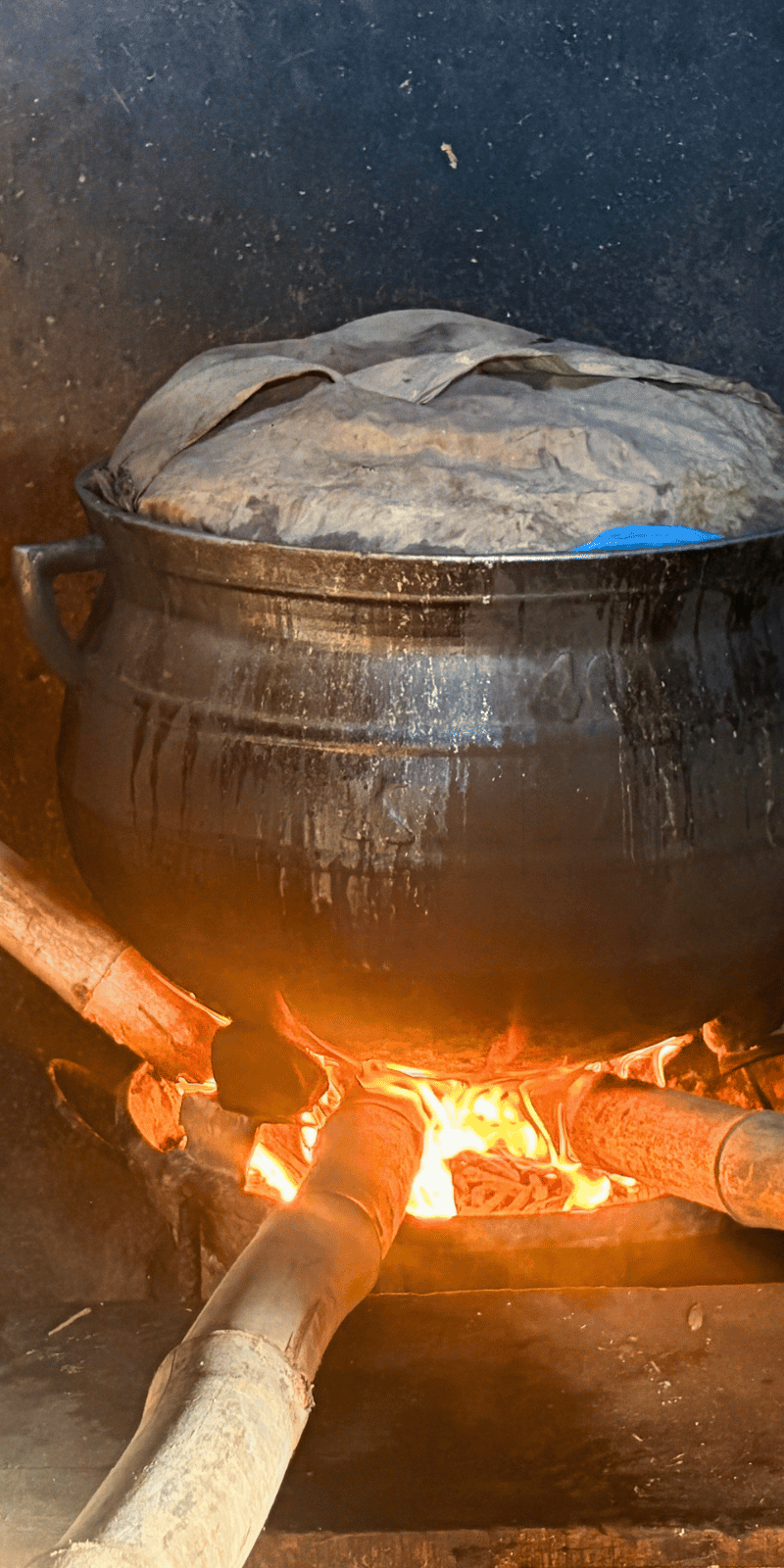
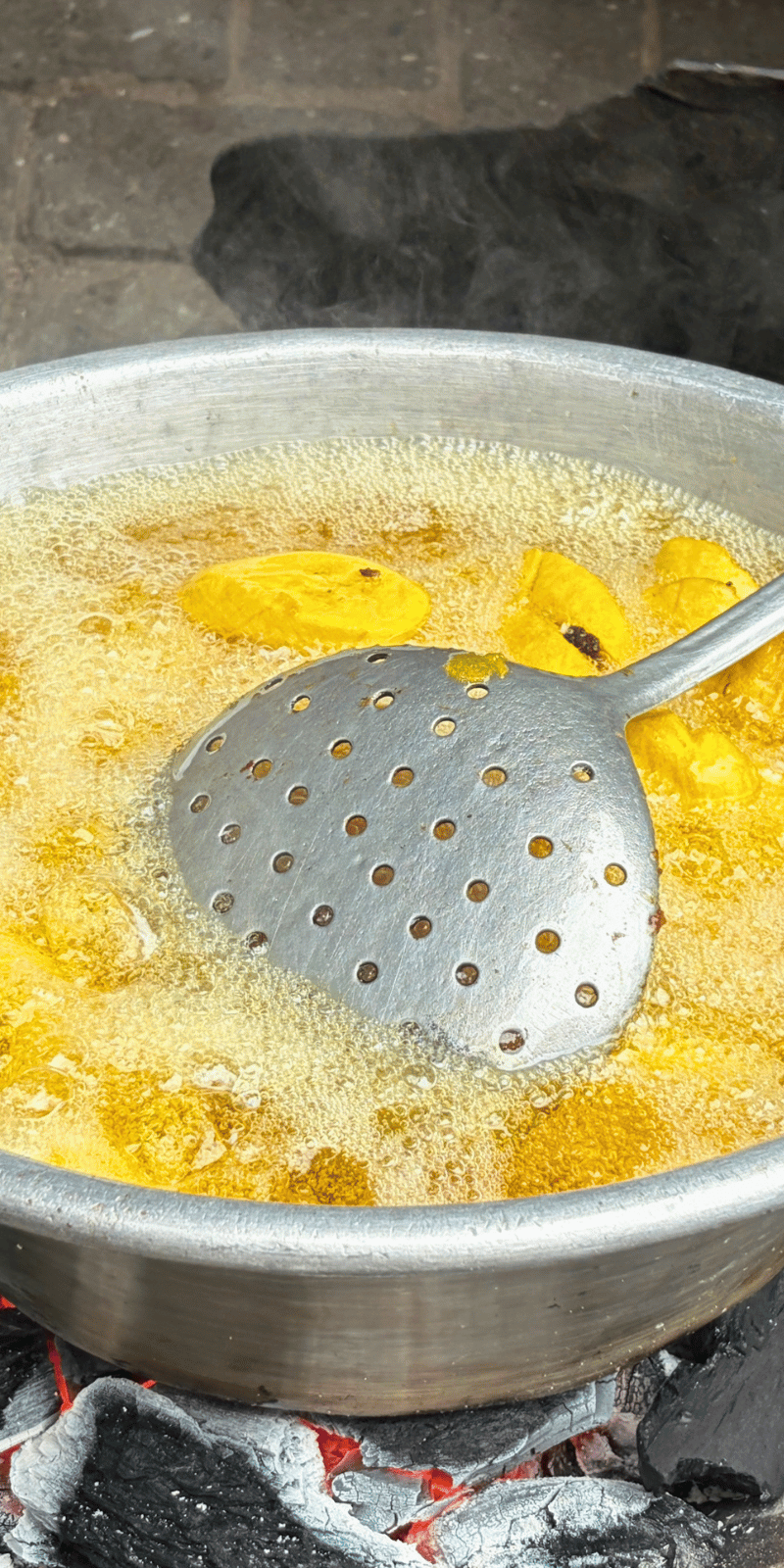
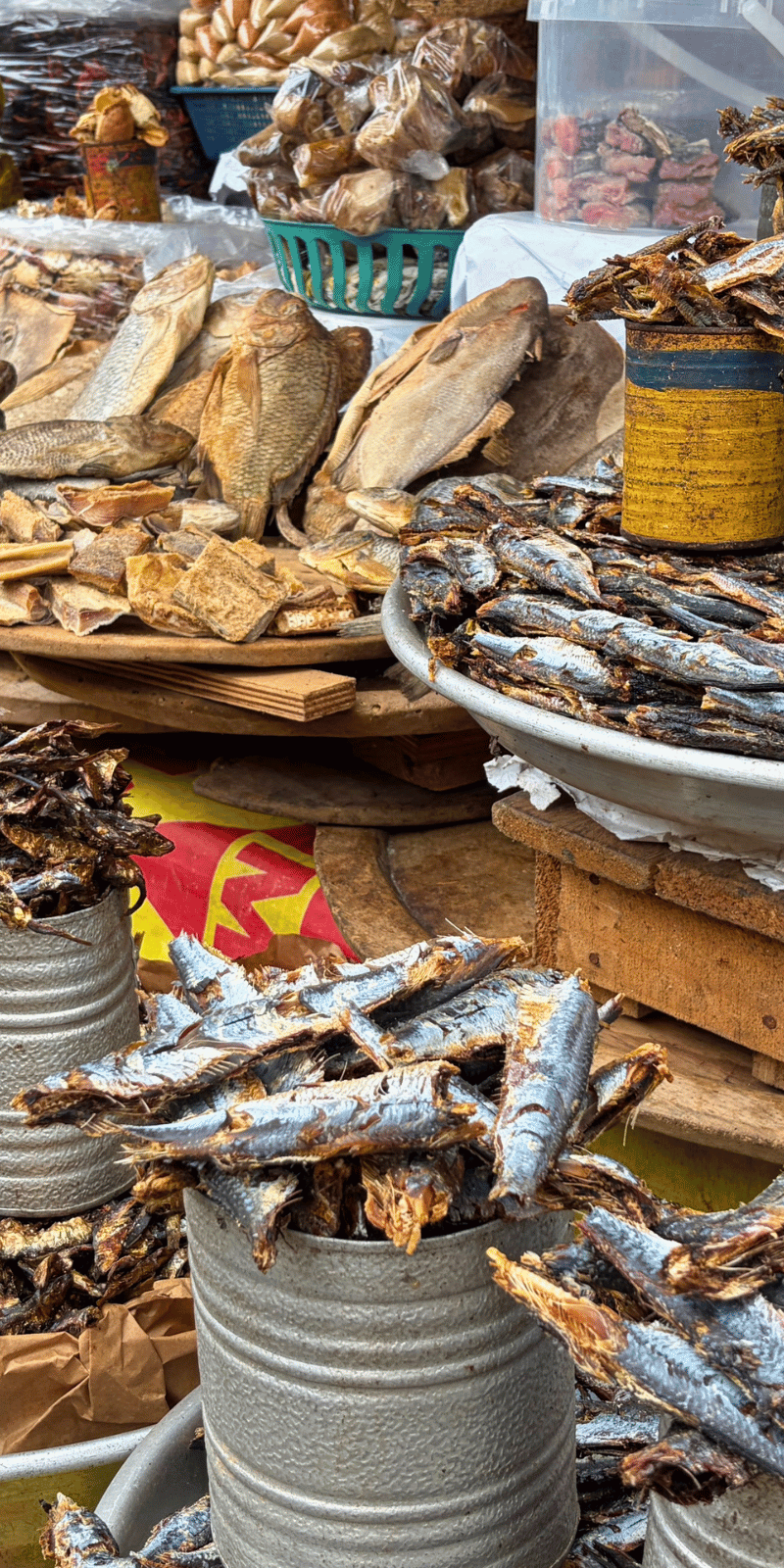
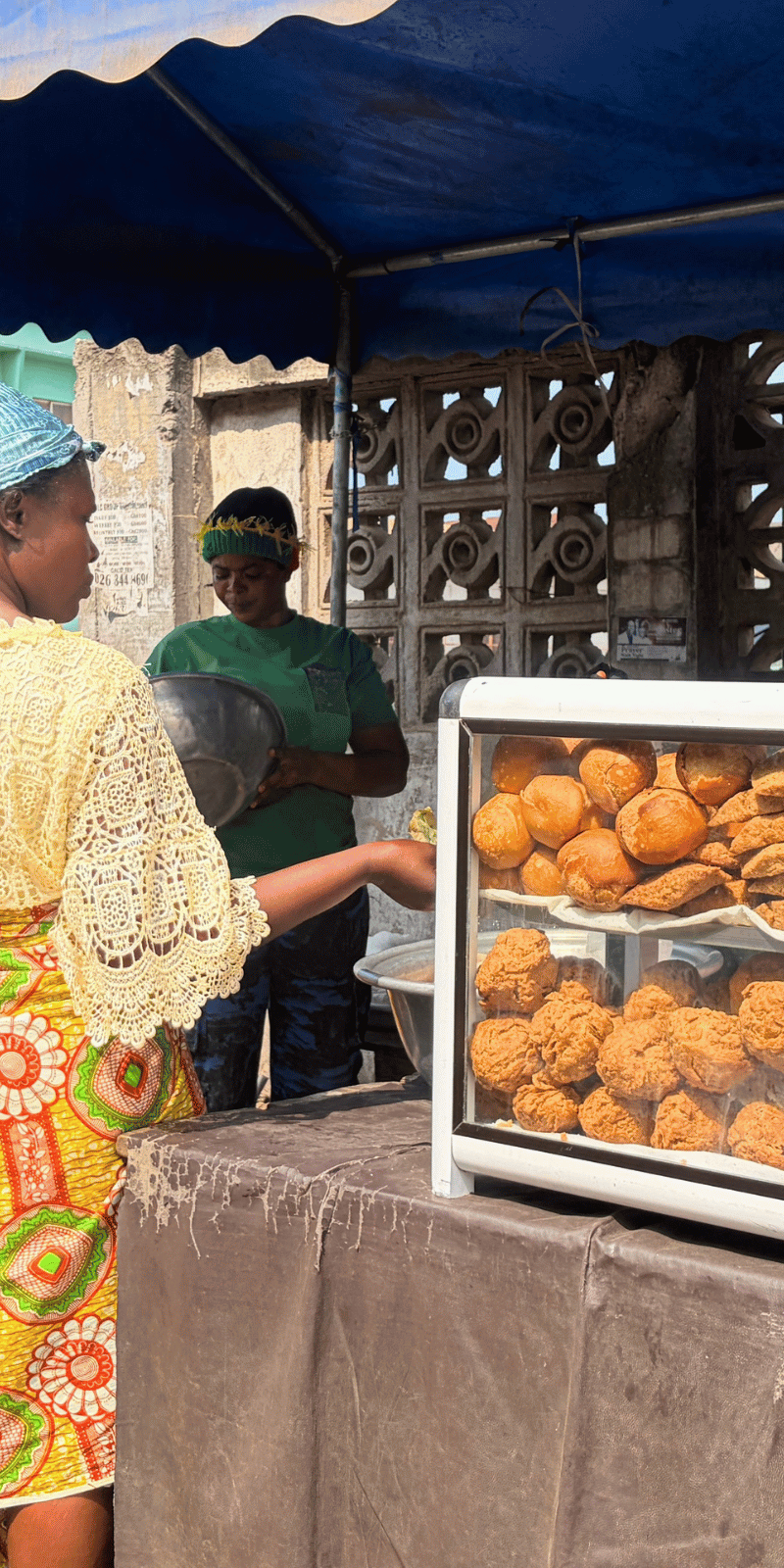
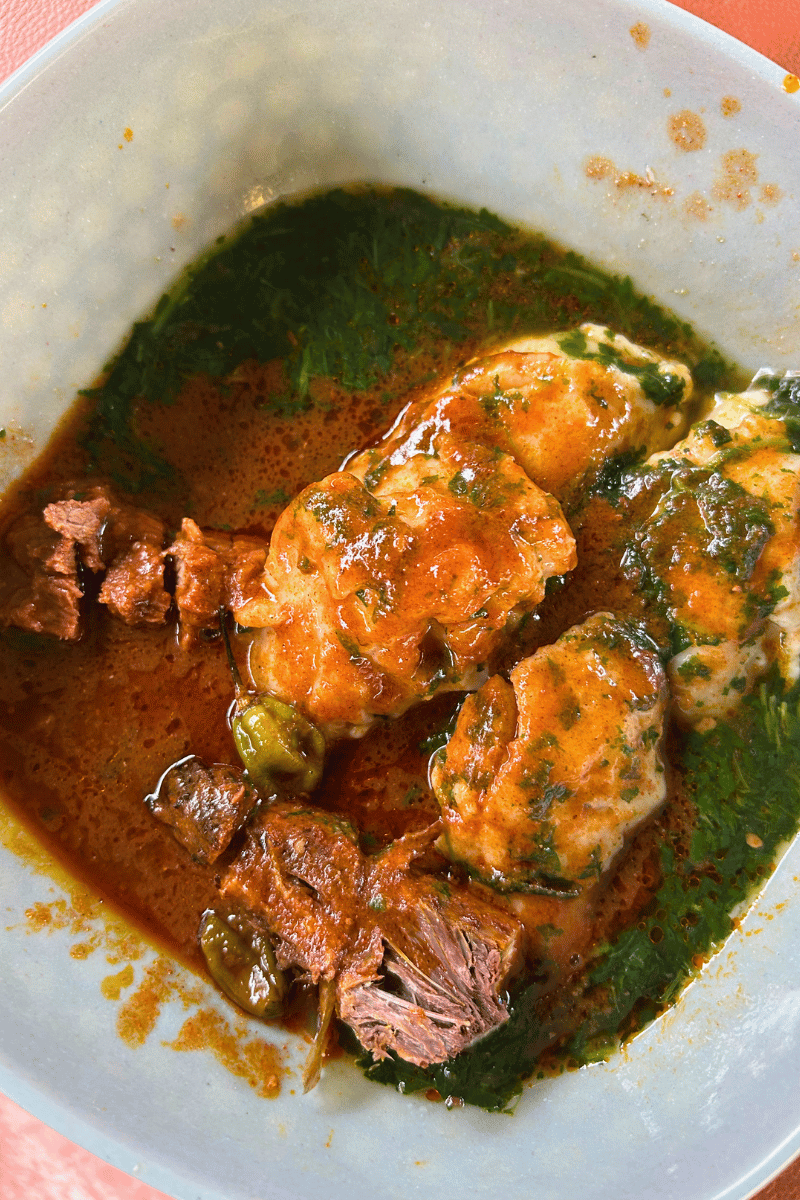
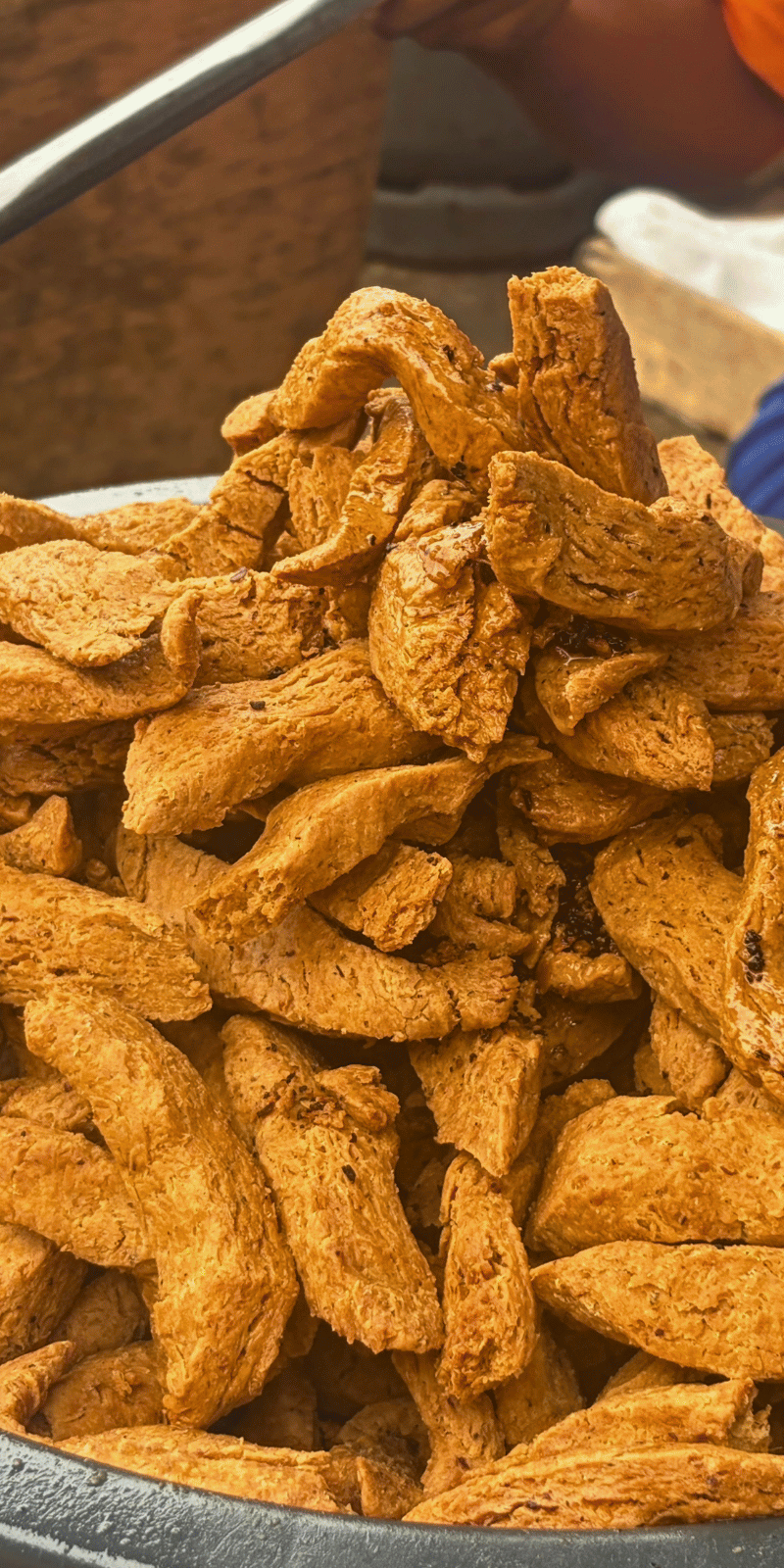
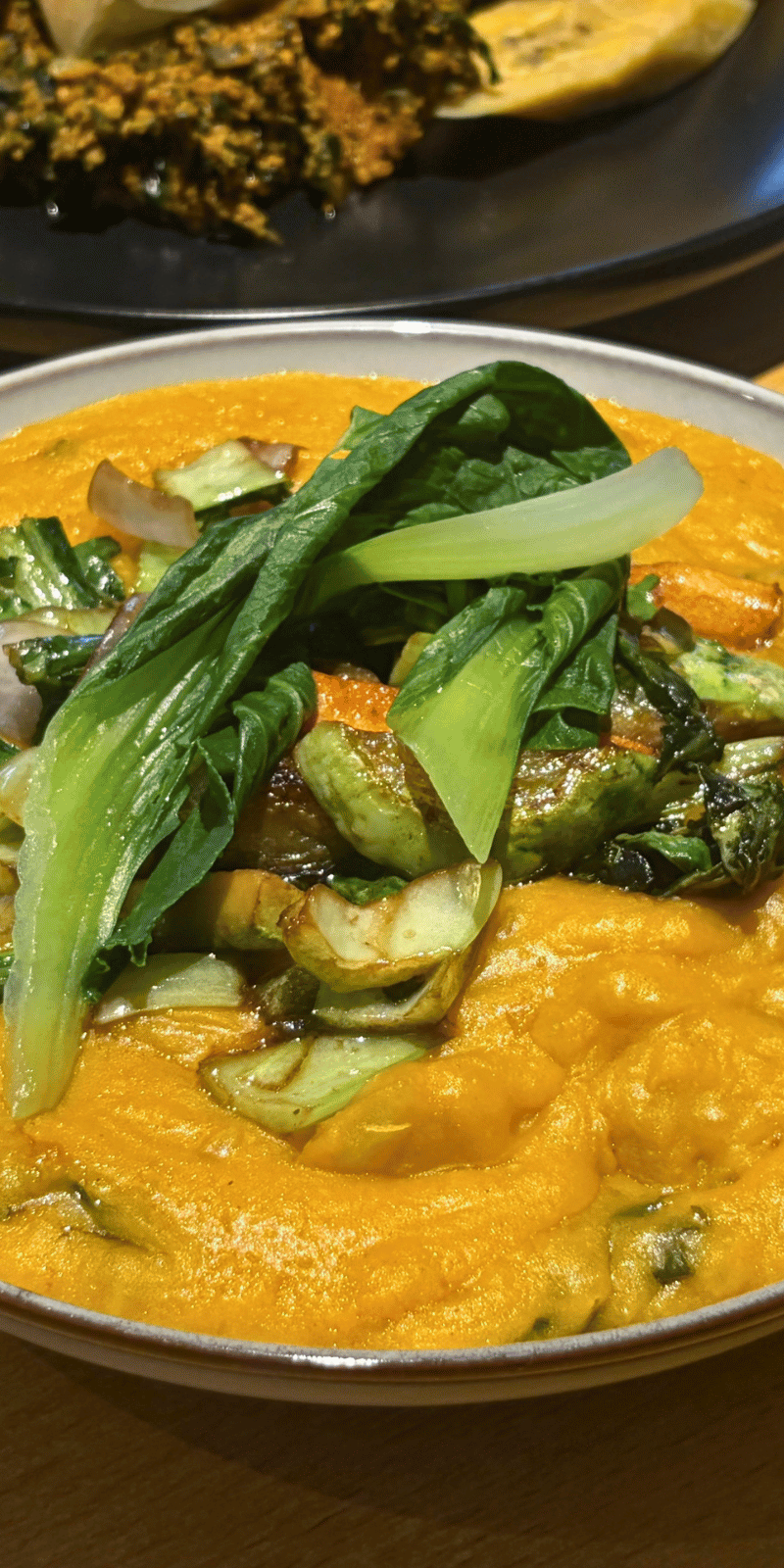
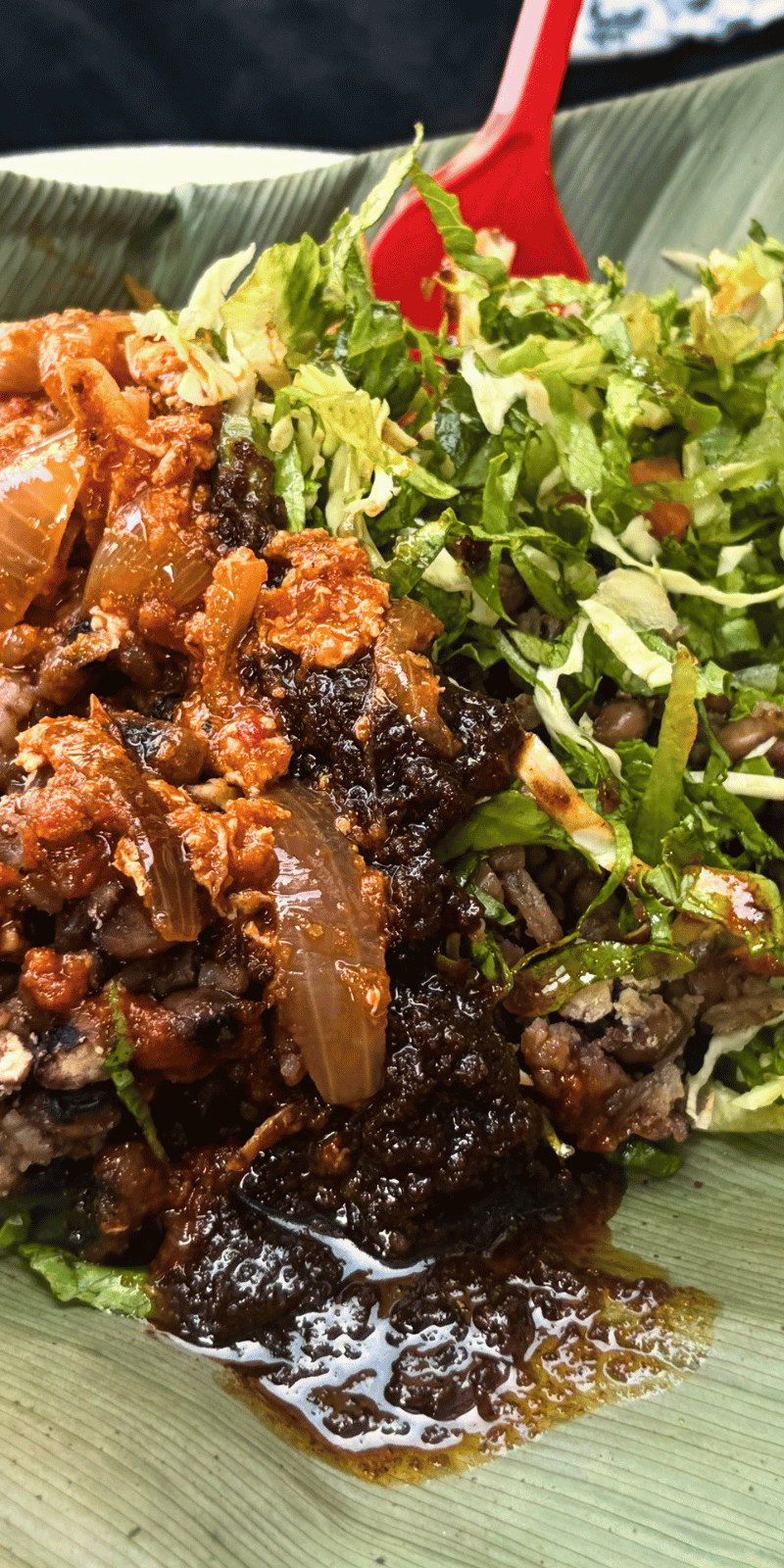
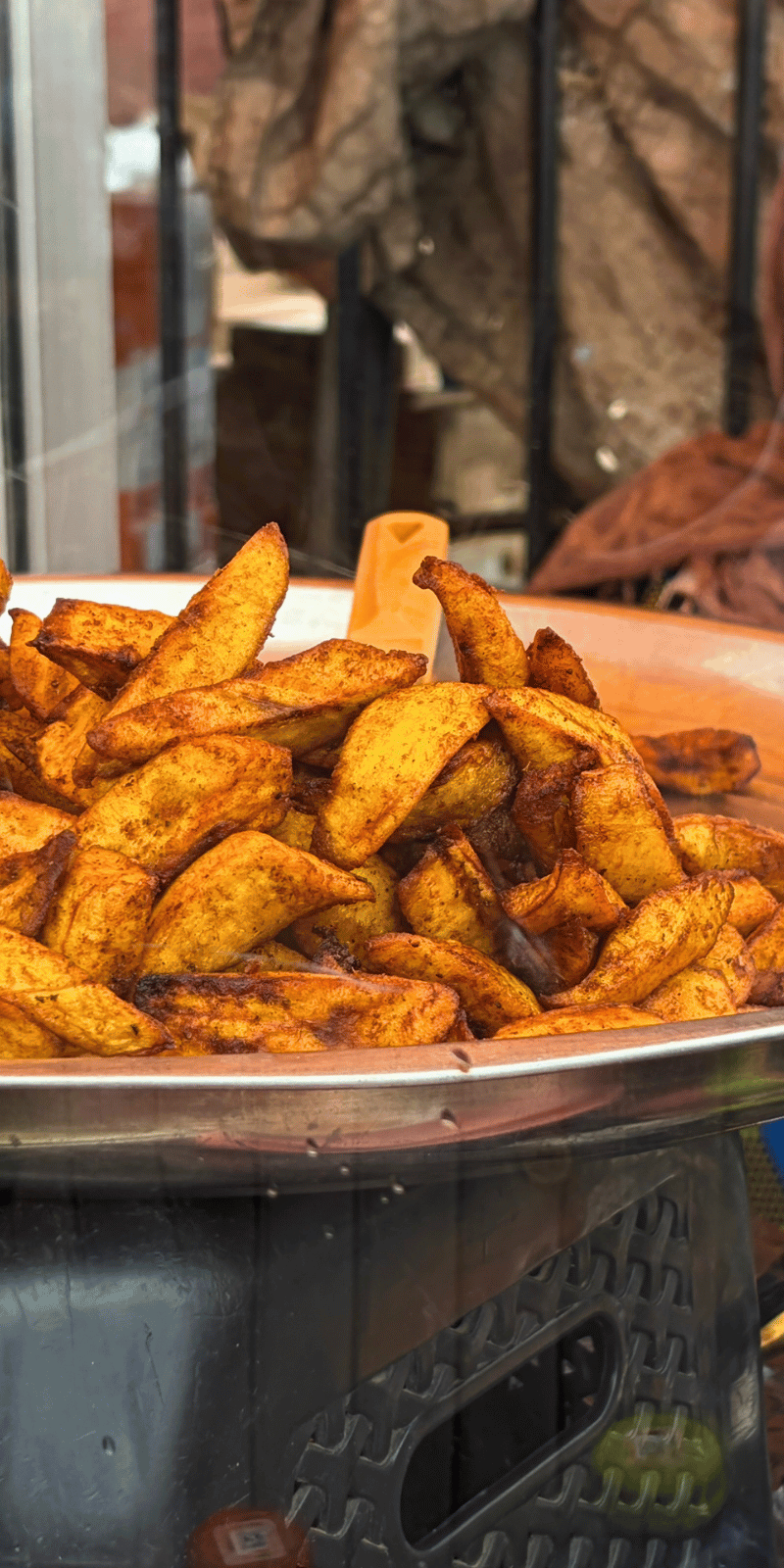
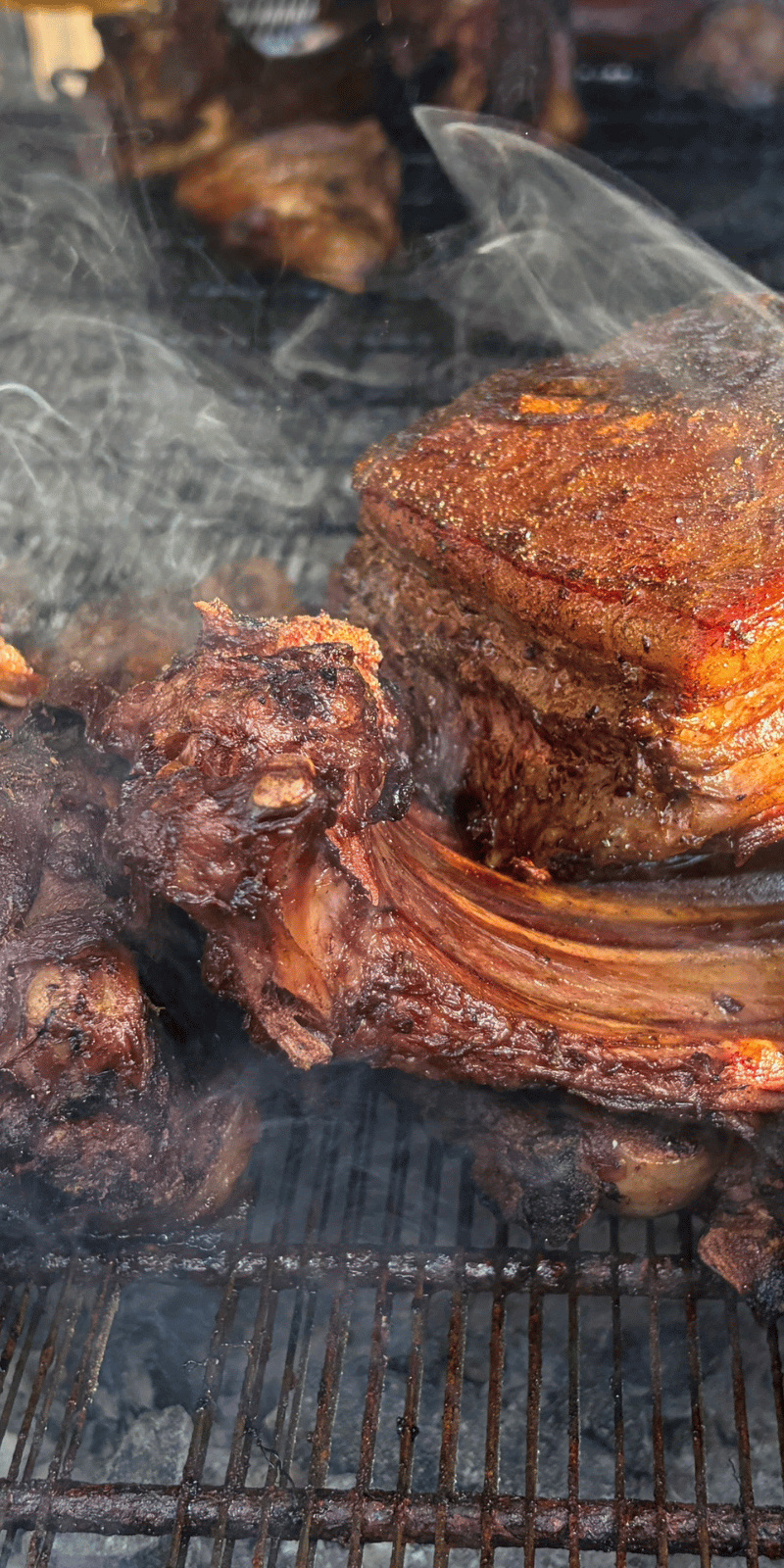
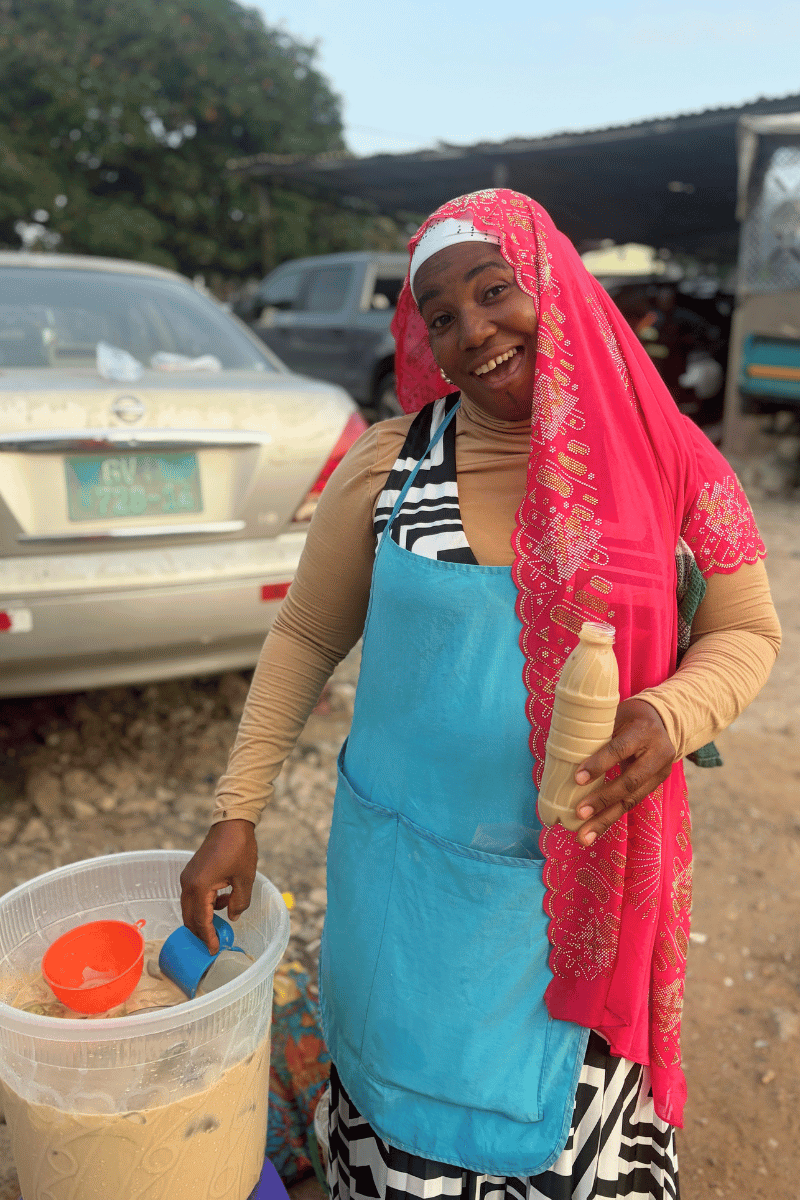
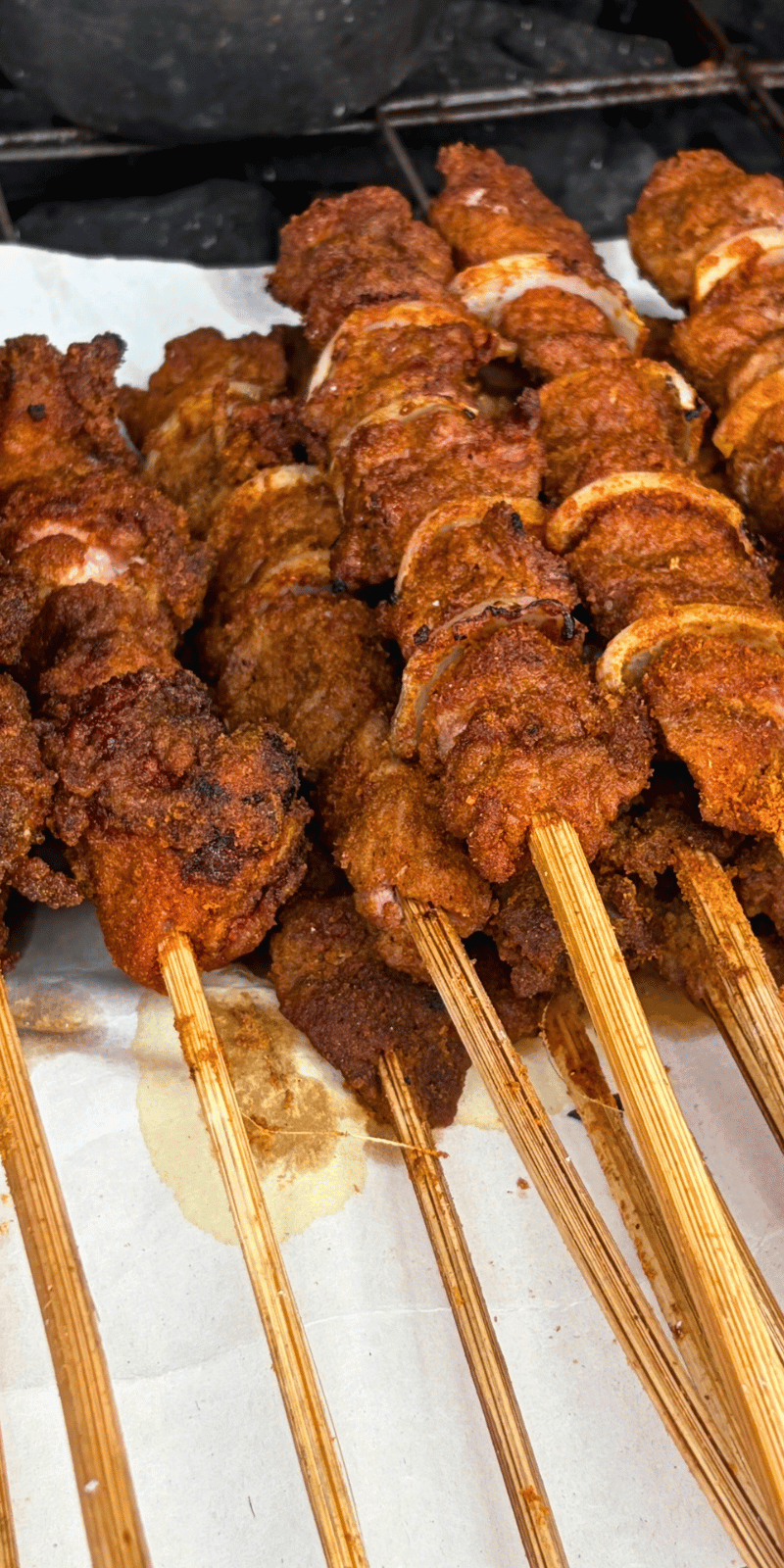
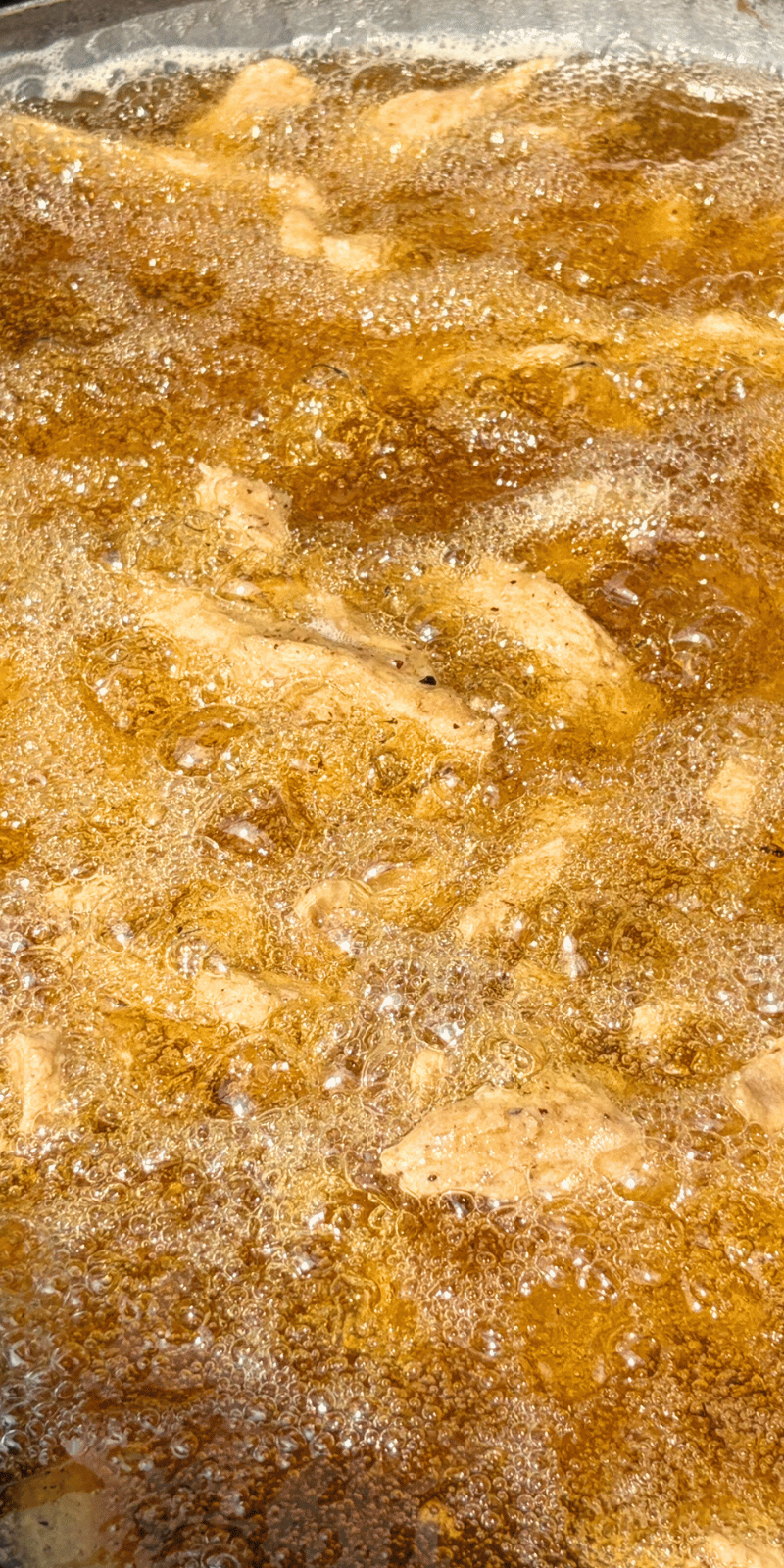
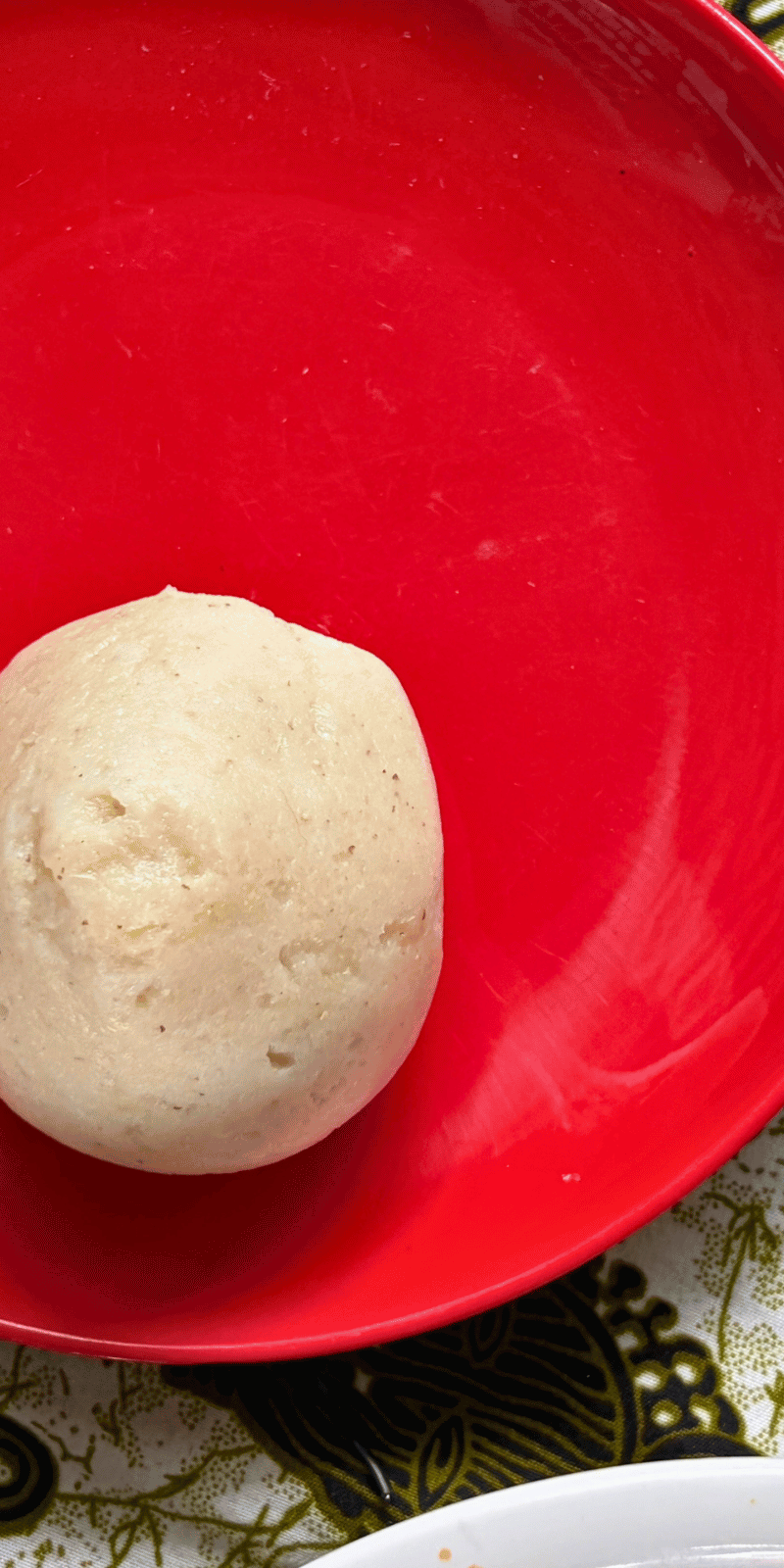
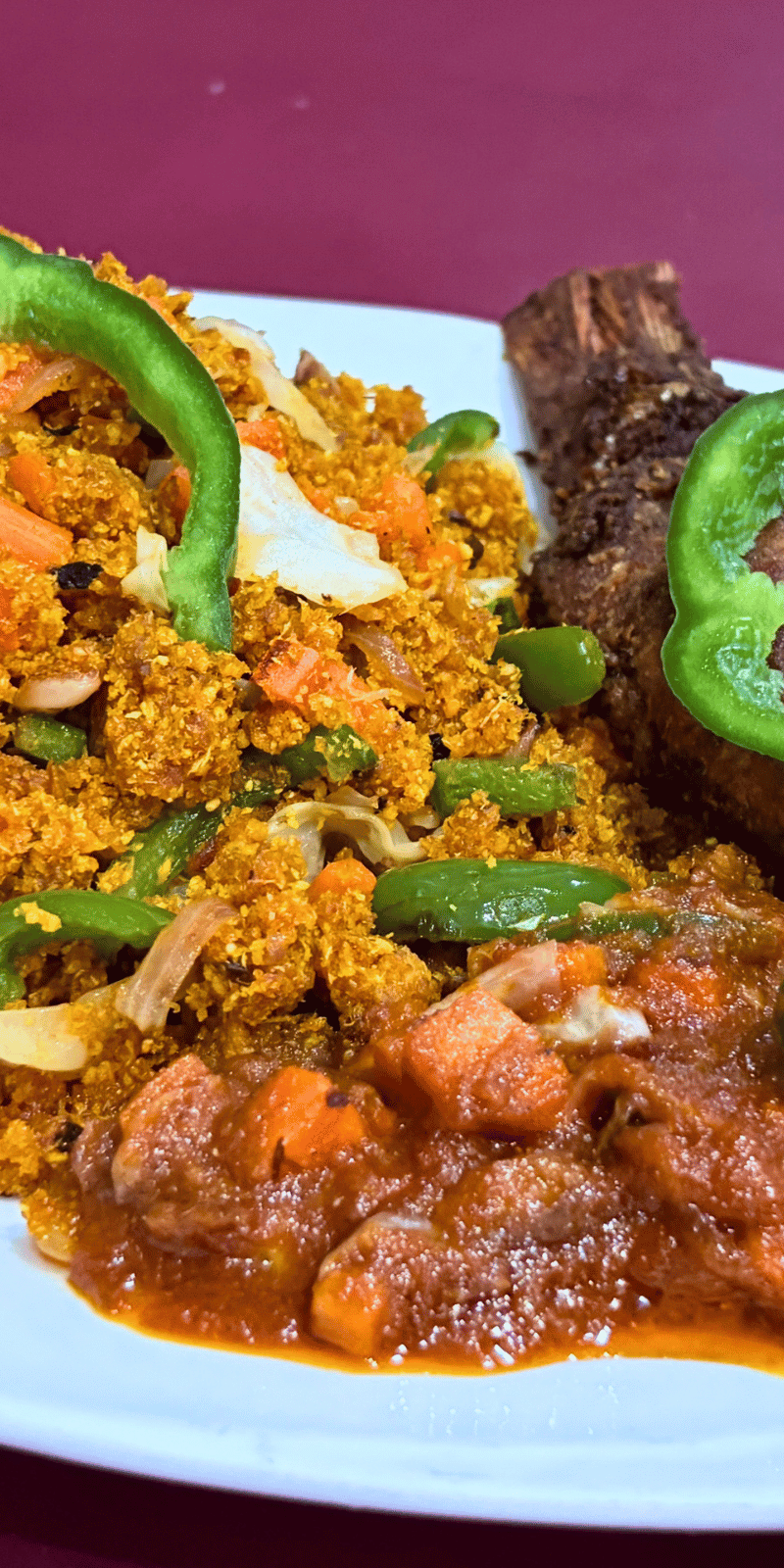
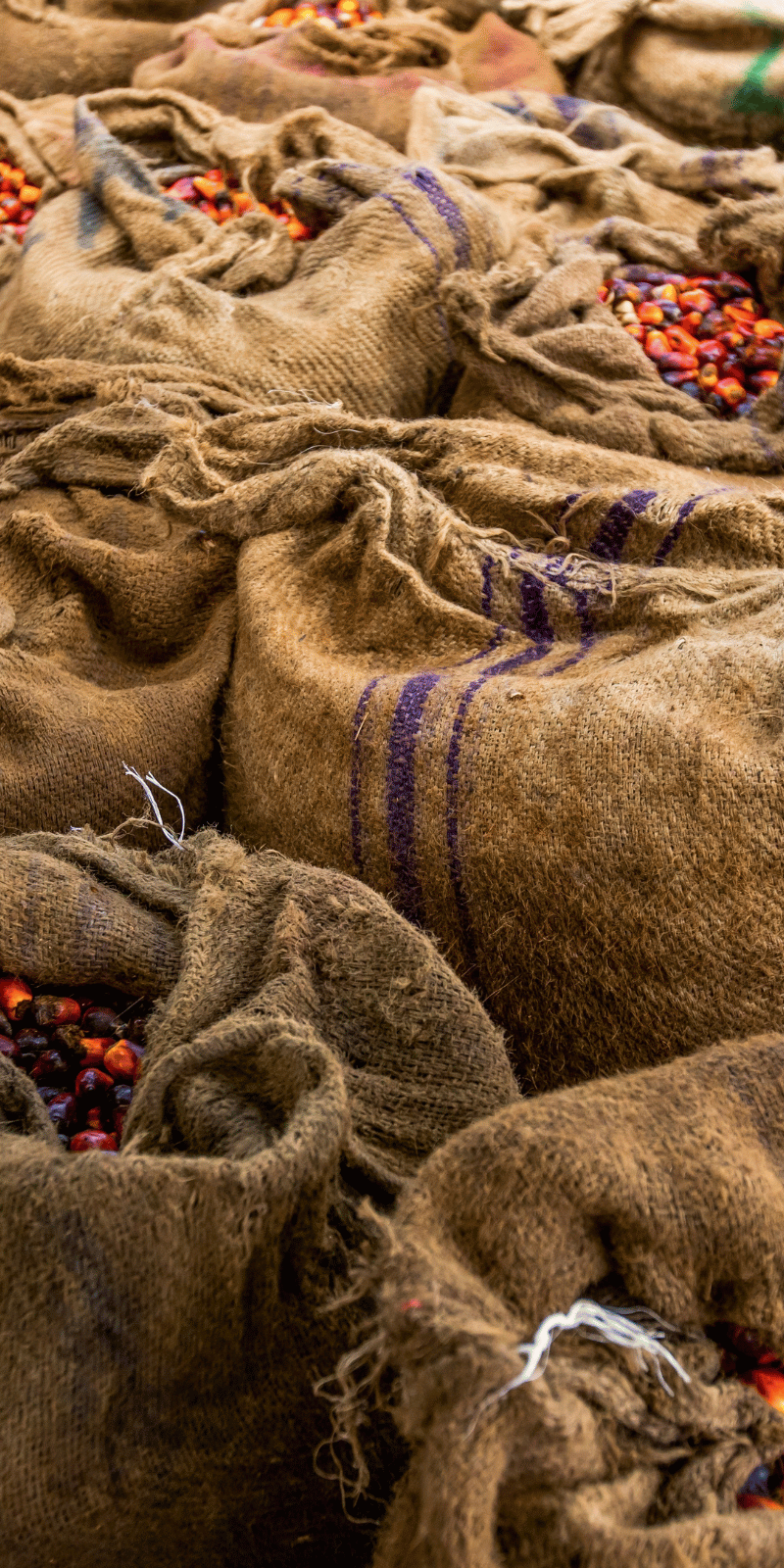
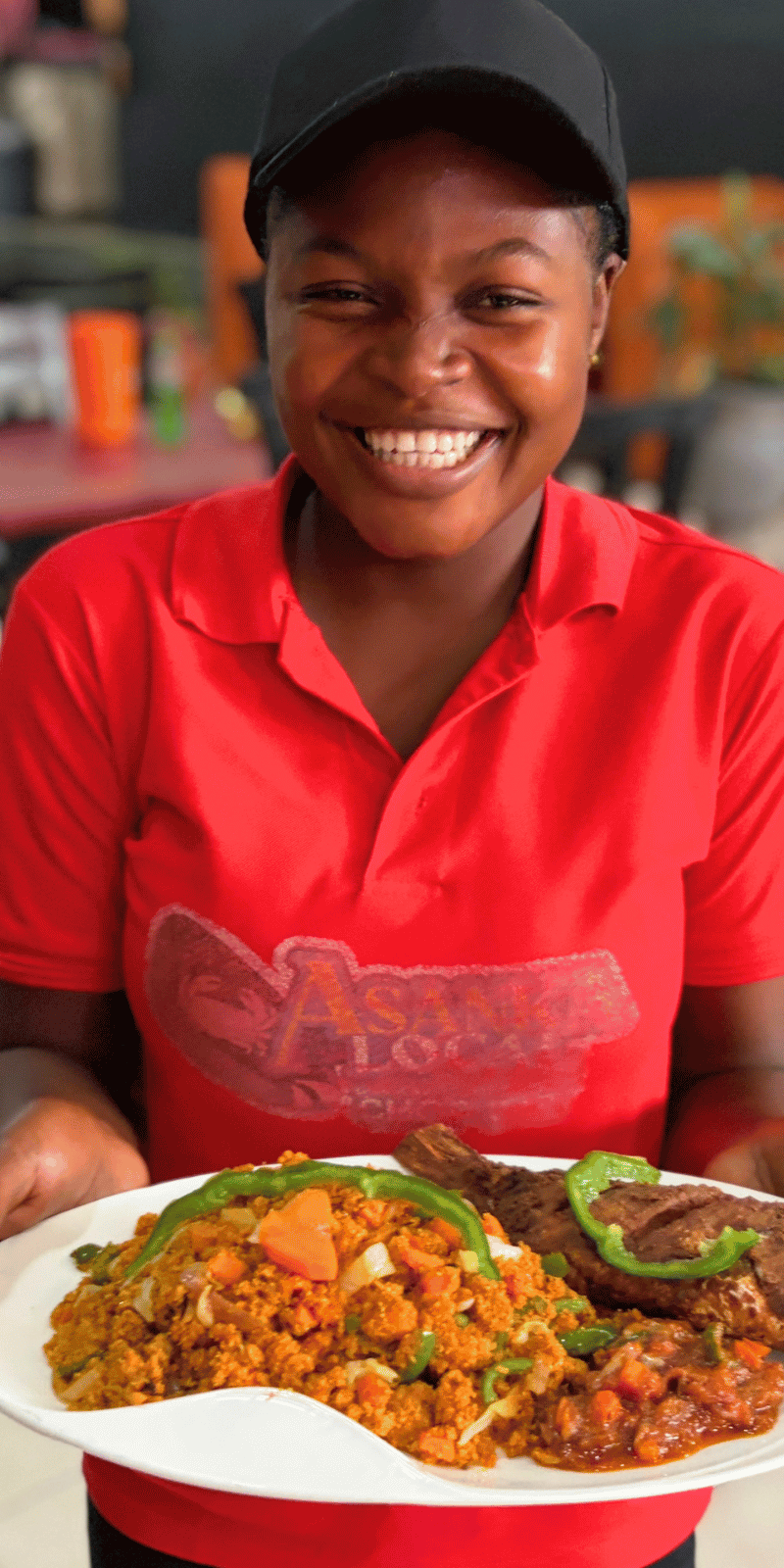
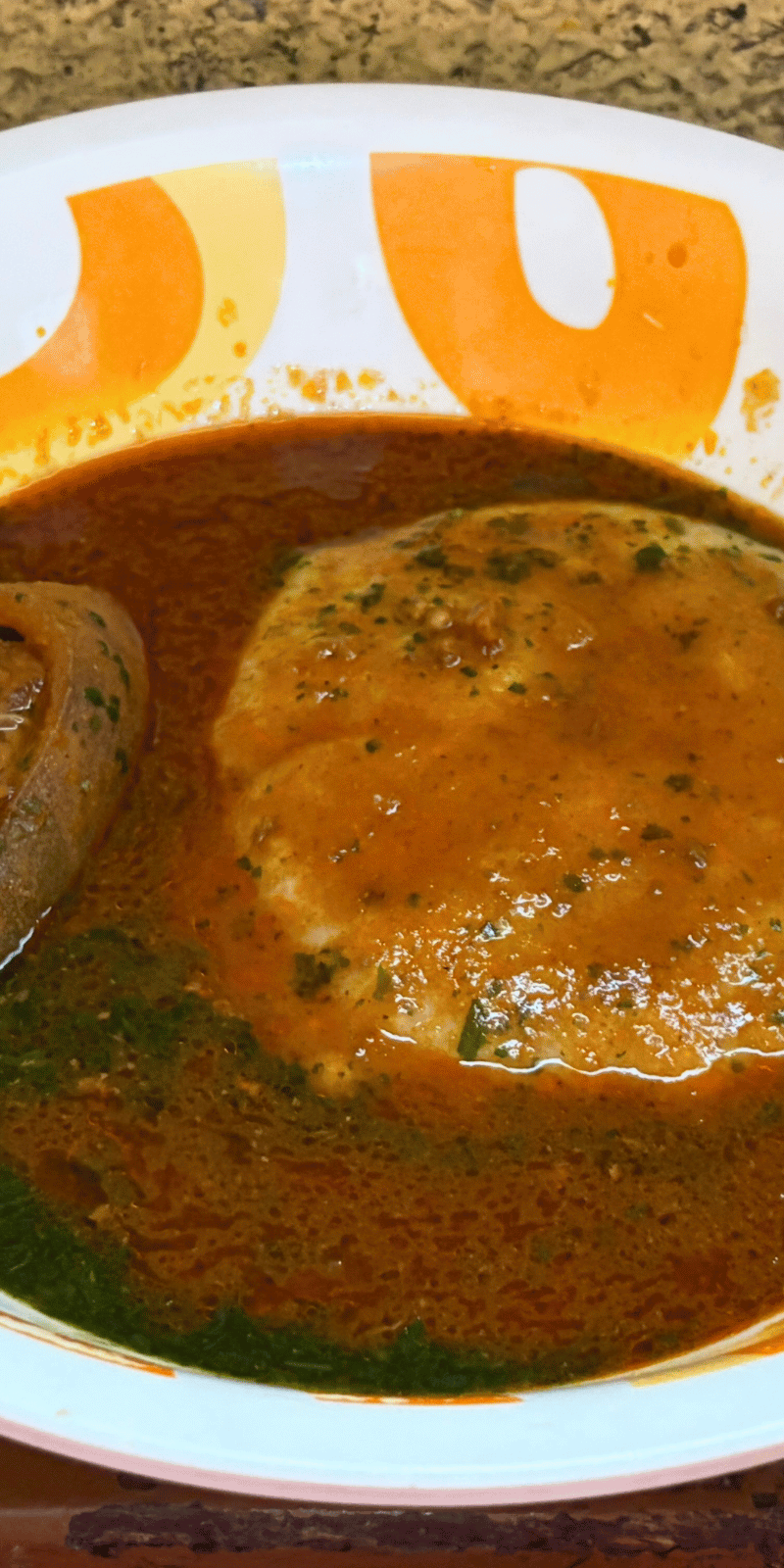
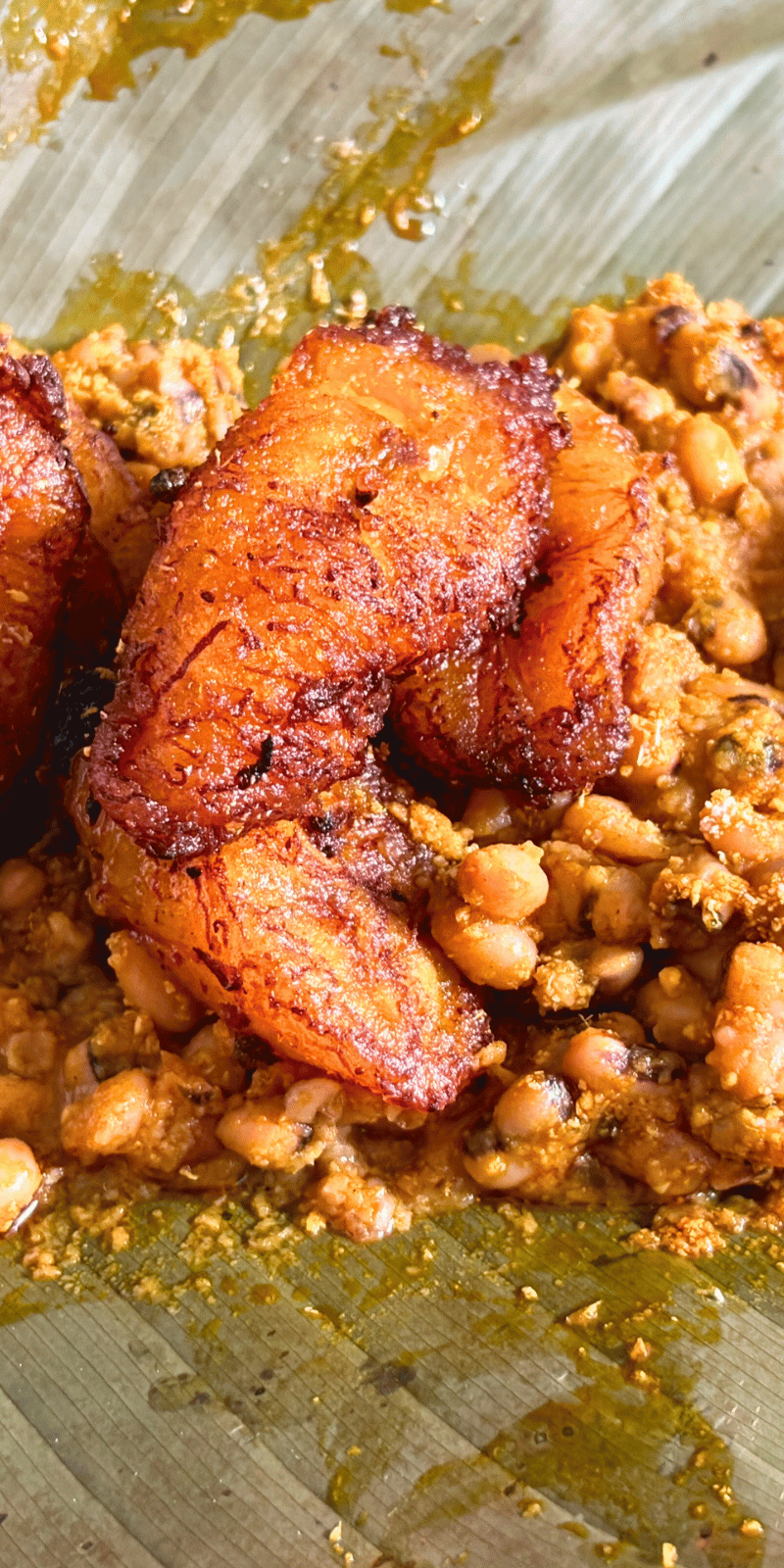
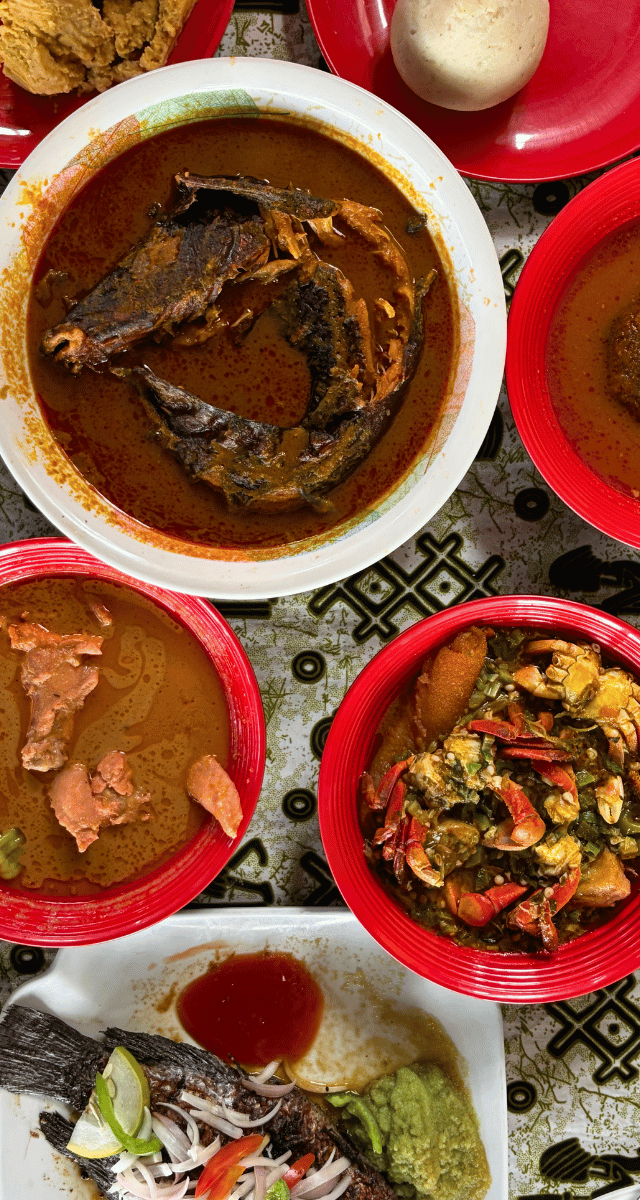
Jollof rice fired in the pot, fufu pounded to elastic, banku sour dough with tilapia, shito hot pepper paste. Ghana cooks West African at its most rhythmic.
04 The pantry
- Palm oil, red unrefined oil at the base of Ghanaian stews
- Shito, dark fried chilli, dried shrimp and ginger paste
- Grains of paradise, peppery West African seed
- Gari, roasted cassava granules for eba and side snacks
- Kpakpo shito, tiny green chillies pounded into fresh salsa
05 In the kitchen
- Cooking jollof rice in a single pot until the base scorches lightly
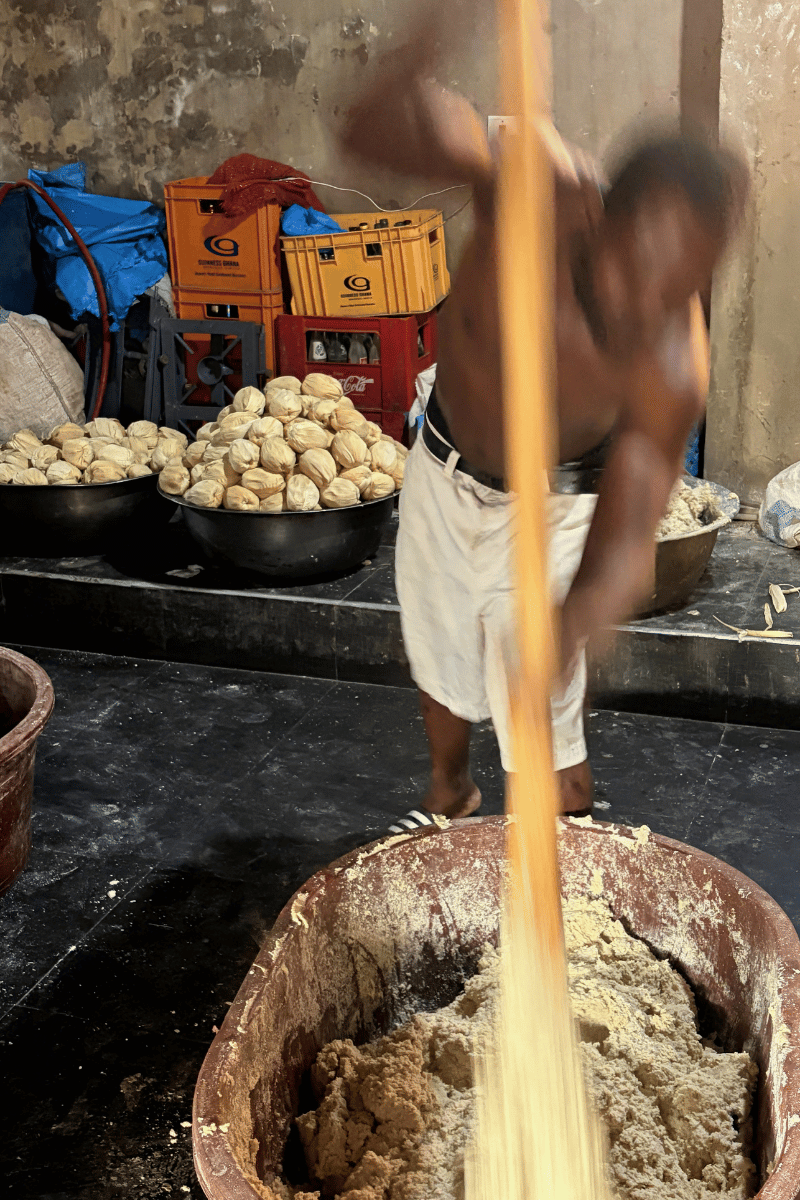
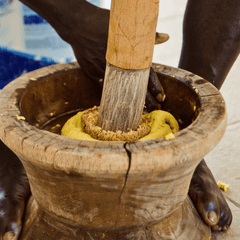
- Pounding fufu from cassava and plantain with a rhythmic wooden pestle
- Fermenting banku corn dough for the sour smoky loaves
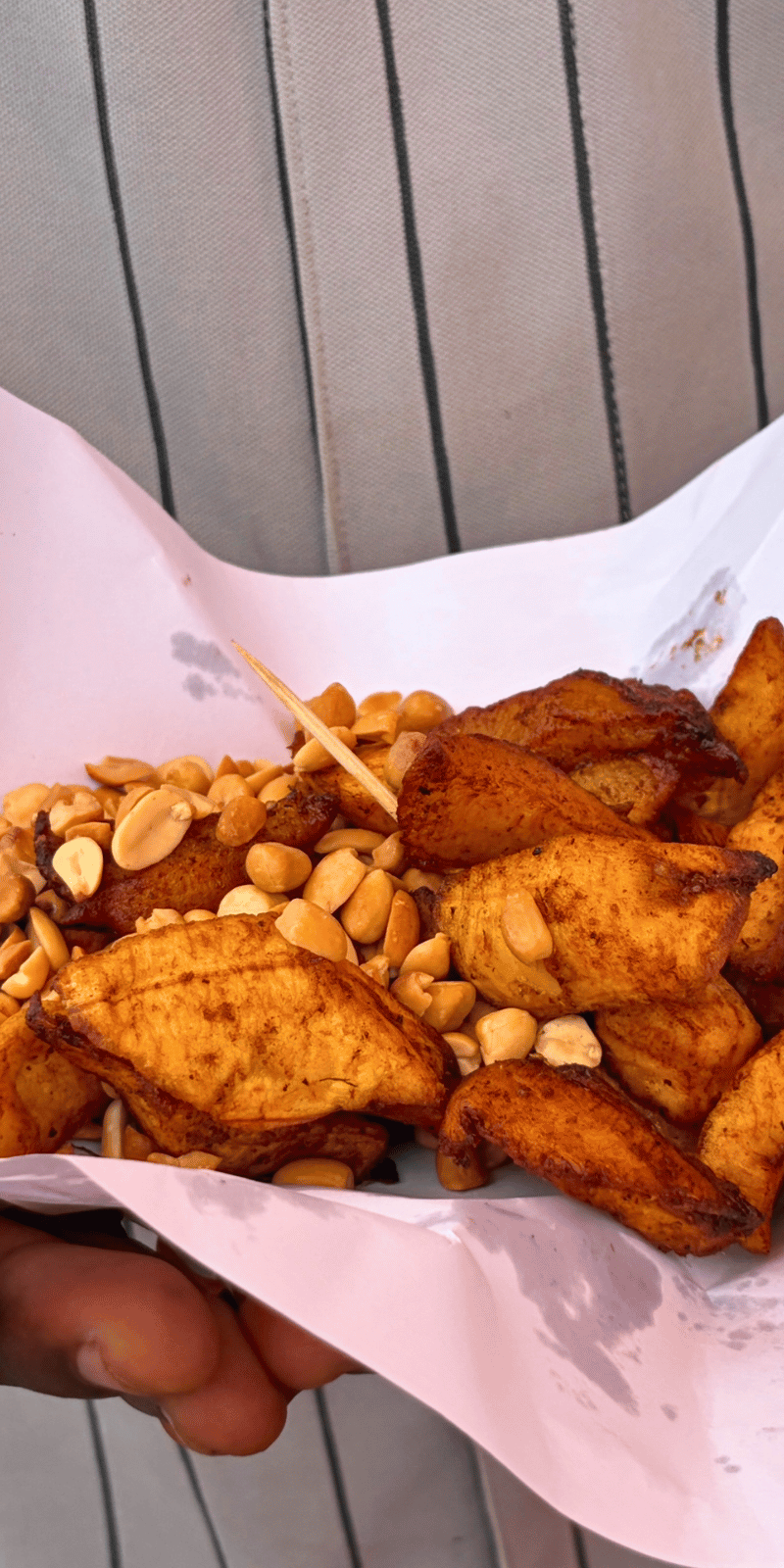
- Frying kelewele spiced plantain cubes in palm oil
- Blending shito pepper sauce dark for the household jar
06 Eat this first
- Jollof rice, tomato-red rice with grilled chicken and shito on the side
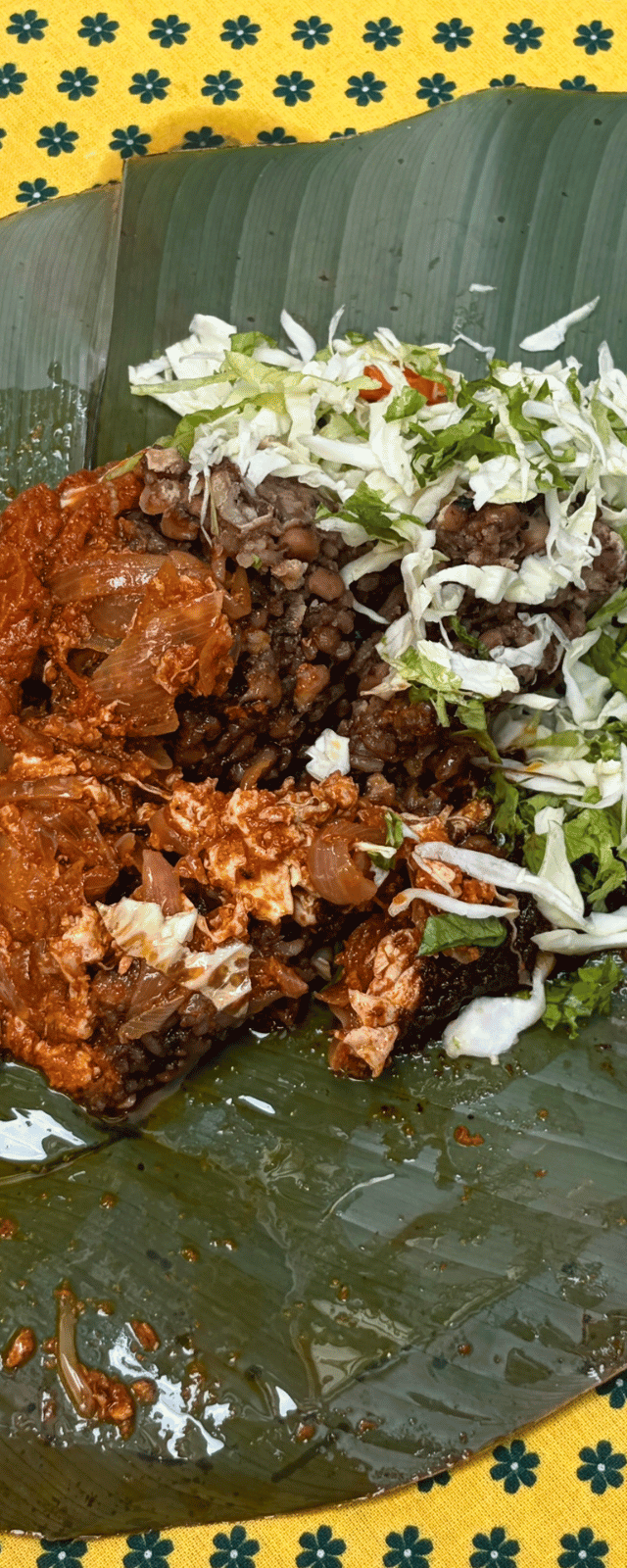
- Waakye, rice and beans plate topped with gari, spaghetti and stew
- Banku and tilapia, fermented corn dough with grilled fish and pepper sauce
- Kelewele, spiced ginger-and-chilli plantain cubes fried in palm oil
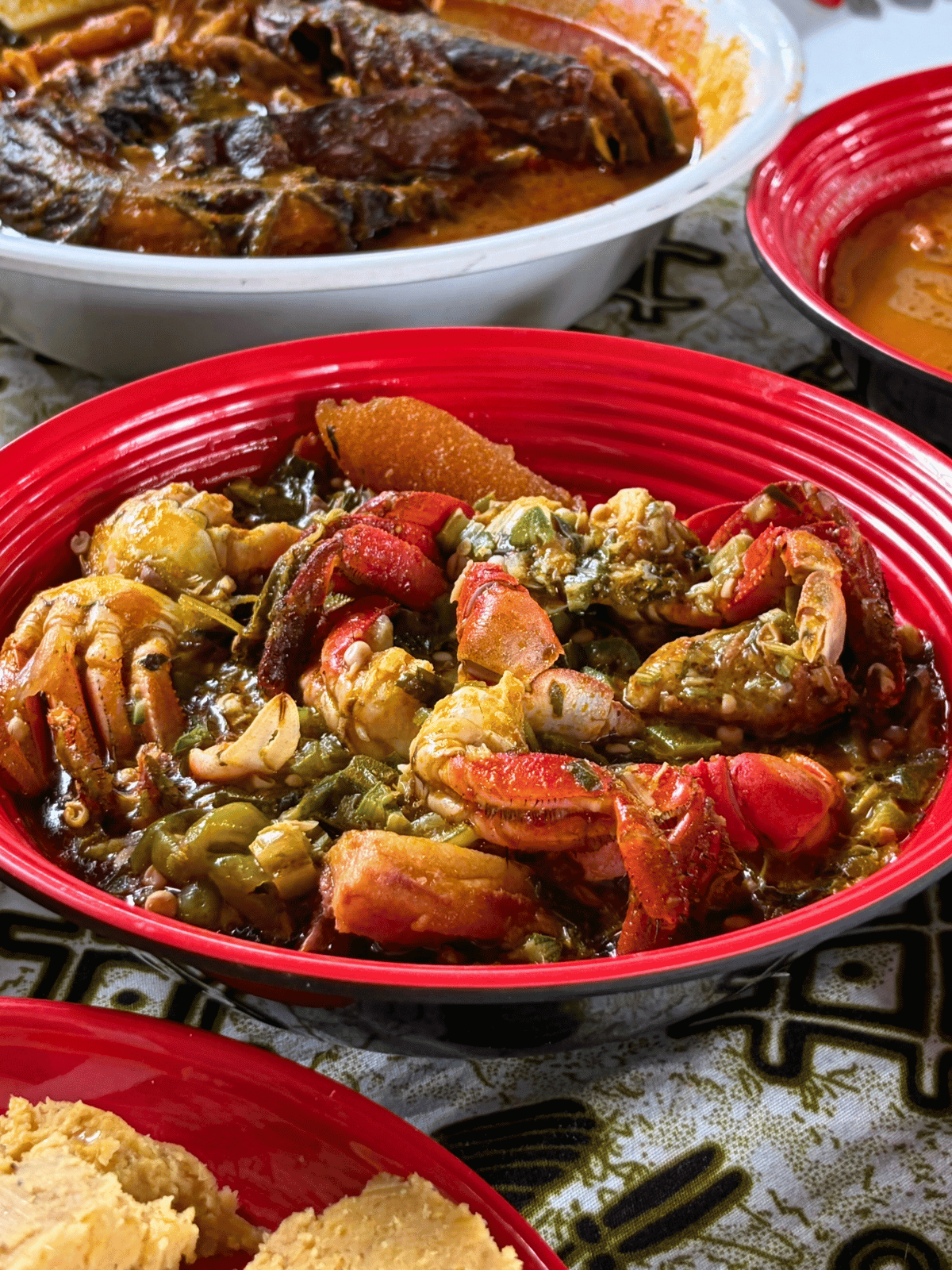
- Fufu with light soup, pounded cassava dumpling in pepper and fish broth
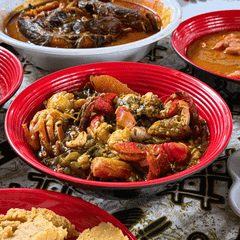
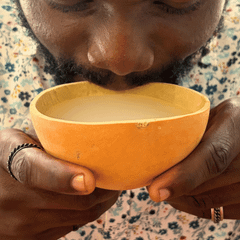
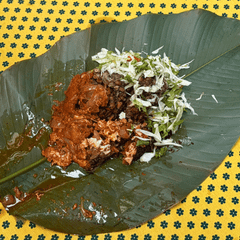

What happens inside a hammam kitchen
A morning with the cooks who feed the neighbourhood before dawn. Charcoal, dough, the smell of a bakery working its second oven.
10 Field Notes
Quick field notes to help you get accustomed to Accra.
Weather
Warm and humid year-round with two rainy seasons (April–June, September–October). The Harmattan wind blows dry, dusty air across the city from December to February. Visibility drops but temperatures ease.
Currency
The Ghanaian cedi (GHS). Cash is king at markets and street food stalls, while hotels and mid-range restaurants take card. ATMs are common in the city centre but can run out on weekends.
Language
English is the official language and widely spoken. Twi and Ga are the everyday street languages. Greeting someone with a smile and a handshake goes a long way.
Etiquette
Always use your right hand to eat, pay, or exchange things, the left is considered unclean. Ask before photographing people and sacred sites.
Getting around
Trotros (shared minibuses) are the local backbone but confusing for visitors; Uber, Bolt, and Yango all work reliably. Traffic in the city centre is heavy, build in extra time.
Prayer
A mix of Christian and Muslim prayer. Churches fill on Sunday mornings and the call to prayer sounds from mosques five times a day. Many shops close for a few hours on Sunday.